Tell us about the job
Takes about a minute. No obligation.
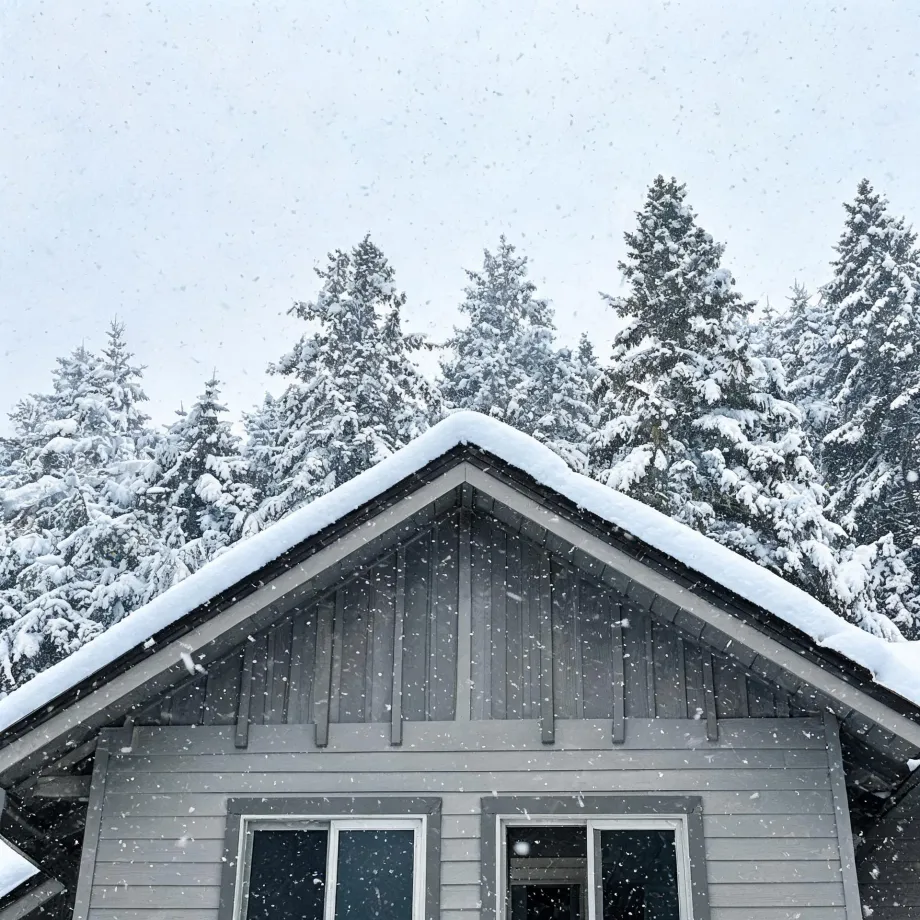
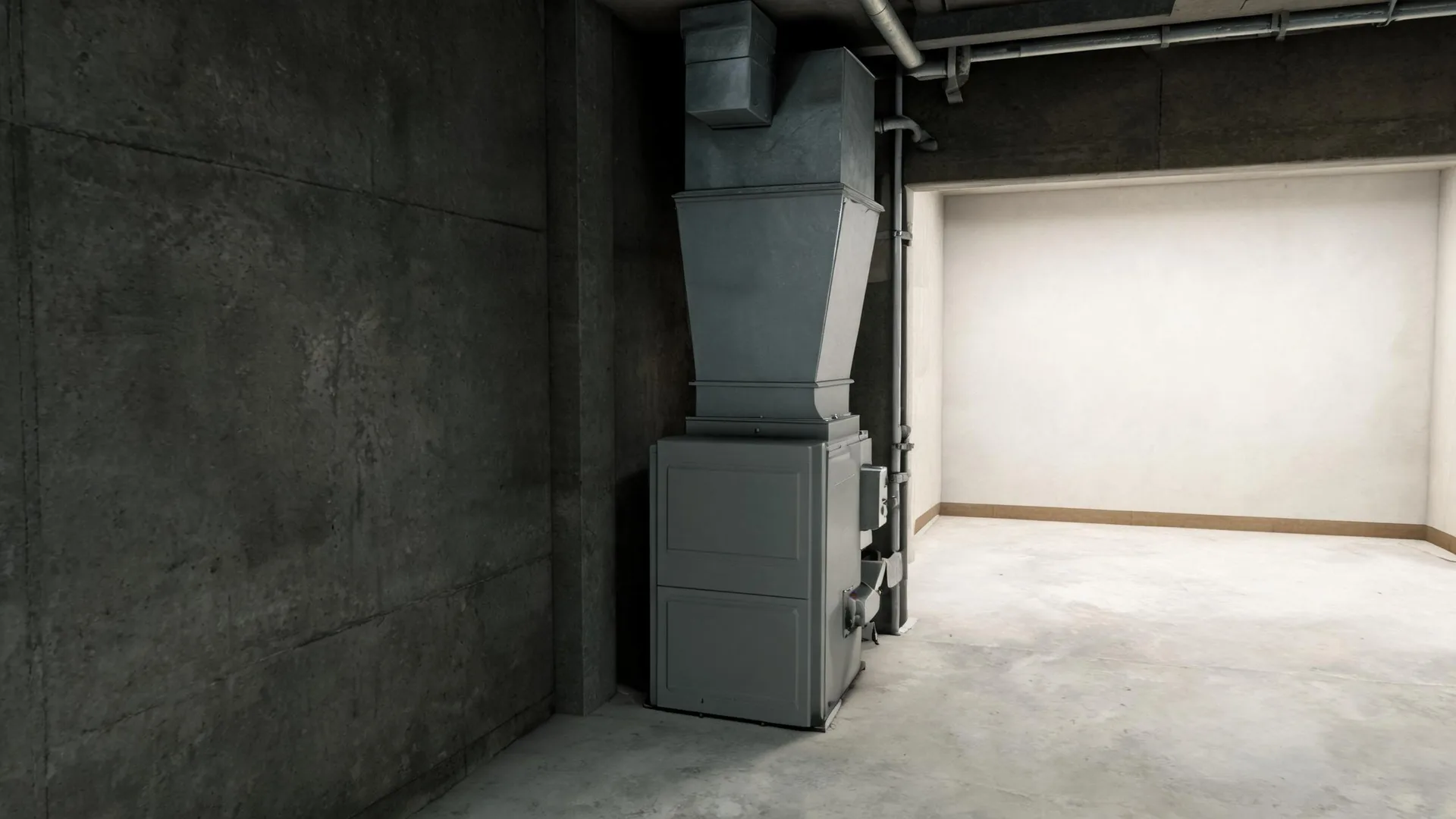
A furnace in Teller County earns its repairs. Homes in Teller County, CO run heat about eleven months a year, from August through June. The ignition system and burner cycle through that season start by start, and those are the components a contractor checks first when a furnace faults out. The heat exchanger matters, but it is the ignition and burner that accumulate the most mechanical stress in a climate like this one. A repair quote that skips past them is skipping past the likeliest cause.
Furnaces in housing this old tend to outlast the supply chains that were built around them. Half the homes in Teller County, Colorado were built in 1990 or earlier (2020-2024 ACS 5-year). That matters on a repair call because once a contractor opens the unit, what determines the job is whether the part it needs is still being made, or whether a compatible replacement exists at all. Heat exchangers, draft inducers, and control boards from that generation of equipment are not always stocked, and some require sourcing from specialty suppliers or rebuilding rather than swapping. The repair scope follows from what is actually inside the cabinet.
The Parts of a Furnace a Contractor Checks First
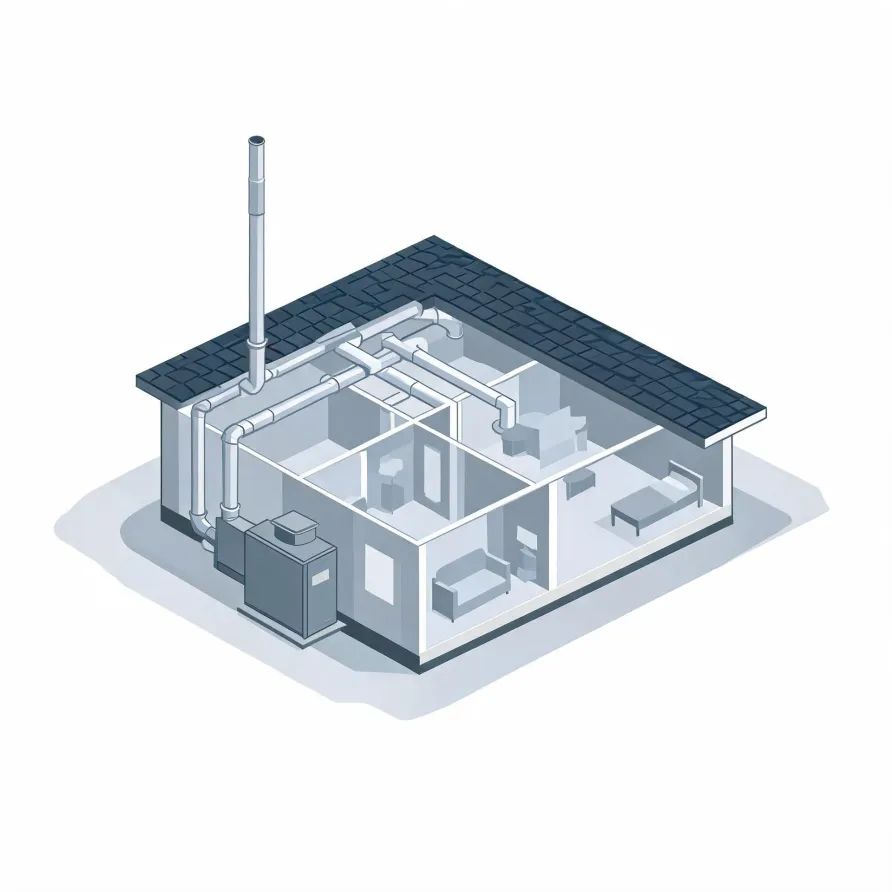
The heat exchanger sits inside the furnace cabinet in the basement or utility room and is where combustion heat transfers into the air your home circulates. When it cracks, you get carbon monoxide risk and the unit often shuts down on safety lockout. The burners sit just below it and are the first thing a contractor looks at when the furnace won't light or runs unevenly.
The inducer motor pulls combustion gases out through the flue before the cycle begins, and a failed inducer is a common reason a furnace short-cycles or throws a pressure switch fault. The blower motor sits at the base of the cabinet and pushes conditioned air into the supply side. The control board ties every component together, and when readings from the other parts don't add up, the board is where a contractor looks last.
The drawing shows a typical furnace layout, and a licensed contractor determines what applies to the specific equipment and configuration in your home.
Get matched in Teller CountyTeller County, by the numbers
249 severe weather events were recorded in Teller County, Colorado between 2015 and 2024.
NOAA National Centers for Environmental Information, Storm Events Database, bulk CSV export, events 2015-01-01 through 2024-12-31.Half the homes in Teller County, Colorado were built in 1990 or earlier (2020-2024 ACS 5-year).
U.S. Census Bureau, 2020-2024 American Community Survey 5-Year EstimatesTeller County, Colorado holds 13,674 housing units (2020-2024 ACS 5-year).
U.S. Census Bureau, 2020-2024 American Community Survey 5-Year EstimatesOwners occupy 81.0% of the occupied homes in Teller County, Colorado (2020-2024 ACS 5-year).
U.S. Census Bureau, 2020-2024 American Community Survey 5-Year EstimatesCodes & Standards Covering Furnace Repair in Teller County, Colorado4 sourced rules and standards
What happens when a contractor comes out to your home
Non-weatherized gas furnaces manufactured on or after November 19, 2015 must reach 80.0 percent AFUE.
Non-weatherized oil-fired furnaces manufactured on or after November 19, 2015 must reach 83.0 percent AFUE.
Mobile home gas furnaces manufactured on or after November 19, 2015 must reach 80.0 percent AFUE.
Non-weatherized gas furnaces manufactured on or after December 18, 2028 must reach 95.0 percent AFUE, up from the 80.0 percent minimum that applies to units manufactured before that date.
Severe Weather Events in Teller County
Teller County's climate puts real stress on furnace components over time. How hard the weather presses on a system shapes what a local contractor sees when the repair calls come in.
249 severe weather events, 2015–2024. Source: NOAA National Centers for Environmental Information, Storm Events Database.