Tell us about the job
Takes about a minute. No obligation.
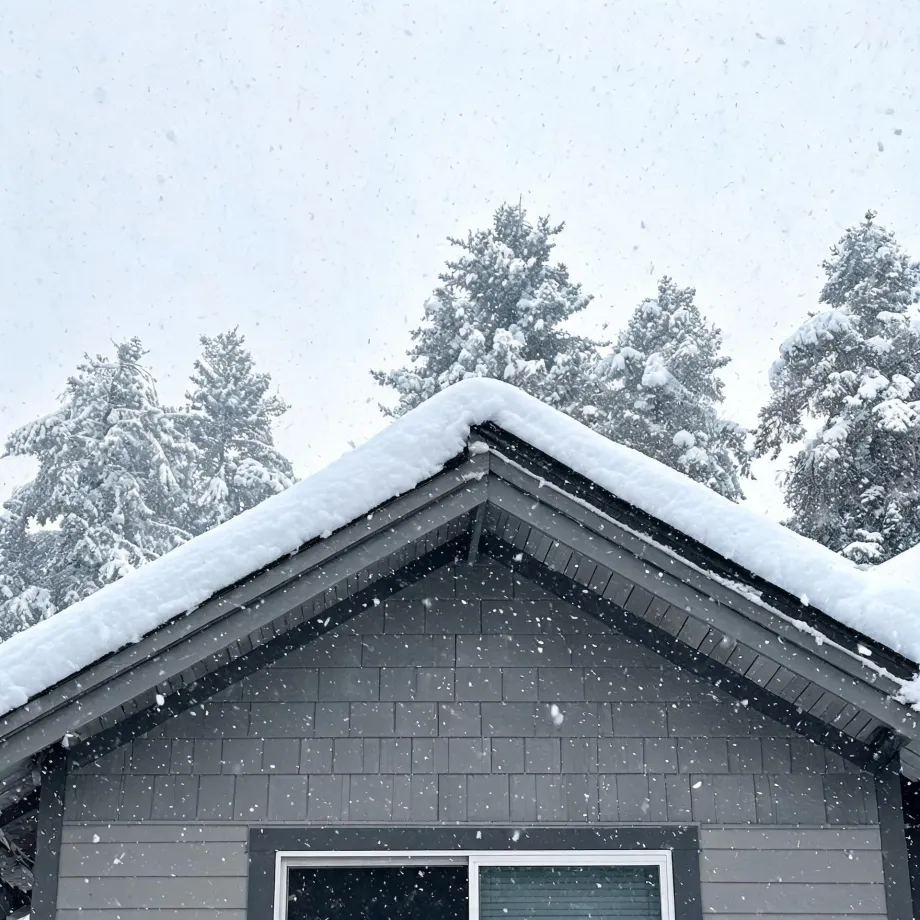
A furnace repair in Douglas County starts with a contractor working out what the equipment has already been through. Homes in Douglas County, CO run heat about nine months a year, from September through May. The burner, the heat exchanger, and the ignition system cycle every time the house calls for heat, and a system running that long accumulates wear on exactly those parts. Cracks in a heat exchanger or a failing igniter are findings a contractor expects to see here, and they shape both what gets replaced and what gets left alone.
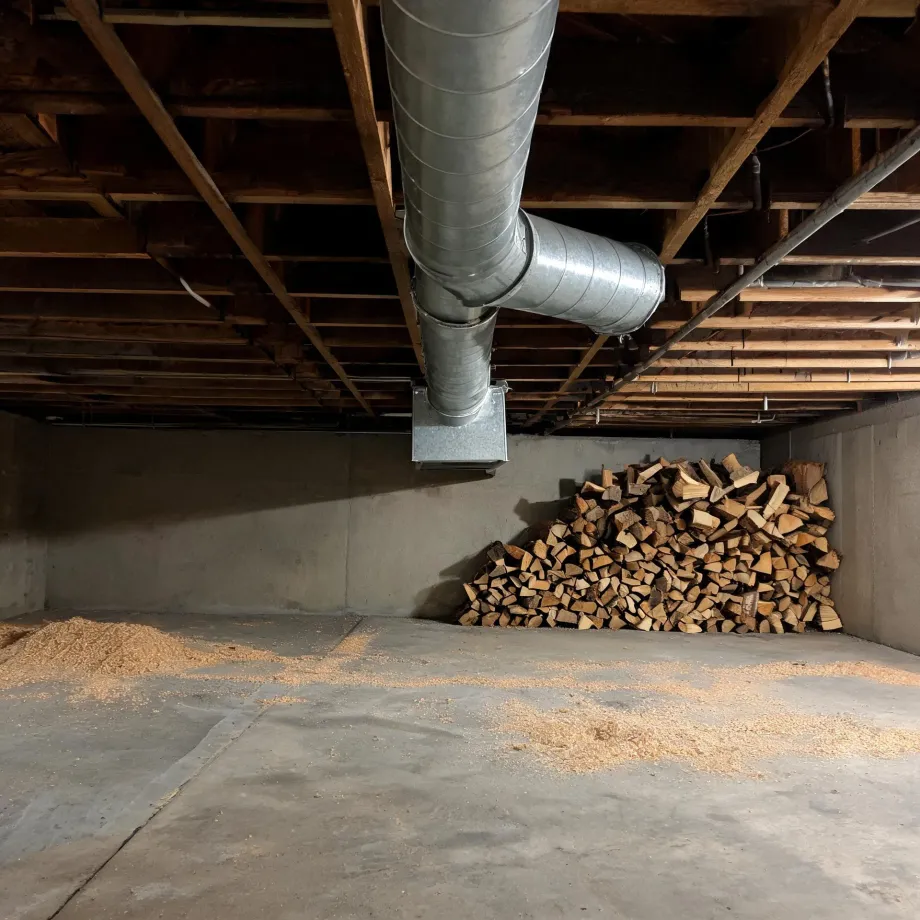
Furnace parts fail for reasons that live inside the unit: a cracked heat exchanger, a failed inducer motor, a pressure switch that has cycled past its limit. What the housing around it adds to that picture is worth knowing before a technician opens anything. Half the homes in Douglas County, Colorado were built in 2002 or earlier (2020-2024 ACS 5-year). That means the ductwork and the wiring feeding a typical furnace here were sized and routed for modern forced-air equipment, and a contractor who pulls a blower assembly or replaces a control board is working in a house that was built to hold what it has. The repair turns on the condition of the components, not on infrastructure that was never meant to carry them.
The Parts of a Furnace a Contractor Checks First
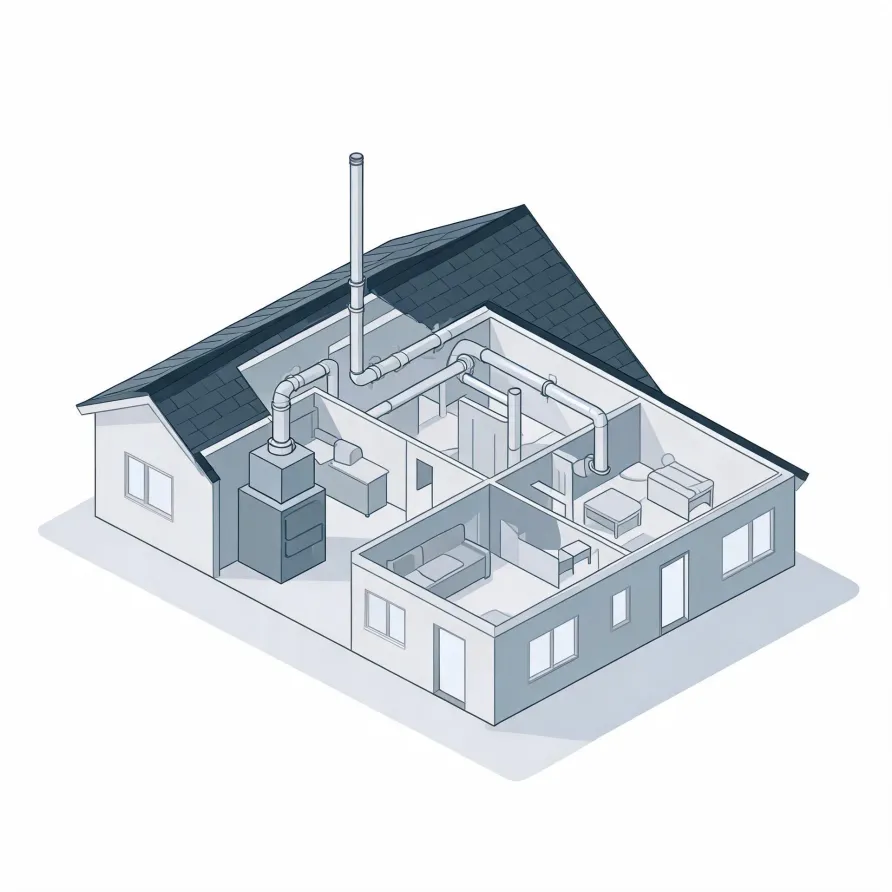
The heat exchanger sits at the core of the furnace cabinet, and it is where a contractor looks early in any repair call. Cracks or corrosion there affect the whole system. The burner assembly feeds that exchanger, and a fault in the igniter, flame sensor, or gas valve usually shows up as a furnace that won't light or won't stay lit.
The blower motor and its fan wheel sit in the lower section of the cabinet and push conditioned air out through the supply side of the house. The control board runs above it, coordinating the sequence of every component. A failed capacitor, a seized motor, or a board that has lost a relay will each stop the furnace in a different way, which is why a contractor works through these pieces in a deliberate order.
The drawing shows a typical furnace layout, and a licensed contractor will determine which components apply to the specific equipment and configuration in your home.
Get matched in Douglas CountyDouglas County, by the numbers
353 severe weather events were recorded in Douglas County, Colorado between 2015 and 2024.
NOAA National Centers for Environmental Information, Storm Events Database, bulk CSV export, events 2015-01-01 through 2024-12-31.Half the homes in Douglas County, Colorado were built in 2002 or earlier (2020-2024 ACS 5-year).
U.S. Census Bureau, 2020-2024 American Community Survey 5-Year EstimatesDouglas County, Colorado holds 144,432 housing units (2020-2024 ACS 5-year).
U.S. Census Bureau, 2020-2024 American Community Survey 5-Year EstimatesOwners occupy 77.4% of the occupied homes in Douglas County, Colorado (2020-2024 ACS 5-year).
U.S. Census Bureau, 2020-2024 American Community Survey 5-Year EstimatesCodes & Standards Covering Furnace Repair in Douglas County, Colorado4 sourced rules and standards
What Happens When a Contractor Comes Out
Non-weatherized gas furnaces manufactured on or after November 19, 2015 must reach 80.0 percent AFUE.
Non-weatherized oil-fired furnaces manufactured on or after November 19, 2015 must reach 83.0 percent AFUE.
Mobile home gas furnaces manufactured on or after November 19, 2015 must reach 80.0 percent AFUE.
Non-weatherized gas furnaces manufactured on or after December 18, 2028 must reach 95.0 percent AFUE, up from the 80.0 percent minimum that applies to units manufactured before that date.
Severe Weather Events in Douglas County
Harsh weather puts real stress on furnace systems, cycling them hard through temperature swings and pressure changes that wear components faster than steady conditions would. How much of that load a furnace carries depends on where it runs, which makes local weather history a practical part of understanding repair demand in Douglas County.
353 severe weather events, 2015–2024. Source: NOAA National Centers for Environmental Information, Storm Events Database.