Tell us about the job
Takes about a minute. No obligation.
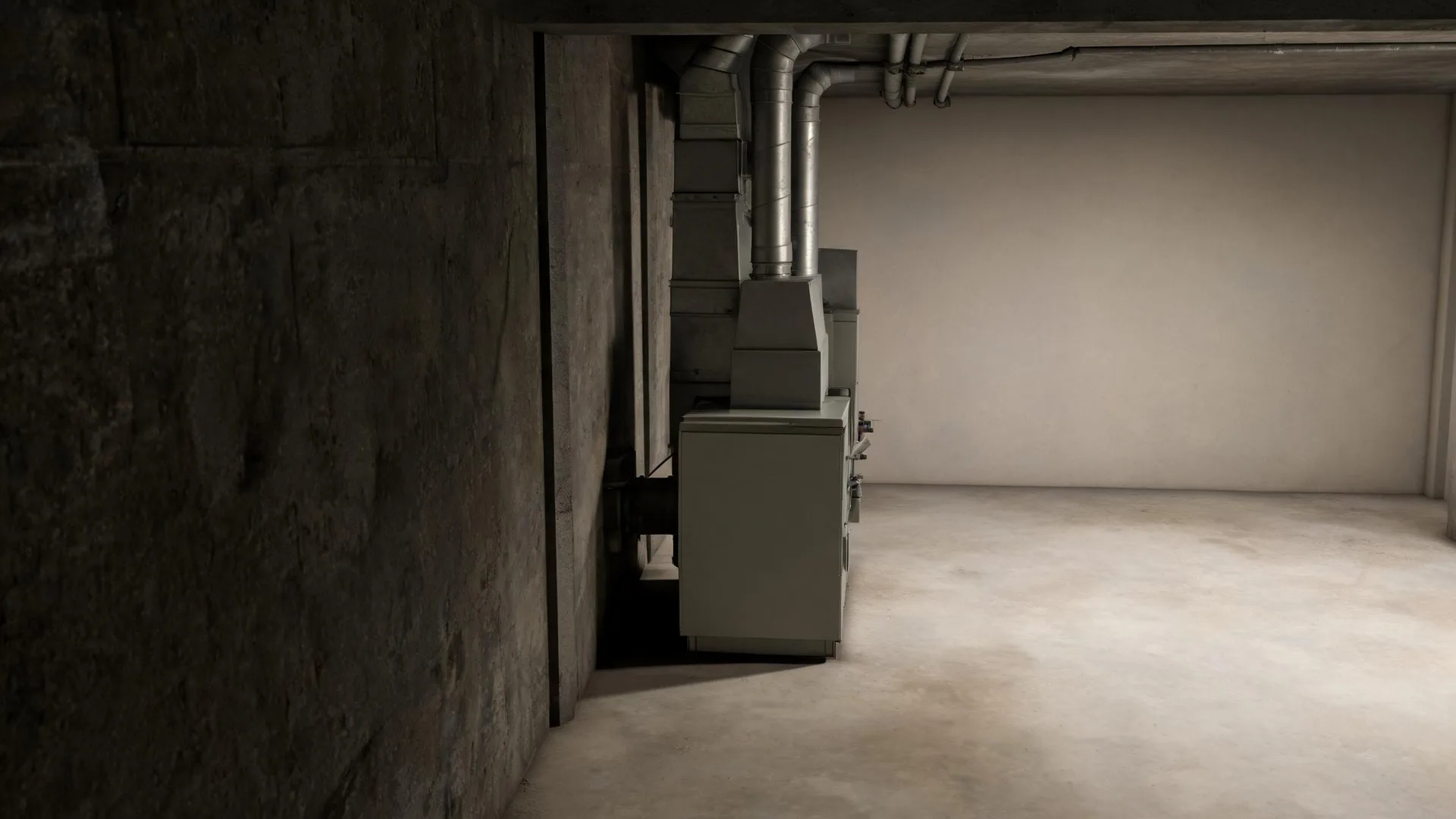
The burner, heat exchanger, and ignition system in a Jefferson County furnace cycle through cold-weather demand before they ever sit idle. Homes in Jefferson County, CO run heat about nine months a year, from September through May. That kind of sustained cycling wears the ignition components and heat exchanger at a pace that shows up in repair calls. A contractor diagnosing a furnace here checks ignition, burner condition, and heat exchanger integrity first, because those are the parts that have been working hardest when the call finally comes in.
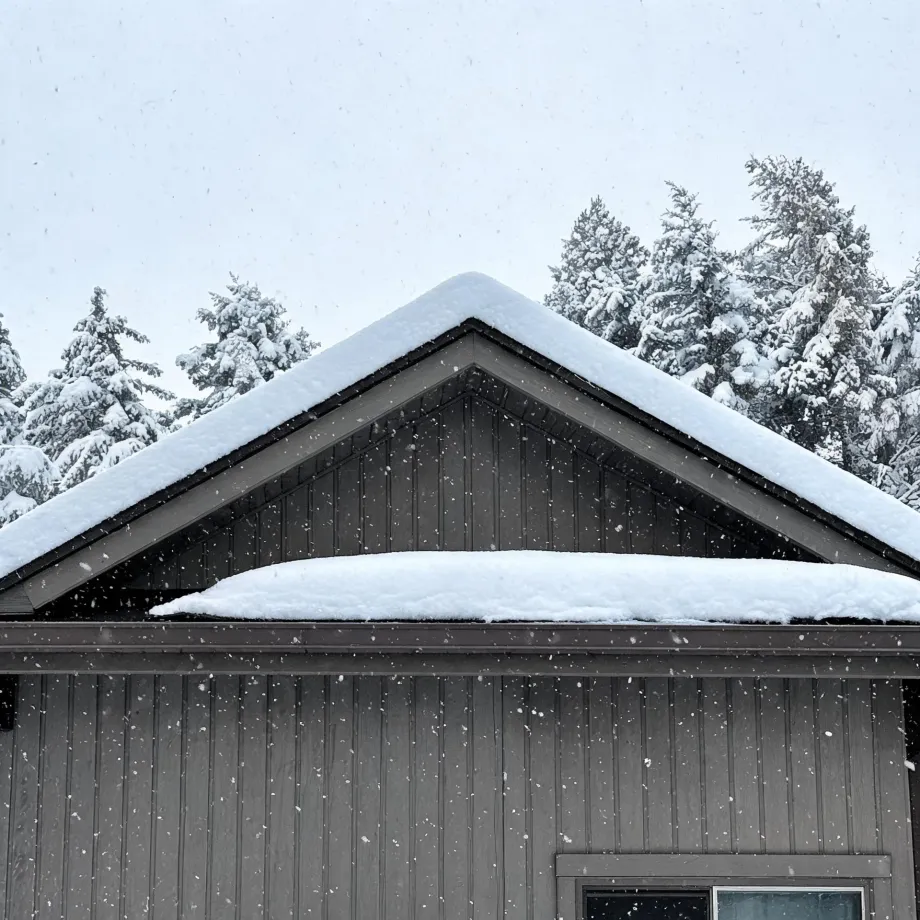
Furnaces in houses this age have often been replaced at least once, sometimes more, and each swap leaves behind a system that is partly original and partly improvised. Half the homes in Jefferson County, Colorado were built in 1980 or earlier (2020-2024 ACS 5-year). That history is what a contractor is sorting through when the panels come off: heat exchangers that have cycled through more winters than their rated life, burner assemblies with replacement parts that do not quite match the original spec, and flue connections that were adapted rather than redesigned. Whether the parts a furnace of this vintage still takes are in production is a real question, and the answer shapes what kind of repair is even on the table.
The Parts of a Furnace a Contractor Checks First
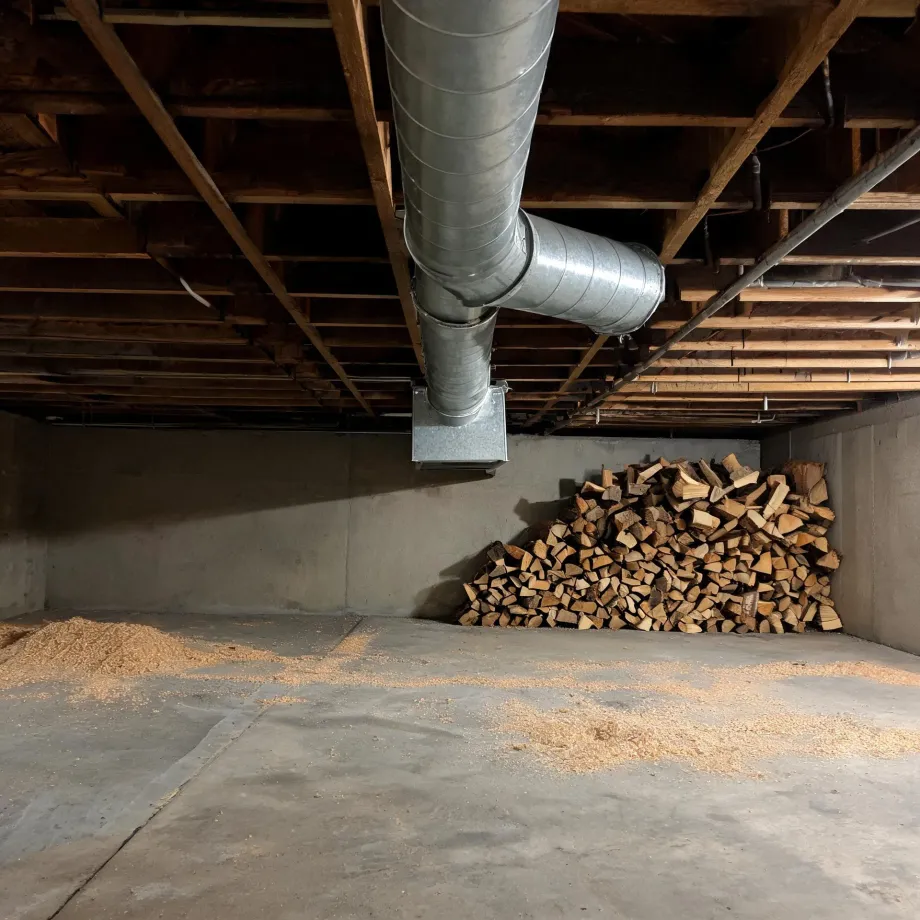
The furnace itself sits in a utility room, basement, or closet and is the first thing a contractor opens up. Inside it, the heat exchanger is the piece most worth understanding: cracks or corrosion there mean combustion gases can reach living air. The burners, which fire beneath the heat exchanger, get checked for uneven flame and buildup that throws off ignition.
The blower motor and its wheel sit at the base of the furnace cabinet and push conditioned air into the supply side of the house. The control board, mounted inside the cabinet, reads signals from the thermostat and tells every other component when to run. A failed board can look like a failed burner, a failed blower, or almost anything else, so contractors work through it carefully.
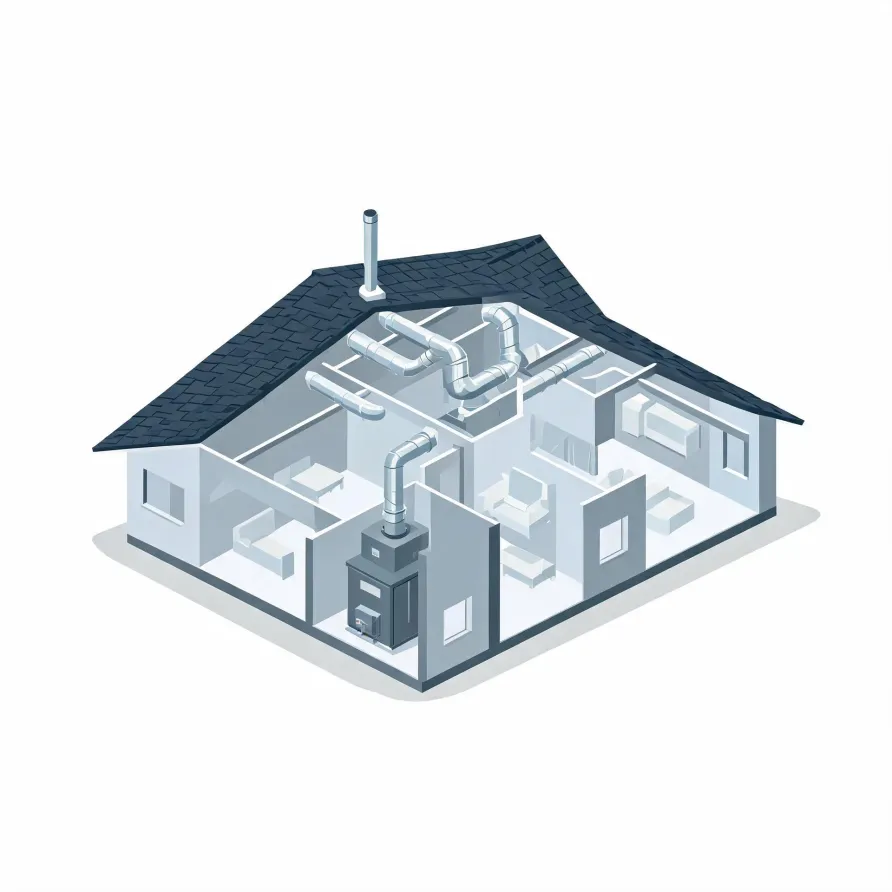
The drawing shows a typical furnace layout, and a licensed contractor determines which components apply to your specific system and what each one needs.
Get matched in Jefferson CountyJefferson County, by the numbers
381 severe weather events were recorded in Jefferson County, Colorado between 2015 and 2024.
NOAA National Centers for Environmental Information, Storm Events Database, bulk CSV export, events 2015-01-01 through 2024-12-31.Half the homes in Jefferson County, Colorado were built in 1980 or earlier (2020-2024 ACS 5-year).
U.S. Census Bureau, 2020-2024 American Community Survey 5-Year EstimatesJefferson County, Colorado holds 253,574 housing units (2020-2024 ACS 5-year).
U.S. Census Bureau, 2020-2024 American Community Survey 5-Year EstimatesOwners occupy 70.7% of the occupied homes in Jefferson County, Colorado (2020-2024 ACS 5-year).
U.S. Census Bureau, 2020-2024 American Community Survey 5-Year EstimatesFurnace Repair Rules & Standards on Record for Jefferson County, Colorado4 codes, standards, and licensing rules
What Happens When a Contractor Comes Out
Non-weatherized gas furnaces manufactured on or after November 19, 2015 must reach 80.0 percent AFUE.
Non-weatherized oil-fired furnaces manufactured on or after November 19, 2015 must reach 83.0 percent AFUE.
Mobile home gas furnaces manufactured on or after November 19, 2015 must reach 80.0 percent AFUE.
Non-weatherized gas furnaces manufactured on or after December 18, 2028 must reach 95.0 percent AFUE, up from the 80.0 percent minimum that applies to units manufactured before that date.
Severe Weather Events in Jefferson County
Extreme weather puts a direct load on furnace systems, pushing them to run harder and longer than conditions in calmer years demand. How much of that stress a furnace in Jefferson County absorbs is a local question, and the record below shows what the equipment here has been working against.
381 severe weather events, 2015–2024. Source: NOAA National Centers for Environmental Information, Storm Events Database.