Tell us about the job
Takes about a minute. No obligation.
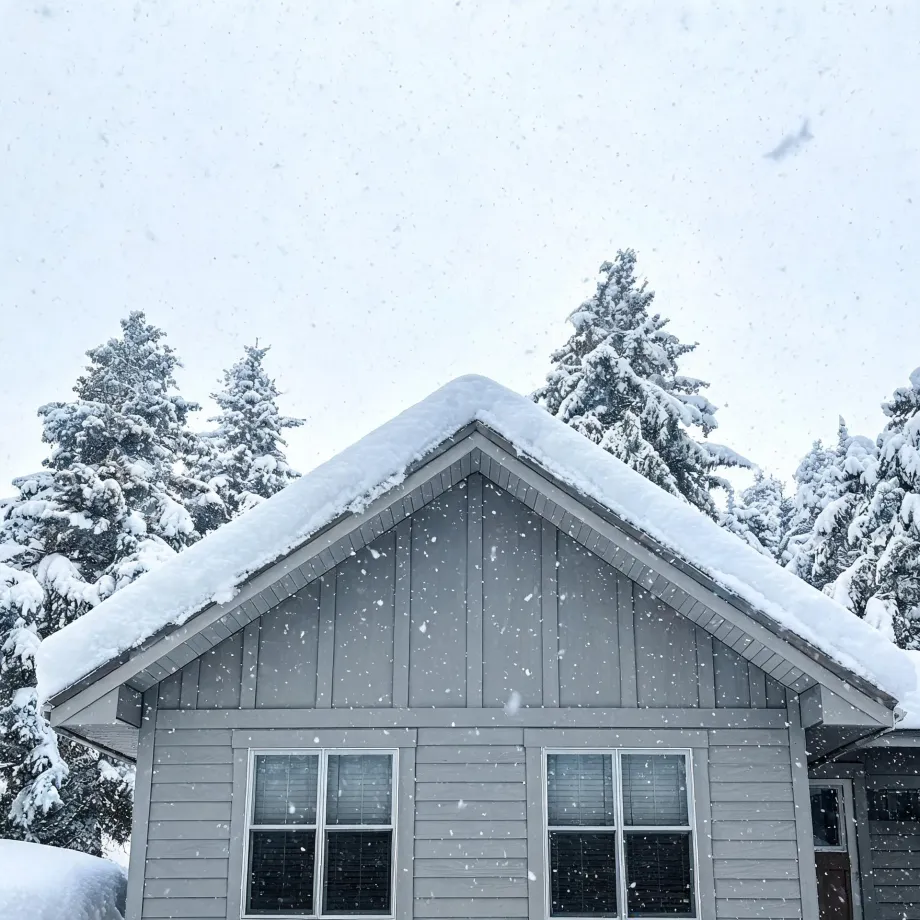
A furnace in Fremont County runs its burner, heat exchanger, and ignition system hard. Homes in Fremont County, CO run heat about nine months a year, from September through May. Each cycling season piles wear onto the same set of parts, and the heat exchanger and ignition components absorb most of it. By the time a furnace fails, a contractor will usually find the damage concentrated there, not spread evenly across the unit. A contractor quoting a repair checks those components first, because that is where the load history shows up.
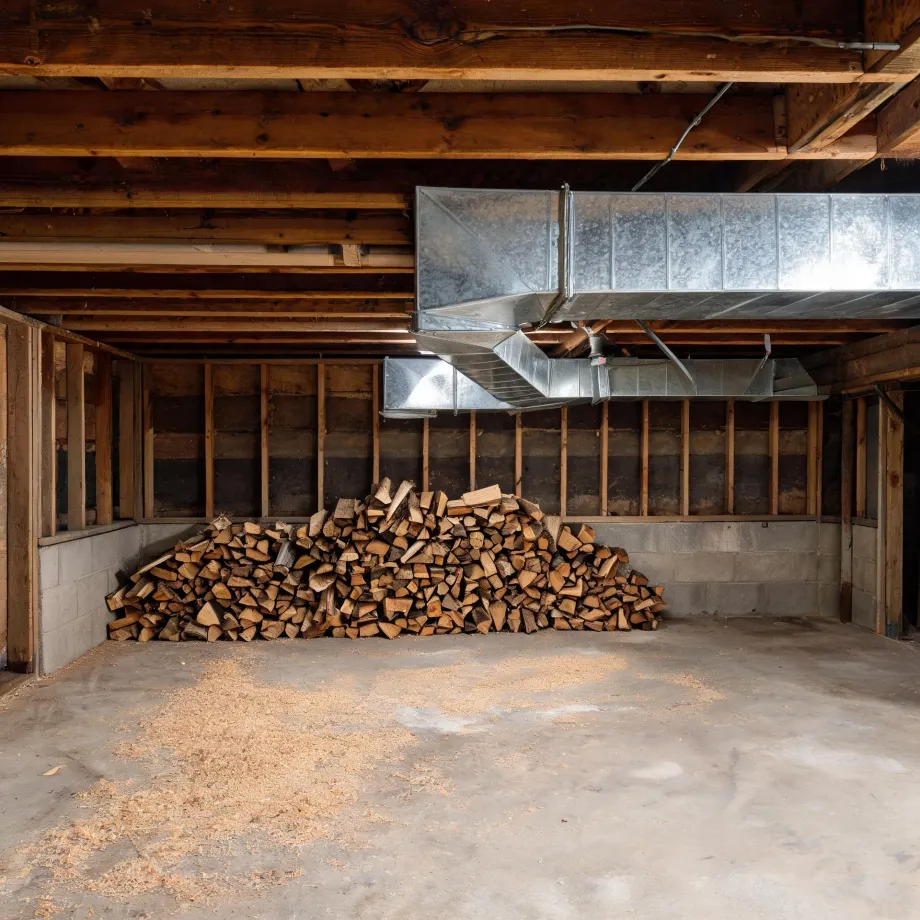
Furnaces that have run through this many heating seasons accumulate a specific kind of repair problem: the components a contractor pulls out are often from product lines that manufacturers stopped supporting years ago, and finding a compatible replacement is the first thing that has to be settled before the job can move. Half the homes in Fremont County, Colorado were built in 1981 or earlier (2020-2024 ACS 5-year). A contractor opening a furnace in a house like this checks part numbers against what is still manufactured, because a unit that otherwise has good bones can stall on a single discontinued board or heat exchanger. That search decides the repair scope before labor or anything else does.
The Parts of a Furnace a Contractor Checks First
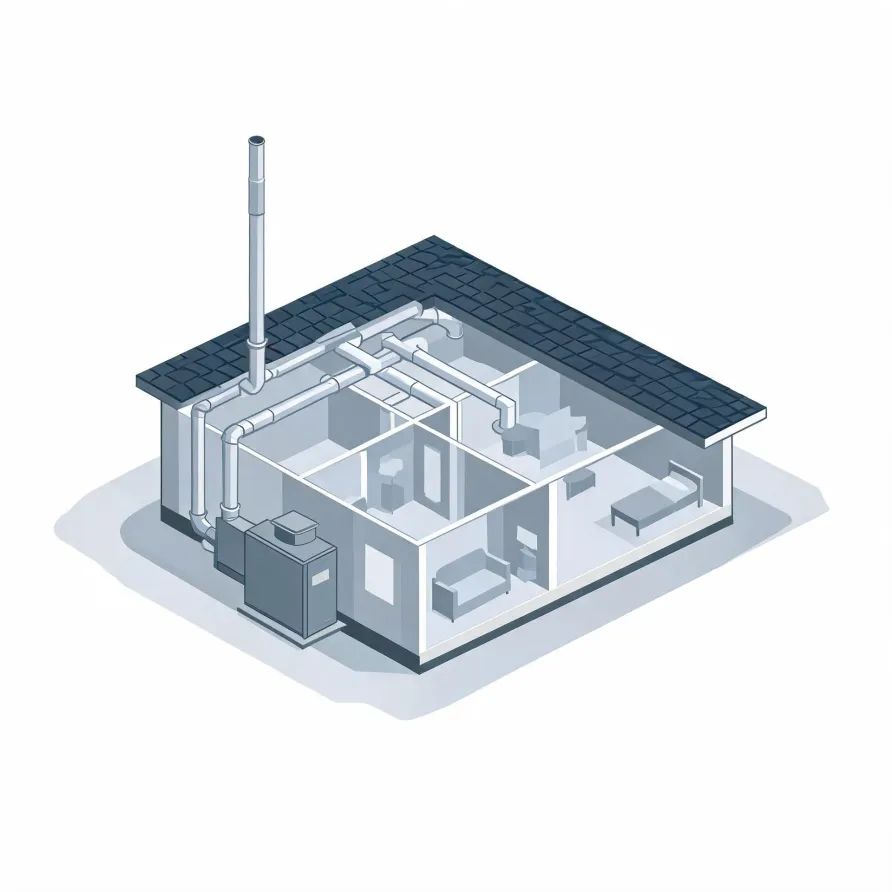
The heat exchanger sits at the core of the furnace cabinet in the basement or utility room, and it is where combustion heat transfers to the air your home circulates. When it cracks or corrodes, the furnace either shuts itself down or passes combustion gases into the living space. The burners sit just below it, and a contractor looks at them early when the system is producing weak heat or failing to ignite.
The blower motor and its fan wheel sit in the lower half of the cabinet and push conditioned air out into the supply side of the house. The inducer motor pulls combustion gases toward the flue at the start of each cycle, and the control board coordinates the timing of every component in the sequence. A fault in any of these shows up as a lockout code, an unusual sound, or a cycle that starts and stops before the house reaches temperature.
The drawing shows a typical furnace layout, and a licensed contractor determines which components apply to the specific equipment and installation in your home.
Get matched in Fremont CountyFremont County, by the numbers
487 severe weather events were recorded in Fremont County, Colorado between 2015 and 2024.
NOAA National Centers for Environmental Information, Storm Events Database, bulk CSV export, events 2015-01-01 through 2024-12-31.Half the homes in Fremont County, Colorado were built in 1981 or earlier (2020-2024 ACS 5-year).
U.S. Census Bureau, 2020-2024 American Community Survey 5-Year EstimatesFremont County, Colorado holds 20,605 housing units (2020-2024 ACS 5-year).
U.S. Census Bureau, 2020-2024 American Community Survey 5-Year EstimatesOwners occupy 75.6% of the occupied homes in Fremont County, Colorado (2020-2024 ACS 5-year).
U.S. Census Bureau, 2020-2024 American Community Survey 5-Year EstimatesCodes & Standards for Furnace Repair in Fremont County, Colorado4 sourced rules & standards
What happens when a contractor comes out to your home
Non-weatherized gas furnaces manufactured on or after November 19, 2015 must reach 80.0 percent AFUE.
Non-weatherized oil-fired furnaces manufactured on or after November 19, 2015 must reach 83.0 percent AFUE.
Mobile home gas furnaces manufactured on or after November 19, 2015 must reach 80.0 percent AFUE.
Non-weatherized gas furnaces manufactured on or after December 18, 2028 must reach 95.0 percent AFUE, up from the 80.0 percent minimum that applies to units manufactured before that date.
Severe Weather Events in Fremont County
Fremont County's climate puts real demands on heating equipment, and those demands compound over time with every weather event that forces a furnace to work harder or longer. Repair needs here are shaped by local conditions, which is why the record below is part of the picture.
487 severe weather events, 2015–2024. Source: NOAA National Centers for Environmental Information, Storm Events Database.