Tell us about the job
Takes about a minute. No obligation.
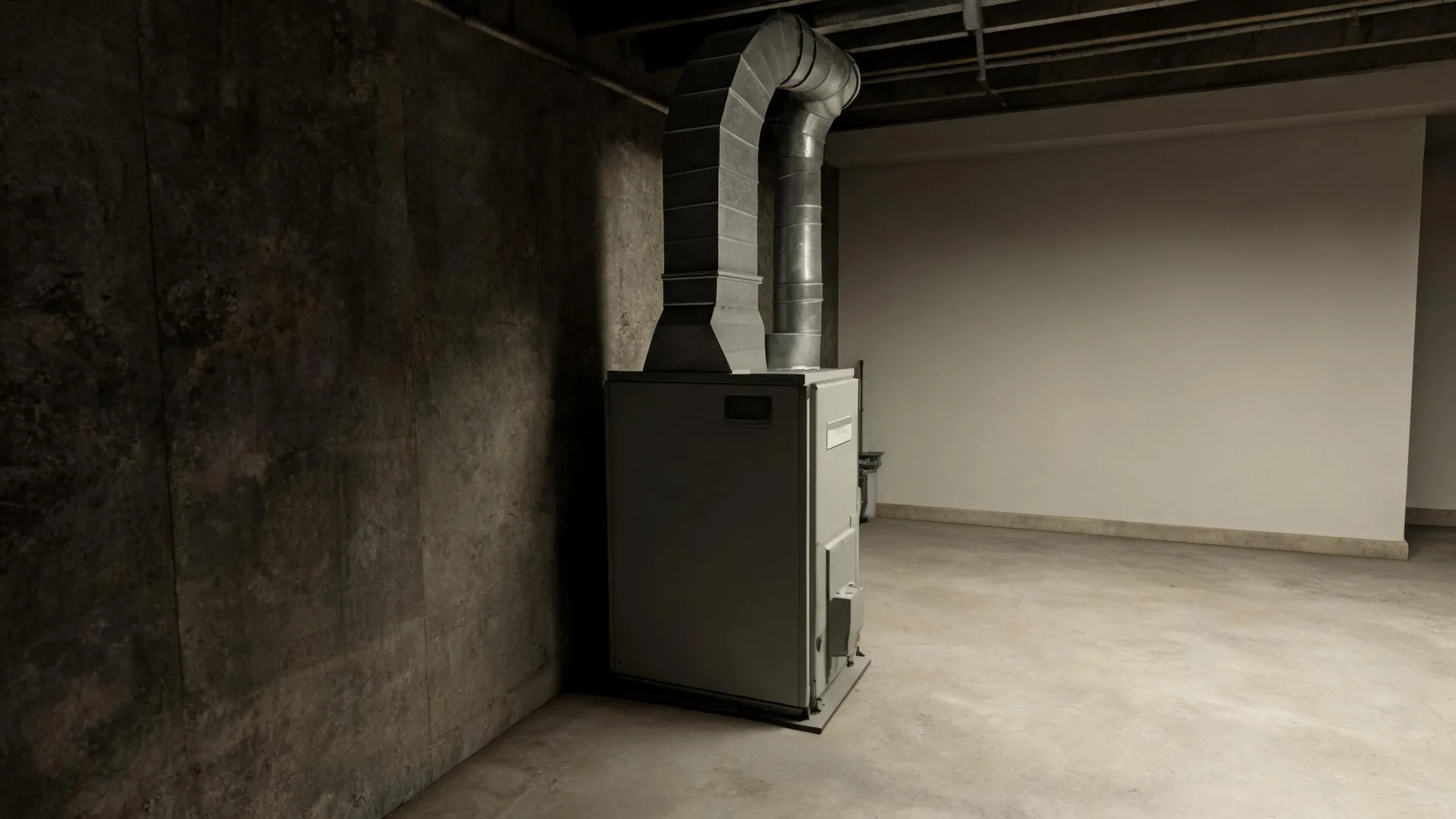
A furnace repair in Pueblo County starts with the parts that do the actual work: the burner, the heat exchanger, and the ignition system. Homes in Pueblo County, CO run heat about eight months a year, from October through May. That runtime accumulates in the components that cycle on and off every time the thermostat calls for heat. Cracks in heat exchangers, worn ignitors, and burner assemblies fouled by repeated combustion are what a contractor finds first on a system with that kind of service history behind it. Installation mistakes matter, but fatigue on the cycling parts is the more common answer.
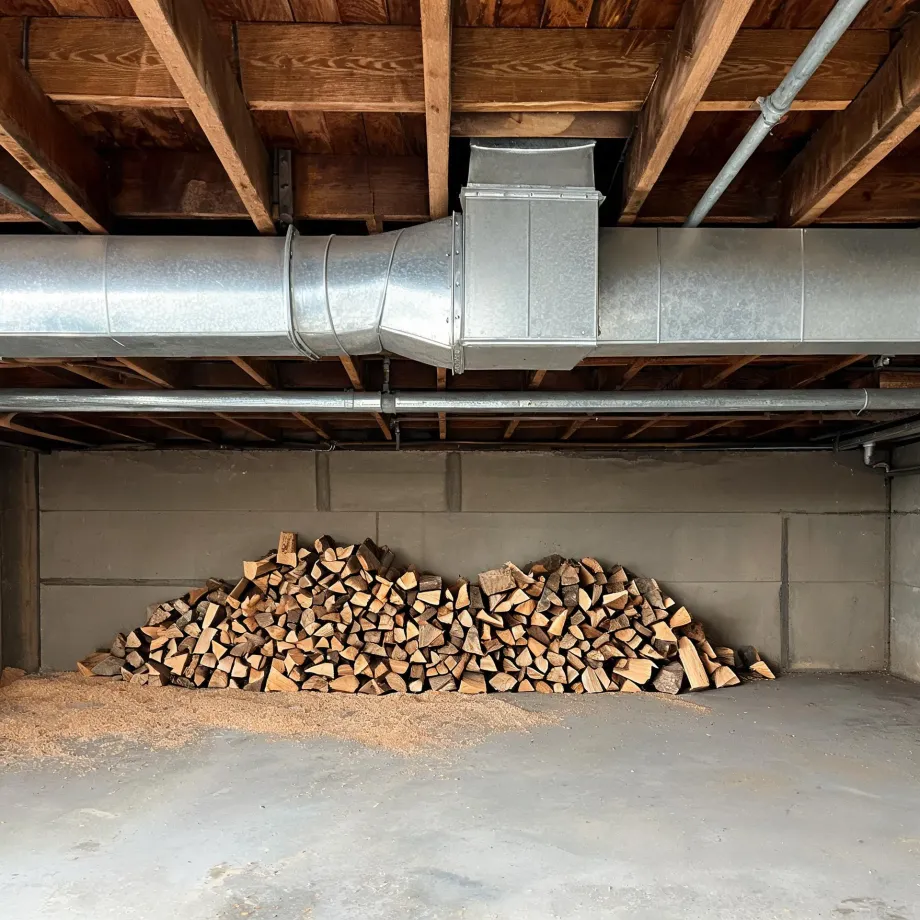
Ductwork in a house this old was designed around a furnace that is probably long gone. Whatever is running now was fitted into what the original build left behind, and the seams, the sizing, and the insulation around those ducts reflect the first system, not the current one. Half the homes in Pueblo County, Colorado were built in 1974 or earlier (2020-2024 ACS 5-year). When a furnace fault shows up, a contractor pulling the unit apart finds two separate questions: what failed in the equipment, and what condition the duct runs behind the walls are actually in. Those answers do not arrive together, and the second one is where the repair scope widens.
The Parts of a Furnace a Contractor Checks First
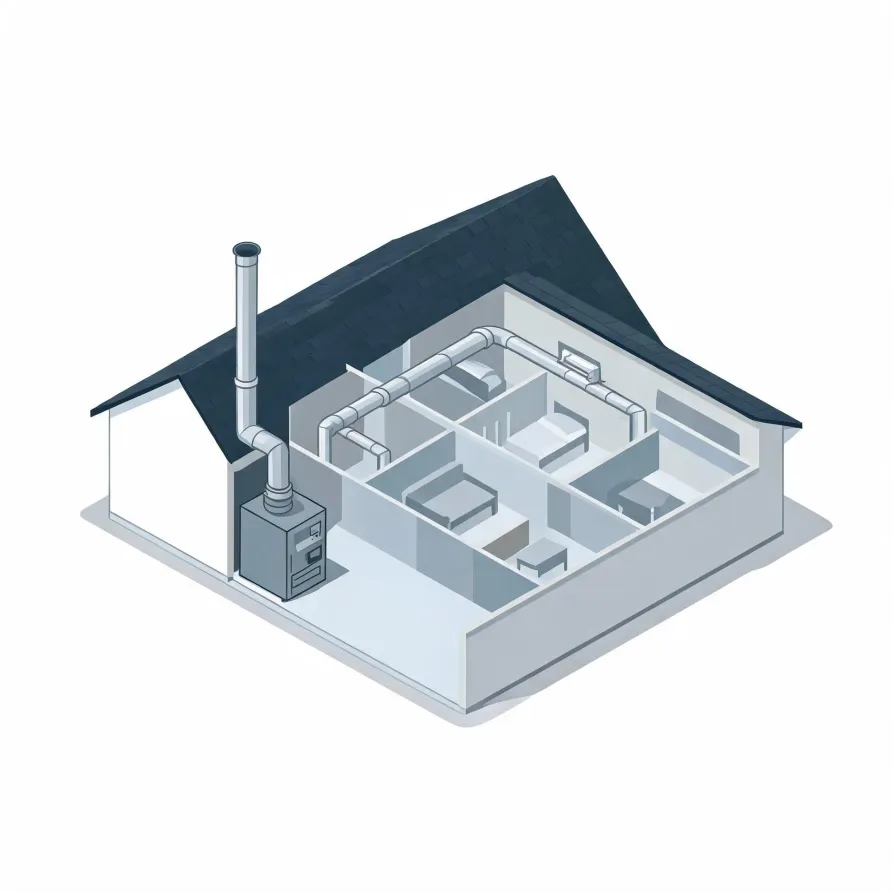
The furnace itself sits in the basement, utility room, or closet and is the first thing a contractor looks at. Inside it, the heat exchanger, burners, and ignitor are the usual suspects when heat stops arriving. A cracked heat exchanger or a failed ignitor will each shut the system down in its own way.
The blower motor pushes conditioned air out through the supply side and draws return air back in. The flue pipe runs from the top or rear of the furnace to an exterior wall or roof and carries combustion exhaust out of the house. The control board ties the whole sequence together, and a fault there can mimic problems that actually belong elsewhere.
The drawing shows a typical layout, and a licensed contractor determines which parts and configurations apply to your specific home.
Get matched in Pueblo CountyPueblo County, by the numbers
552 severe weather events were recorded in Pueblo County, Colorado between 2015 and 2024.
NOAA National Centers for Environmental Information, Storm Events Database, bulk CSV export, events 2015-01-01 through 2024-12-31.Half the homes in Pueblo County, Colorado were built in 1974 or earlier (2020-2024 ACS 5-year).
U.S. Census Bureau, 2020-2024 American Community Survey 5-Year EstimatesPueblo County, Colorado holds 73,646 housing units (2020-2024 ACS 5-year).
U.S. Census Bureau, 2020-2024 American Community Survey 5-Year EstimatesOwners occupy 68.9% of the occupied homes in Pueblo County, Colorado (2020-2024 ACS 5-year).
U.S. Census Bureau, 2020-2024 American Community Survey 5-Year EstimatesFurnace Repair Rules & Standards on Record for Pueblo County, Colorado4 codes, licenses & standards
What HVAC Repair Looks Like in Pueblo County
Non-weatherized gas furnaces manufactured on or after November 19, 2015 must reach 80.0 percent AFUE.
Non-weatherized oil-fired furnaces manufactured on or after November 19, 2015 must reach 83.0 percent AFUE.
Mobile home gas furnaces manufactured on or after November 19, 2015 must reach 80.0 percent AFUE.
Non-weatherized gas furnaces manufactured on or after December 18, 2028 must reach 95.0 percent AFUE, up from the 80.0 percent minimum that applies to units manufactured before that date.
Severe Weather Events in Pueblo County
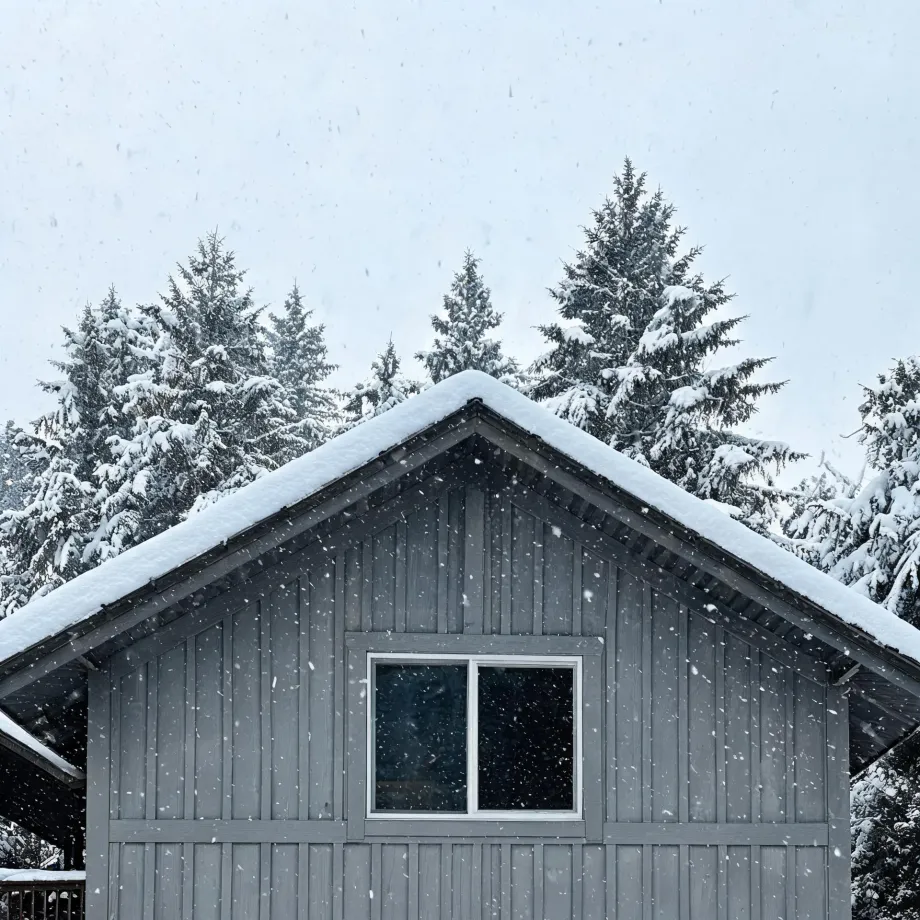
Pueblo County's climate puts real stress on furnaces. Repair frequency tracks closely with how hard local weather pushes heating equipment, which is why the pattern of severe weather events here is a practical backdrop to any conversation about keeping a furnace running.
552 severe weather events, 2015–2024. Source: NOAA National Centers for Environmental Information, Storm Events Database.