Tell us about the job
Takes about a minute. No obligation.
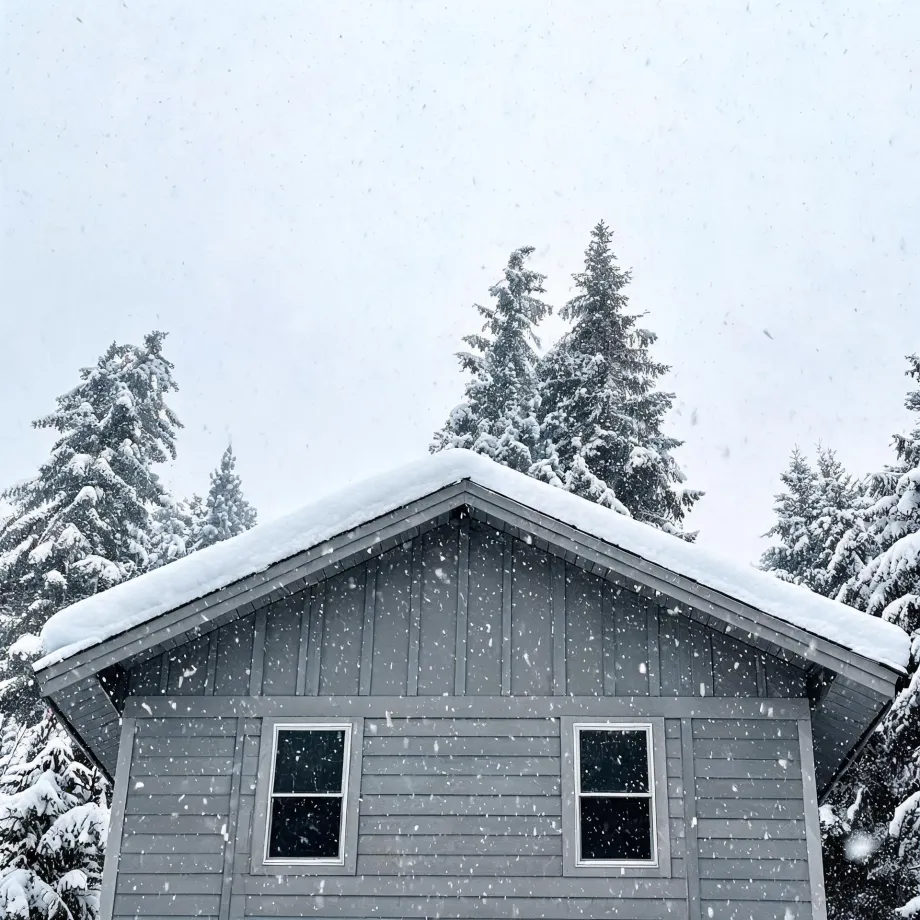
Homes in Larimer County, CO run heat about ten months a year, from September through June. The burner and ignition system cycle every time the furnace fires, and over a season that long, that cycling adds up in metal fatigue, carbon buildup, and worn igniter contacts. A contractor pulling a furnace apart here will often find the heat exchanger flagged first, but the igniter and flame sensor have frequently degraded further. Those parts are cheaper to replace and more likely to be the actual fault. The heat exchanger gets the attention; the ignition system earns it.
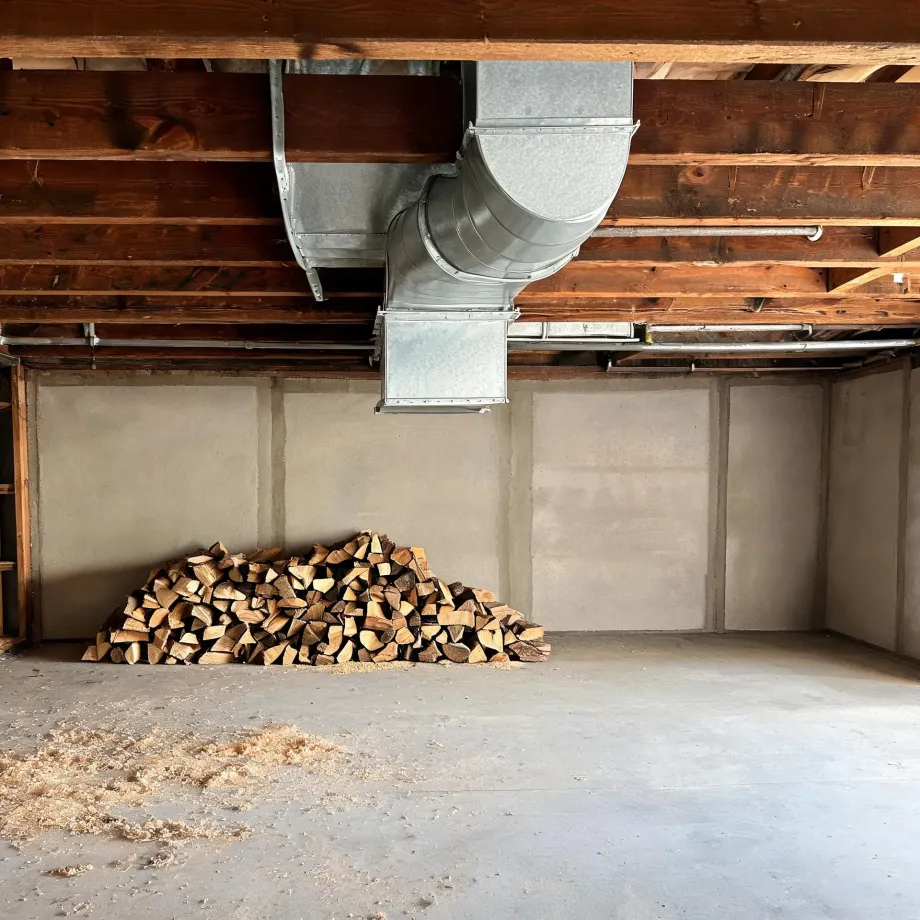
Furnace systems in housing this old have often run through more than one equipment change, and what a contractor opens up does not always match what the permit history says. Half the homes in Larimer County, Colorado were built in 1993 or earlier (2020-2024 ACS 5-year). That matters on a repair call because the parts a system of that vintage takes may sit at the edge of what distributors still carry, and a technician pulling a cracked heat exchanger or a failed inducer motor has to confirm availability before the repair scope is settled, not after.
The Parts of a Furnace a Contractor Checks First
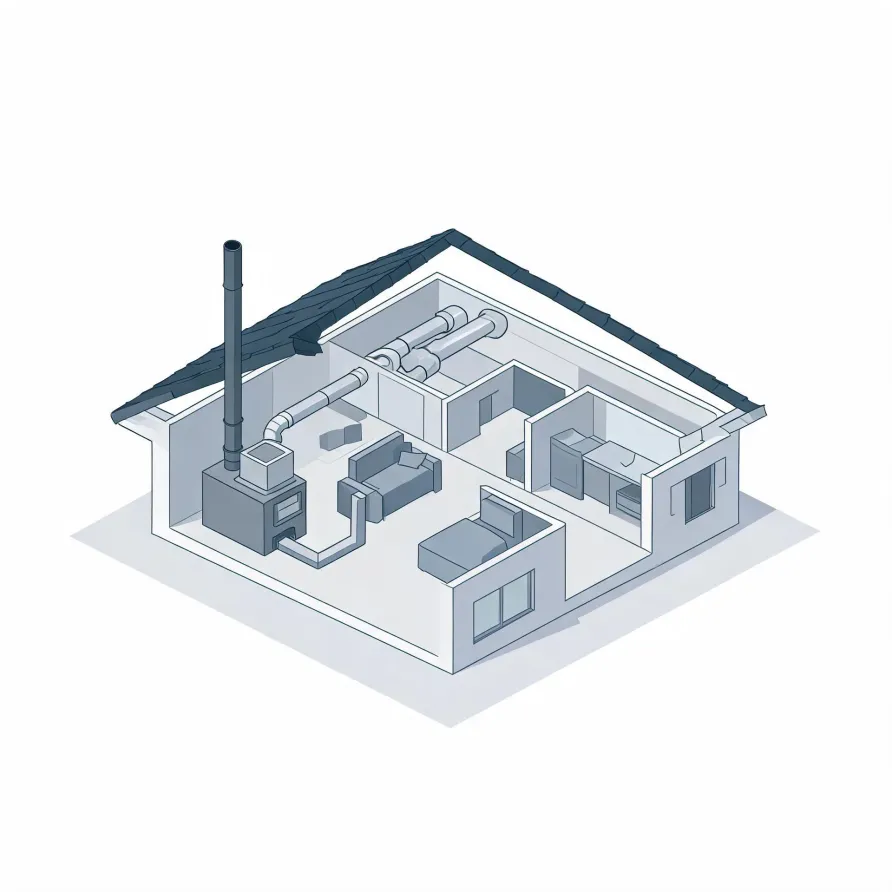
The heat exchanger sits at the core of the furnace cabinet, taking combustion heat and transferring it to the air moving through the system. A crack or failure there is serious. The burners, which produce the flame that heats the exchanger, are another place a contractor looks early when a furnace is not performing.
The blower motor and its fan wheel sit in the lower section of the cabinet and push conditioned air out through the supply side of the house. The igniter, the flame sensor, and the control board are smaller components that govern startup and operation. Any one of them can stop a furnace cold.
The drawing shows a typical furnace layout, and a licensed contractor determines which parts apply and what work is needed in your specific home.
Get matched in Larimer CountyLarimer County, by the numbers
359 severe weather events were recorded in Larimer County, Colorado between 2015 and 2024.
NOAA National Centers for Environmental Information, Storm Events Database, bulk CSV export, events 2015-01-01 through 2024-12-31.Half the homes in Larimer County, Colorado were built in 1993 or earlier (2020-2024 ACS 5-year).
U.S. Census Bureau, 2020-2024 American Community Survey 5-Year EstimatesLarimer County, Colorado holds 164,690 housing units (2020-2024 ACS 5-year).
U.S. Census Bureau, 2020-2024 American Community Survey 5-Year EstimatesOwners occupy 64.0% of the occupied homes in Larimer County, Colorado (2020-2024 ACS 5-year).
U.S. Census Bureau, 2020-2024 American Community Survey 5-Year EstimatesCodes & Standards Governing Furnace Repair in Larimer County, Colorado4 sourced rules & standards
What the repair visit looks like
Non-weatherized gas furnaces manufactured on or after November 19, 2015 must reach 80.0 percent AFUE.
Non-weatherized oil-fired furnaces manufactured on or after November 19, 2015 must reach 83.0 percent AFUE.
Mobile home gas furnaces manufactured on or after November 19, 2015 must reach 80.0 percent AFUE.
Non-weatherized gas furnaces manufactured on or after December 18, 2028 must reach 95.0 percent AFUE, up from the 80.0 percent minimum that applies to units manufactured before that date.
Severe Weather Events in Larimer County
Extreme weather puts real stress on furnace systems, forcing them to run harder and longer than they were sized to handle. How often that happens here shapes how much wear local equipment accumulates, which is why repair demand in Larimer County follows the weather.
359 severe weather events, 2015–2024. Source: NOAA National Centers for Environmental Information, Storm Events Database.