Tell us about the job
Takes about a minute. No obligation.
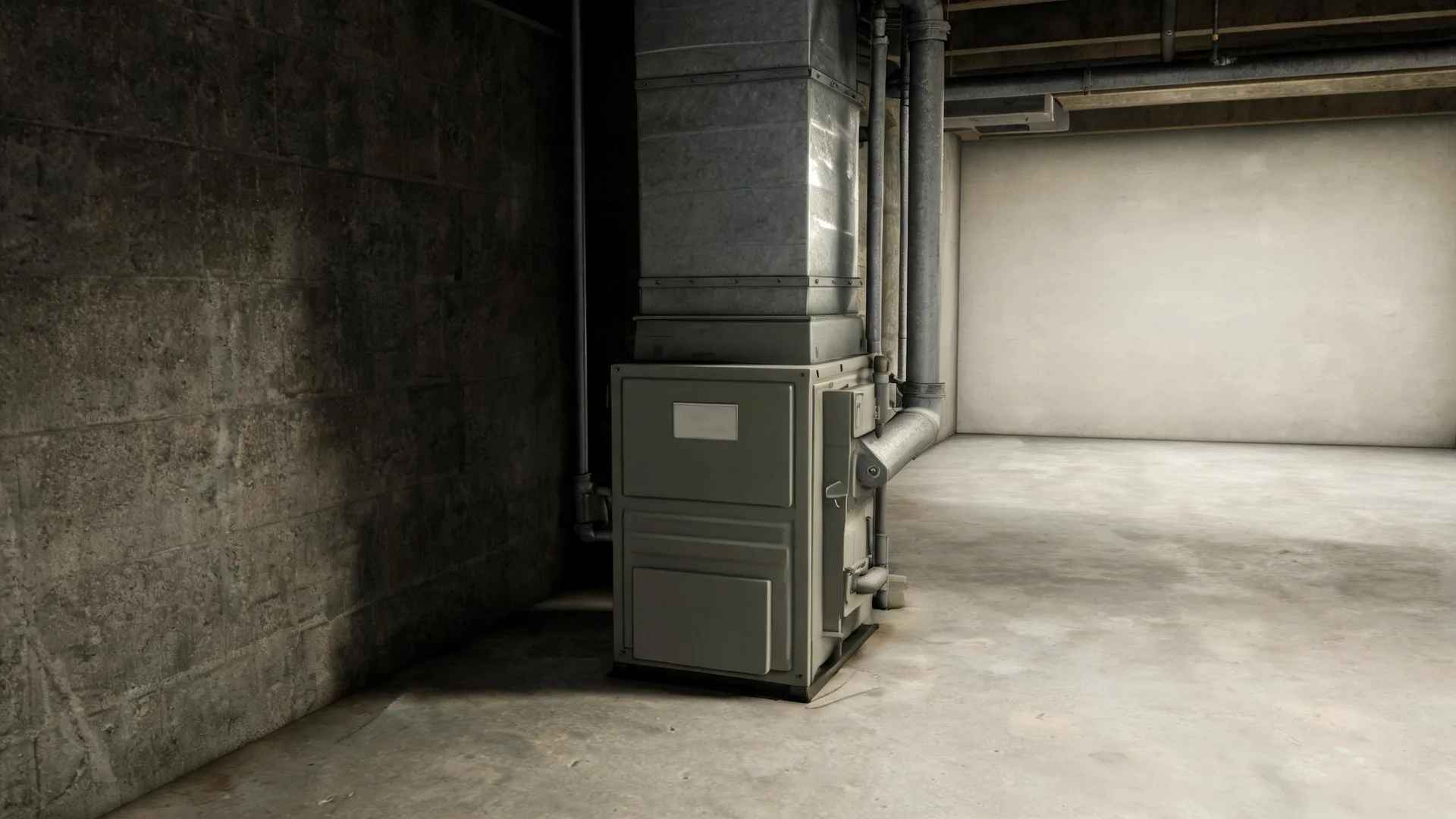
Homes in Grand County, CO run heat in every month of the year. A furnace that cycles year-round puts steady accumulation on the heat exchanger, the burner, and the ignition system in a way that seasonal equipment never sees. When a contractor opens a furnace here, the ignition components and the heat exchanger are where the evidence of that load shows up first. Cracks in the exchanger and igniter degradation are not incidental findings in Grand County repairs; they are the expected ones.
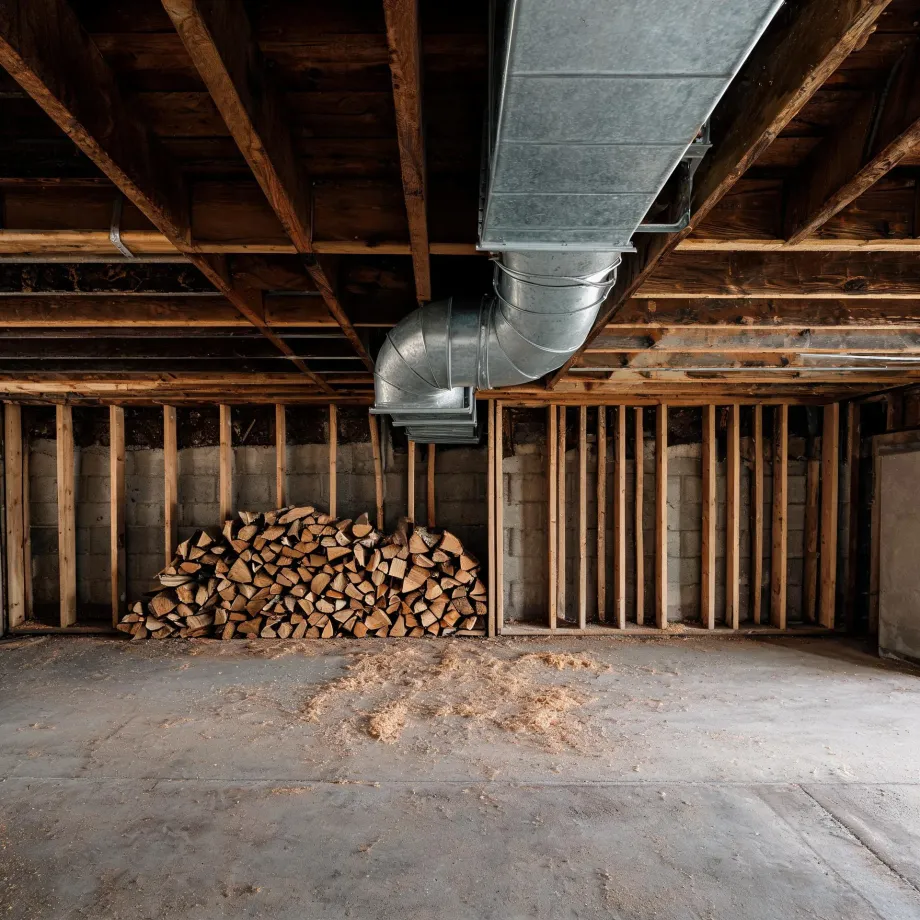
Ductwork in this part of Colorado has often served more than one furnace, patched and adapted each time a system turned over. What a contractor finds once the heat exchanger and plenum connections are open can differ sharply from what the thermostat complaint suggested. Half the homes in Grand County, Colorado were built in 1990 or earlier (2020-2024 ACS 5-year). That spread across the housing stock means a repair quote assembled before the cabinet is opened is priced against assumptions, and assumptions here run in a wide range. A contractor who opens the system first prices the actual fault.
The Parts of a Furnace a Contractor Checks First
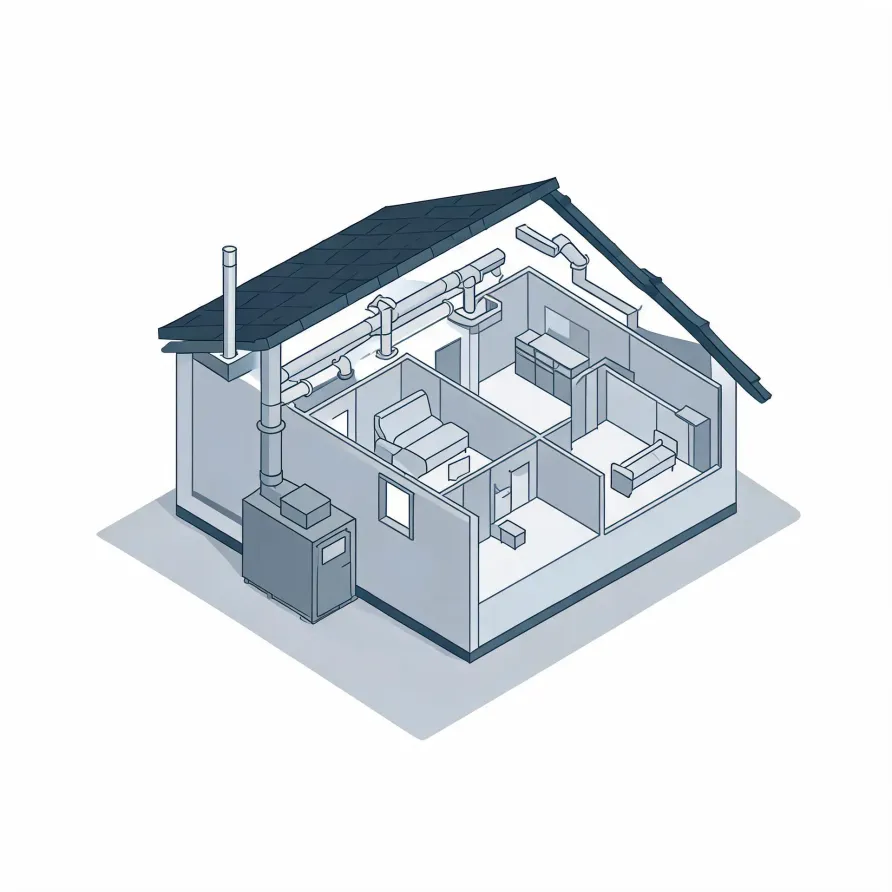
The heat exchanger sits at the core of the furnace cabinet and is the piece a contractor goes to early. Cracks or holes there let combustion gases into the airstream, so when one fails, the whole unit typically shuts down on safety. The burners sit just below it and are the first stop when a furnace runs but produces no heat.
The blower motor and its wheel sit in the lower cabinet and push conditioned air out through the supply side of your duct system. The inducer motor pulls exhaust gases out before ignition begins, and when it fails, the furnace will not light at all. The control board ties every component together and is what a contractor reads for fault codes when the sequence of events breaks down somewhere.
The drawing shows the general layout of a furnace system, and a licensed contractor determines which components apply and what work is needed in your particular home.
Get matched in Grand CountyGrand County, Colorado, by the numbers
196 severe weather events were recorded in Grand County, Colorado between 2015 and 2024.
NOAA National Centers for Environmental Information, Storm Events Database, bulk CSV export, events 2015-01-01 through 2024-12-31.Half the homes in Grand County, Colorado were built in 1990 or earlier (2020-2024 ACS 5-year).
U.S. Census Bureau, 2020-2024 American Community Survey 5-Year EstimatesGrand County, Colorado holds 17,421 housing units (2020-2024 ACS 5-year).
U.S. Census Bureau, 2020-2024 American Community Survey 5-Year EstimatesOwners occupy 73.4% of the occupied homes in Grand County, Colorado (2020-2024 ACS 5-year).
U.S. Census Bureau, 2020-2024 American Community Survey 5-Year EstimatesCodes & Standards That Apply to Furnace Repair in Grand County, Colorado4 sourced rules and standards
What HVAC Repair Looks Like in Grand County
Non-weatherized gas furnaces manufactured on or after November 19, 2015 must reach 80.0 percent AFUE.
Non-weatherized oil-fired furnaces manufactured on or after November 19, 2015 must reach 83.0 percent AFUE.
Mobile home gas furnaces manufactured on or after November 19, 2015 must reach 80.0 percent AFUE.
Non-weatherized gas furnaces manufactured on or after December 18, 2028 must reach 95.0 percent AFUE, up from the 80.0 percent minimum that applies to units manufactured before that date.
Severe Weather Events in Grand County
Grand County's climate puts real strain on furnaces, and that strain compounds every time conditions outside push a system past its normal operating range. Weather history shapes how hard local equipment works, which is why it belongs on a page about repair.
196 severe weather events, 2015–2024. Source: NOAA National Centers for Environmental Information, Storm Events Database.