Tell us about the job
Takes about a minute. No obligation.
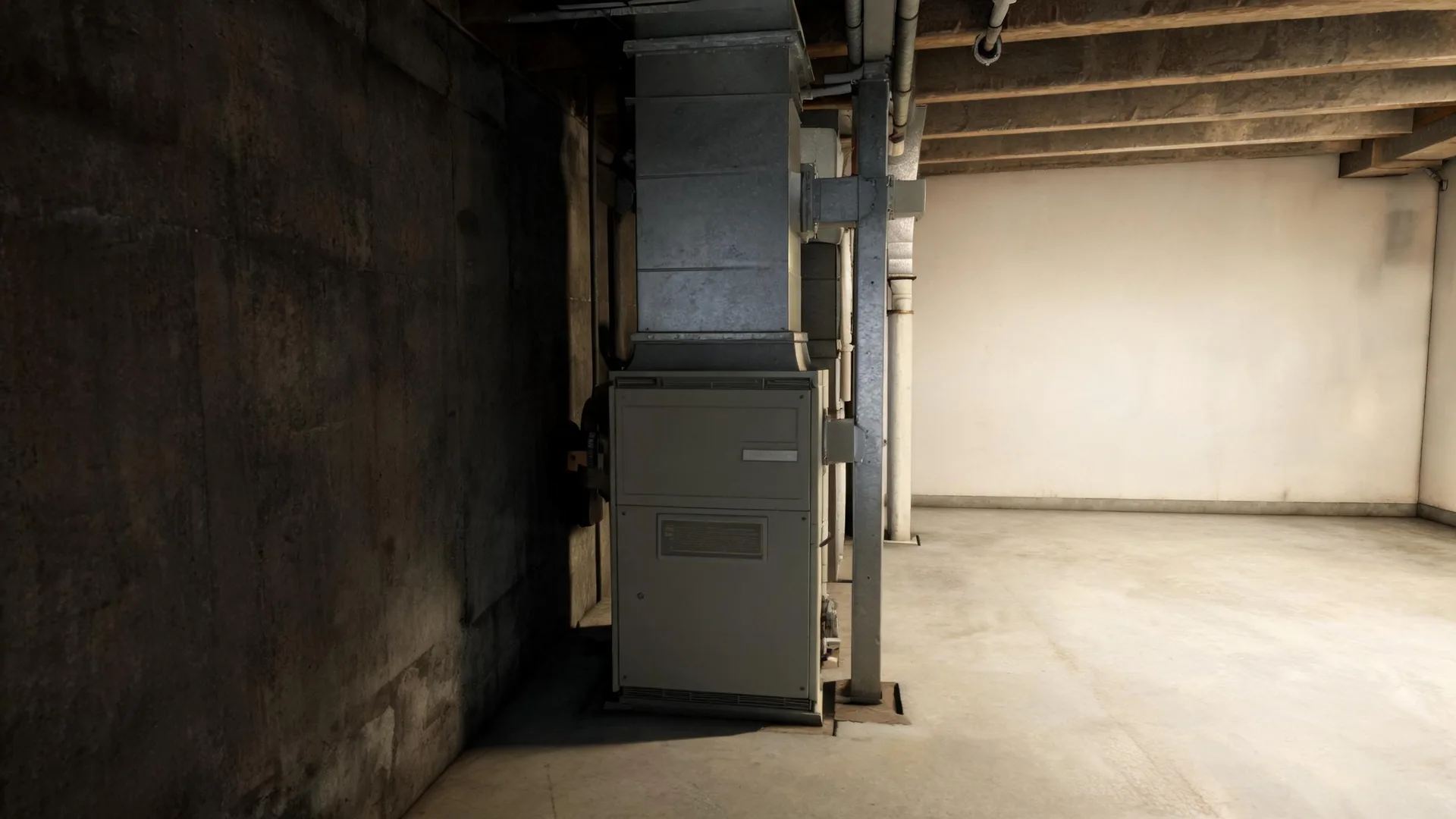
A furnace repair in Eagle County starts with the parts that have been working hardest longest. Homes in Eagle County, CO run heat about eleven months a year, from August through June. Burners cycle thousands of times across a season that long, and heat exchangers flex with every one of those cycles. A contractor pulling a furnace apart here expects to find wear concentrated in those components, because the heating load piles onto them relentlessly. Ignition systems fail most often at the start of a new season, after the equipment has sat idle through its short break and then been called on hard.
Furnace parts availability is where many Eagle County repairs get decided. Half the homes in Eagle County, Colorado were built in 1993 or earlier (2020-2024 ACS 5-year). A house built then went through at least one full system replacement before today, which means a contractor opening a furnace here is frequently looking at a unit whose parts sit in a narrow supply window, stocked by fewer distributors each season. If a heat exchanger or a draft inducer motor is no longer in regular production, the repair either waits on a specialty order or pivots to replacement, and that call gets made inside the opened cabinet, not from the address.
The Parts of a Furnace a Contractor Checks First
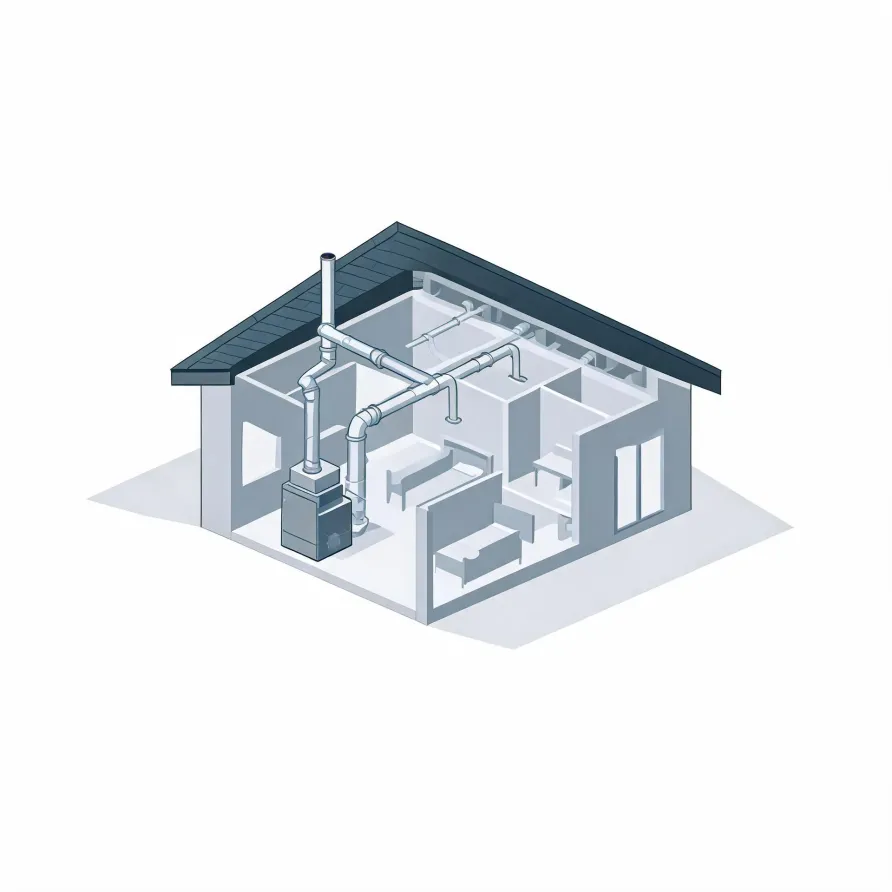
The furnace cabinet sits in a basement, utility room, or closet and holds the components a contractor will look at most closely. Inside, the heat exchanger is the piece that takes the most wear. When it cracks, combustion gases can enter the living space. The burners sit just below it, and when they misfire or clog, the whole heating sequence breaks down.
The blower motor sits at the base of the cabinet and pushes conditioned air into the ducts. The control board runs above it, reading signals from the thermostat and telling each part when to act. A failed board can mimic the symptoms of several other faults, so contractors test it alongside the flame sensor and the draft inducer motor before drawing a conclusion.
The drawing shows a general layout of these components, and a licensed contractor determines which parts apply to the specific equipment and configuration in your home.
Get matched in Eagle CountyEagle County, by the numbers
158 severe weather events were recorded in Eagle County, Colorado between 2015 and 2024.
NOAA National Centers for Environmental Information, Storm Events Database, bulk CSV export, events 2015-01-01 through 2024-12-31.Half the homes in Eagle County, Colorado were built in 1993 or earlier (2020-2024 ACS 5-year).
U.S. Census Bureau, 2020-2024 American Community Survey 5-Year EstimatesEagle County, Colorado holds 33,915 housing units (2020-2024 ACS 5-year).
U.S. Census Bureau, 2020-2024 American Community Survey 5-Year EstimatesOwners occupy 65.9% of the occupied homes in Eagle County, Colorado (2020-2024 ACS 5-year).
U.S. Census Bureau, 2020-2024 American Community Survey 5-Year EstimatesCodes & Standards Behind Furnace Repair in Eagle County, Colorado4 sourced rules & standards
What Happens When a Contractor Comes Out
Non-weatherized gas furnaces manufactured on or after November 19, 2015 must reach 80.0 percent AFUE.
Non-weatherized oil-fired furnaces manufactured on or after November 19, 2015 must reach 83.0 percent AFUE.
Mobile home gas furnaces manufactured on or after November 19, 2015 must reach 80.0 percent AFUE.
Non-weatherized gas furnaces manufactured on or after December 18, 2028 must reach 95.0 percent AFUE, up from the 80.0 percent minimum that applies to units manufactured before that date.
Severe Weather Events in Eagle County
Eagle County's climate puts real pressure on furnace equipment over time. Stress from weather extremes shortens component life and raises the odds that a system will need repair, which makes local weather history a useful part of understanding what furnaces here are up against.
158 severe weather events, 2015–2024. Source: NOAA National Centers for Environmental Information, Storm Events Database.