Tell us about the job
Takes about a minute. No obligation.
A furnace repair diagnosis in Weld County starts with the parts that cycle hardest. Homes in Weld County, CO run heat about eight months a year, from October through May. The burner, the igniter, and the heat exchanger absorb that workload cycle by cycle, and by the time a system shows a fault, those components have already logged years of thermal stress. A contractor here checks the heat exchanger for cracks and the ignition system for wear before chasing electrical faults, because the load history points there first.
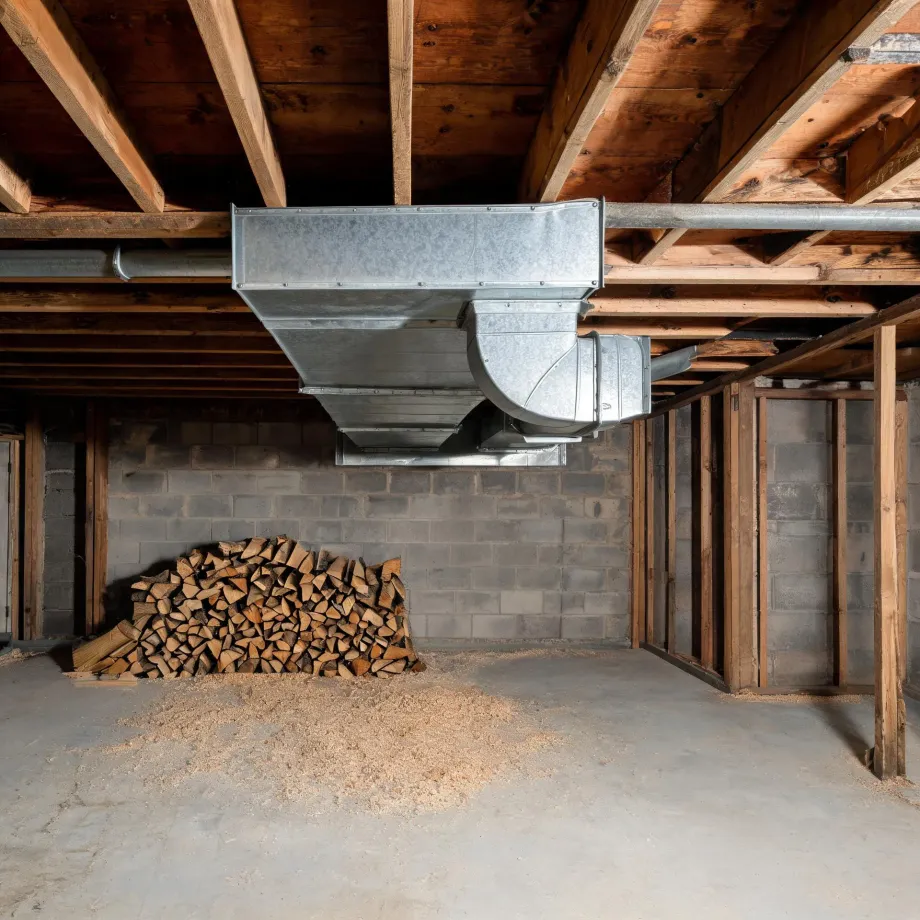
Furnace components fail in ways that only show up once the unit is open. Half the homes in Weld County, Colorado were built in 2001 or earlier (2020-2024 ACS 5-year). That means a contractor working through a repair here is frequently pulling covers off equipment that has cycled through conditions the original installation never anticipated, finding cracked heat exchangers, degraded burner assemblies, or control boards whose replacement parts are no longer stocked at the first supplier called. The age of the housing sets the backdrop, but what the opened furnace actually contains is what determines the repair scope and the parts list.
The Parts of a Furnace a Contractor Checks First
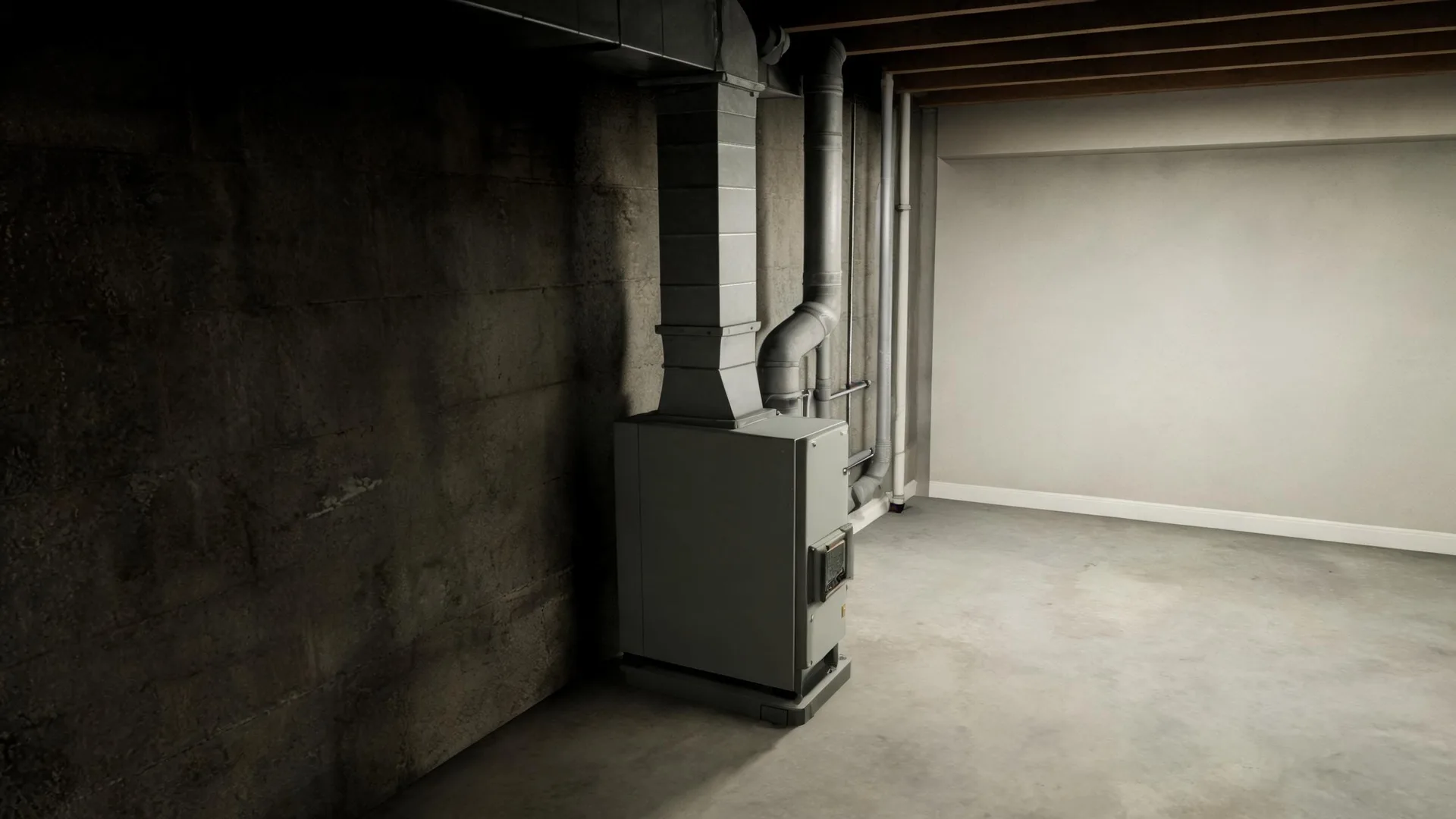
The furnace itself sits in a utility room, basement, or closet and is the piece a contractor goes to first. Inside it, the heat exchanger is the part most worth understanding: it separates combustion gases from the air your family breathes, and a crack there is among the more serious findings a contractor can make. The burners and the igniter sit just below it, and either can be the reason a furnace runs briefly then shuts off, or refuses to start at all.
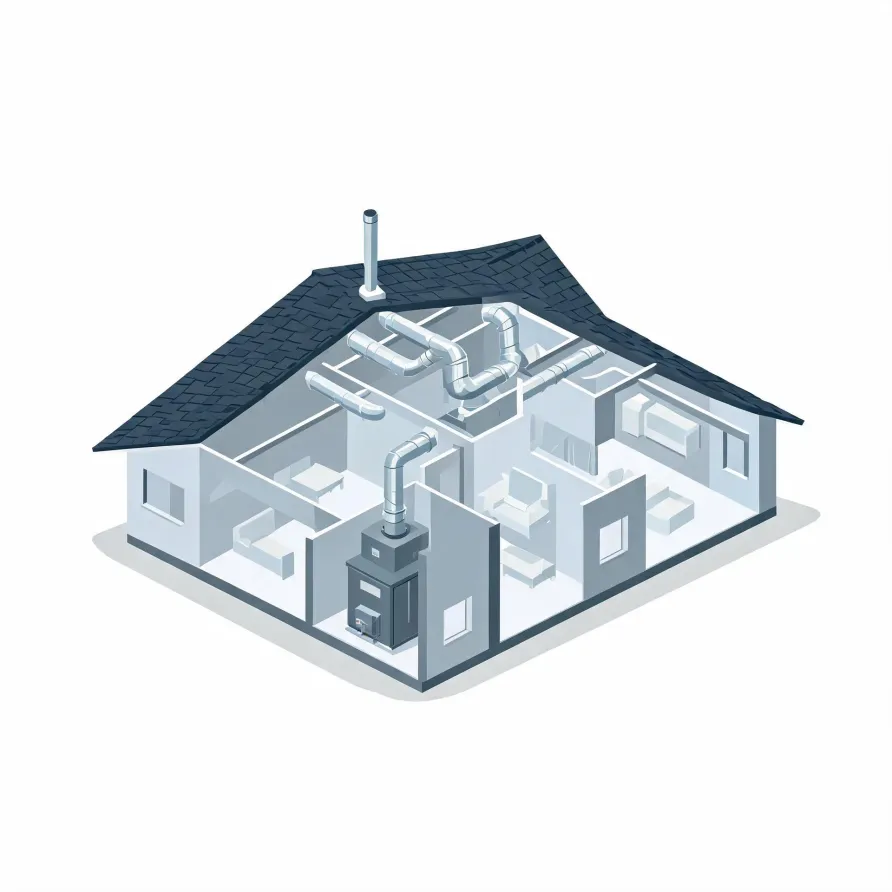
The blower motor lives at the base of the furnace cabinet and pushes conditioned air out through the house. The flue pipe runs from the top of the unit to an exterior wall or roof and carries combustion gases out. The control board ties the whole system together, reading signals from the thermostat and telling each component when to run. A fault anywhere in that chain shows up as a symptom somewhere else, which is why a contractor works through the system rather than replacing the first part that looks suspect.
The drawing shows a general layout of these components, and a licensed contractor determines what applies to the specific equipment and configuration in your home.
Get matched in Weld CountyWeld County, by the numbers
637 severe weather events were recorded in Weld County, Colorado between 2015 and 2024.
NOAA National Centers for Environmental Information, Storm Events Database, bulk CSV export, events 2015-01-01 through 2024-12-31.Half the homes in Weld County, Colorado were built in 2001 or earlier (2020-2024 ACS 5-year).
U.S. Census Bureau, 2020-2024 American Community Survey 5-Year EstimatesWeld County, Colorado holds 129,637 housing units (2020-2024 ACS 5-year).
U.S. Census Bureau, 2020-2024 American Community Survey 5-Year EstimatesOwners occupy 76.0% of the occupied homes in Weld County, Colorado (2020-2024 ACS 5-year).
U.S. Census Bureau, 2020-2024 American Community Survey 5-Year EstimatesCodes & Standards Covering Furnace Repair in Weld County, Colorado4 sourced rules and standards
What Happens When the Contractor Comes Out
Non-weatherized gas furnaces manufactured on or after November 19, 2015 must reach 80.0 percent AFUE.
Non-weatherized oil-fired furnaces manufactured on or after November 19, 2015 must reach 83.0 percent AFUE.
Mobile home gas furnaces manufactured on or after November 19, 2015 must reach 80.0 percent AFUE.
Non-weatherized gas furnaces manufactured on or after December 18, 2028 must reach 95.0 percent AFUE, up from the 80.0 percent minimum that applies to units manufactured before that date.
Severe Weather Events in Weld County
Weld County weather puts real stress on furnace components, and that stress shows up as repair calls. How hard local conditions push heating equipment is a local fact, which is why the record below belongs on this page.
637 severe weather events, 2015–2024. Source: NOAA National Centers for Environmental Information, Storm Events Database.