Tell us about the job
Takes about a minute. No obligation.
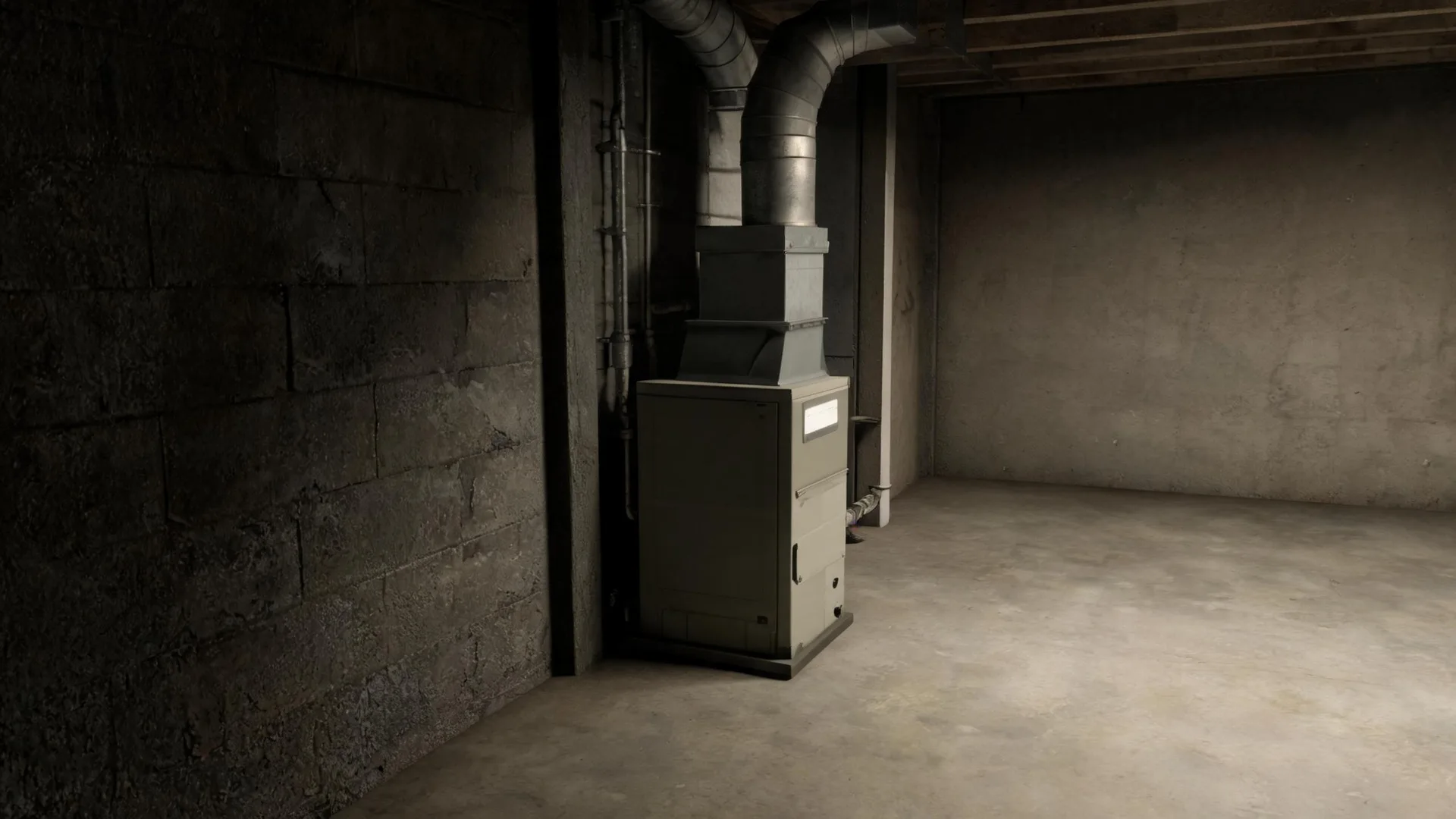
Homes in Logan County, CO run heat about eight months a year, from October through May. The burner and ignition system on a furnace here cycle through the coldest part of the Colorado high plains calendar, and that runtime builds up across the heat exchanger in ways a contractor can see when they open the unit. Cracked heat exchangers, worn igniters, and fatigued flame sensors are what a contractor finds first in this county, and they are where a repair quote starts.
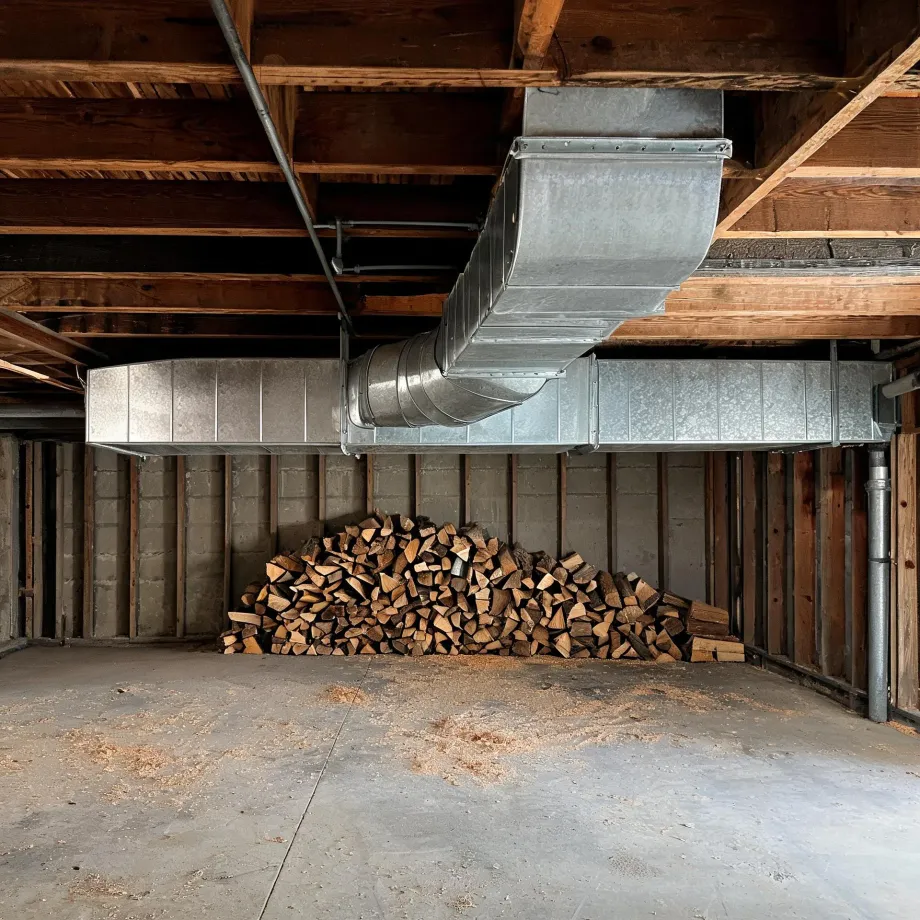
Ductwork in a house this old was never sized or routed for the furnace a contractor will open today. Half the homes in Logan County, Colorado were built in 1964 or earlier (2020-2024 ACS 5-year). That gap matters for repair work because the stress a furnace accumulates depends partly on how well the distribution system around it has ever matched what it was asked to do. A contractor pulling the heat exchanger or inspecting the burner assembly in stock like this finds conditions that reflect decades of that mismatch, and whether the part that failed is still in production is a real question before a repair scope can be priced.
The Parts of a Furnace a Contractor Checks First
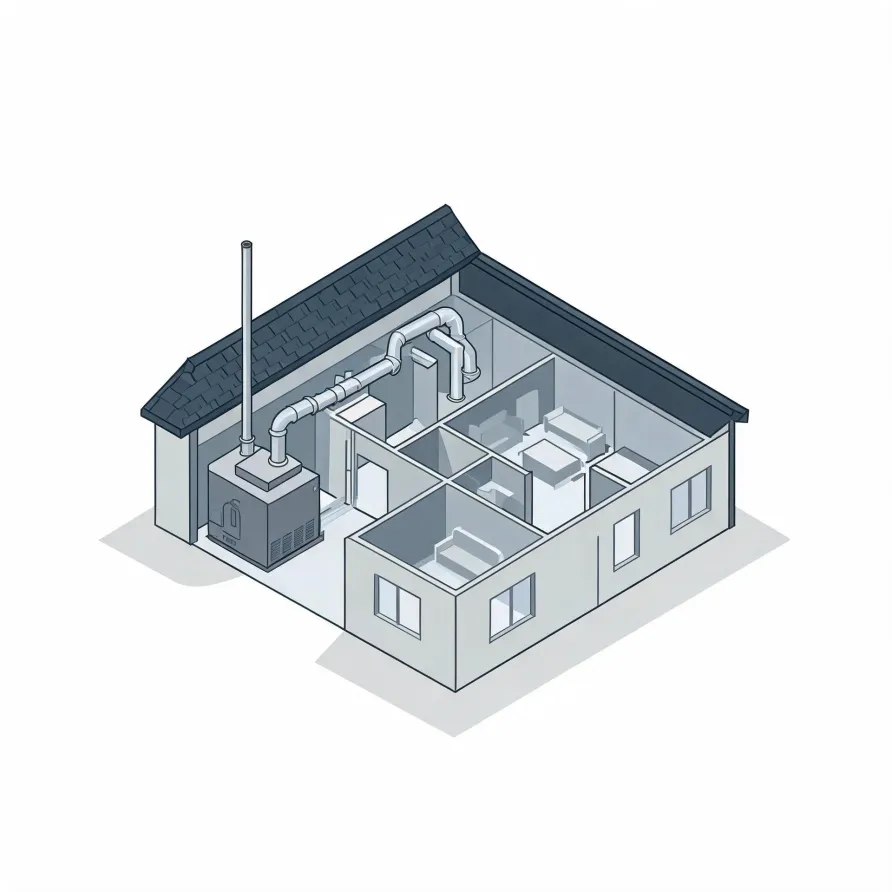
The heat exchanger sits at the heart of the furnace cabinet, and it is where a contractor looks early in any diagnosis. Cracks or carbon buildup there are serious. The burner assembly feeds it directly, and a dirty or misfiring burner is one of the more common reasons a furnace stops putting out heat.
The blower motor and its fan wheel sit below the heat exchanger and push conditioned air out through the supply side of the house. The draft inducer, a smaller motor near the top of the cabinet, pulls combustion gases out before each firing cycle. The control board ties both of those to the thermostat signal, and a fault there can mimic problems that actually belong to the motors or the gas valve.
The drawing shows a typical furnace layout, and a licensed contractor determines which components apply to the specific unit and installation in your home.
Get matched in Logan CountyLogan County, by the numbers
289 severe weather events were recorded in Logan County, Colorado between 2015 and 2024.
NOAA National Centers for Environmental Information, Storm Events Database, bulk CSV export, events 2015-01-01 through 2024-12-31.Half the homes in Logan County, Colorado were built in 1964 or earlier (2020-2024 ACS 5-year).
U.S. Census Bureau, 2020-2024 American Community Survey 5-Year EstimatesLogan County, Colorado holds 8,741 housing units (2020-2024 ACS 5-year).
U.S. Census Bureau, 2020-2024 American Community Survey 5-Year EstimatesOwners occupy 66.3% of the occupied homes in Logan County, Colorado (2020-2024 ACS 5-year).
U.S. Census Bureau, 2020-2024 American Community Survey 5-Year EstimatesCodes & Standards Governing Furnace Repair in Logan County, Colorado4 sourced rules and standards
What HVAC Repair Looks Like in Logan County
Non-weatherized gas furnaces manufactured on or after November 19, 2015 must reach 80.0 percent AFUE.
Non-weatherized oil-fired furnaces manufactured on or after November 19, 2015 must reach 83.0 percent AFUE.
Mobile home gas furnaces manufactured on or after November 19, 2015 must reach 80.0 percent AFUE.
Non-weatherized gas furnaces manufactured on or after December 18, 2028 must reach 95.0 percent AFUE, up from the 80.0 percent minimum that applies to units manufactured before that date.
Severe Weather Events in Logan County
Extreme weather puts real stress on heating equipment, and furnaces that work hardest during difficult conditions wear faster and fail sooner. How often that kind of weather hits Logan County shapes what local furnaces are up against and what repair work tends to follow.
289 severe weather events, 2015–2024. Source: NOAA National Centers for Environmental Information, Storm Events Database.