Tell us about the job
Takes about a minute. No obligation.
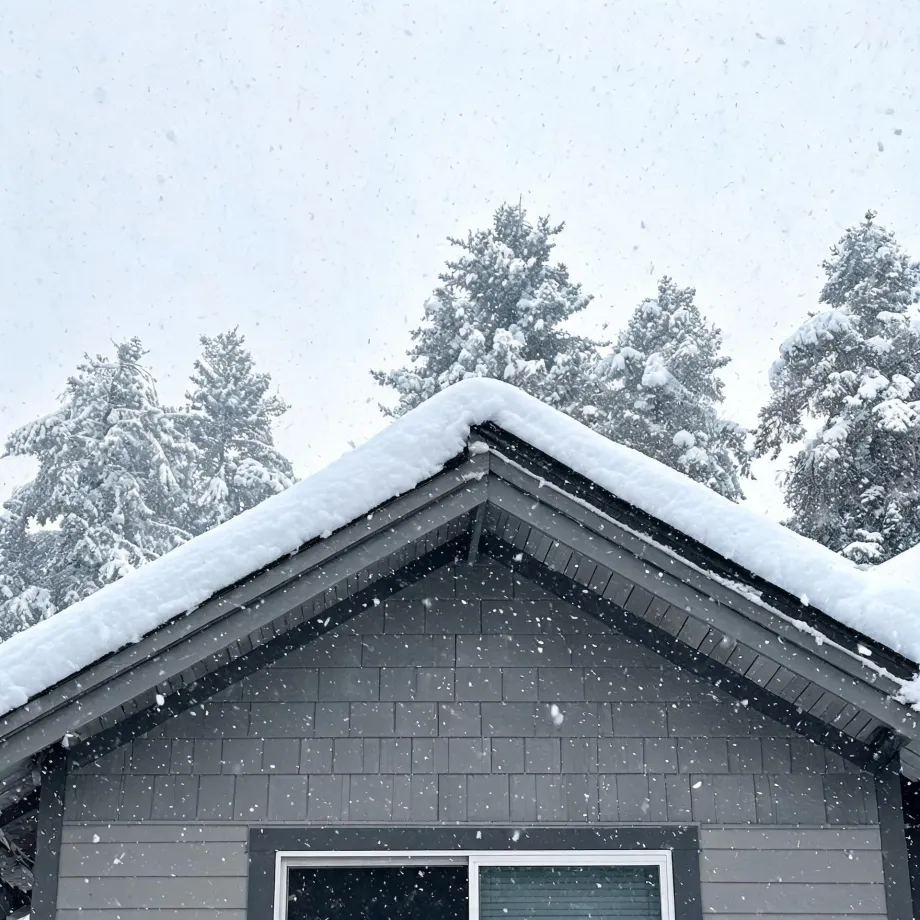
A furnace repair in Mesa County starts with the parts that do the hardest work: the igniter, the burner, and the heat exchanger. Homes in Mesa County, CO run heat about nine months a year, from September through May. That load falls on the same components every cycle, and a contractor diagnosing a fault here checks those parts before moving further into the system. Cracks in a heat exchanger and worn ignition systems are what show up on the bench, not in the abstract, because those are the pieces that bear the weight of a long heating season. The quote follows from what the opened system shows.
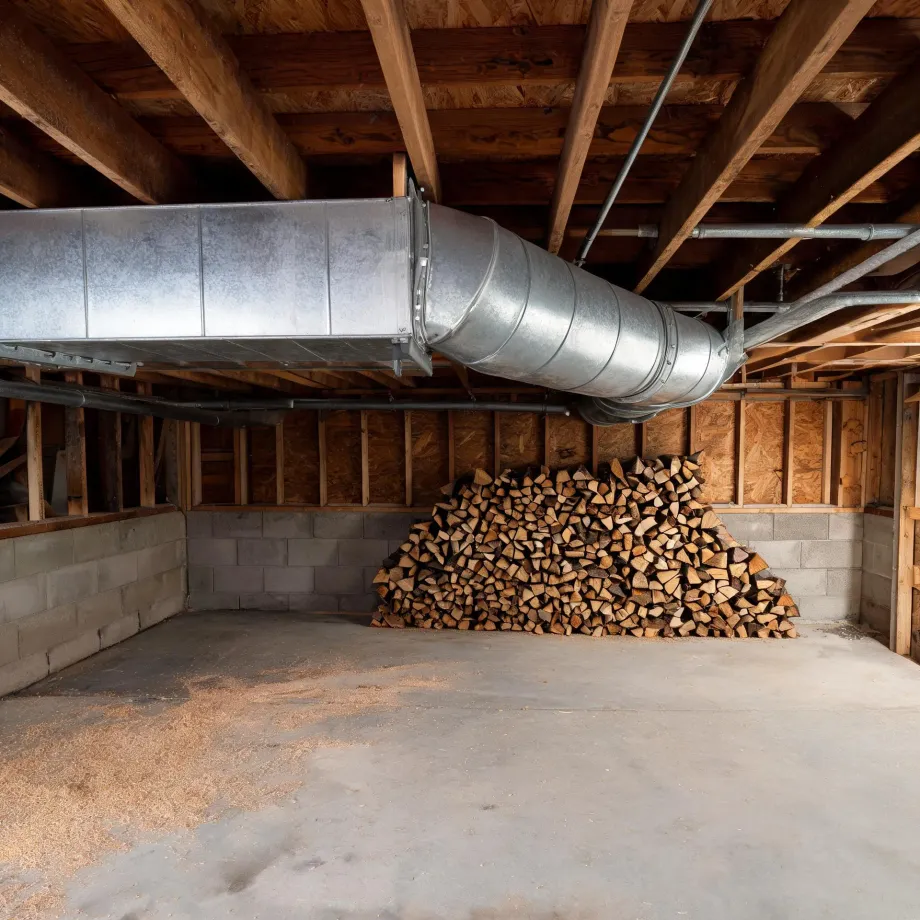
Furnace systems in a house rarely outlast the house itself, which means the equipment a contractor opens is almost certainly not what the house was built with. Half the homes in Mesa County, Colorado were built in 1987 or earlier (2020-2024 ACS 5-year). By the time a furnace in stock that old reaches the point of needing repair, it has often passed through at least one full equipment cycle, and the parts it calls for may no longer be in active production. That is what determines whether a repair is straightforward or whether the contractor is sourcing a component that takes time to find.
The Parts of a Furnace a Contractor Checks First
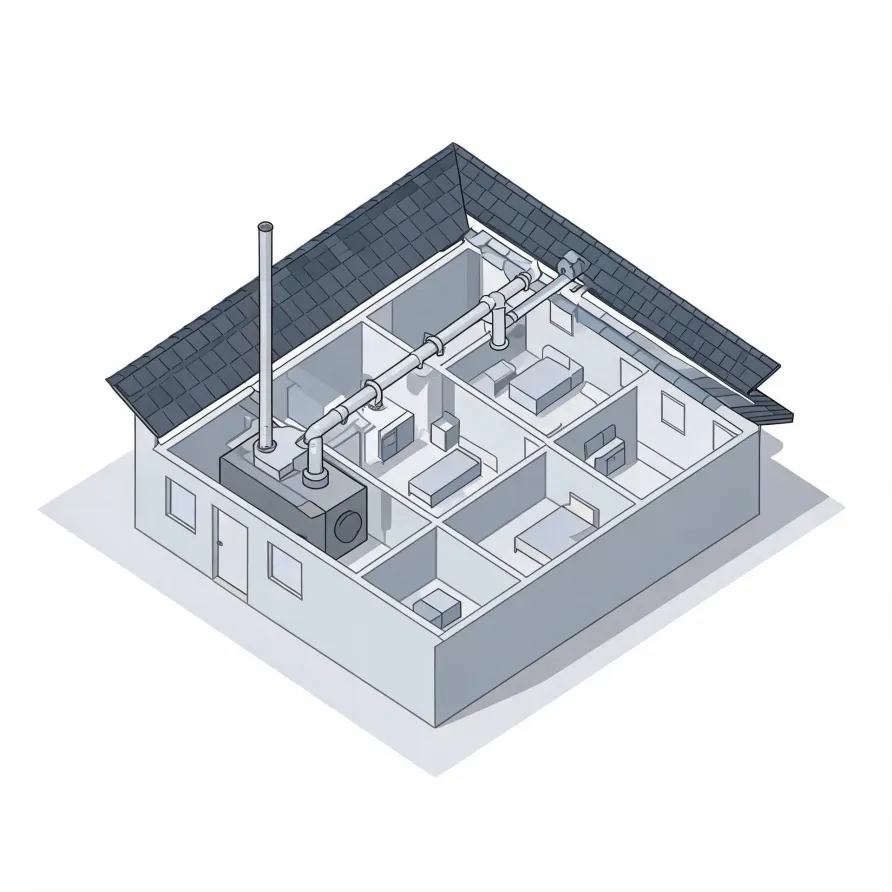
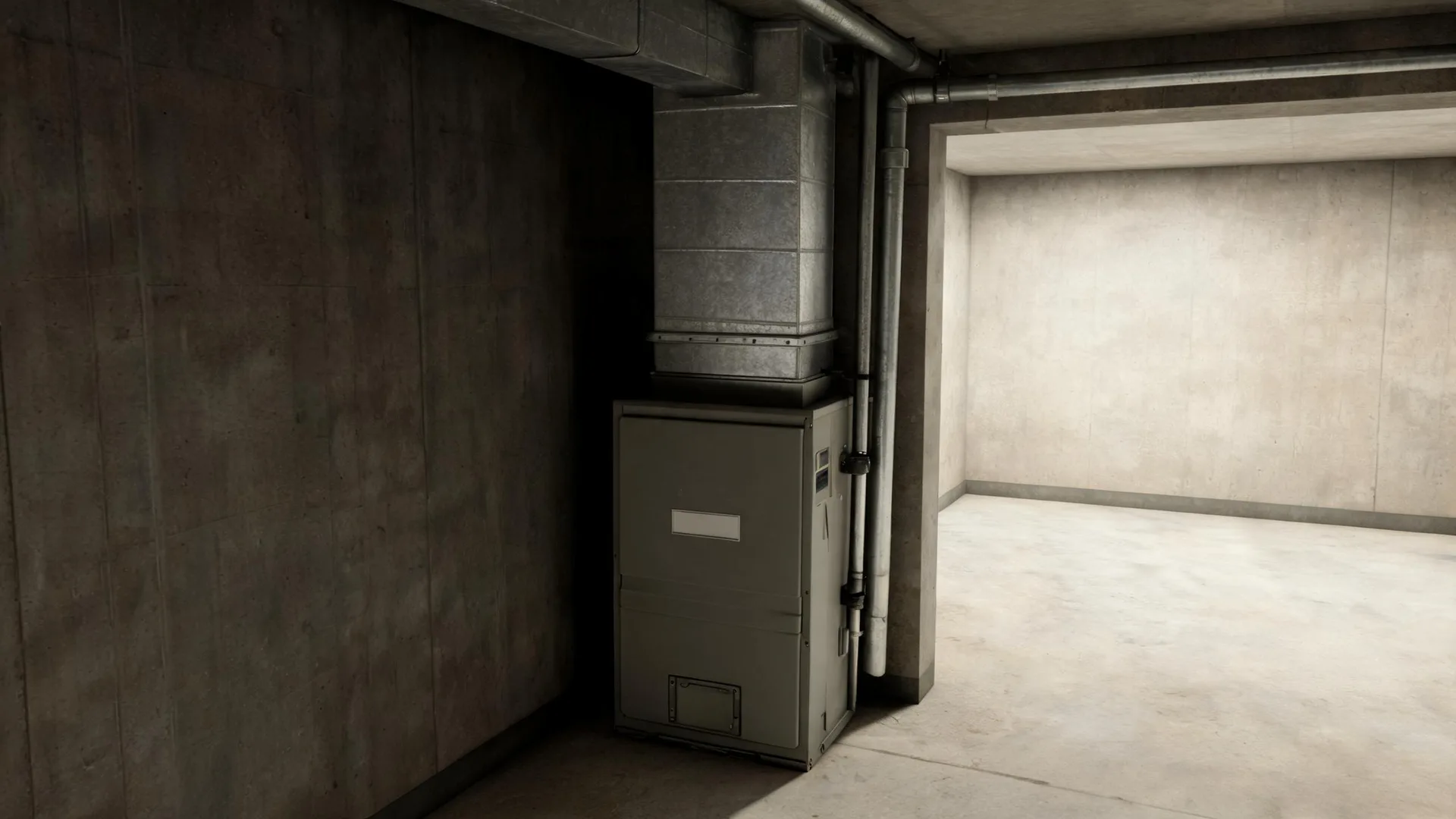
The furnace cabinet sits in a utility room, basement, or closet and holds the components a contractor goes to first when something fails. Inside it, the heat exchanger is the piece most likely to be the culprit when the system runs but the house stays cold, and the burner assembly just below it is where a contractor looks when the furnace will not light or holds a flame poorly.
The blower motor sits at the base of the cabinet and pushes conditioned air into the duct system. A failed motor or a worn capacitor next to it explains why a furnace fires but no air moves. The flue pipe runs from the cabinet to an exterior wall or chimney, and a contractor checks it when combustion gases are backing up or the unit is shutting down on a safety fault.
The drawing shows a representative layout, and a licensed contractor determines which components apply and what condition they are in for your specific system.
Get matched in Mesa CountyMesa County, by the numbers
350 severe weather events were recorded in Mesa County, Colorado between 2015 and 2024.
NOAA National Centers for Environmental Information, Storm Events Database, bulk CSV export, events 2015-01-01 through 2024-12-31.Half the homes in Mesa County, Colorado were built in 1987 or earlier (2020-2024 ACS 5-year).
U.S. Census Bureau, 2020-2024 American Community Survey 5-Year EstimatesMesa County, Colorado holds 69,969 housing units (2020-2024 ACS 5-year).
U.S. Census Bureau, 2020-2024 American Community Survey 5-Year EstimatesOwners occupy 72.5% of the occupied homes in Mesa County, Colorado (2020-2024 ACS 5-year).
U.S. Census Bureau, 2020-2024 American Community Survey 5-Year EstimatesCodes & Standards Behind Furnace Repair in Mesa County, Colorado4 sourced rules & standards
What happens when the contractor comes out
Non-weatherized gas furnaces manufactured on or after November 19, 2015 must reach 80.0 percent AFUE.
Non-weatherized oil-fired furnaces manufactured on or after November 19, 2015 must reach 83.0 percent AFUE.
Mobile home gas furnaces manufactured on or after November 19, 2015 must reach 80.0 percent AFUE.
Non-weatherized gas furnaces manufactured on or after December 18, 2028 must reach 95.0 percent AFUE, up from the 80.0 percent minimum that applies to units manufactured before that date.
Severe Weather Events in Mesa County
Extreme weather puts real strain on furnace systems, pushing them through cycles of hard use they were not always sized or maintained to handle. How much of that pressure a furnace faces depends on where it sits, which makes local weather history a direct input into understanding repair demand.
350 severe weather events, 2015–2024. Source: NOAA National Centers for Environmental Information, Storm Events Database.