Tell us about the job
Takes about a minute. No obligation.
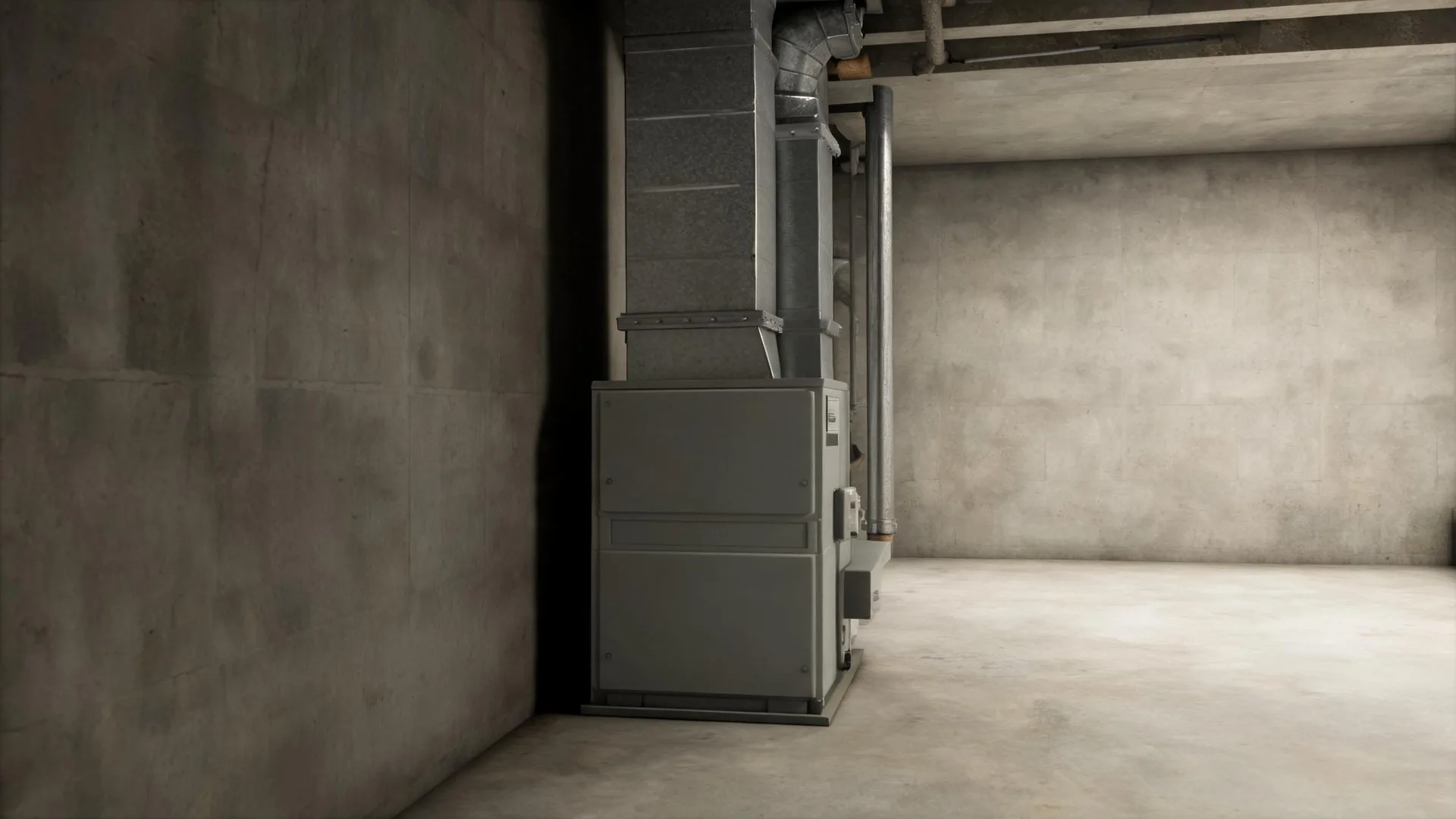
A furnace repair in Montrose County starts with the parts that carry the real load: the burner, the heat exchanger, and the ignition system. Homes in Montrose County, CO run heat about eight months a year, from October through May. Across that kind of season, the ignition system cycles hundreds of times, and the heat exchanger expands and contracts with every call for heat. A crack in the heat exchanger or a worn igniter is not a surprise finding on a unit with years of service here. A contractor pulling that equipment open checks combustion components first, because that is where the wear lands.
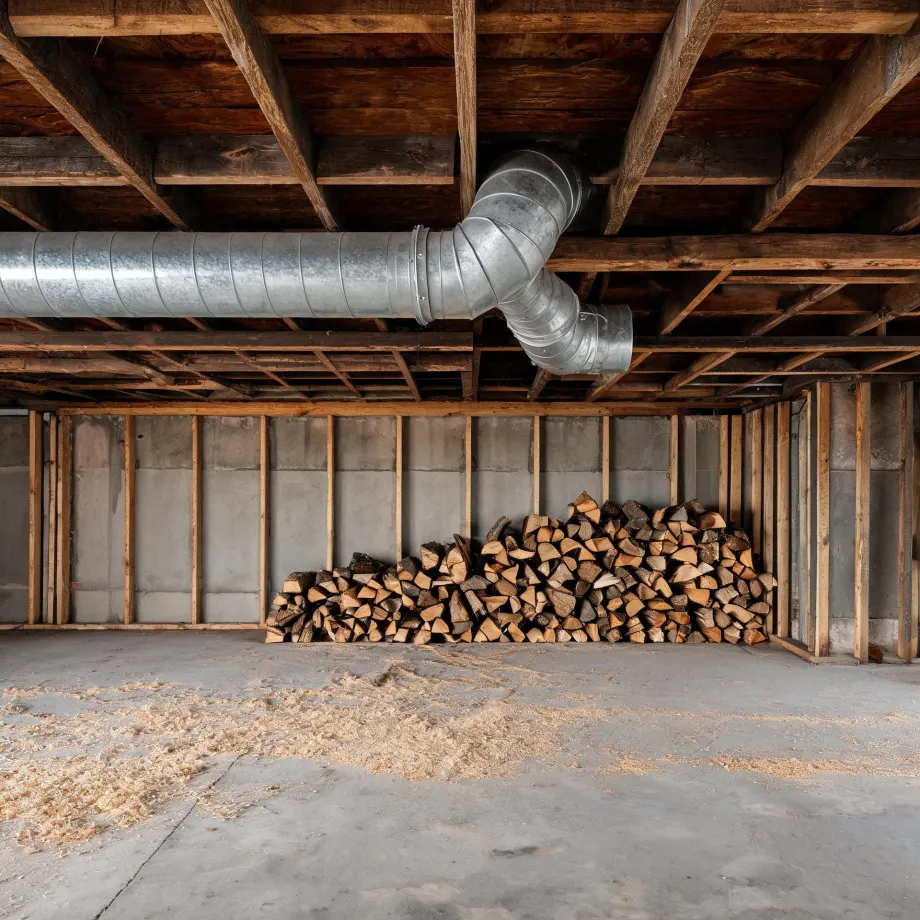
Furnaces in houses built for an earlier generation of equipment have usually seen at least one full replacement since the original install, which means the system a contractor opens today bears little relationship to what the house was built around. Half the homes in Montrose County, Colorado were built in 1991 or earlier (2020-2024 ACS 5-year). That gap matters for repair work specifically: once the heat exchanger or burner assembly is open, what a contractor finds determines whether compatible parts are still in supply or whether the repair is no longer the path forward. Older stock does not make the job harder by default, but it does make parts sourcing the variable that sets the price.
The Parts of a Furnace a Contractor Checks First
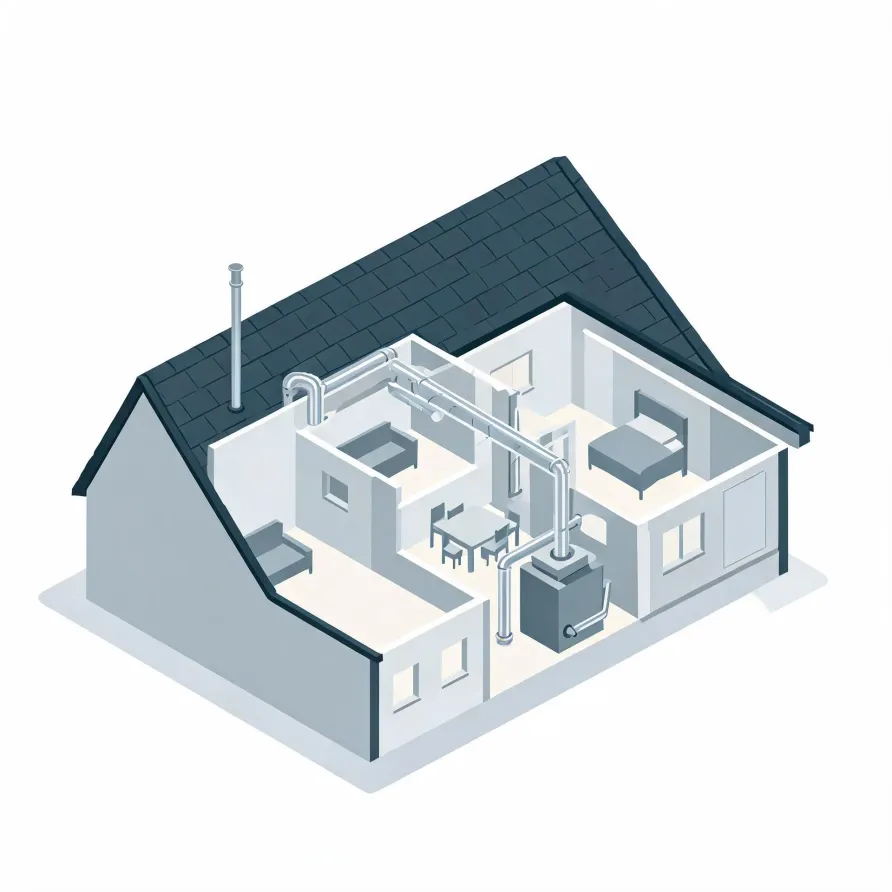
The furnace itself sits in a utility area, basement, or closet and is the core of the system. Inside it, the heat exchanger is what a contractor goes to early when something is wrong: a crack there lets combustion gases into living air, and the burners that feed it are checked for clean, steady flame. The blower motor, also inside the cabinet, drives conditioned air outward and is a common source of noise complaints and airflow failures.
The flue pipe runs from the furnace to an exterior vent and carries exhaust gases out of the house. Alongside it, the igniter and flame sensor work as a pair: one lights the burners, the other confirms the flame is present, and a fault in either one stops the furnace from running at all. The filter sits at the air return and, when it is blocked, puts strain on nearly every other component.
The drawing shows the general layout of a furnace system, and a licensed contractor determines which parts apply and what condition they are in for your particular home.
Get matched in Montrose CountyMontrose County by the Numbers
260 severe weather events were recorded in Montrose County, Colorado between 2015 and 2024.
NOAA National Centers for Environmental Information, Storm Events Database, bulk CSV export, events 2015-01-01 through 2024-12-31.Half the homes in Montrose County, Colorado were built in 1991 or earlier (2020-2024 ACS 5-year).
U.S. Census Bureau, 2020-2024 American Community Survey 5-Year EstimatesMontrose County, Colorado holds 19,758 housing units (2020-2024 ACS 5-year).
U.S. Census Bureau, 2020-2024 American Community Survey 5-Year EstimatesOwners occupy 75.4% of the occupied homes in Montrose County, Colorado (2020-2024 ACS 5-year).
U.S. Census Bureau, 2020-2024 American Community Survey 5-Year EstimatesCodes & Standards Governing Furnace Repair in Montrose County, Colorado4 sourced rules and standards
What Happens Once a Contractor Comes Out
Non-weatherized gas furnaces manufactured on or after November 19, 2015 must reach 80.0 percent AFUE.
Non-weatherized oil-fired furnaces manufactured on or after November 19, 2015 must reach 83.0 percent AFUE.
Mobile home gas furnaces manufactured on or after November 19, 2015 must reach 80.0 percent AFUE.
Non-weatherized gas furnaces manufactured on or after December 18, 2028 must reach 95.0 percent AFUE, up from the 80.0 percent minimum that applies to units manufactured before that date.
Severe Weather Events in Montrose County
Extreme weather puts furnaces under real stress, from hard cold snaps that run equipment for hours without a break to sudden swings that trigger repeated cycling. How much of that a furnace has absorbed over its life is a local question, and the record for Montrose County is the place to start.
260 severe weather events, 2015–2024. Source: NOAA National Centers for Environmental Information, Storm Events Database.