Tell us about the job
Takes about a minute. No obligation.
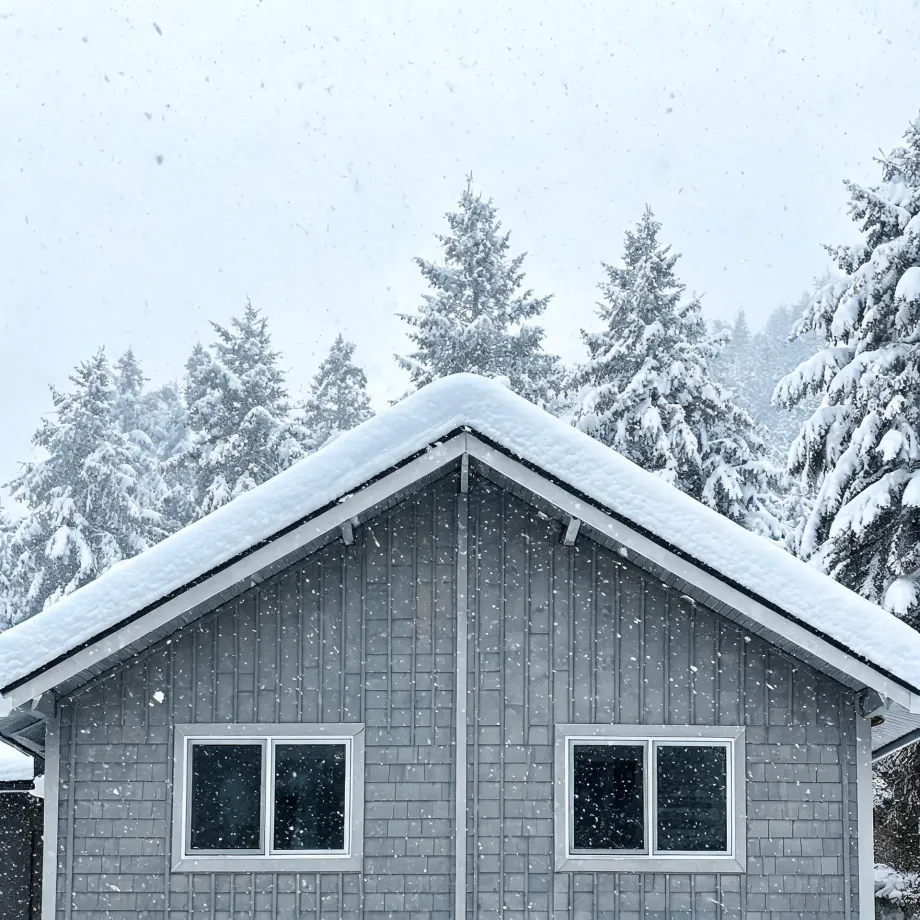
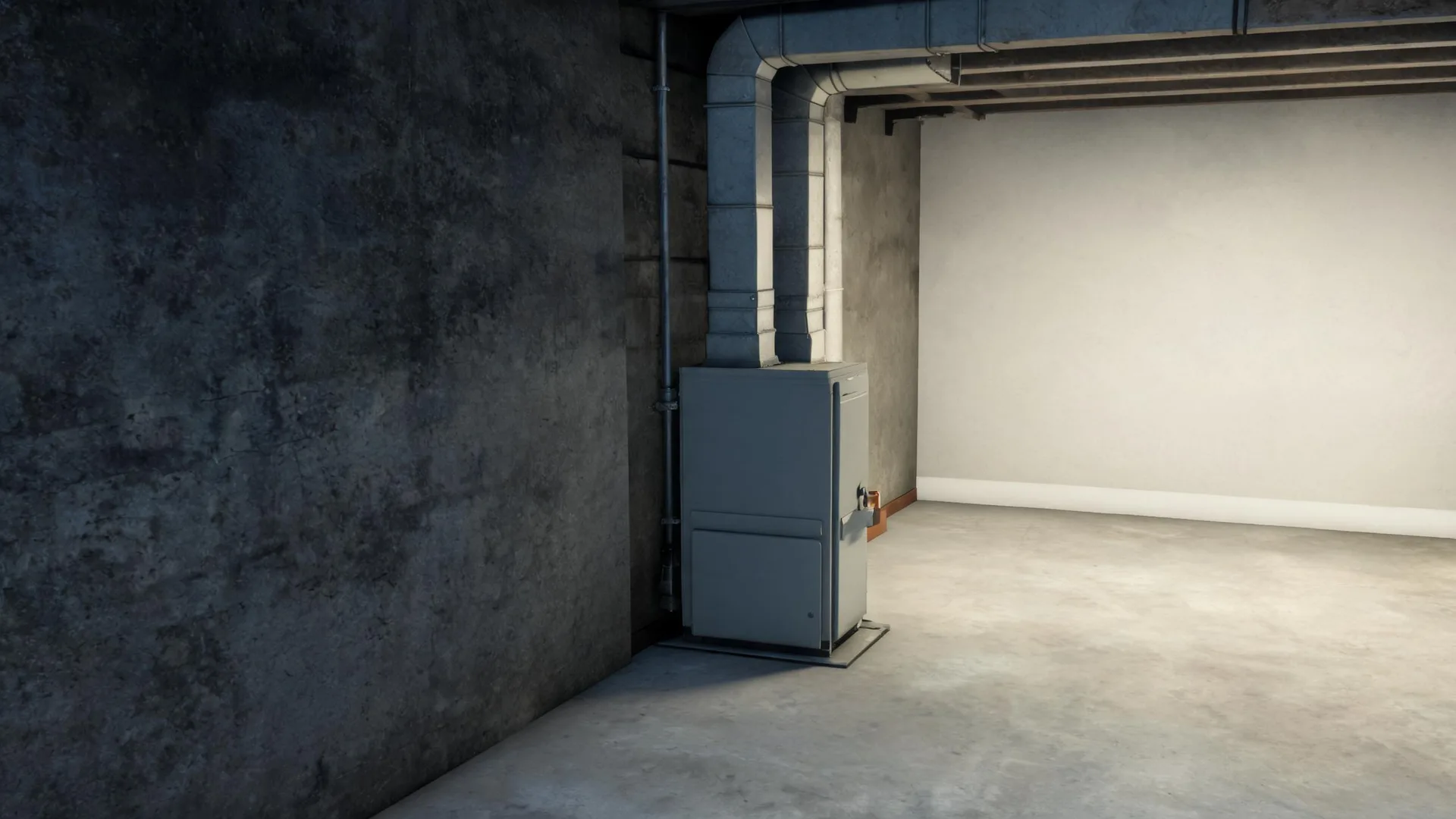
Sizing a furnace for Mesa County is not a task a contractor can do from a catalog table. Homes in Mesa County, CO run heat about nine months a year, from September through May. The burner, the heat exchanger, and the ignition system spend the better part of the year cycling on and off, and a unit that is undersized for the house it serves puts those parts under repeated thermal stress with almost no off-season break to mask it. A contractor working a quote here runs a full load calculation before recommending equipment, because the wrong size commits the homeowner to early component failure rather than a long service life.
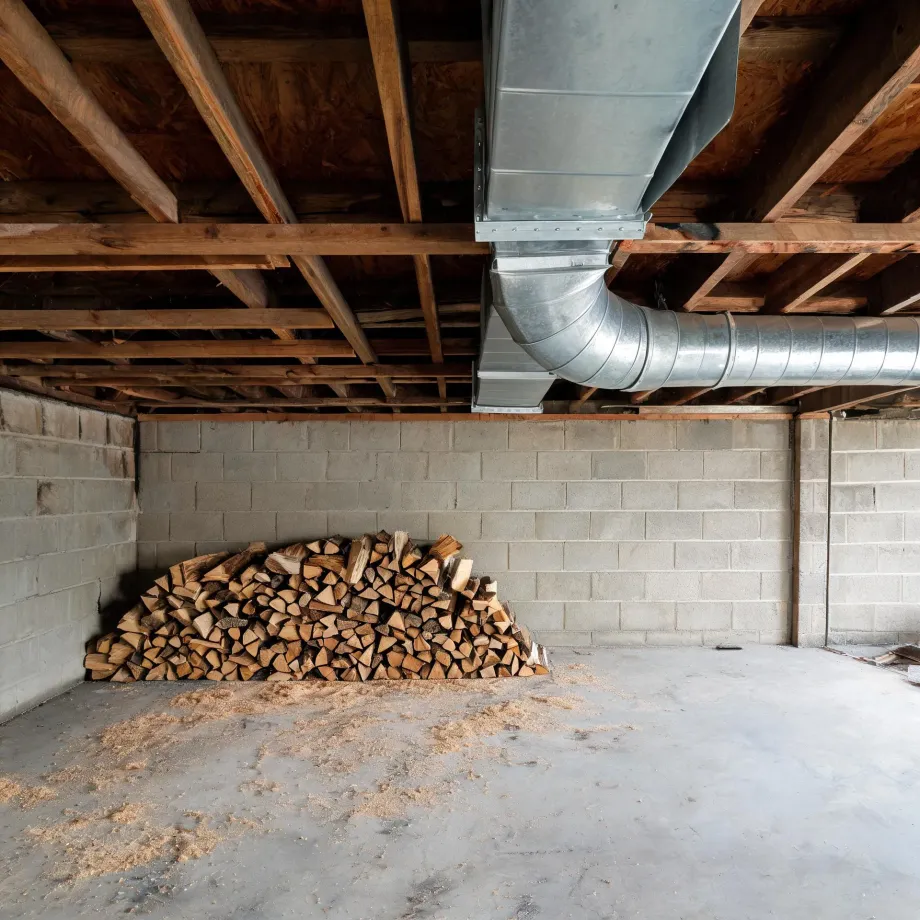
Existing ductwork is what a furnace installation turns on here, and what gets sized and routed for one generation of equipment does not automatically carry the next. Half the homes in Mesa County, Colorado were built in 1987 or earlier (2020-2024 ACS 5-year). That gap between what the house was built to move and what a new furnace needs to push through it is where a contractor spends the diagnostic time before any unit gets priced. Electrical service is the second check. A panel sized for an earlier load may need evaluation before a new furnace and its ancillary equipment can run on it cleanly.
What Gets Installed With a New Furnace
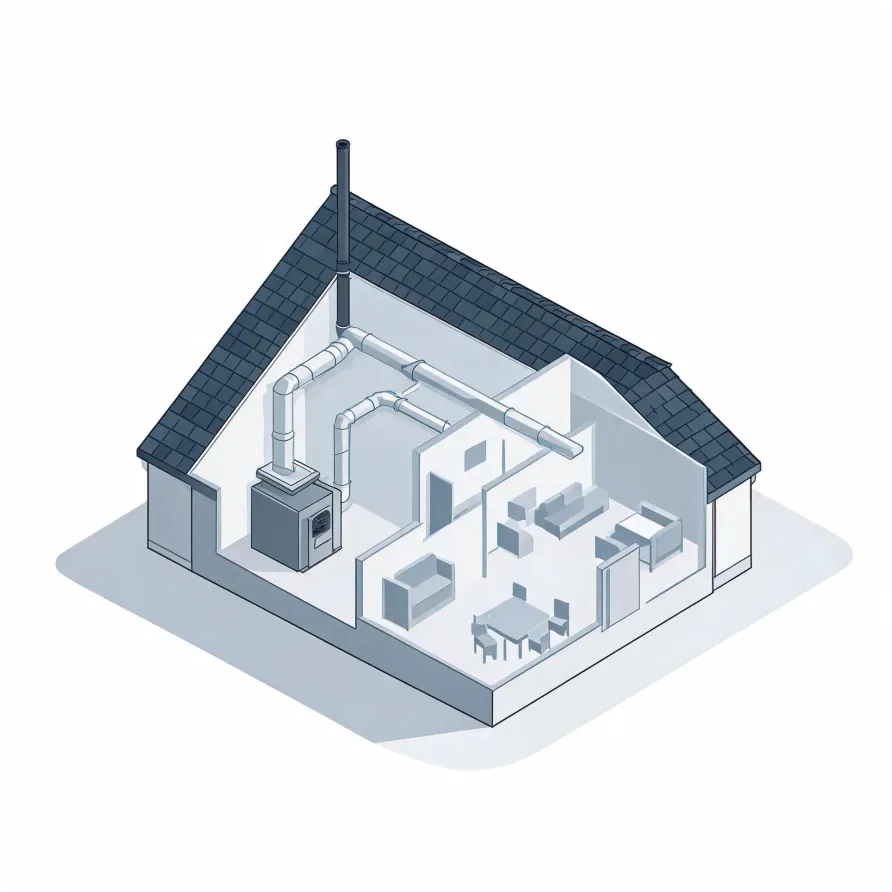
The furnace itself sits in the basement, utility room, or closet and is the piece doing the heating. A heat exchanger inside it warms the air, and a blower motor pushes that air out into the house. The flue pipe runs from the furnace to an exterior wall or up through the roof, carrying combustion gases out.
The thermostat mounts on an interior wall and is the piece the homeowner sees and touches every day. A contractor also installs or connects the gas line at the furnace, and a condensate drain line where the equipment requires one. The filter cabinet or slot, which sits at the return-air intake, is fitted at the same time.
The drawing shows a typical layout, and a licensed contractor determines what applies to your specific home.
Get matched in Mesa CountyMesa County, by the numbers
350 severe weather events were recorded in Mesa County, Colorado between 2015 and 2024.
NOAA National Centers for Environmental Information, Storm Events Database, bulk CSV export, events 2015-01-01 through 2024-12-31.Half the homes in Mesa County, Colorado were built in 1987 or earlier (2020-2024 ACS 5-year).
U.S. Census Bureau, 2020-2024 American Community Survey 5-Year EstimatesMesa County, Colorado holds 69,969 housing units (2020-2024 ACS 5-year).
U.S. Census Bureau, 2020-2024 American Community Survey 5-Year EstimatesOwners occupy 72.5% of the occupied homes in Mesa County, Colorado (2020-2024 ACS 5-year).
U.S. Census Bureau, 2020-2024 American Community Survey 5-Year EstimatesCodes & Standards Governing Furnace Installation in Mesa County, Colorado4 sourced rules & standards
What the installation looks like from start to finish
Non-weatherized gas furnaces manufactured on or after November 19, 2015 must reach 80.0 percent AFUE.
Non-weatherized oil-fired furnaces manufactured on or after November 19, 2015 must reach 83.0 percent AFUE.
Mobile home gas furnaces manufactured on or after November 19, 2015 must reach 80.0 percent AFUE.
Non-weatherized gas furnaces manufactured on or after December 18, 2028 must reach 95.0 percent AFUE, up from the 80.0 percent minimum that applies to units manufactured before that date.
Severe Weather Events in Mesa County
Extreme weather puts a direct load on heating equipment: cold snaps, storms, and hard temperature swings all push furnaces harder and more often than calm climates do. What a furnace handles in Mesa County shapes what size, grade, and setup make sense here.
350 severe weather events, 2015–2024. Source: NOAA National Centers for Environmental Information, Storm Events Database.