Tell us about the job
Takes about a minute. No obligation.
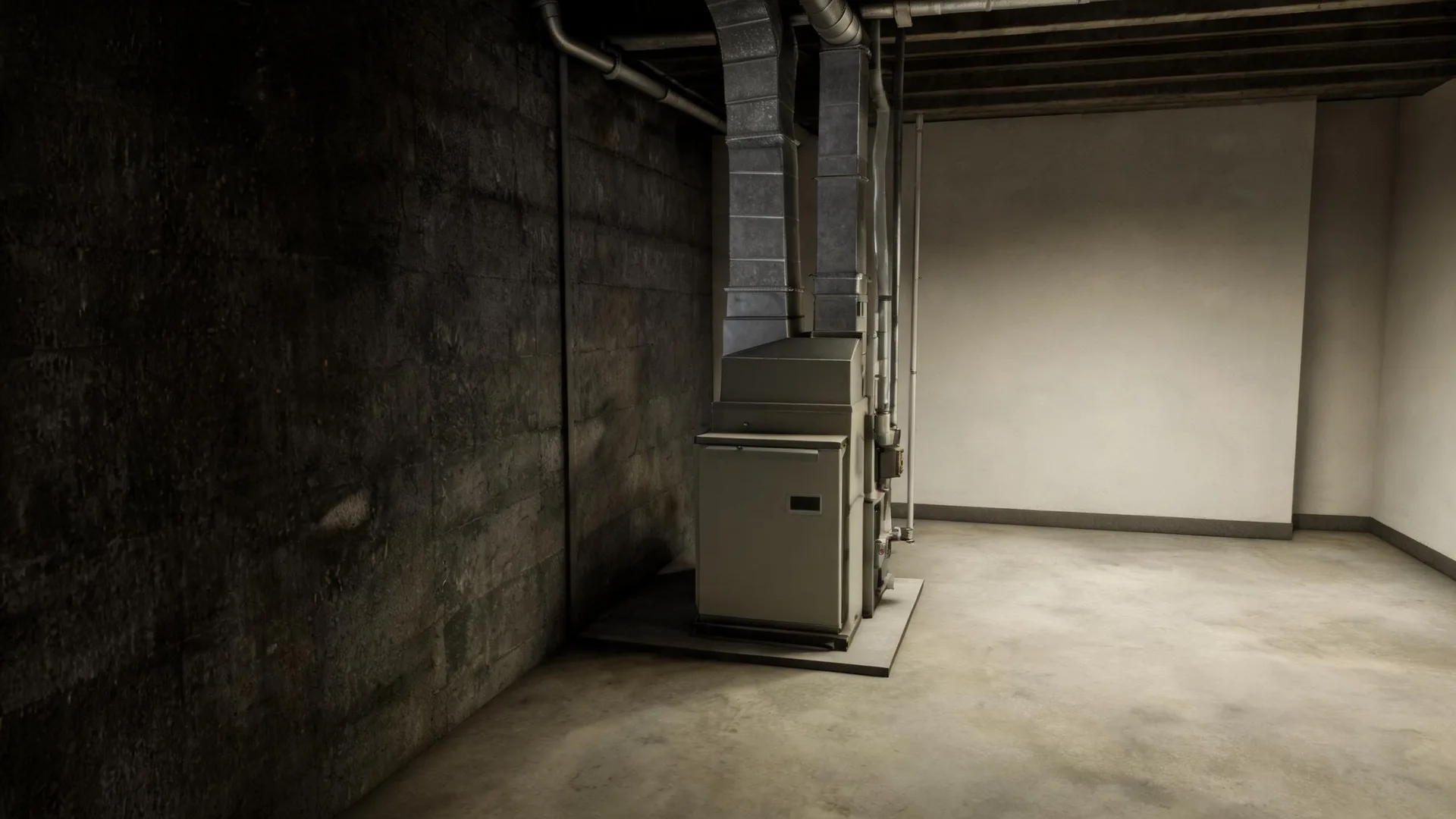
Sizing a furnace for a Boulder County home is not a task a contractor can treat as a standard calculation done the same way anywhere. Homes in Boulder County, CO run heat about ten months a year, from September through June. The burner, the heat exchanger, and the ignition system carry that load without much idle time between seasons to obscure a marginal install. A contractor quoting a replacement has to establish how the existing system was sized and how the ductwork handles the output before committing to equipment specs, because a furnace that was undersized at installation accumulates stress on those cycling components in ways that surface as premature cracking or ignition failure well before the unit's rated service window closes.
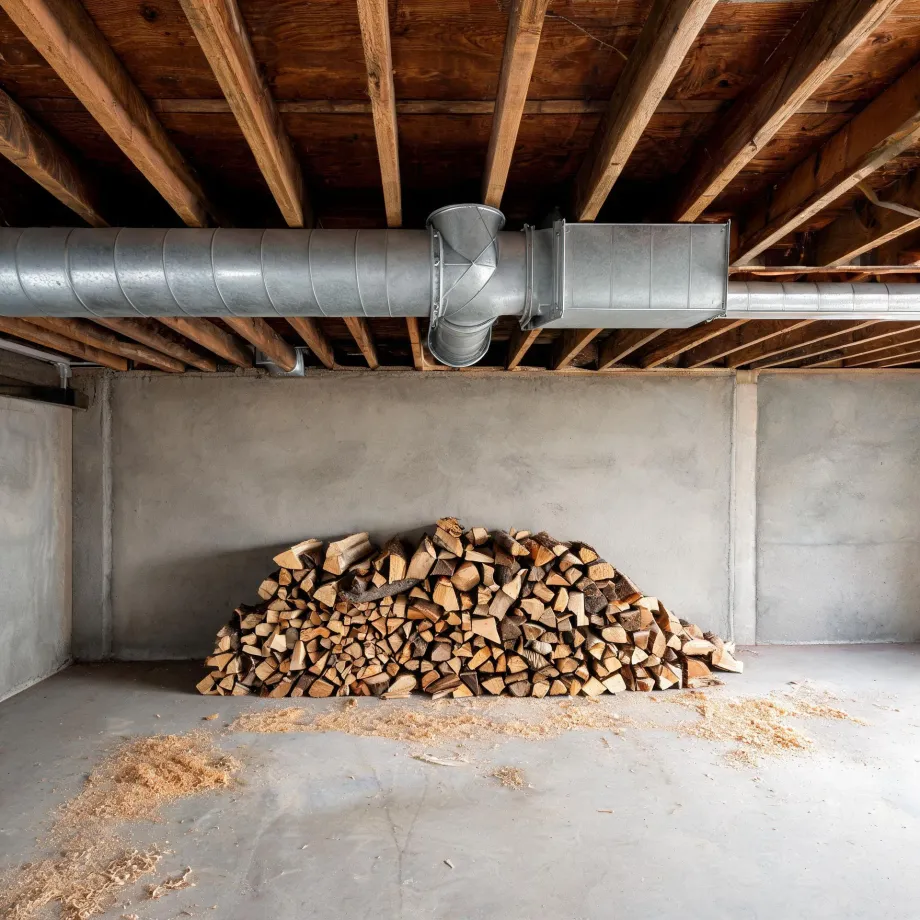
Existing ductwork is where a furnace installation in Boulder County either holds together or comes apart. Half the homes in Boulder County, Colorado were built in 1986 or earlier (2020-2024 ACS 5-year). Duct systems laid in for the equipment of that era were sized around different airflow demands, and a new furnace draws differently enough that a contractor has to assess the runs, the returns, and the trunk lines before the new unit is ever ordered. The electrical service gets the same look. What a contractor finds in those two places sets the actual scope of the job.
What Gets Installed With a New Furnace
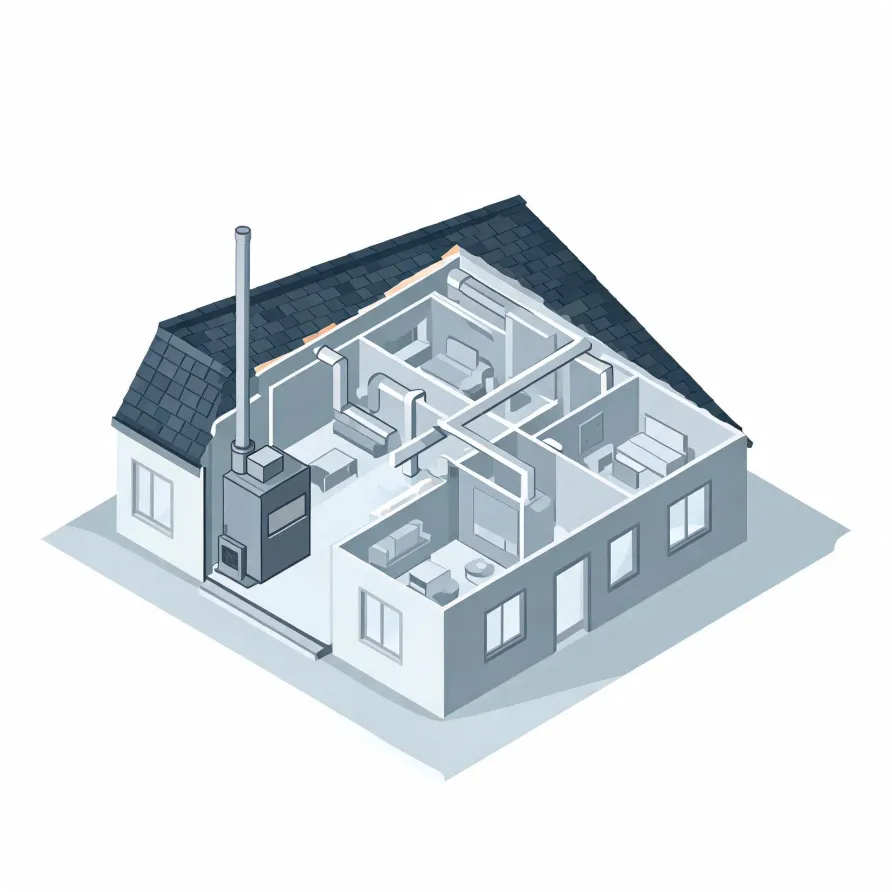
The furnace itself sits in the basement, utility room, or closet and is the unit a homeowner sees when they walk into the mechanical space. Inside it, a heat exchanger transfers combustion heat to moving air, and a blower fan pushes that warm air out into the house. A flue pipe runs from the furnace to the exterior, carrying combustion gases out.
The thermostat mounts on a main living-area wall and is the control point the household interacts with daily. A gas valve and a condensate or drain line connect to the furnace body itself, and a fresh-air intake pipe may run alongside the flue where the equipment calls for it.
The drawing shows a typical layout, and a licensed contractor determines what the configuration looks like in your specific home.
Get matched in Boulder CountyBoulder County, by the numbers
408 severe weather events were recorded in Boulder County, Colorado between 2015 and 2024.
NOAA National Centers for Environmental Information, Storm Events Database, bulk CSV export, events 2015-01-01 through 2024-12-31.Half the homes in Boulder County, Colorado were built in 1986 or earlier (2020-2024 ACS 5-year).
U.S. Census Bureau, 2020-2024 American Community Survey 5-Year EstimatesBoulder County, Colorado holds 144,729 housing units (2020-2024 ACS 5-year).
U.S. Census Bureau, 2020-2024 American Community Survey 5-Year EstimatesOwners occupy 62.0% of the occupied homes in Boulder County, Colorado (2020-2024 ACS 5-year).
U.S. Census Bureau, 2020-2024 American Community Survey 5-Year EstimatesFurnace Installation Rules for Boulder County, Colorado4 codes & standards
What the installation actually looks like
Non-weatherized gas furnaces manufactured on or after November 19, 2015 must reach 80.0 percent AFUE.
Non-weatherized oil-fired furnaces manufactured on or after November 19, 2015 must reach 83.0 percent AFUE.
Mobile home gas furnaces manufactured on or after November 19, 2015 must reach 80.0 percent AFUE.
Non-weatherized gas furnaces manufactured on or after December 18, 2028 must reach 95.0 percent AFUE, up from the 80.0 percent minimum that applies to units manufactured before that date.
Severe Weather in Boulder County
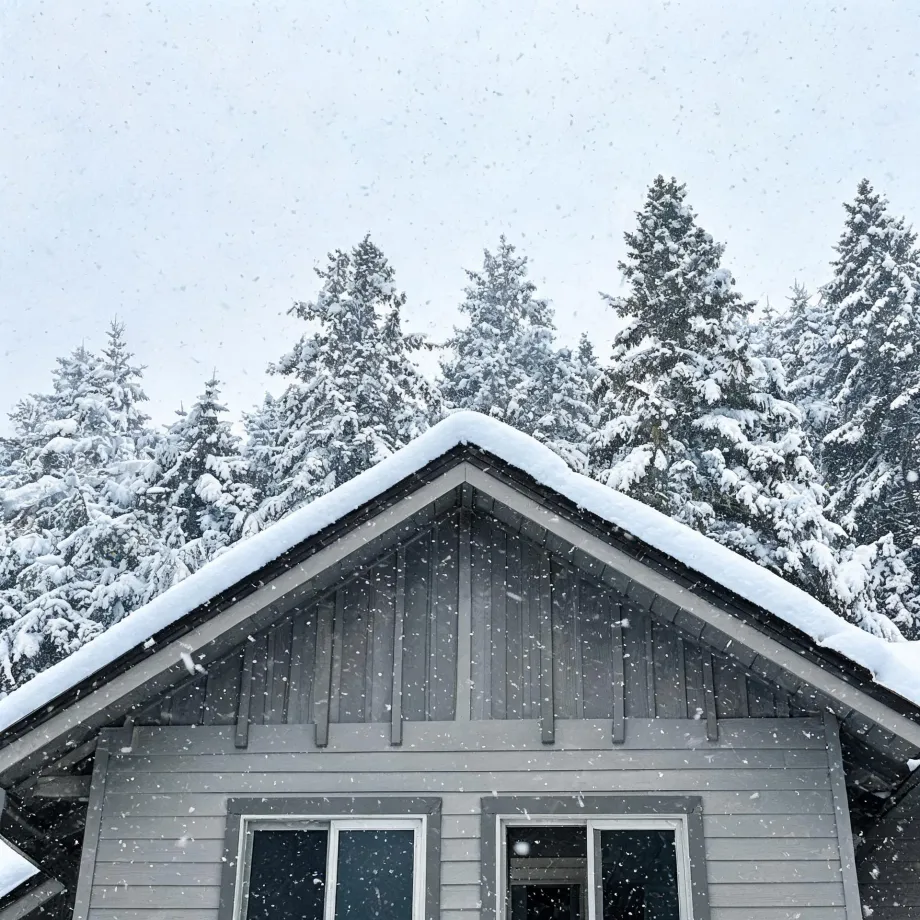
Weather events put a measurable load on heating equipment, shortening service intervals and shaping how a system needs to be sized and installed. A furnace built for Boulder County conditions is not the same specification as one built for milder ground.
408 severe weather events, 2015–2024. Source: NOAA National Centers for Environmental Information, Storm Events Database.