Tell us about the job
Takes about a minute. No obligation.
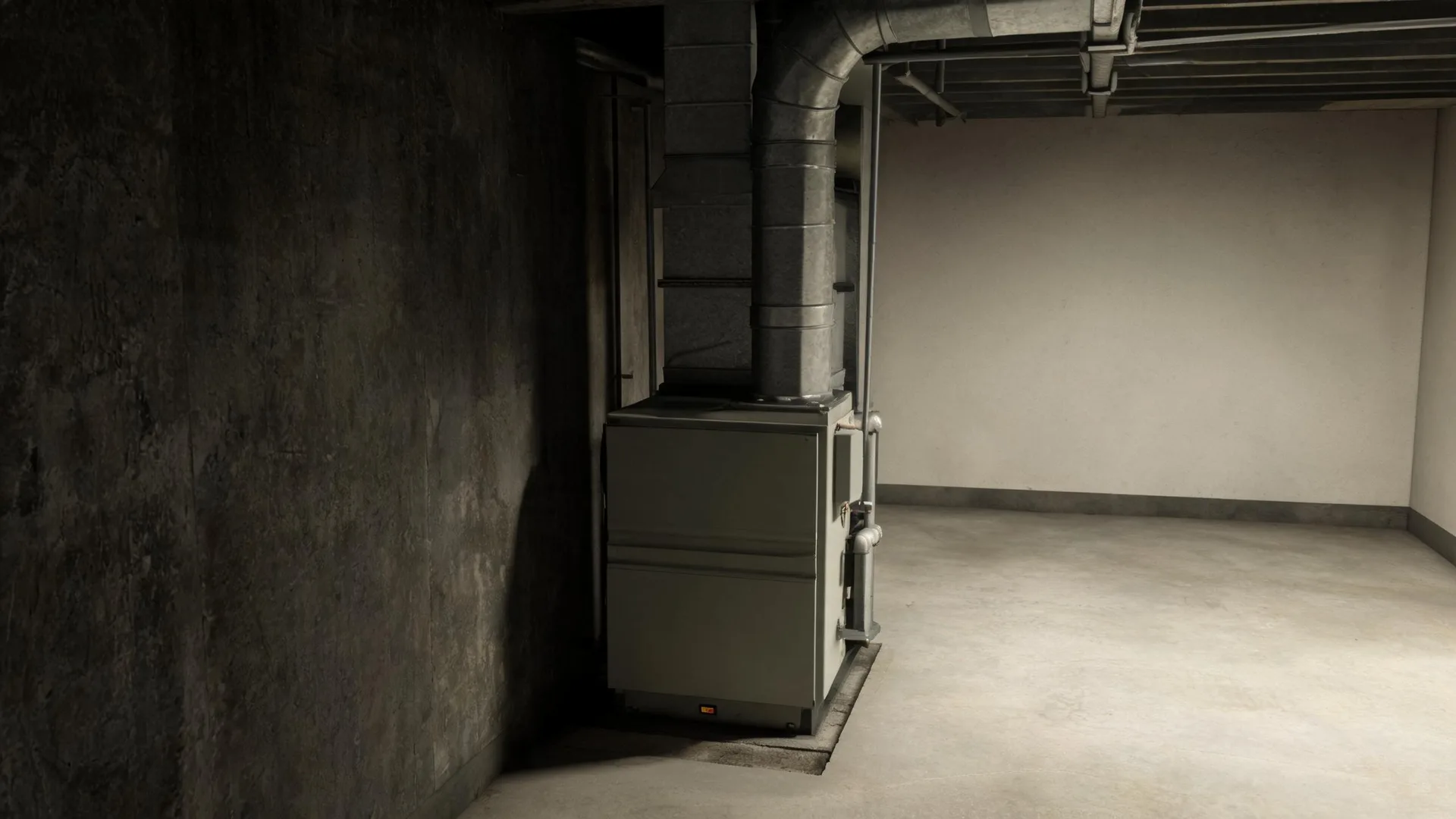
A furnace repair in Lincoln County starts with the burner and heat exchanger, because those are the parts that cycle every time the system fires. Homes in Lincoln County, CO run heat about eight months a year, from October through May. A contractor opening a furnace here expects to find wear on the ignition system and fatigue in the heat exchanger that reflects years of sustained use. If either component is borderline, that finding shapes the whole repair scope, including whether a patch or a full replacement makes more sense given what else the inspection turns up.
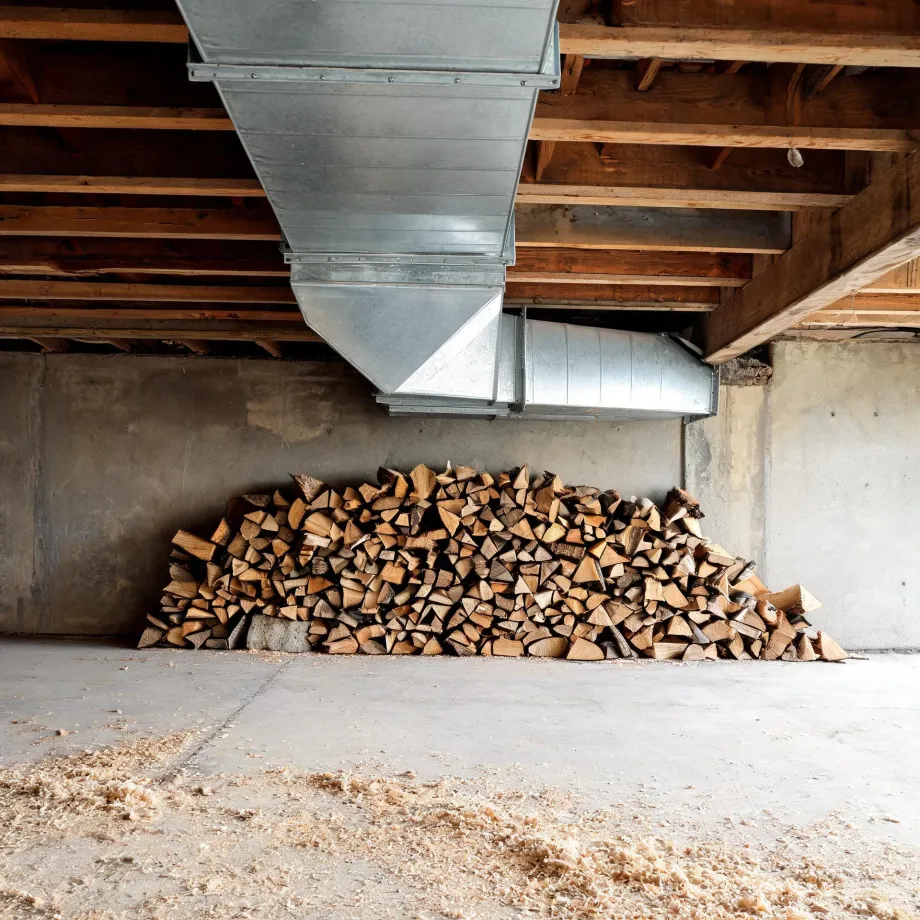
Ductwork laid out for one furnace and adapted for the next one, and the one after that, is what a contractor finds in much of this county's housing. Half the homes in Lincoln County, Colorado were built in 1967 or earlier (2020-2024 ACS 5-year). A furnace old enough to match stock like this draws from a parts catalog that shrinks every year, and what the opened unit needs may not be a shelf item anymore. That gap between what the system takes and what a supplier stocks is where repair costs move, and it shows up only once the cabinet is open.
The Parts of a Furnace a Contractor Checks First
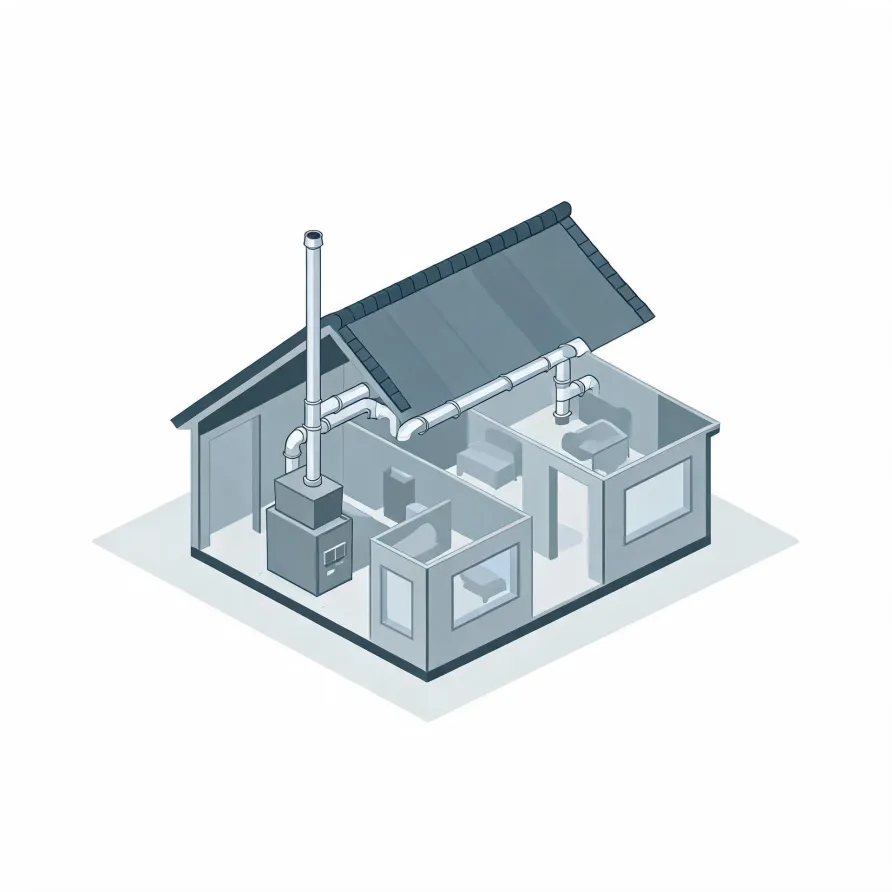
The furnace itself sits in a basement, utility closet, or garage and is the first thing a contractor opens up. Inside it, the heat exchanger is the part most likely to explain lost heat or odd smells, and the burner assembly beneath it is where combustion problems start. The blower motor pulls air across the exchanger and pushes it through the house; when airflow drops off, that motor is an early suspect.
The flue pipe runs from the furnace up and out of the house, carrying combustion gases away, and a crack or blockage there shows up as a safety fault. Alongside the furnace sits the control board, which reads the thermostats signals and sequences every component in order. The igniter and the flame sensor work together at startup, and either one failing stops the furnace from lighting at all.
The drawing shows a typical furnace layout, and a licensed contractor determines which parts apply to your specific system.
Get matched in Lincoln CountyLincoln County, by the numbers
265 severe weather events were recorded in Lincoln County, Colorado between 2015 and 2024.
NOAA National Centers for Environmental Information, Storm Events Database, bulk CSV export, events 2015-01-01 through 2024-12-31.Half the homes in Lincoln County, Colorado were built in 1967 or earlier (2020-2024 ACS 5-year).
U.S. Census Bureau, 2020-2024 American Community Survey 5-Year EstimatesLincoln County, Colorado holds 2,382 housing units (2020-2024 ACS 5-year).
U.S. Census Bureau, 2020-2024 American Community Survey 5-Year EstimatesOwners occupy 71.7% of the occupied homes in Lincoln County, Colorado (2020-2024 ACS 5-year).
U.S. Census Bureau, 2020-2024 American Community Survey 5-Year EstimatesCodes & Standards Governing Furnace Repair in Lincoln County, Colorado4 rules & standards
What HVAC Repair Looks Like in Lincoln County
Non-weatherized gas furnaces manufactured on or after November 19, 2015 must reach 80.0 percent AFUE.
Non-weatherized oil-fired furnaces manufactured on or after November 19, 2015 must reach 83.0 percent AFUE.
Mobile home gas furnaces manufactured on or after November 19, 2015 must reach 80.0 percent AFUE.
Non-weatherized gas furnaces manufactured on or after December 18, 2028 must reach 95.0 percent AFUE, up from the 80.0 percent minimum that applies to units manufactured before that date.
Severe Weather Events in Lincoln County
Extreme weather puts real stress on furnace components, forcing the equipment to run harder and fail sooner. How often that happens in Lincoln County shapes what local furnaces go through and what repair work they need.
265 severe weather events, 2015–2024. Source: NOAA National Centers for Environmental Information, Storm Events Database.