Tell us about the job
Takes about a minute. No obligation.
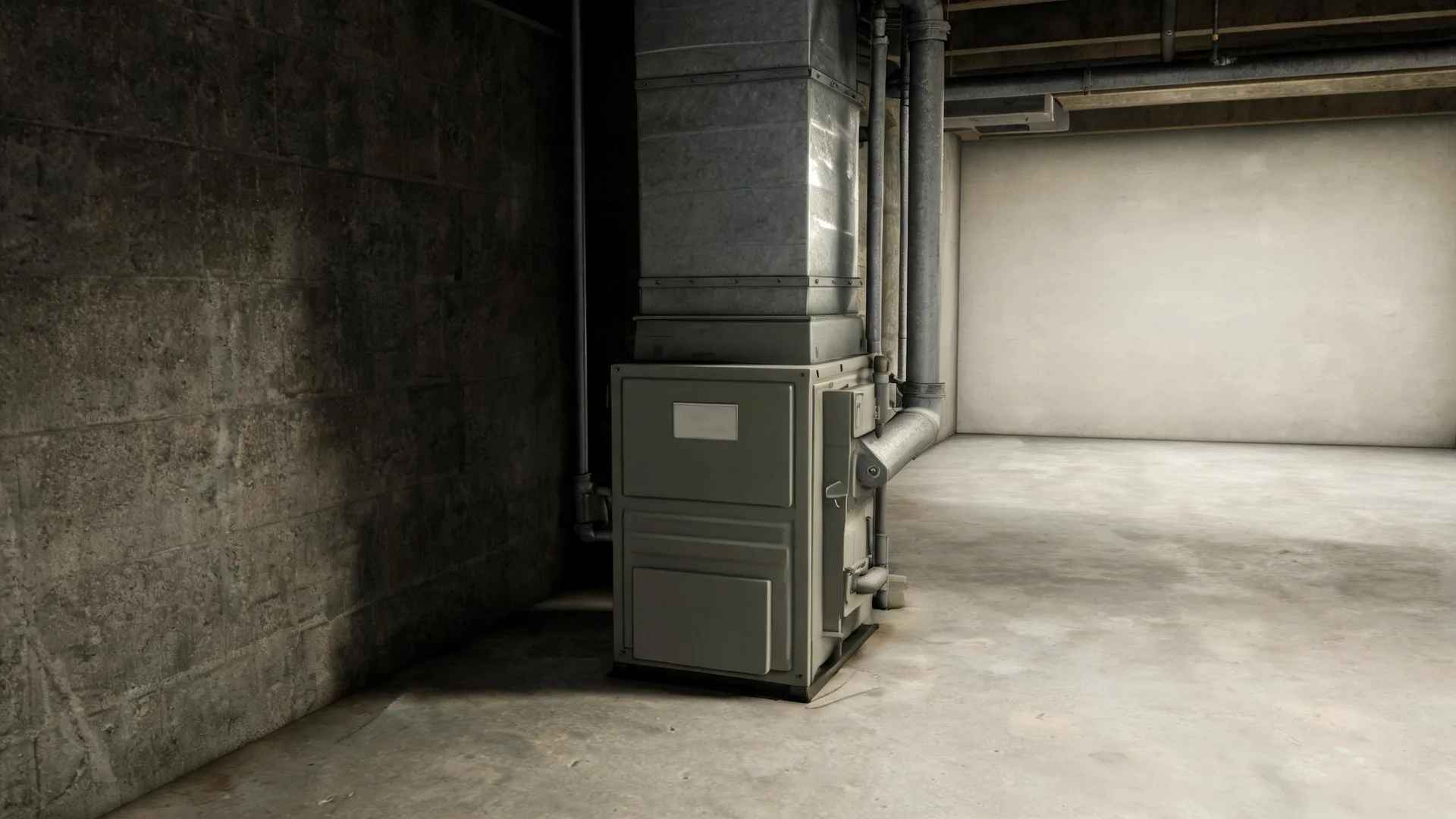
A contractor quoting a furnace repair in La Plata County has to look hard at the burner, the heat exchanger, and the ignition system before settling on a scope, because those are the parts that carry the real load here. Homes in La Plata County, CO run heat about ten months a year, from September through June. Cycling hardware wears by use, and a burner that fires and shuts down through nearly the entire calendar year accumulates that wear in the components a homeowner rarely sees until one fails. Cracks in a heat exchanger or a weakened igniter do not announce themselves early. A contractor who opens the cabinet on a call about one symptom often finds a second component already past its service point.
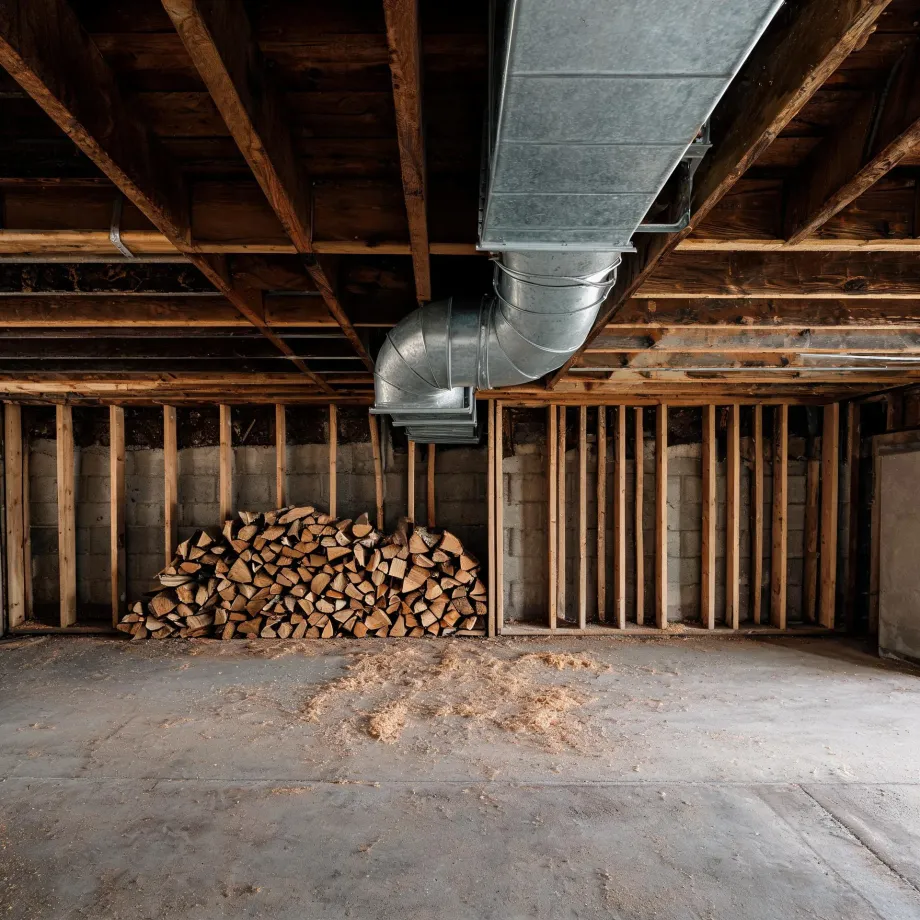
Furnace repair in older housing stock runs into a specific problem: the systems that have been heating these homes through high-altitude winters are old enough that the parts they require are no longer standard inventory. A contractor who opens a furnace here may identify the failed component quickly and then spend real time sourcing it. Half the homes in La Plata County, Colorado were built in 1993 or earlier (2020-2024 ACS 5-year). Stock built in that era was matched to equipment that manufacturers have since discontinued, and replacement parts for those units sit at the edge of what distributors still carry. That supply gap is what decides how long a repair takes and what it costs.
The Parts of a Furnace a Contractor Checks First
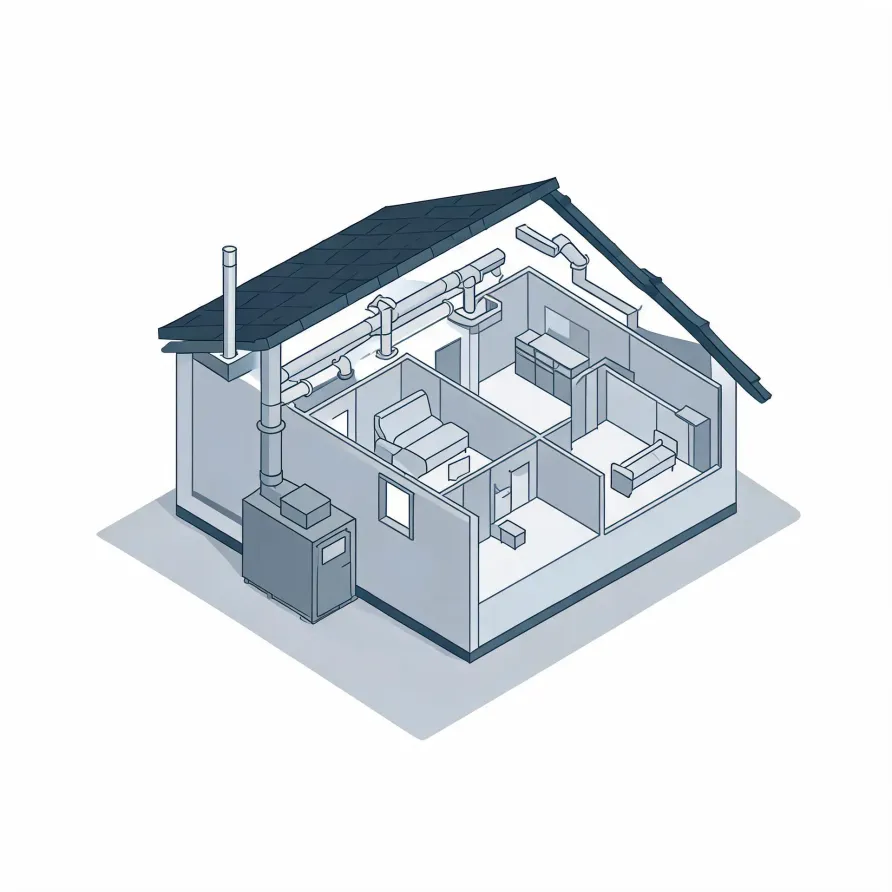
The furnace itself sits in a mechanical room, basement, or utility closet and is the piece a contractor reaches first. Inside it, the heat exchanger is the part that fails quietly and matters most: cracks there let combustion gases into the airstream. The burners, igniter, and flame sensor all sit within the same cabinet and are the first components a contractor tests when the furnace does not light or does not stay lit.
The blower motor and its wheel sit at the base of the furnace cabinet and push conditioned air out through the supply side of the house. The flue pipe runs from the top or back of the cabinet up and out of the building, and a blocked or corroded flue will shut a furnace down as reliably as any internal part failure. The thermostat on the wall is the starting point of any call for heat, and a contractor checks its wiring and signal before opening the cabinet.
The drawing shows a typical furnace layout, and a licensed contractor determines which components apply to your specific system and situation.
Get matched in La Plata CountyLa Plata County, by the numbers
167 severe weather events were recorded in La Plata County, Colorado between 2015 and 2024.
NOAA National Centers for Environmental Information, Storm Events Database, bulk CSV export, events 2015-01-01 through 2024-12-31.Half the homes in La Plata County, Colorado were built in 1993 or earlier (2020-2024 ACS 5-year).
U.S. Census Bureau, 2020-2024 American Community Survey 5-Year EstimatesLa Plata County, Colorado holds 28,990 housing units (2020-2024 ACS 5-year).
U.S. Census Bureau, 2020-2024 American Community Survey 5-Year EstimatesOwners occupy 70.9% of the occupied homes in La Plata County, Colorado (2020-2024 ACS 5-year).
U.S. Census Bureau, 2020-2024 American Community Survey 5-Year EstimatesCodes & Standards Covering Furnace Repair in La Plata County, Colorado4 sourced rules and standards
What the repair visit looks like
Non-weatherized gas furnaces manufactured on or after November 19, 2015 must reach 80.0 percent AFUE.
Non-weatherized oil-fired furnaces manufactured on or after November 19, 2015 must reach 83.0 percent AFUE.
Mobile home gas furnaces manufactured on or after November 19, 2015 must reach 80.0 percent AFUE.
Non-weatherized gas furnaces manufactured on or after December 18, 2028 must reach 95.0 percent AFUE, up from the 80.0 percent minimum that applies to units manufactured before that date.
Severe Weather Events in La Plata County
Extreme weather puts hours on a furnace fast, and La Plata County's climate does not treat equipment gently. How hard the weather pushes here is a local fact, and it shapes how much repair work furnaces in this area actually carry.
167 severe weather events, 2015–2024. Source: NOAA National Centers for Environmental Information, Storm Events Database.