Tell us about the job
Takes about a minute. No obligation.
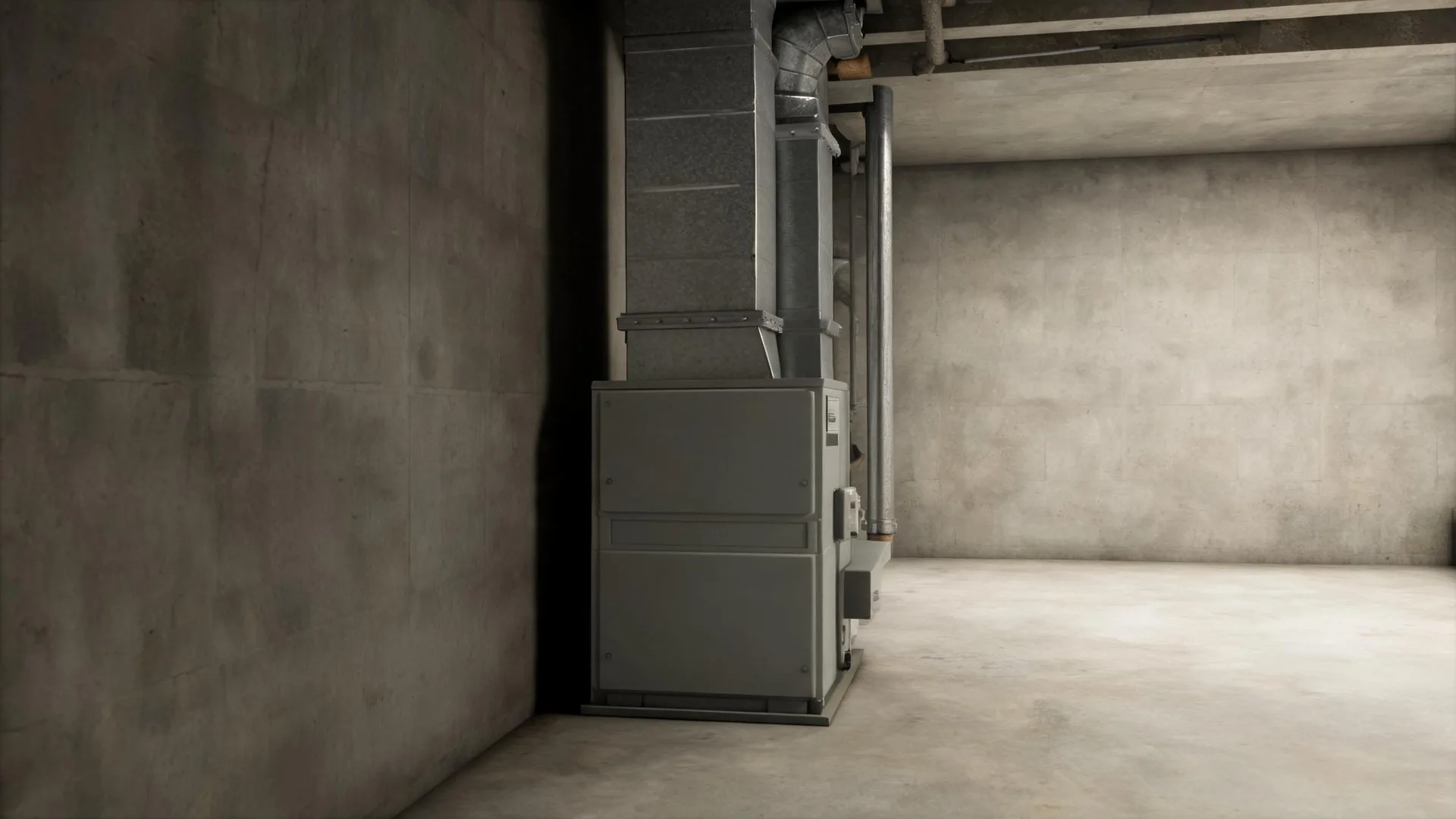
A furnace in San Juan County works the burner, the heat exchanger, and the ignition system hard, with almost no idle stretch where wear can sit unnoticed. Homes in San Juan County, CO run heat in every month of the year. When a contractor opens a unit here, the heat exchanger is the first place they look, because it carries the thermal cycling that accumulates over a full calendar of heating. Cracks or fatigue that might go undiscovered in a shorter season surface sooner when the equipment rarely stops. The ignition system follows, since frequent cycling is what kills igniters.
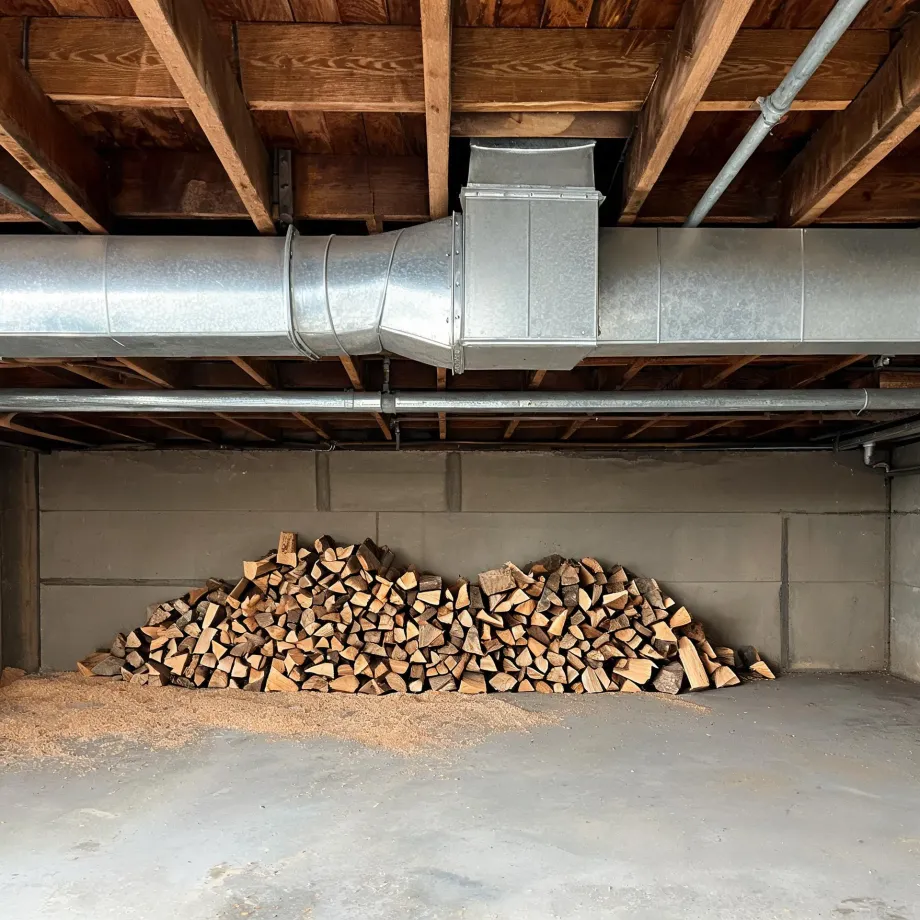
Older ductwork in this county's housing stock was routed around heating equipment that no longer exists, and the furnaces running in those shells today are rarely the first replacement. Half the homes in San Juan County, Colorado were built in 1979 or earlier (2020-2024 ACS 5-year). When a contractor opens a furnace here, the real variable is whether the heat exchanger, draft inducer, or control board it takes is still manufactured, or whether the repair becomes a sourcing problem before it becomes a labor one.
The Parts of a Furnace a Contractor Checks First
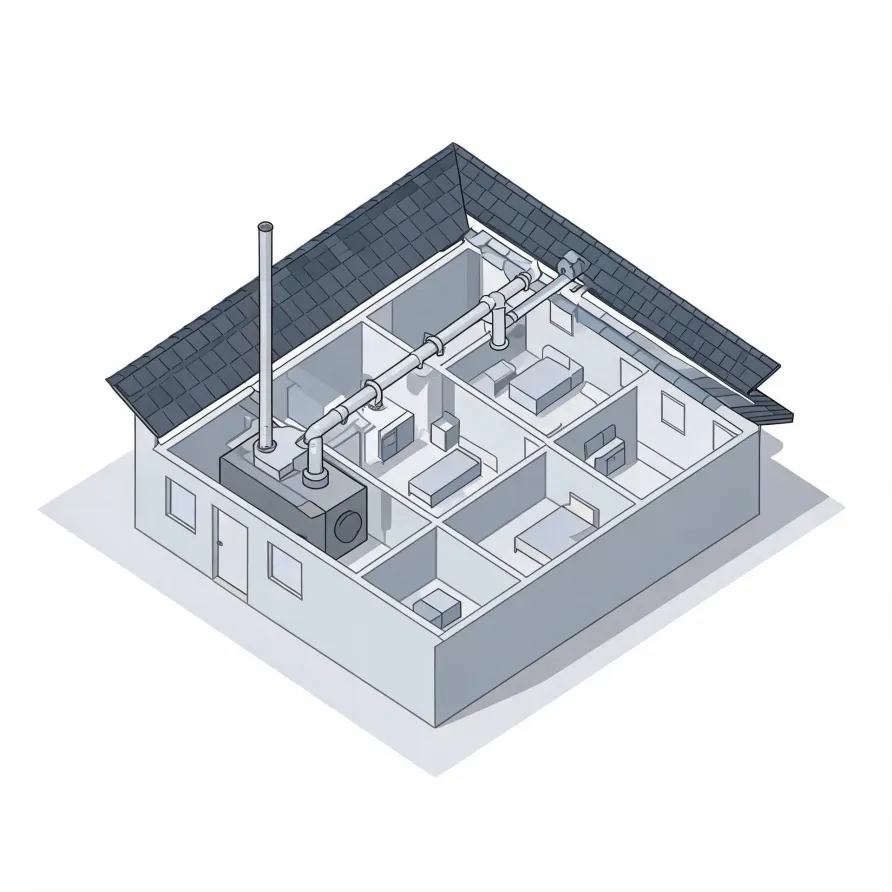
The furnace itself sits in a utility room, basement, or closet and is the piece a contractor goes to first. Inside it, the heat exchanger is the part most likely to be behind a heating failure or a safety concern, and the burners that fire beneath it are checked alongside it. The blower motor, also inside the cabinet, moves air through the system and is a common source of both no-heat and no-airflow calls.
The flue pipe runs from the furnace cabinet up and out of the house, carrying combustion gases away, and a blockage or crack there shows up as a system shutdown or a carbon monoxide risk. The thermostat on the wall is the other end of the conversation: a contractor checks it early because a wiring fault or a failed sensor there can look exactly like a furnace problem.
The drawing shows a typical layout, and a licensed contractor determines what applies to this particular house and system.
Get matched in San Juan CountySan Juan County, by the numbers
95 severe weather events were recorded in San Juan County, Colorado between 2015 and 2024.
NOAA National Centers for Environmental Information, Storm Events Database, bulk CSV export, events 2015-01-01 through 2024-12-31.Half the homes in San Juan County, Colorado were built in 1979 or earlier (2020-2024 ACS 5-year).
U.S. Census Bureau, 2020-2024 American Community Survey 5-Year EstimatesSan Juan County, Colorado holds 738 housing units (2020-2024 ACS 5-year).
U.S. Census Bureau, 2020-2024 American Community Survey 5-Year EstimatesOwners occupy 52.9% of the occupied homes in San Juan County, Colorado (2020-2024 ACS 5-year).
U.S. Census Bureau, 2020-2024 American Community Survey 5-Year EstimatesCodes & Standards Governing Furnace Repair in San Juan County, Colorado4 sourced rules and standards
What HVAC Repair Looks Like in San Juan County
Non-weatherized gas furnaces manufactured on or after November 19, 2015 must reach 80.0 percent AFUE.
Non-weatherized oil-fired furnaces manufactured on or after November 19, 2015 must reach 83.0 percent AFUE.
Mobile home gas furnaces manufactured on or after November 19, 2015 must reach 80.0 percent AFUE.
Non-weatherized gas furnaces manufactured on or after December 18, 2028 must reach 95.0 percent AFUE, up from the 80.0 percent minimum that applies to units manufactured before that date.
Weather Stress on HVAC Equipment in San Juan County
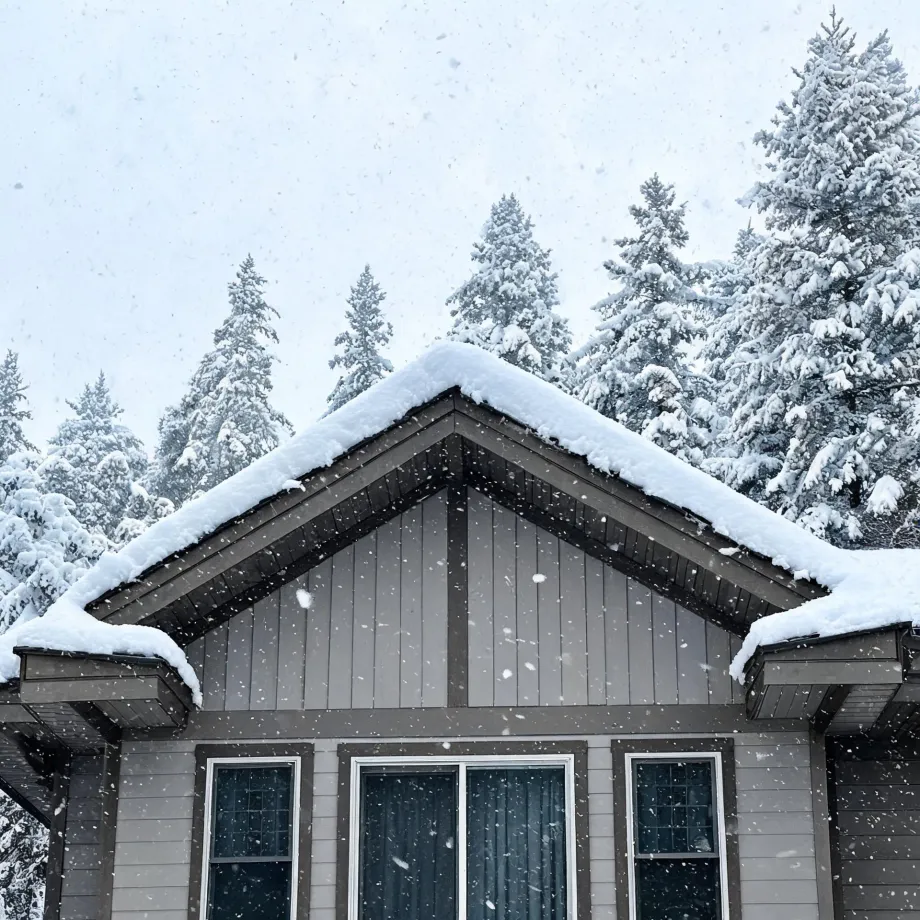
Furnaces in San Juan County work against whatever the local climate throws at them, and that load shapes how hard the equipment runs and how fast wear accumulates. Repair demand here follows the weather, which makes local conditions a practical part of understanding what your furnace is up against.
95 severe weather events, 2015–2024. Source: NOAA National Centers for Environmental Information, Storm Events Database.