Tell us about the job
Takes about a minute. No obligation.
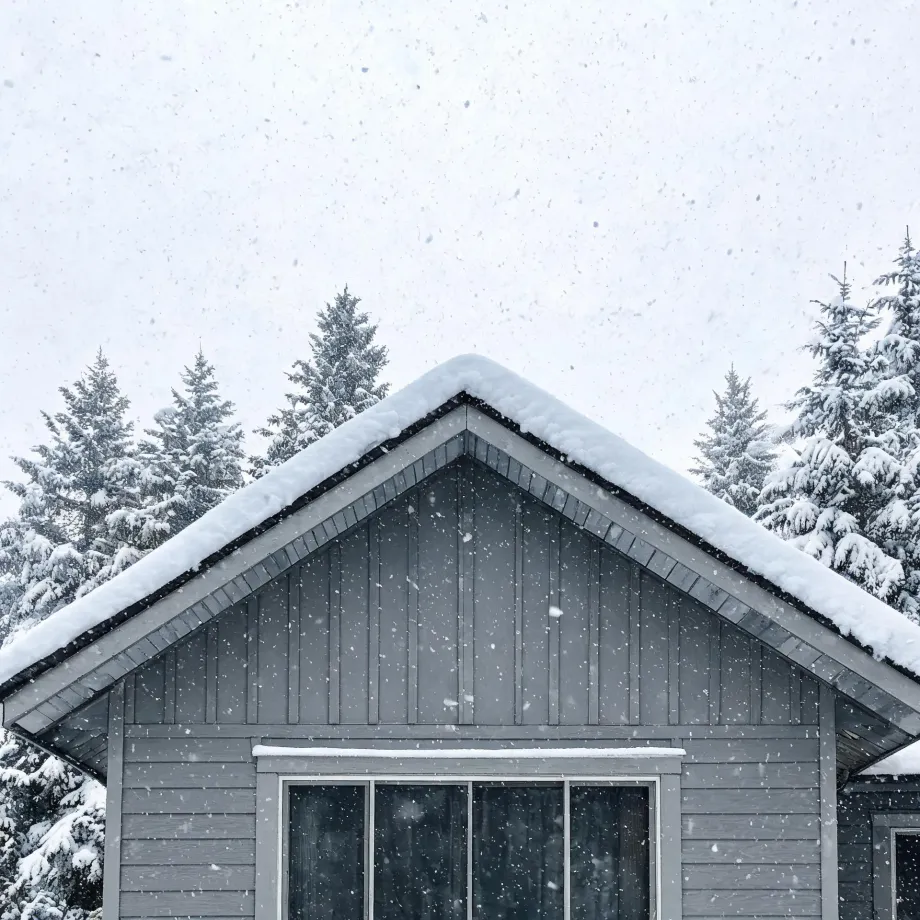
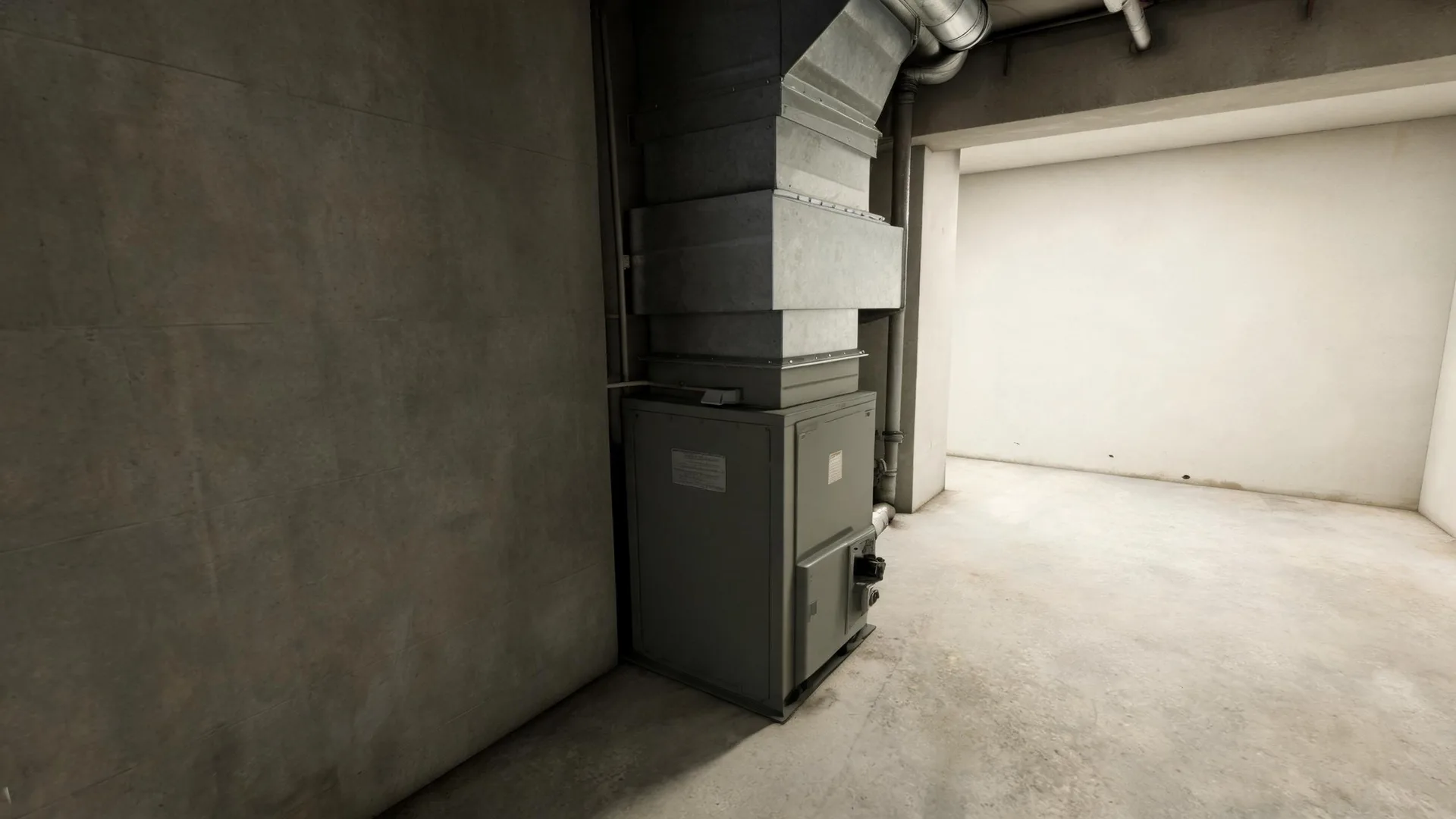
Sizing a furnace for Cheyenne County means sizing for a system that is running, not resting. Homes in Cheyenne County, CO run heat about eight months a year, from October through May. The burner, the igniter, and the heat exchanger carry that load through repeated daily cycles, and a unit that is undersized for the house works harder through every one of them. Wear on those components accumulates in proportion to runtime, so a contractor has to establish correct sizing before the quote is written. An install that is right on paper but short on capacity will show its faults in cracked exchangers and failed igniters well ahead of schedule.
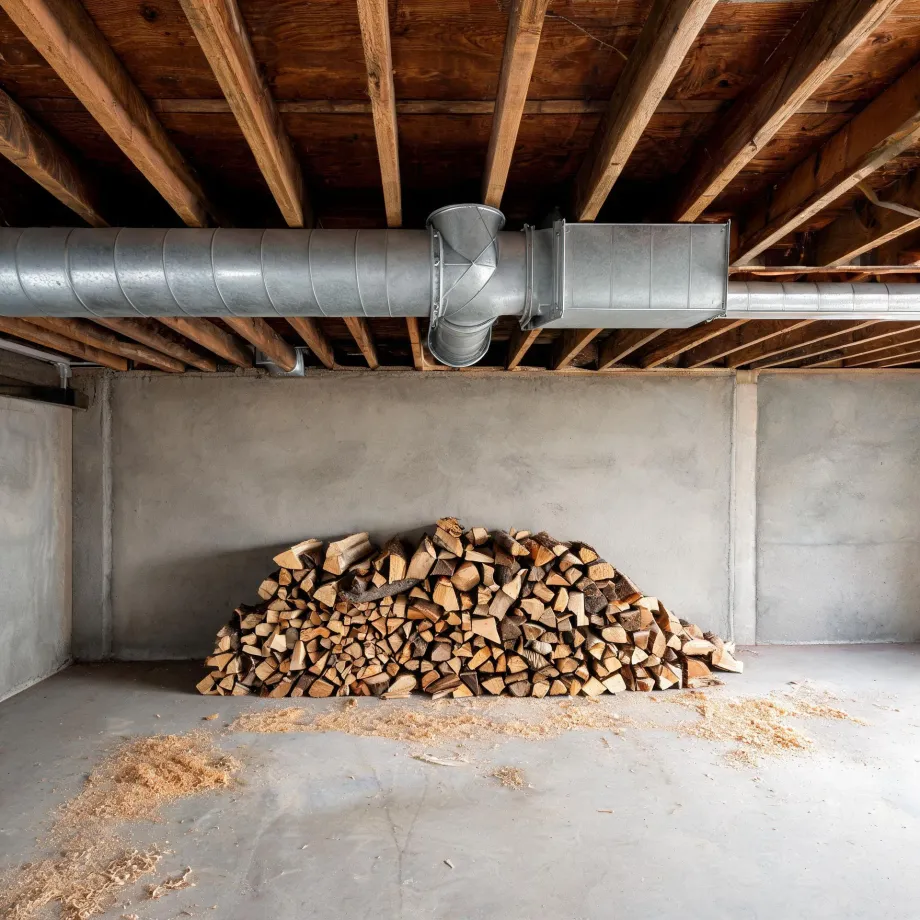
Ductwork sized for a previous system is what a contractor is actually pricing around when a new furnace goes in here. Half the homes in Cheyenne County, Colorado were built in 1968 or earlier (2020-2024 ACS 5-year). That long gap between when the ducts were laid and what a new unit needs to push through them is where installs run into trouble. A run that worked for the old equipment may restrict airflow enough that a properly sized furnace short-cycles. The electrical is worth checking too, but ductwork is where the variables are.
What Gets Installed With a New Furnace
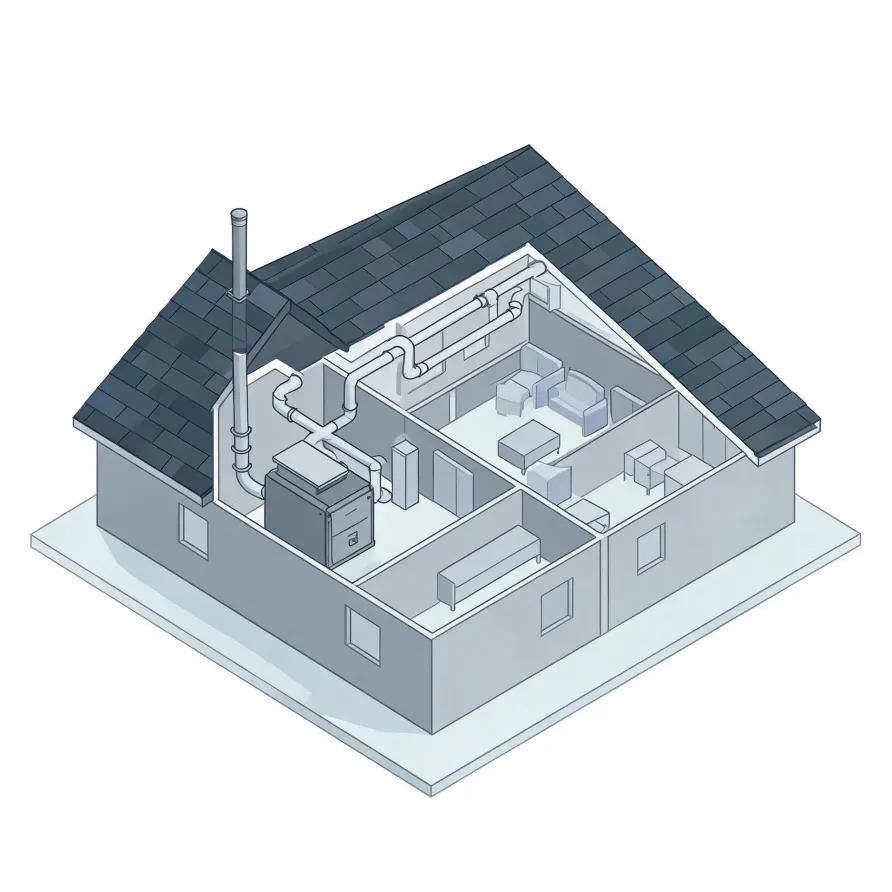
The furnace itself sits in a utility space, basement, or closet and is the heart of what gets purchased. A contractor mounts the heat exchanger and burner assembly inside the cabinet, connects the gas line, and sets the flue pipe to carry combustion gases out of the house. That cabinet is what you see when you look at the finished installation.
The air handler components, including the blower motor and its housing, sit inside or immediately beside the furnace cabinet and push conditioned air into the supply side of the duct system. The thermostat mounts on a main-floor wall and gives the homeowner direct control over when the furnace fires.
The drawing shows a representative layout, and a licensed contractor determines exactly how each piece is positioned and connected in your home.
Get matched in Cheyenne CountyCheyenne County, by the record
288 severe weather events were recorded in Cheyenne County, Colorado between 2015 and 2024.
NOAA National Centers for Environmental Information, Storm Events Database, bulk CSV export, events 2015-01-01 through 2024-12-31.Half the homes in Cheyenne County, Colorado were built in 1968 or earlier (2020-2024 ACS 5-year).
U.S. Census Bureau, 2020-2024 American Community Survey 5-Year EstimatesCheyenne County, Colorado holds 986 housing units (2020-2024 ACS 5-year).
U.S. Census Bureau, 2020-2024 American Community Survey 5-Year EstimatesOwners occupy 72.6% of the occupied homes in Cheyenne County, Colorado (2020-2024 ACS 5-year).
U.S. Census Bureau, 2020-2024 American Community Survey 5-Year EstimatesFurnace Installation Rules for Cheyenne County, Colorado4 codes & standards
What the installation looks like from your side
Non-weatherized gas furnaces manufactured on or after November 19, 2015 must reach 80.0 percent AFUE.
Non-weatherized oil-fired furnaces manufactured on or after November 19, 2015 must reach 83.0 percent AFUE.
Mobile home gas furnaces manufactured on or after November 19, 2015 must reach 80.0 percent AFUE.
Non-weatherized gas furnaces manufactured on or after December 18, 2028 must reach 95.0 percent AFUE, up from the 80.0 percent minimum that applies to units manufactured before that date.
Severe Weather Events in Cheyenne County
Heating equipment works harder when local weather swings wide, and that load shapes what a furnace needs to handle year after year. How much stress a system faces in Cheyenne County is a local fact, not a general one, and it belongs in any honest conversation about installation.
288 severe weather events, 2015–2024. Source: NOAA National Centers for Environmental Information, Storm Events Database.