Tell us about the job
Takes about a minute. No obligation.
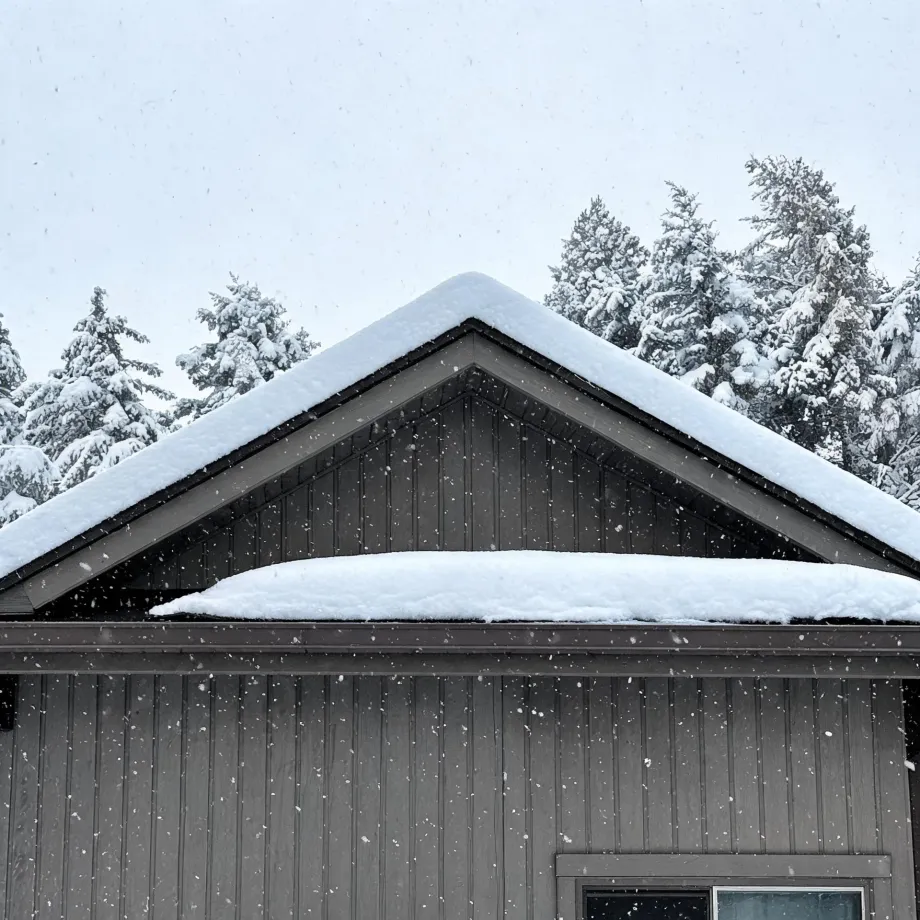
Homes in Alamosa County, CO run heat about nine months a year, from September through May. The burner and ignition system on a furnace in Alamosa County cycle through the bulk of that season, and a contractor diagnosing a repair here finds those components have accumulated real wear before most other parts have been touched. An igniter that fails on a cold January morning has usually shown stress in the weeks before it goes. A contractor working a furnace in this county pulls the heat exchanger and ignition assembly first, because that is where the load lands year after year, and a cracked exchanger or a failing igniter is a more likely cause of a breakdown here than a problem with the blower or the controls.
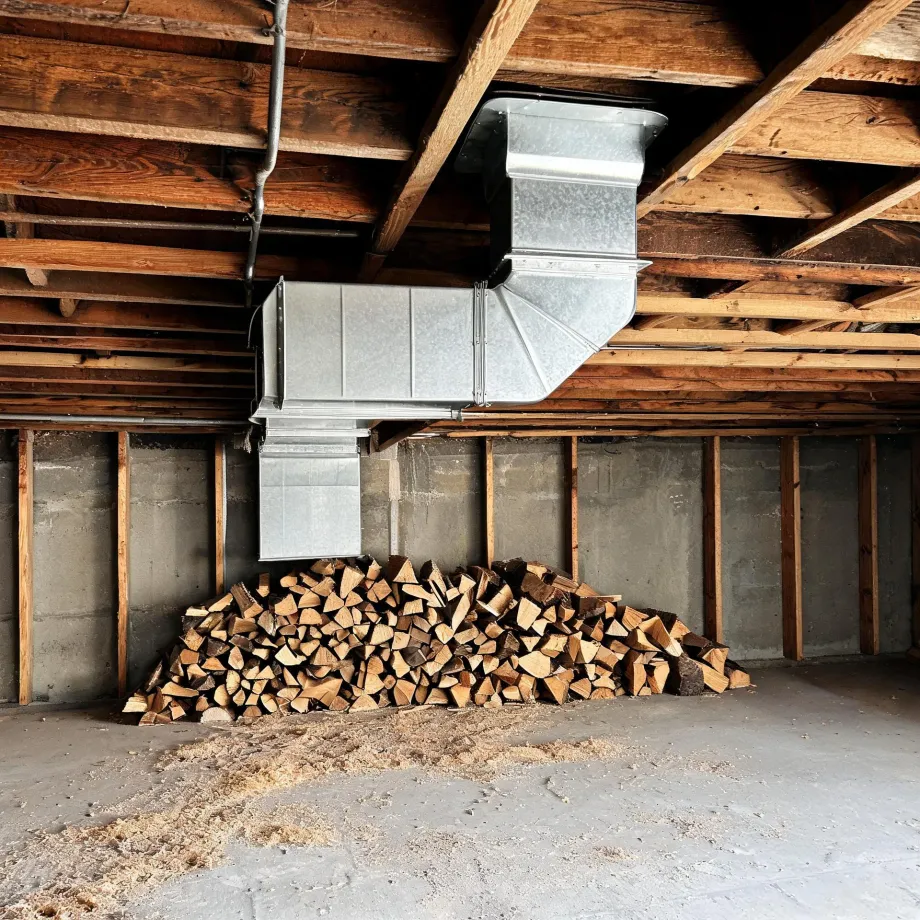
Furnaces in a lot of Alamosa County homes have been running long enough that what a contractor finds inside the cabinet is often the real variable. Half the homes in Alamosa County, Colorado were built in 1982 or earlier (2020-2024 ACS 5-year). That means repair calls here regularly surface components whose parts catalogs have thinned out: a cracked heat exchanger or a failed gas valve on a system old enough that stocking dealers have discontinued the line. A contractor opening that cabinet has to price the actual part before the repair scope is real.
The Parts of a Furnace a Contractor Checks First
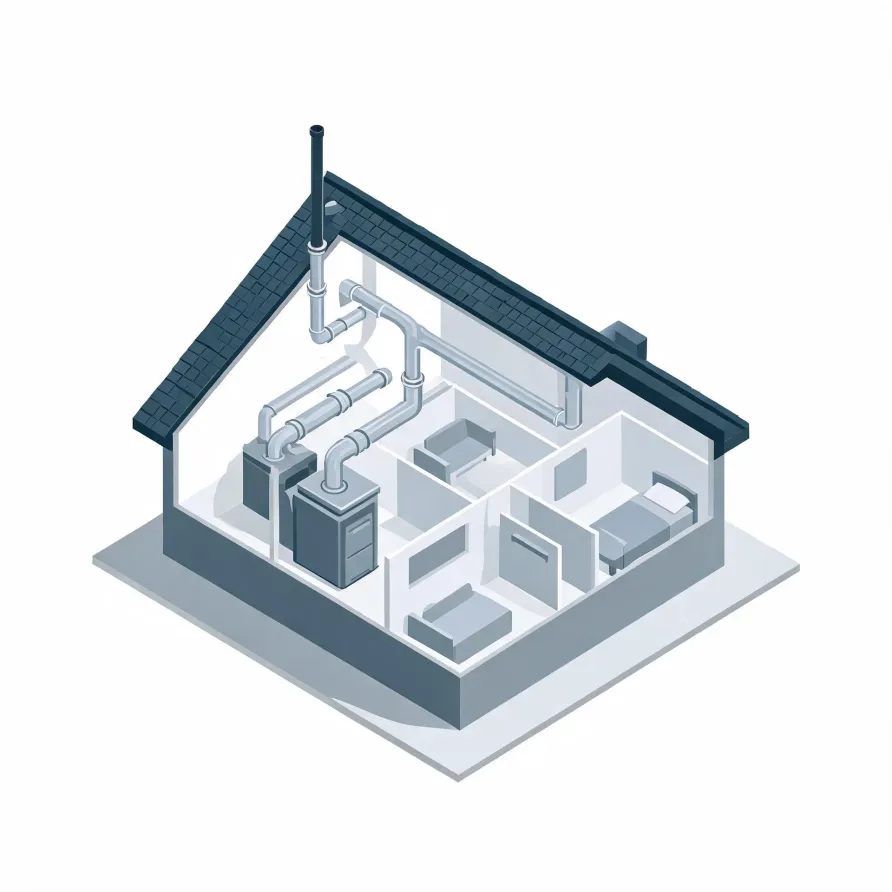
The heat exchanger sits at the center of the furnace cabinet and is the piece a contractor looks at closely when a furnace runs but fails to heat properly or when carbon monoxide is a concern. The burner assembly sits just below it, and a fault there shows up as ignition failure, short cycling, or an uneven flame. The draft inducer motor, mounted at the top of the cabinet, pulls combustion gases out and is a common source of startup noise and pressure faults.
The blower motor and its wheel sit in the lower half of the cabinet and move conditioned air into the supply side of the house. The control board runs alongside the blower compartment and coordinates every sequence the furnace runs through. When a furnace behaves erratically or throws an error code, the board and its wiring are where a contractor starts reading the story.
The drawing shows a typical furnace layout, and a licensed contractor determines which components apply and what condition they are in for your specific system.
Get matched in Alamosa CountyAlamosa County by the Numbers
178 severe weather events were recorded in Alamosa County, Colorado between 2015 and 2024.
NOAA National Centers for Environmental Information, Storm Events Database, bulk CSV export, events 2015-01-01 through 2024-12-31.Half the homes in Alamosa County, Colorado were built in 1982 or earlier (2020-2024 ACS 5-year).
U.S. Census Bureau, 2020-2024 American Community Survey 5-Year EstimatesAlamosa County, Colorado holds 7,241 housing units (2020-2024 ACS 5-year).
U.S. Census Bureau, 2020-2024 American Community Survey 5-Year EstimatesOwners occupy 55.9% of the occupied homes in Alamosa County, Colorado (2020-2024 ACS 5-year).
U.S. Census Bureau, 2020-2024 American Community Survey 5-Year EstimatesCodes & Standards Covering Furnace Repair in Alamosa County, Colorado4 sourced rules and standards
What the repair visit looks like
Non-weatherized gas furnaces manufactured on or after November 19, 2015 must reach 80.0 percent AFUE.
Non-weatherized oil-fired furnaces manufactured on or after November 19, 2015 must reach 83.0 percent AFUE.
Mobile home gas furnaces manufactured on or after November 19, 2015 must reach 80.0 percent AFUE.
Non-weatherized gas furnaces manufactured on or after December 18, 2028 must reach 95.0 percent AFUE, up from the 80.0 percent minimum that applies to units manufactured before that date.
Severe Weather Events in Alamosa County
Extreme weather puts real strain on furnace components, from heat exchangers to ignition systems, because the equipment works harder and longer during the worst conditions. How much stress a furnace takes on is a local question, and the pattern of severe weather in Alamosa County is part of that answer.
178 severe weather events, 2015–2024. Source: NOAA National Centers for Environmental Information, Storm Events Database.