
A clean light-off
The burners catch right away, with a soft whoosh instead of a bang. No pause, no buildup, no delay between the gas valve opening and the flame showing. The furnace just starts.
A bang when your furnace kicks on usually means delayed ignition. Gas builds up in the burner chamber for a second or two longer than it should before it lights, and when it finally catches, it catches all at once. That small explosion is the bang you hear. The usual cause is a dirty burner or a failing igniter, something that slows down how fast the flame can spread across the burners. A bang when the furnace shuts off is different. That is usually the ductwork popping as the metal cools and contracts, and on its own it is not serious. But a bang at startup is worth having looked at. Delayed ignition gets worse over time, not better, and it puts stress on the heat exchanger every time it happens. In a Colorado winter, with the furnace running for months, that stress adds up fast. A furnace tech who works on these all season can tell you from the burner condition alone whether it is a quick cleaning or something more.
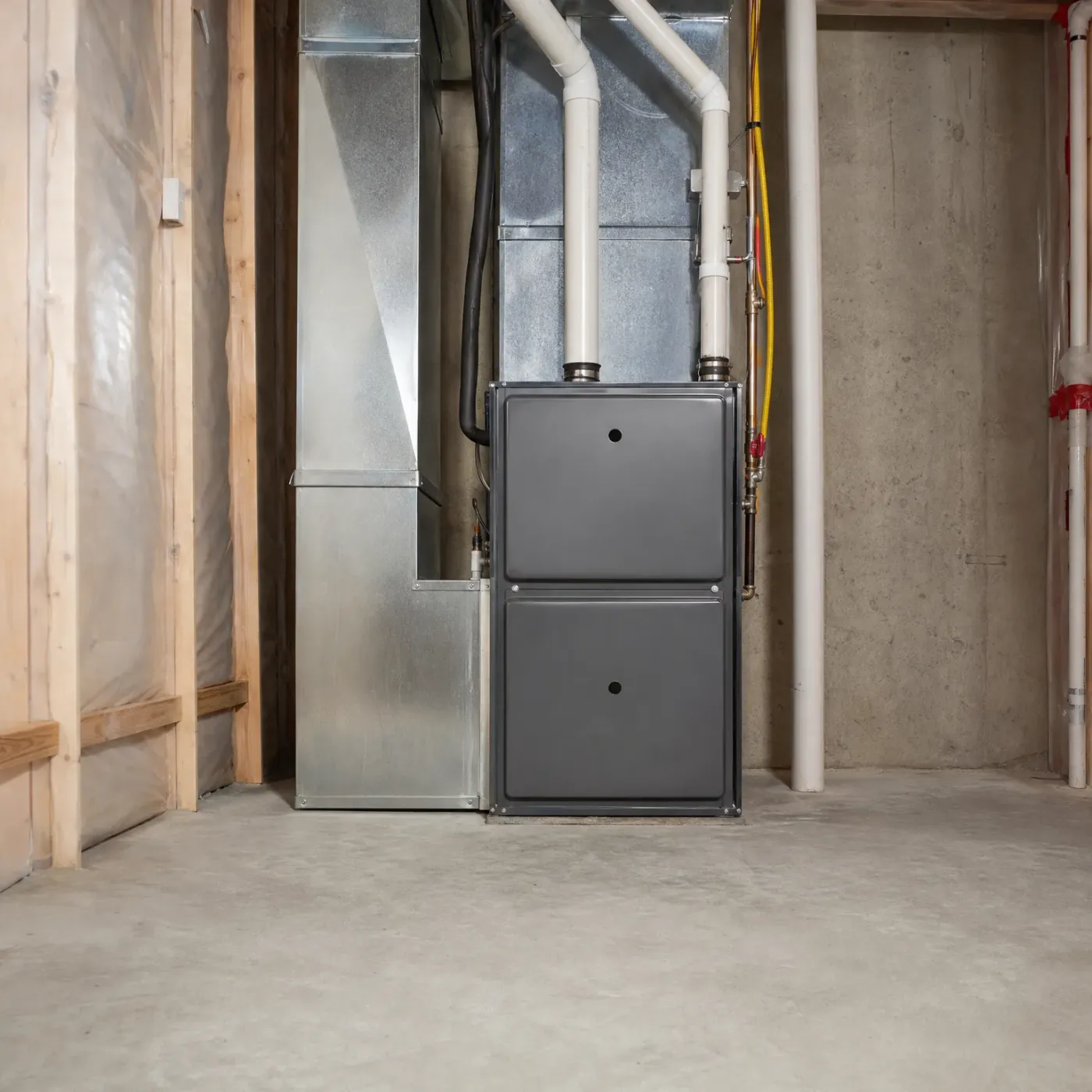
The burners catch right away, with a soft whoosh instead of a bang. No pause, no buildup, no delay between the gas valve opening and the flame showing. The furnace just starts.
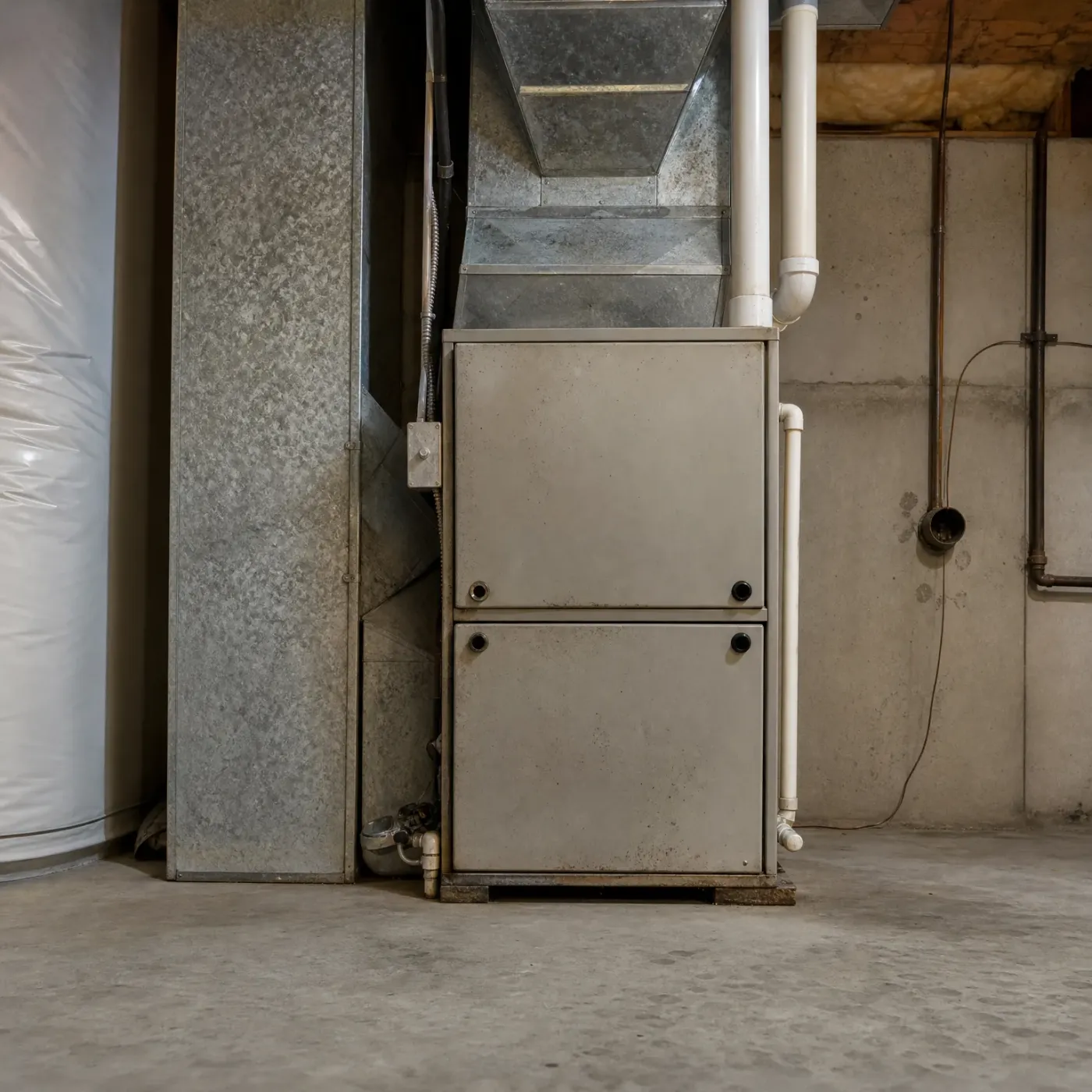
If the igniter is weak or the burners are dirty, gas has time to pool before it lights. That delay is what turns an ordinary start into a bang loud enough to hear from upstairs.
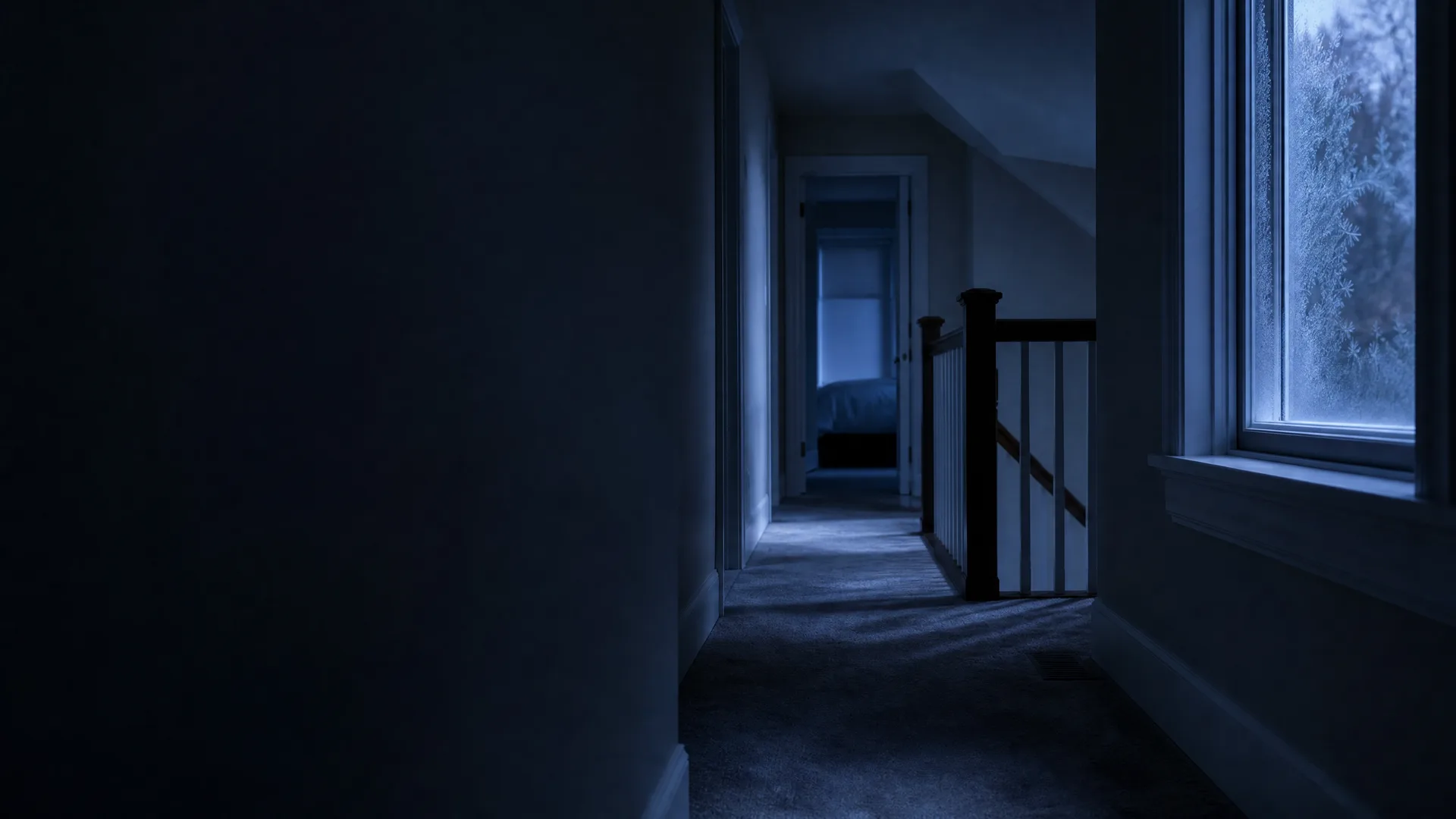
You hear it two floors down from where you're sleeping, a hard knock that travels up through the ductwork before the blower even spins up. It's 2 a.m. and nine degrees outside. You lie there a second, waiting to see if it happens again on the next cycle. The hallway vent isn't pushing any air yet. Frost has crept up the corner of the window, and the hall holds that flat blue cold that means the furnace has been off a while. Somewhere below, the burners are catching late again, a beat behind the gas valve, loud enough to notice from a dead sleep in January.
Notice whether it is every cycle or just some. A bang on every start, every time, points to something that has settled in wrong, like a burner that is out of position or an igniter losing its spark earlier each time it fires. One that comes and goes is harder to catch, but it still means gas is pausing in the chamber before it lights. You might hear it loudest on the first cycle after the furnace has sat off for a while, or notice it gets worse as the weeks go on. Either way, that delay is putting stress on the heat exchanger every time it happens, and a cracked one is not something you want to find out about from a carbon monoxide detector.
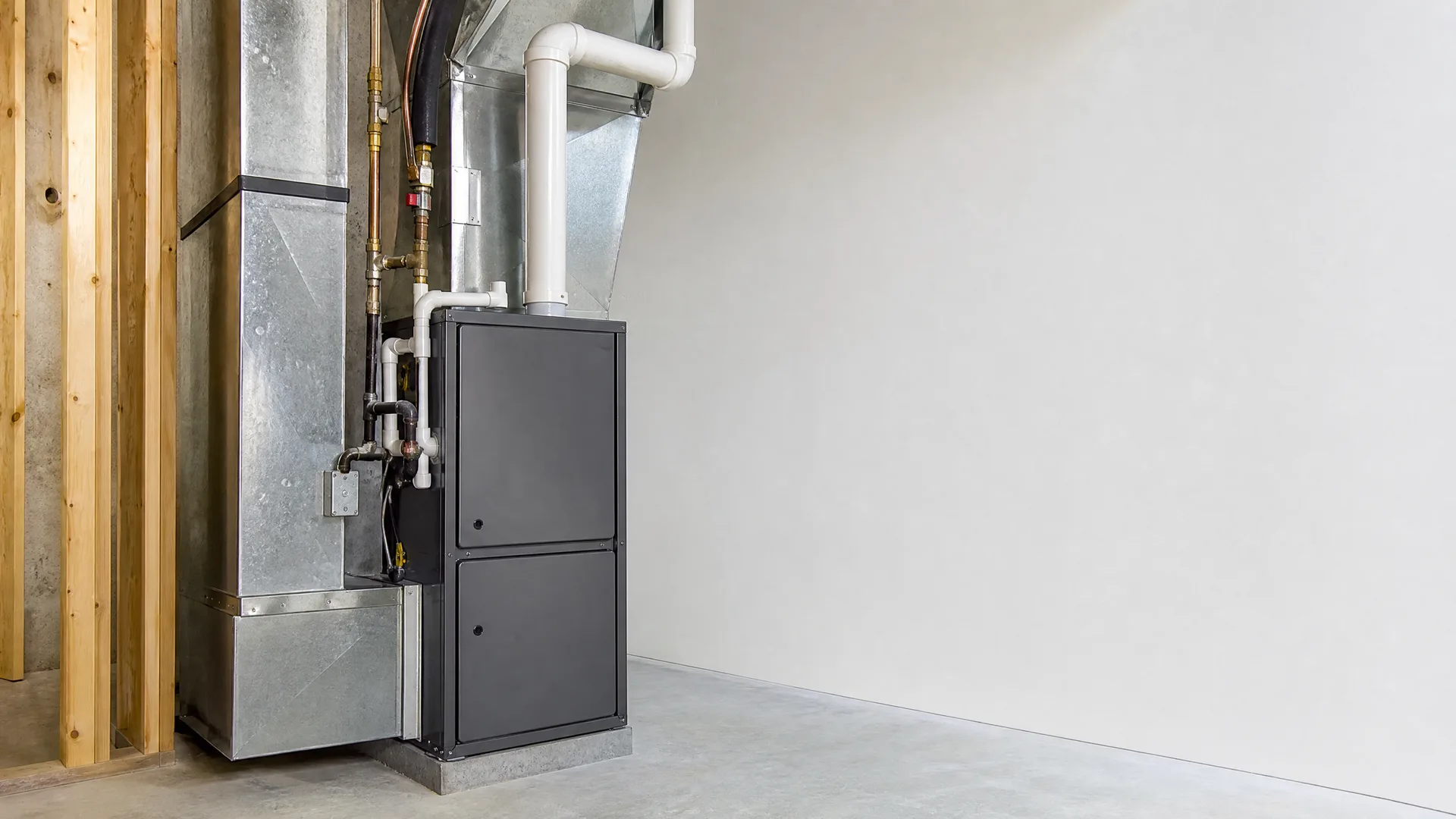
A furnace lights with a hot surface igniter, not a pilot light. The igniter has to heat up to the right temperature before the gas valve opens and the burners catch. If the igniter is weak, aged, or coated with dust, it heats slower than it should. That extra second or two gives gas time to pool in the burner chamber before it lights, and a pooled amount catches harder than a steady flame would.
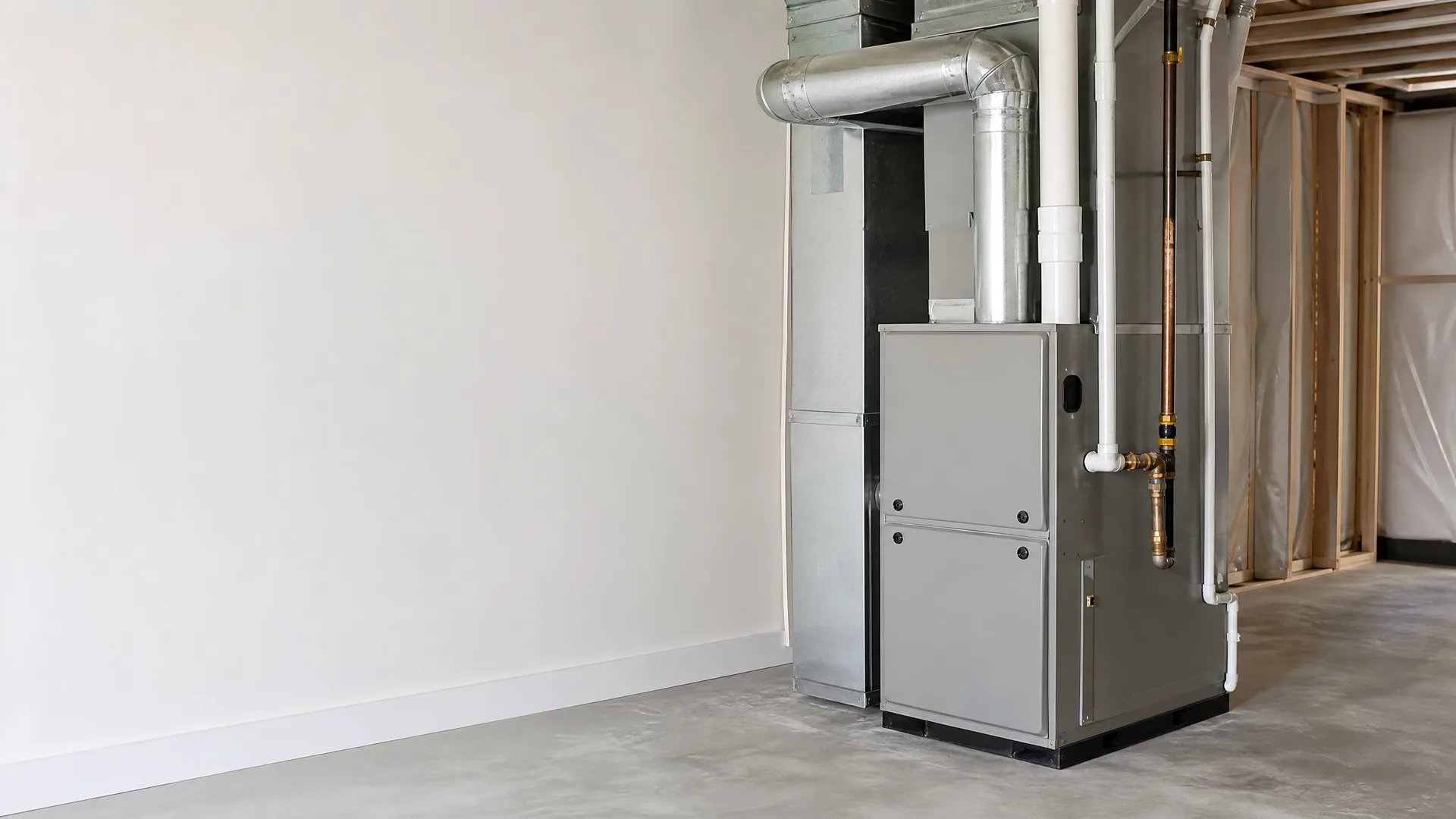
In Colorado, overnight temperatures below freezing mean your furnace is cycling on more often and running longer each time. More cycles means more chances for a slow igniter or dirty burner to show itself. A furnace that bangs once a week in October can start banging every morning once nights drop into the teens, simply because it is lighting far more often than it was a month earlier.
You cleaned the filter and the bang is still there, so you're wondering if something as simple as dust on the burners is really the cause. It seems like a small thing to make that much noise, and you want to know if it's worth mentioning to the tech or if you should be looking somewhere else.
A furnace burner has small ports the gas passes through to meet the flame. When those ports collect dust, or when rust builds up along the burner's edge, gas doesn't catch as evenly or as fast as it should. That delay lets gas pool for a moment before it lights, and the bang is that pooled gas catching all at once. It's a common cause, not a rare one, since burners sit in the path of whatever dust moves through the system year after year. A tech can tell the difference by looking at the burner itself: soot, discoloration, or a flame that isn't even across all the ports once it's running. Cleaning them is often enough to fix it, though it's worth having the igniter and flame sensor checked at the same time.


Your request stays with one local pro.
One form replaces the calls you'd make to find a furnace pro.
No fee to send it, and nothing to sign.




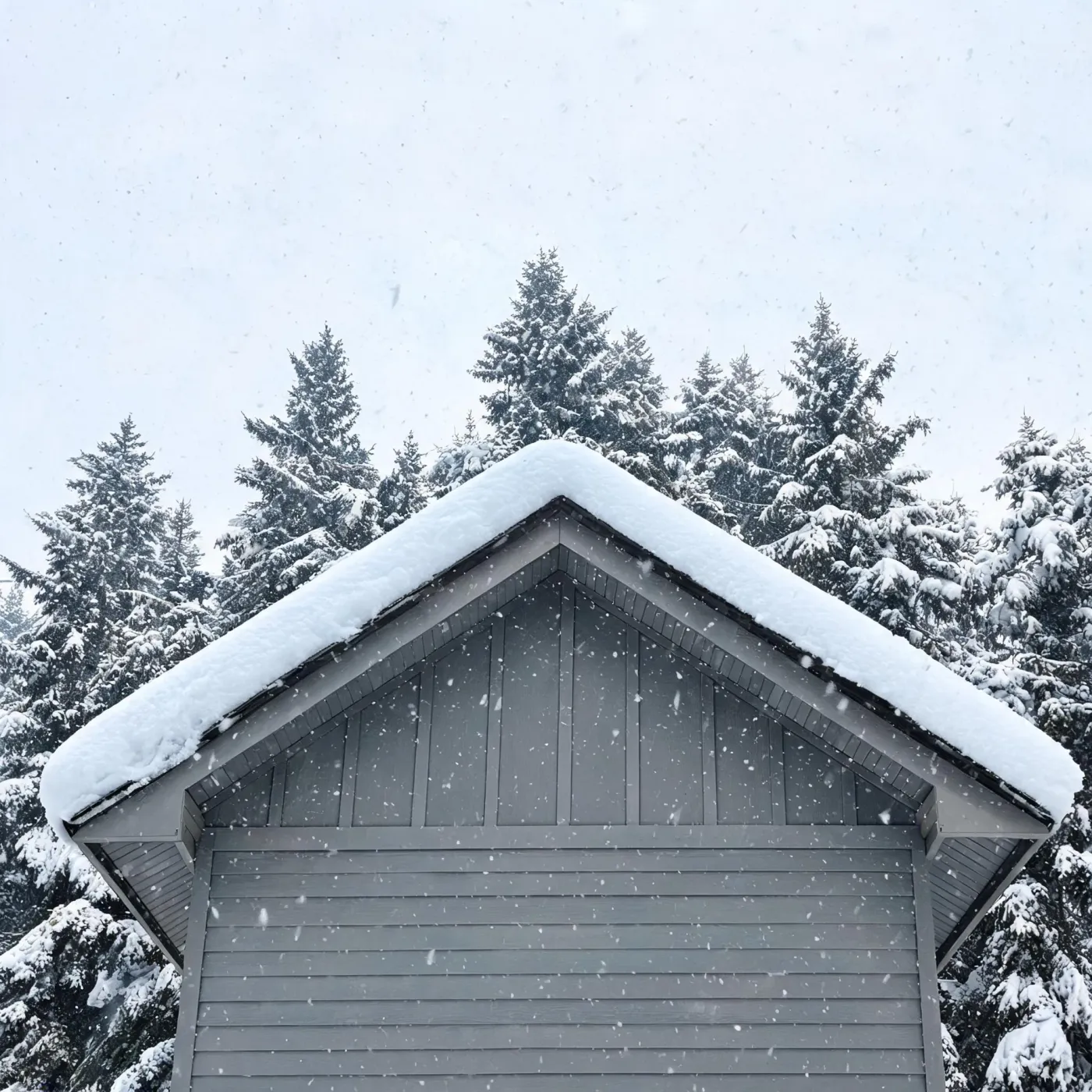
Across Colorado, winter nights average 16°F, according to NOAA. That's cold enough that your furnace is cycling on often, sometimes every few minutes overnight, to keep the house from losing ground. Every one of those startups depends on the igniter heating up and the burners catching clean before the blower kicks in. More cycles means more chances for a weak igniter or a slow catch to show itself as a bang. If the noise seems worse on the coldest nights, that's why. The furnace isn't working harder so much as it's starting more often, and whatever's causing the delay gets more opportunities to make itself heard.
NOAA nClimDiv 1991-2020 county normals weighted by homes
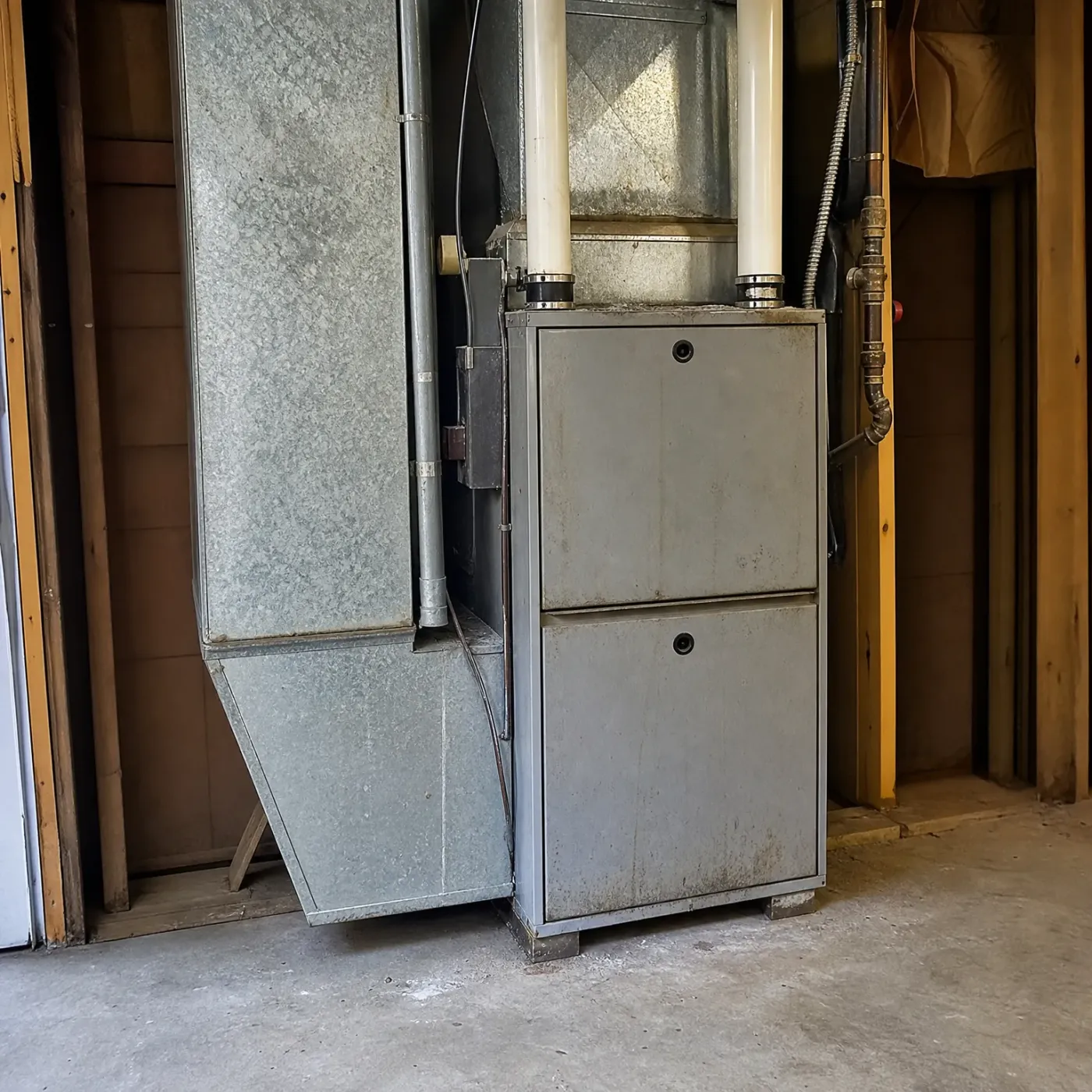
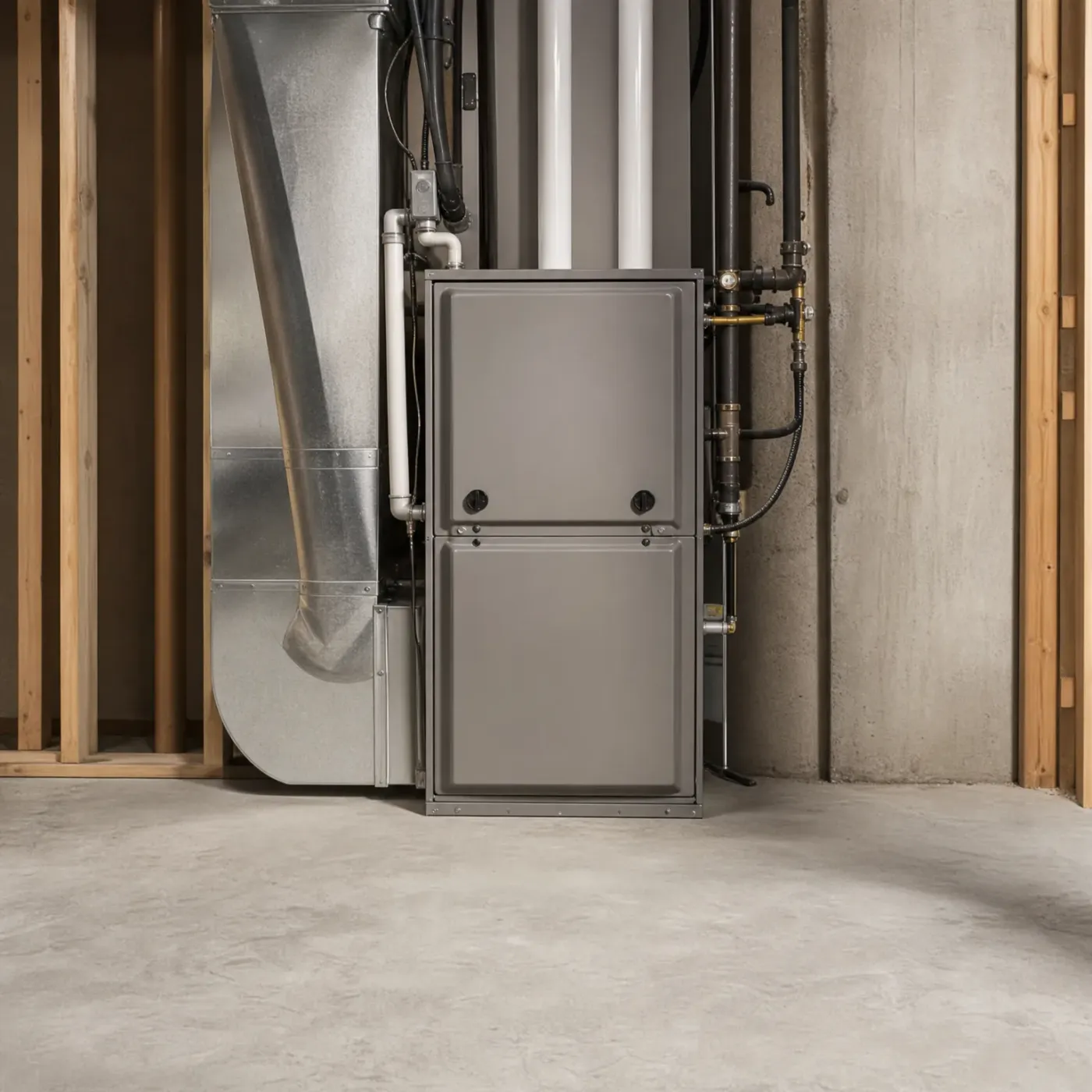
You tell yourself you'll call someone if it bangs again tomorrow. It doesn't, not for three days, so you forget about it until it does. Each cycle it skips the ignition point by a little more, and the bang gets harder before it gets better. Meanwhile you're not sure who to call, so you put off searching too, and the search itself is its own chore: finding someone local who actually works on furnaces, explaining the noise over the phone, then doing it again for the second quote.
A local furnace contractor who services this equipment all winter knows a delayed-ignition bang usually traces back to the igniter, the burner alignment, or gas pressure, and checks those first instead of guessing. You explain the noise once, to the person who's actually coming, not to three companies you're comparing. No sitting with it through another cold night wondering if tonight's the one where it's worse. One call, one contractor, one visit to find out which of those it actually is.
At 16°F overnight, your furnace isn't cycling once or twice and holding steady. It's firing again and again through the night to keep up, and every one of those startups is another chance for a slow igniter to bang instead of catch clean.
NOAA nClimDiv 1991-2020 county normals weighted by homes
The bang is delayed ignition. Something, usually the igniter, is slow to do its job, gas gathers for a moment longer than it should, and it catches all at once instead of lighting clean. That holds whether you heard it once last week or you're hearing it every time the furnace kicks on now.
What it isn't is a mystery that needs watching for another week. A furnace running flat out on a nine-degree night in Colorado is cycling on and off for hours, and each start is another chance for the same delay to happen again. Left alone it doesn't tend to fix itself or stay the same size. It tends to get a little longer and a little louder, cycle after cycle, until it's the kind of bang that wakes up the rest of the house too.
A contractor who works on furnaces all winter here has seen this exact noise come through more than once already this season, on nights just as cold as yours. They'll check the igniter, look at the burners, and check gas pressure in person rather than guess from a description over the phone, because the sound alone doesn't tell you which of those it is. You get one licensed local contractor on this, not a handful of companies calling back one after another, and not a noise you have to explain five separate times before anyone shows up to look at it.




Your request goes to one pro, not a list of companies.
Sending the form costs nothing.