Profile view of a bearded man wearing a black baseball cap and a dark gray T-shirt against a plain light background.

Why your furnace is blowing cold air in Colorado

Step 1 of 3: Equipment

Why is my furnace blowing cold air?

Cold air blowing out of the vents when the furnace kicks on is unsettling, especially on a cold Colorado morning when you need the house warm. Sometimes it's a quick fix, sometimes it means the furnace needs a repair before it heats right again. Either way, you want to know what's actually happening before you decide what to do next.

It's usually the furnace warming up or struggling to light

A furnace blows cold air for a few seconds at the start of every cycle, before the burners catch and the heat exchanger warms up. That's normal. If the cold air keeps coming and never turns warm, the igniter may not be lighting the burners, or the flame sensor is shutting the system down before it can heat the air. A clogged filter can also starve the furnace of airflow, which trips a safety switch and leaves the blower running with no heat behind it. In Colorado, where gas furnaces run hard through long, cold winters, these parts see heavy use and wear out faster than in milder climates. A furnace that blows cold air for more than a few minutes needs a technician to find out which part failed.

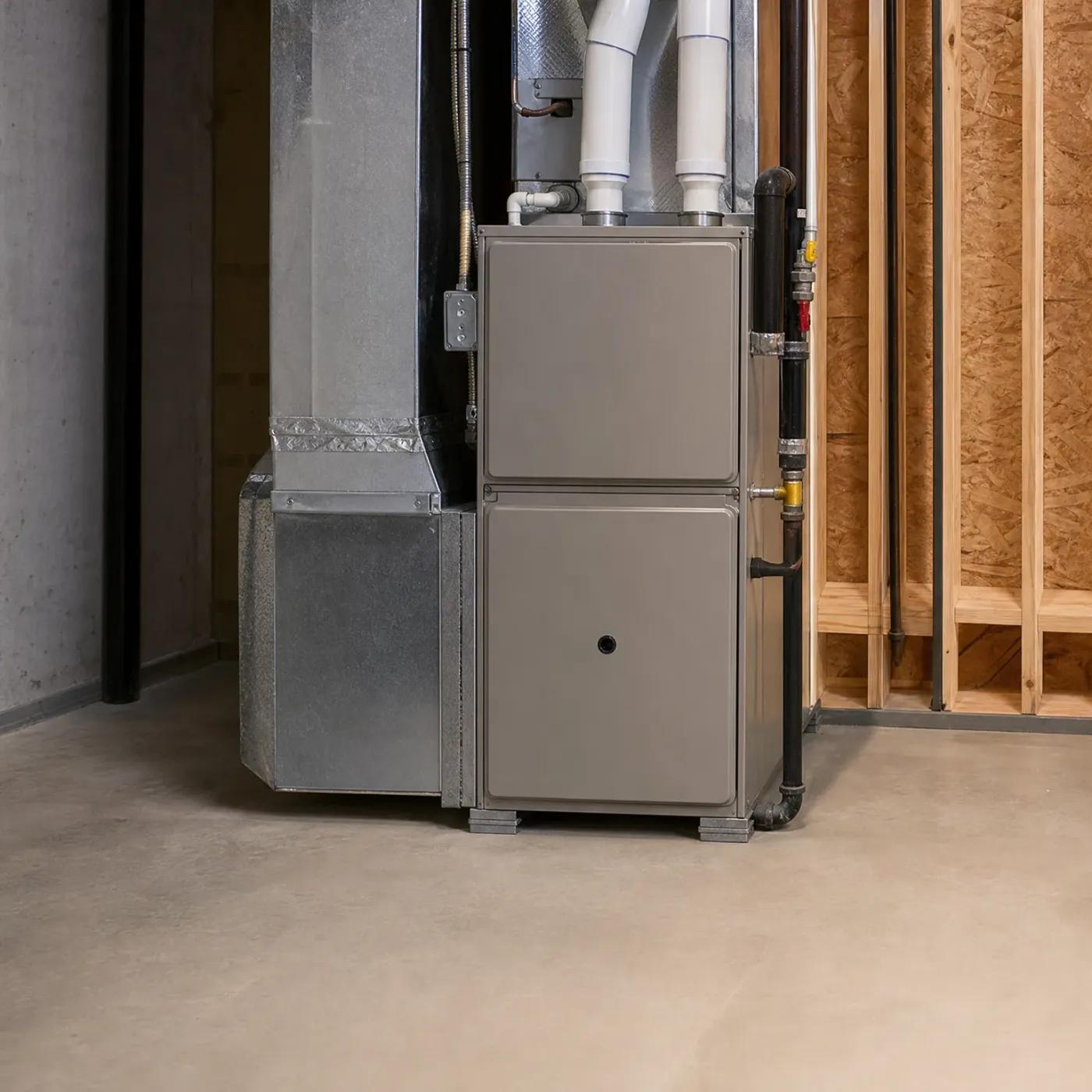
A gray high-efficiency furnace in a basement, connected to sheet-metal ductwork on the left and white PVC vent pipes above, with black gas and drain piping and an exposed wood-stud wall with OSB sheathing on the right.

Furnace Running Right

Air at the vents feels steady and warm within a minute or two of startup. No cold blasts, no burning smell, no short cycling. The blower runs quiet and the thermostat setting matches what you feel in the room. This is what lets you stop checking on it.
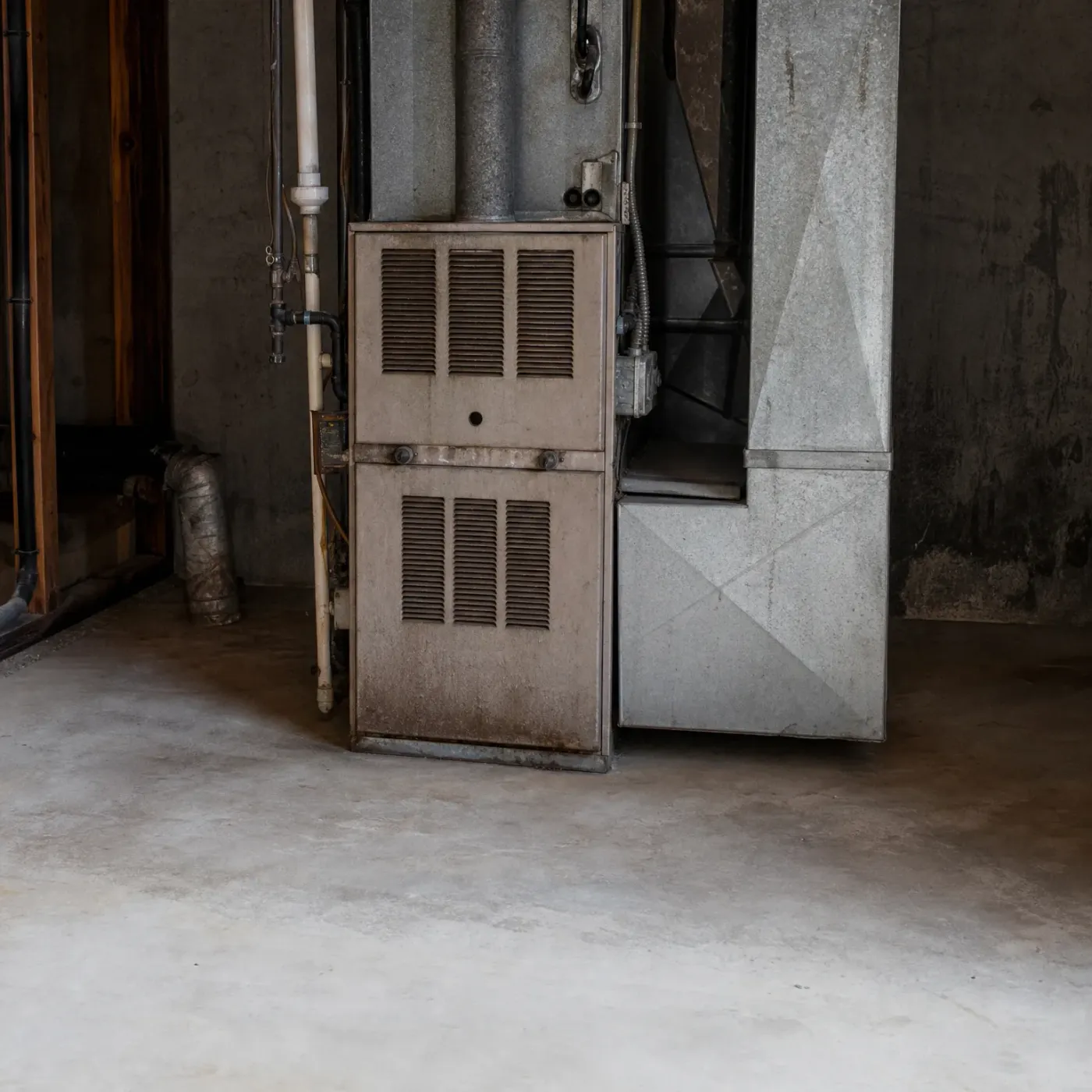

An older gas furnace with two louvered front panels stands on a concrete basement floor beside galvanized sheet-metal ductwork, pipes, and a weathered concrete wall.

Furnace In Trouble

Cold air keeps coming or the burners won't stay lit. You might hear clicking as the igniter tries and fails, or notice the furnace shutting off before the house warms up. An older unit with rust or moisture around the base is more likely to act up when it's cold out.

A woman with long wavy brown hair in a grey ribbed sweater sits on a couch indoors, looking toward a window, with a potted palm-like plant and fireplace behind her.
A woman with long brown hair wearing a green V-neck top and beige cardigan sits on a light sofa, looking off to the side, with a dining table, lamp and framed picture in the background.
A woman with long dark hair in a cream knit sweater sits on a beige sofa indoors, looking toward a bright window with a houseplant and framed picture in the background.
A woman with long dark hair in a green knit sweater sits on a couch indoors, smiling and looking toward a window with a blurred room behind her.

A gas furnace runs cold air through the ducts for a short stretch before the burners light, because the blower starts before the heat exchanger is warm enough to put out warm air.

If that cold air lasts more than a minute or two, or shows up every cycle, the ignition system or the gas valve isn't doing its job, and the furnace needs a look before the next cold morning.

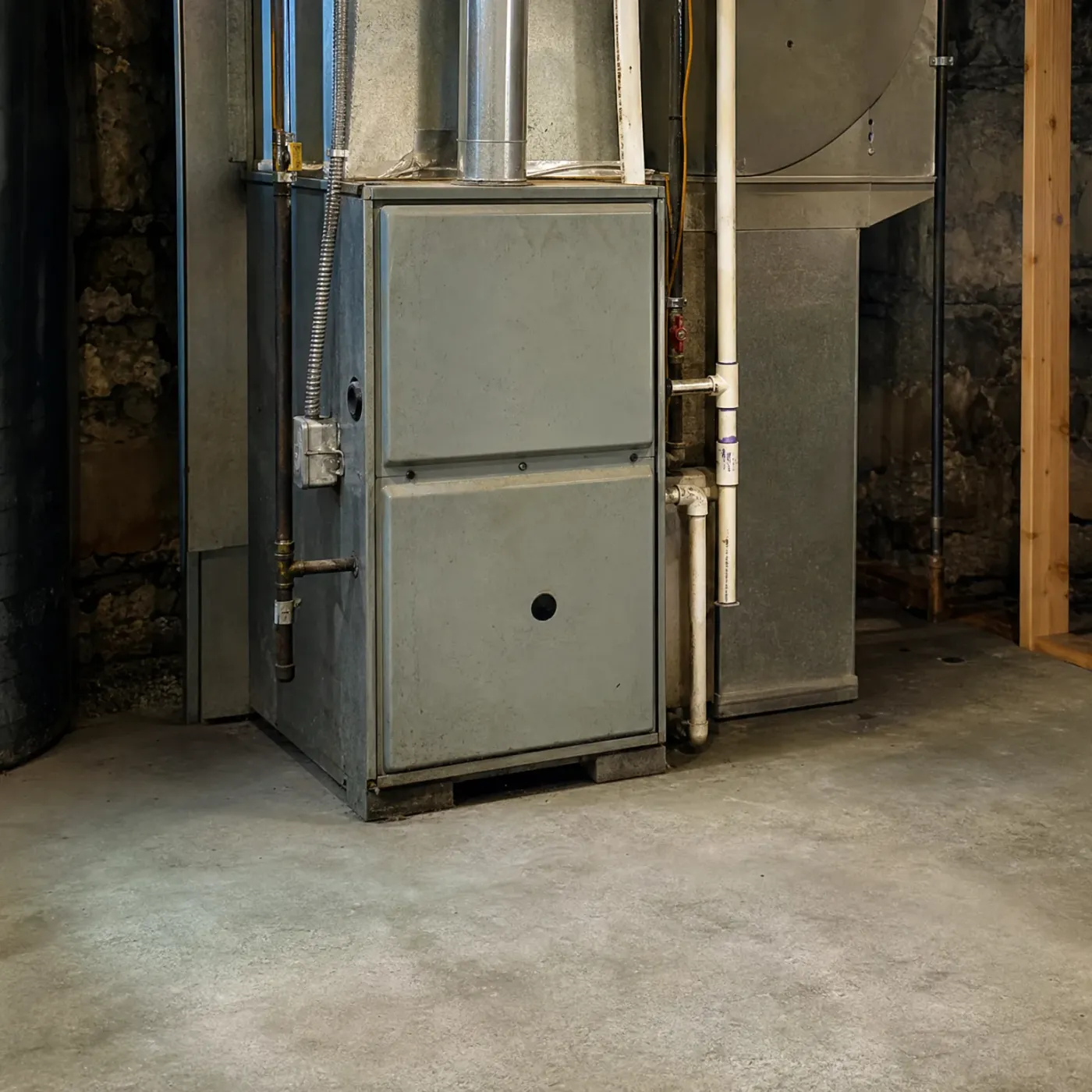
A gray sheet-metal furnace with flue pipe and adjacent ductwork stands against a stone basement wall on a concrete floor, with white PVC and metal pipes running nearby.
Before you get your furnace repair
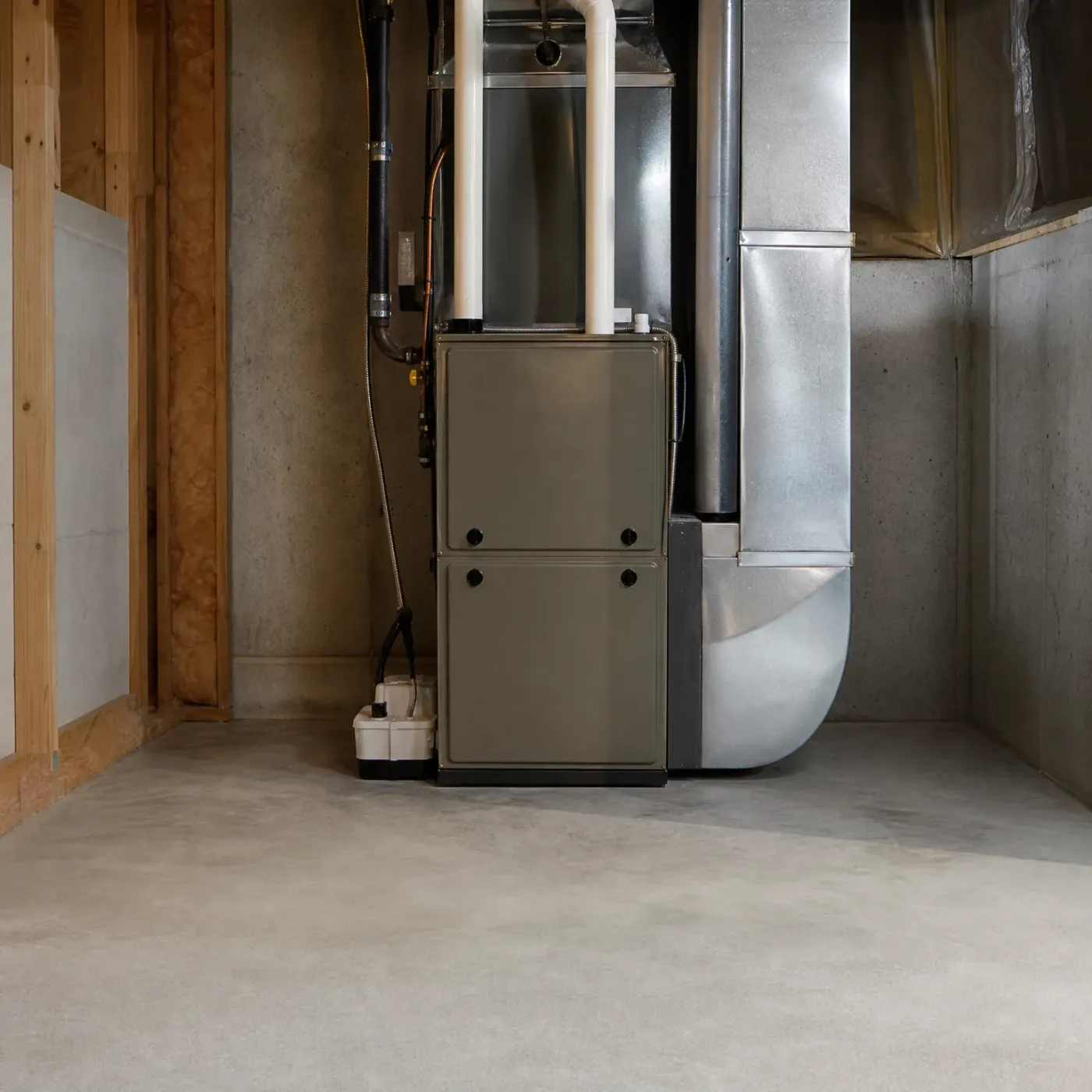
A gray high-efficiency furnace with white PVC vent pipes stands against a concrete basement wall beside sheet-metal ductwork, a small condensate pump on the floor, and exposed wood framing at left.
After you get your furnace repair

A furnace pro near you

A furnace that keeps pushing cold air isn't something to leave alone through a Colorado winter, and figuring out whether it's the igniter, a failing blower motor, or something in the gas valve isn't a job for guesswork from a search page. That takes someone who can get into the unit and look. Finding that person usually means pulling up a list of HVAC companies, calling a few, describing the same cold blast and the same cycle timing to each one, then waiting on quotes to compare before you even get a repair date. All of that takes time you don't have when the house is cold now. Submit your request here and it goes to one contractor who works on furnaces in your area, who will reach out to you directly. No five companies competing for your attention, no retelling the problem over and over. Just the next step toward warm air again.

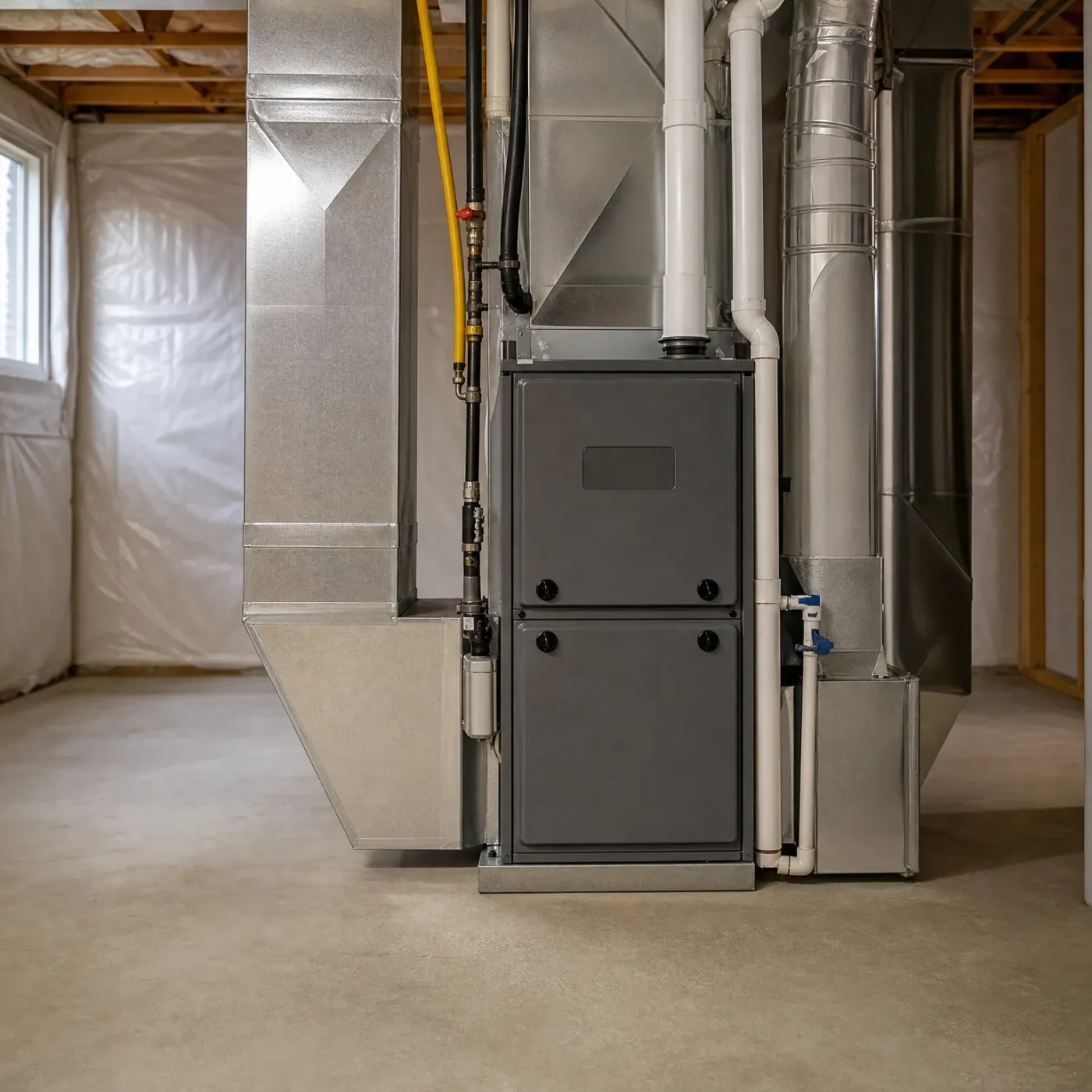
A gray gas furnace stands on a concrete basement floor, connected to sheet-metal ductwork, white PVC vent pipes, and a yellow gas line, with plastic sheeting covering the walls.

New install, working as it should

A furnace like this, properly installed with the ductwork, gas line, and venting all sized and connected right, is set up to heat the way it's supposed to. Warm air at the vents, no cold surprises.

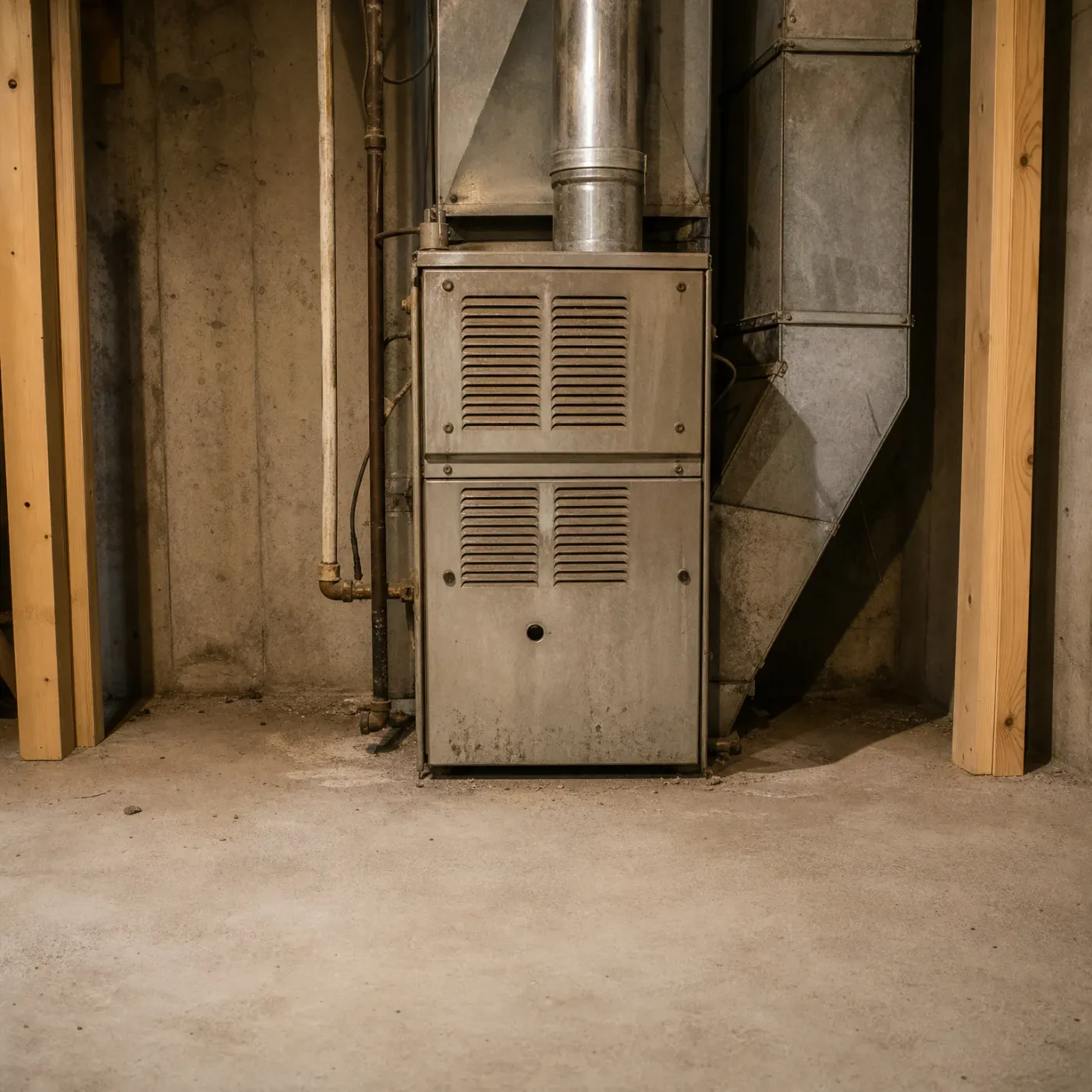
A metal furnace with louvered panels stands against a concrete basement wall, connected to sheet-metal ductwork and a round flue pipe, with wooden framing posts and a pipe nearby.

Older unit, showing its age

Years of dust and wear on an older furnace can keep it from firing the way it used to. If yours looks like this and you're getting cold air at the vents, that's a sign something inside needs a closer look.

Figure It Out Alone, or Get Matched

Keep troubleshooting yourself

  • You check the thermostat settings and swap the air filter, but the cold air at the vents keeps showing up every cycle.
  • You're the one deciding if it's safe to keep running the furnace while you're not sure what's wrong with it.
  • Every call to a different contractor means explaining the same thing again from the start, what it sounds like, when it happens, how long the cold air lasts.
  • You're left comparing quotes without knowing if the diagnosis behind each one is even the same problem.
  • Meanwhile the house stays cold at the vents and everyone in it has to deal with that until something changes.

Get matched with a contractor

  • A contractor who services furnaces in your area reaches out to you directly, so you skip the searching and the cold calling.
  • You explain the problem once, the cold blasts, the timing, what you've already tried, and that's the version that gets worked from.
  • Someone who knows gas furnaces looks at the igniter, the blower motor, and the gas valve to find which one is actually failing.
  • You're matched based on what you need, a furnace blowing cold air in the middle of a Colorado winter, not a generic service call.
  • The comparing and sorting through unknown contractors is done before you ever pick up the phone.
A gray-haired woman in a cream knit sweater stands in a dimly lit kitchen at night, looking to her right, with a round loaf of bread in the foreground and a dark window and potted plant behind her.
A woman with her hair in a bun holds a sleeping young child against her chest, both wrapped in a textured beige knit blanket on a sofa in a dimly lit room with a lamp, framed picture, and bookshelf behind them.

Winter nights average 16°F statewide

At 16°F overnight, a furnace that stalls on cold air isn't just uncomfortable, it's working against a house that's losing heat fast. The longer it runs without warming up, the colder your rooms get before anyone notices.

NOAA nClimDiv 1991-2020 county normals weighted by homes

A furnace that blows cold air for a minute at startup is normal. One that keeps doing it, cycle after cycle, is telling you something inside it isn't working right, and in a Colorado winter that's not something to sit on. You could keep pulling up contractor listings, calling each one to ask if they handle furnace repair, explaining the cold air and the short cycling over and over, then stacking up quotes to see which one makes sense. Or you can skip that part. Answer a few questions about what your furnace is doing and you'll be matched with a contractor who takes it from there, including reaching out to you directly. You still get a diagnosis and a repair done right, the part that takes real skill. What goes away is the legwork of finding someone to call, so your house gets warm again without you spending the day on the phone first.

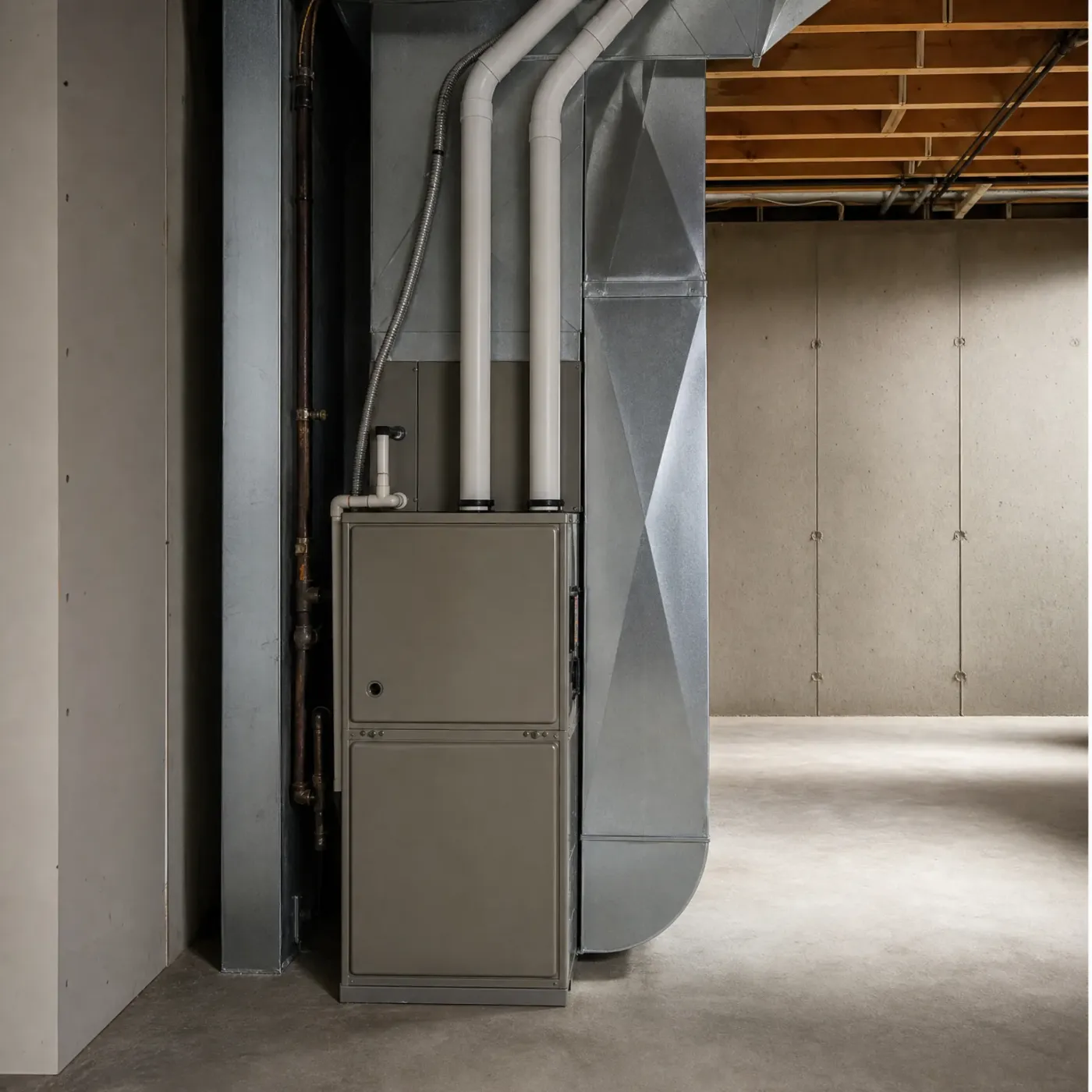
A gray high-efficiency furnace in an unfinished basement, connected to sheet-metal ductwork and two white PVC vent pipes, with copper piping and exposed wood floor joists nearby.

A local pro for your furnace repair

Request a pro

Describe your furnace job once, to one pro.

It costs nothing to send, and you don't have to hire anyone.