

When a furnace flame sensor needs cleaning in Colorado
Send it once and finding someone is no longer on you.
Let a pro reach outA flame sensor needs cleaning once a year, right before furnace season starts, and sooner if the furnace has been shutting off on its own. The sensor is a thin metal rod near the burner that confirms a flame is actually lit. Over months of use it collects a layer of soot and oxidation, and once that film builds up, the sensor can't read the flame anymore, so the furnace shuts down a few seconds after it fires as a safety response. In Colorado, furnaces run hard from fall through spring, which gives the sensor months of steady use to build up that coating. If your furnace lights, runs briefly, then cuts off and repeats that cycle, the flame sensor is the likely reason. Cleaning it is a quick fix with fine sandpaper or steel wool on the rod itself. Left dirty, the cycling gets more frequent until the furnace won't stay running at all.
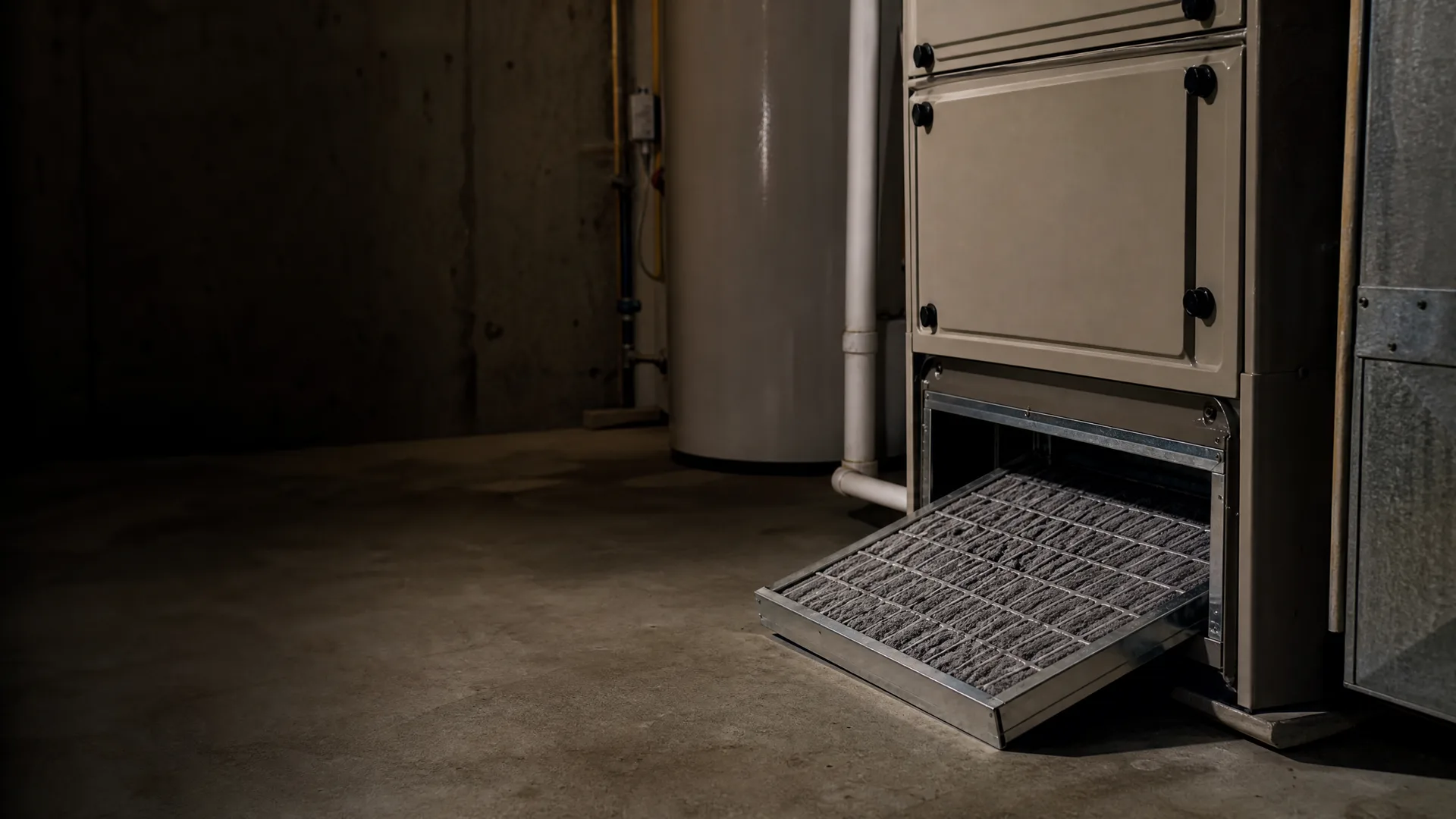
You're down in the basement on a Saturday afternoon, October light coming thin through the window well, and you've pulled the furnace filter half out to check it before the cold sets in. It's grey, the kind of grey that means it's been a while. You set it on top of the unit and crouch down to look at the burner assembly, because you figured while you're down here you might as well look at the rest. The sensor rod sits right where it always does, a few inches from the burners, dull with a film you can see even in the basement light. You haven't noticed any trouble yet. The furnace hasn't short-cycled, hasn't shut off on you. But the season's about to ask more of it than it has all year, and you'd rather catch this now than find out about it at ten below.
Clean It Yourself or Call a Pro
Clean it yourself
- You need the furnace off and the sensor rod pulled, which means knowing which screw holds the bracket and not forcing it.
- Steel wool or a rough scrub can scratch the rod and make it foul faster than before you touched it, so it has to be light.
- If you reinstall it wrong or don't seat the wire fully, the furnace may not fire at all, and now you've got two problems.
- A dry Colorado summer means less dust sitting in the lines come October, but the sensor still needs the coating off to read the flame right.
- You save a visit, but you're the one who has to notice the short-cycling in the first place and catch it before a cold night with no heat.
Have a contractor do it
- A furnace tech who works this equipment all winter knows which sensors foul fast and which furnaces are prone to it.
- A licensed local contractor can check the flame sensor along with the igniter and burners in the same visit, since all of it sits in the same compartment.
- You submit one request and it goes to one contractor, not a handful of companies calling you back at once.
- Once the request is in, the work of finding someone is off your plate, not something you're chasing down yourself.
- A gas furnace that keeps shutting off is worth having looked at properly, since a sensor that's cleaned wrong can leave you worse off before the cold sets in.
Why a thin coating stops the flame
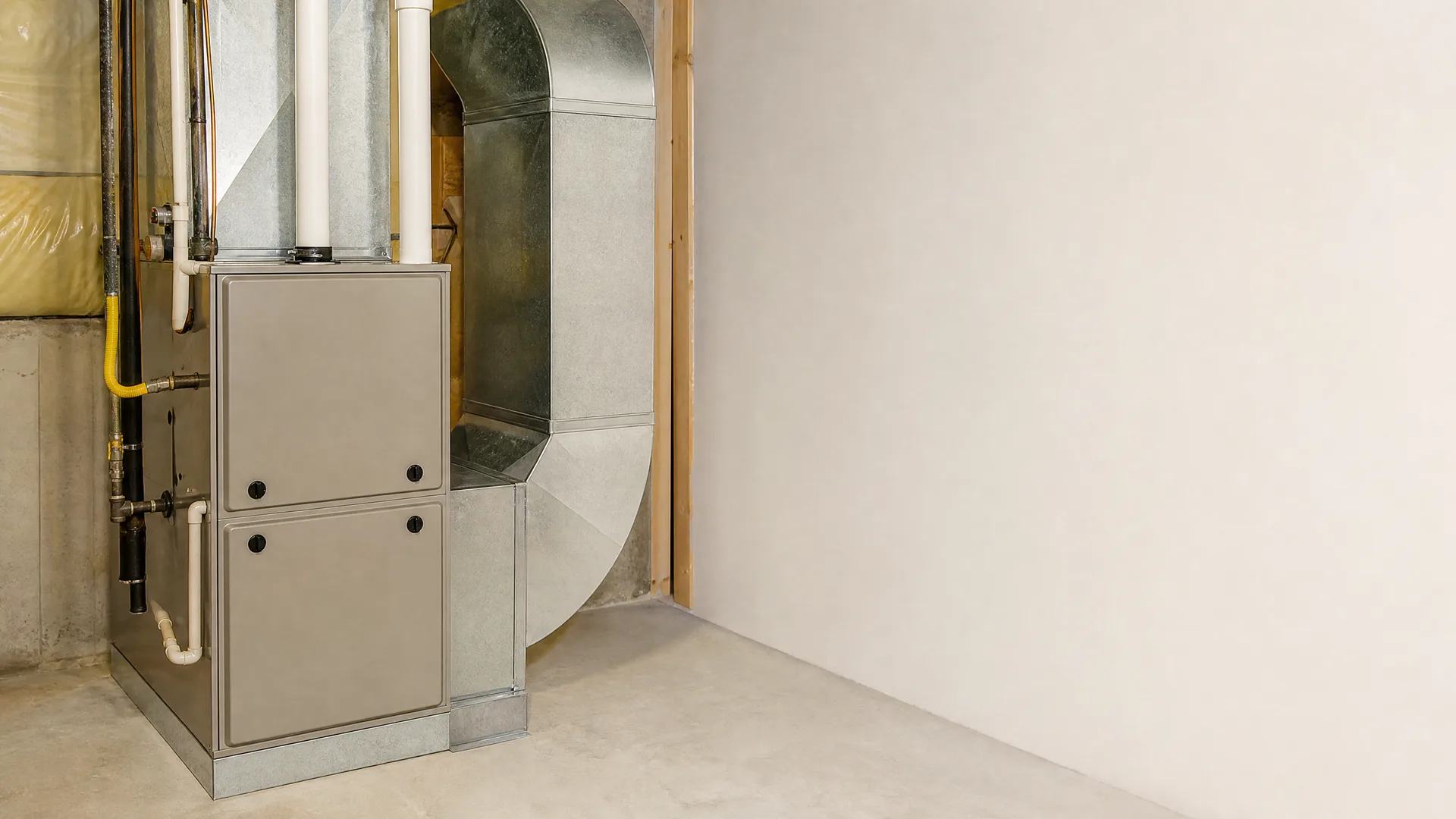
The rod works by reading a tiny electrical signal through the flame itself. A layer of carbon on the metal is enough to block that signal even though the flame still looks fine to you. The control board reads no signal and cuts the gas valve within seconds, as it's built to do. That's why a furnace can shut down repeatedly on a dry Colorado winter night with nothing wrong with the burner or the gas supply at all.
Why Colorado furnaces collect it faster
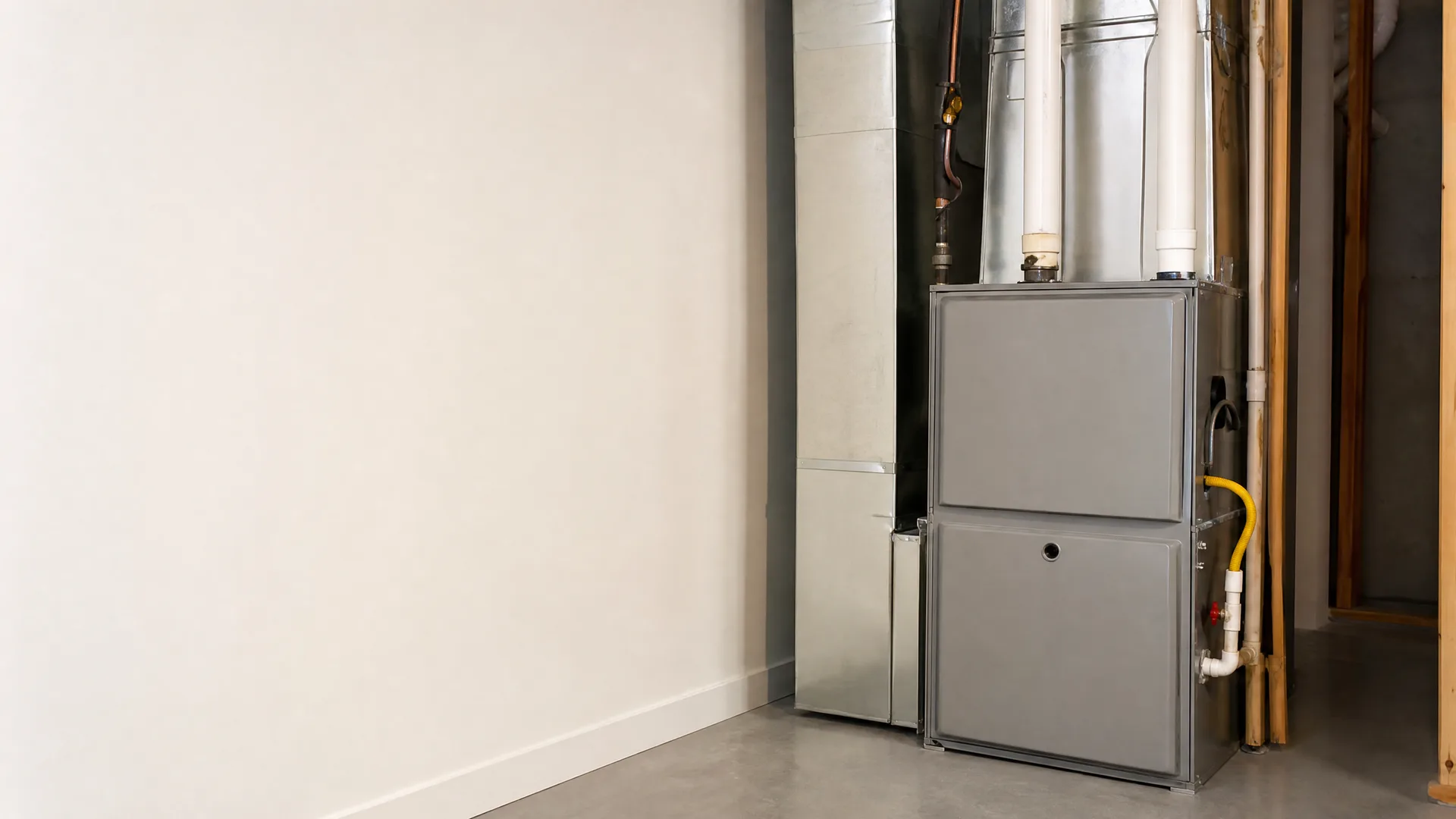
Gas furnaces here often sit idle from April through September, then run every night once the cold sets in around Denver and across the Front Range. A furnace that's been off for months tends to build a heavier coating on that rod once it starts firing again night after night. A furnace running on dusty return air, or one that's never had the rod touched, builds the coating faster than one cleaned the season before.
Winter nights average 16°F statewide
At 16°F, your furnace is running most of the night just to hold the thermostat setting. That's long hours of burner cycles, and every cycle puts more carbon on the flame sensor. A furnace working that hard needs the sensor clean going into winter, not after it starts shutting off.
NOAA nClimDiv 1991-2020 county normals weighted by homes




Let someone else find the pro
A dirty flame sensor doesn't fix itself, and in a Colorado winter a furnace that shuts off every hour or two stops being a minor annoyance fast. You can pull the sensor and clean it if you've got the furnace manual and a few minutes of patience, but if the shutoffs keep happening after that, something past the sensor is likely wrong, and guessing at it in a cold basement isn't worth your evening. A local contractor who services furnaces all winter has seen this exact pattern more times than you have, and knows within a few minutes whether it's the sensor, the igniter, or something else behind it. Send the request and it goes to one contractor near you, not a handful competing for your callback. That's one visit to arrange, one person to talk to, and the furnace running steady again before the next cold night sets in.
A Clean Sensor, A Steady Furnace
- A flame sensor coated in carbon will keep shutting the furnace off no matter how many times you reset it.
- Cleaning the rod once a year, before the cold sets in, is usually enough to stop the short cycling for the season.
- A contractor who services furnaces in Colorado all winter knows the flame sensor is often the first thing to check on a no-heat call.
- One licensed local contractor takes the job, so you're not fielding calls from several companies while your furnace is down.
- If the sensor's already fouled past a wipe with steel wool, a technician can swap it without guessing at the part.
- Getting it cleaned now means the furnace runs through the cold nights ahead without the burner cutting out on you.
The short cycling isn't random. It's carbon on the rod telling the control board there's no flame when there is one, and that keeps happening until the rod is clean. Wipe it off and the furnace reads the flame the way it's supposed to, and the shutoffs stop. That's the whole fix, and it holds for a year if it's done before the cold settles in for good.
What you're deciding now isn't whether the furnace needs the work. It's who does it. Someone who's in basements and furnace closets across Colorado all winter has seen this exact failure enough times to go straight to the sensor instead of working through a longer list first. That's less time with your furnace apart and more with it running.
You also won't be stuck fielding three different companies trying to get on your schedule the same week. One licensed contractor, local to you, takes the job, looks at the rod, and either cleans it or tells you it's past that and needs replacing. No guessing which part failed, no second visit to figure out what the first one missed.
Once that sensor's clean, the furnace can do what it's built to do through the nights ahead, however cold they get, without cutting out on you every hour. That's the whole point of doing it now instead of after the first bad night.

Furnace Maintenance
One request and it's handed off

- A local pro who services furnaces gets in touch about the tune-up.
- A local pro who knows furnaces gets your details and gets in touch.

- Once you send the form, finding a pro is off your list.
- After you send the request, you're done searching.

- Skip calling around to set up a furnace tune-up.
- One form instead of hunting for a pro who does furnace tune-ups.
- Your request stays with one local pro.
- Your request goes to one pro, not a list of companies.