A programmable thermostat
Set it once for your schedule and it holds the same low swing every day. The furnace never gets asked to guess what you want next.
A pro who works on furnaces
Most people land on a number like 68 and leave it there, then wonder why the furnace runs all night or the gas bill jumps in January. The right setting depends on your house and how you use it, not just what Denver's weather is doing outside. If you want a furnace that's actually tuned for a Colorado winter, you can get matched with a contractor who looks at your system and your home, not just a thermostat dial.
Match me with a proMost Colorado homes do well with the thermostat set between 68 and 70 during the day and dropped to 60 or 65 at night. That range keeps the furnace from fighting a big gap between indoor and outdoor temperature, which is what drives most of a winter gas bill. Colorado winters swing hard, a sunny afternoon in the 40s followed by a night in single digits, and your furnace has to work harder to close a wider gap. Setting the heat lower at night costs less because the house loses heat more slowly once it's already cold, not because the furnace works less to get there. Going much below 60 isn't worth it. Pipes in unheated spaces can get cold enough to freeze, and the furnace ends up running longer in the morning to recover than it would have through the night. A programmable thermostat that steps the temperature down and back up on its own handles this better than a manual setback most people forget to undo.
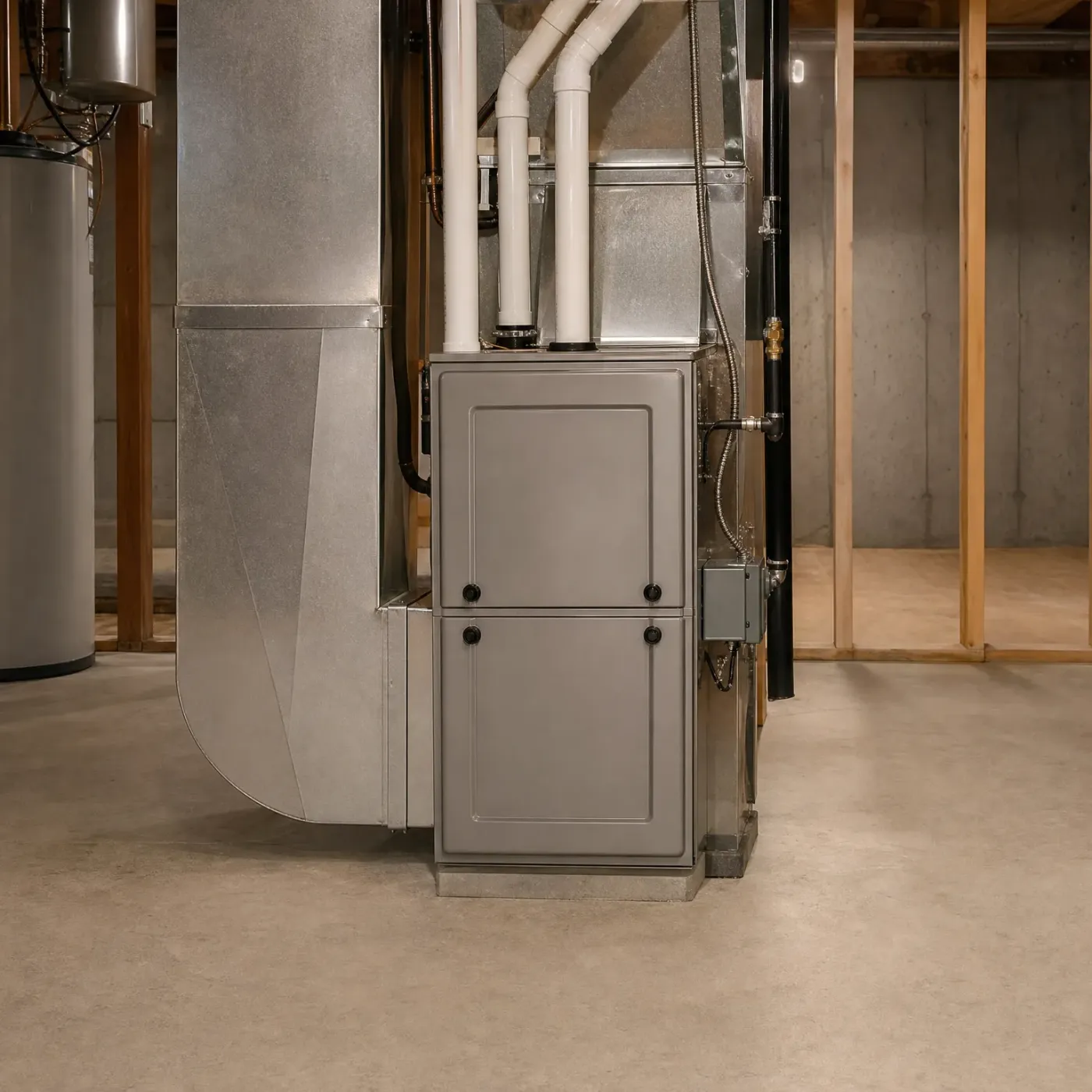
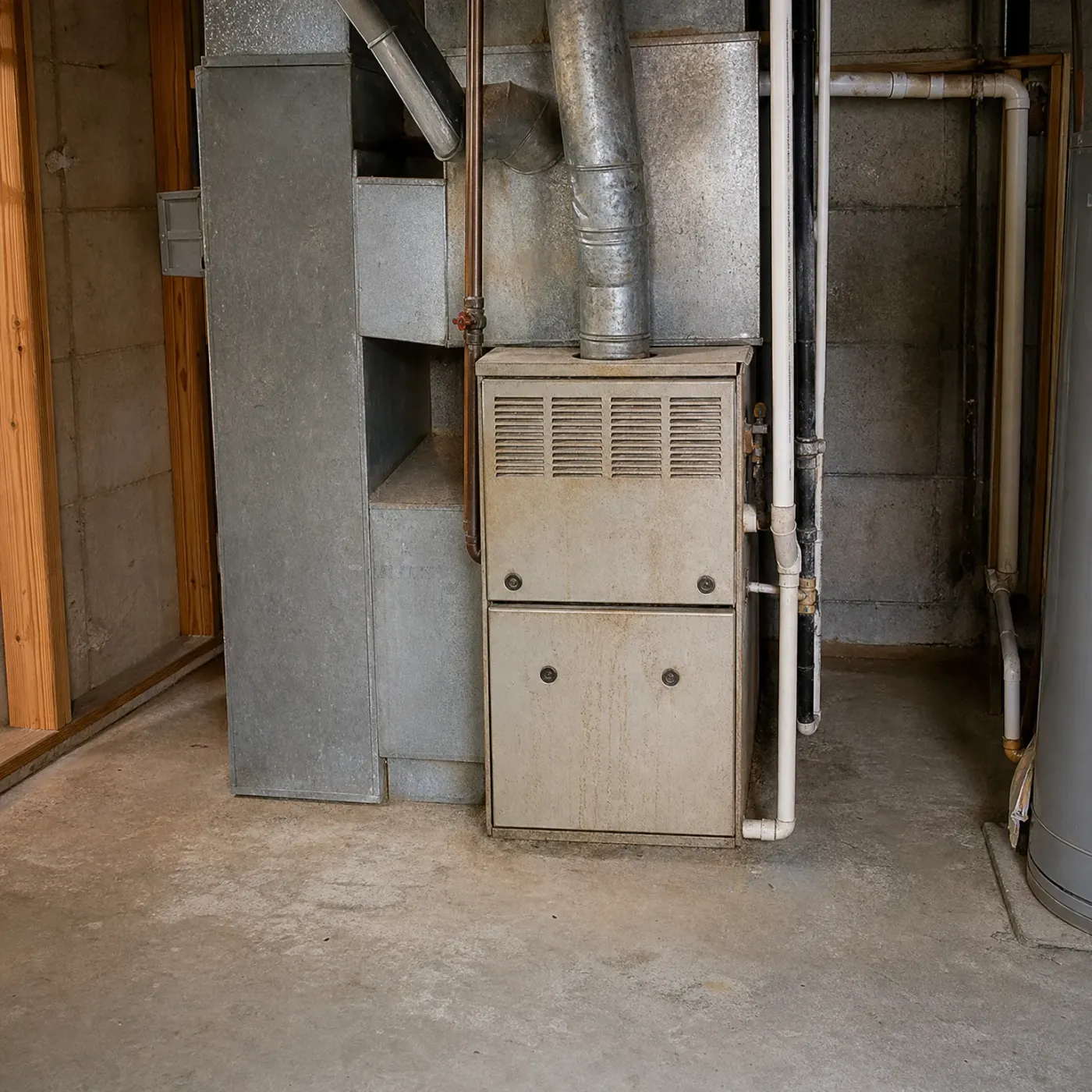




You notice it first at night. Drop the thermostat to 60 and the furnace shuts off for a few hours, then has to bring the whole house back up by morning. That long recovery run is harder on the igniter and the blower motor than the short, steady cycles it runs during the day. If your furnace is already struggling to light on the first try or takes a few attempts, a big nightly swing is the kind of thing that turns a minor issue into a no-heat call in January.
A setting you can live with is one you don't have to think about twice a day. If 68 during the day feels right but you're not sure how low you can safely drop it at night without taxing the system, that's worth asking someone who can look at your actual furnace and how it's been running. Once you send that in, you're not the one tracking down who's available or whether they know gas furnaces in Colorado winters. Someone who handles maintenance in your area gets in touch and takes it from there.

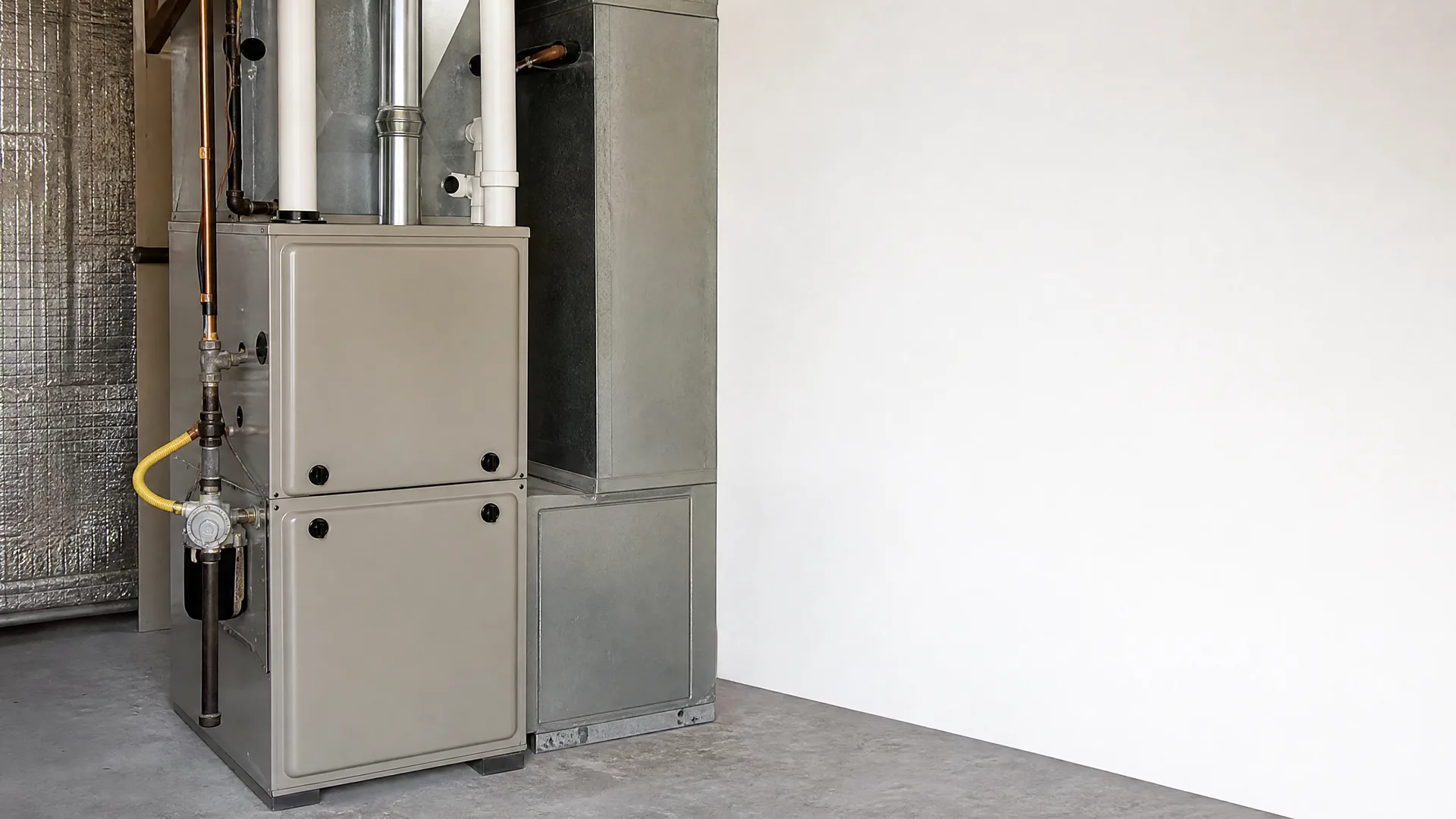
Each degree you add to the thermostat setting raises your gas use by a few percent over the winter. That is why 68 and 72 don't feel like a big difference in the room but show up on the bill. A furnace sized for your house was built to cover Colorado's cold snaps at a steady setting, not to chase a thermostat moved up and down through the day.
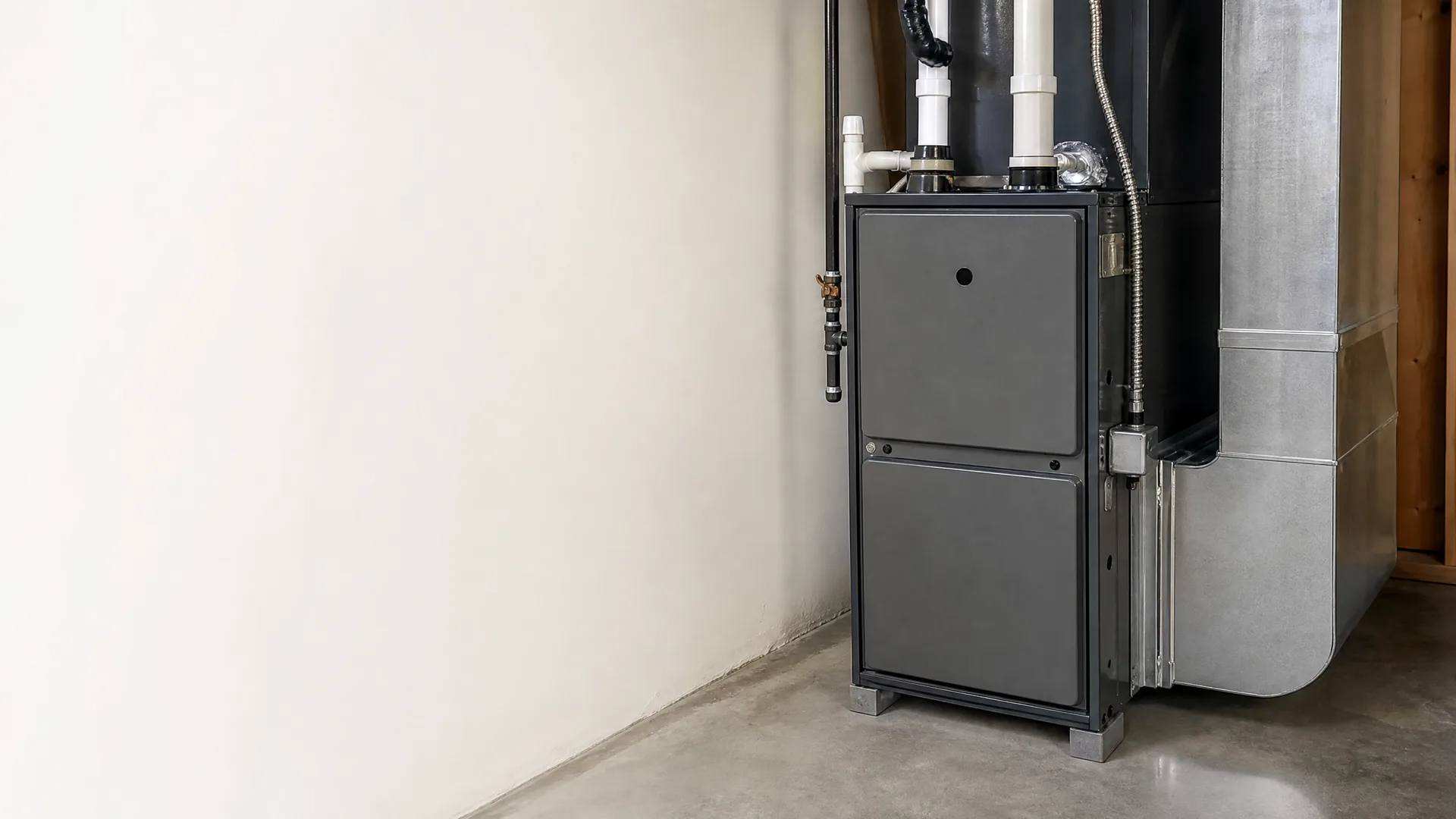
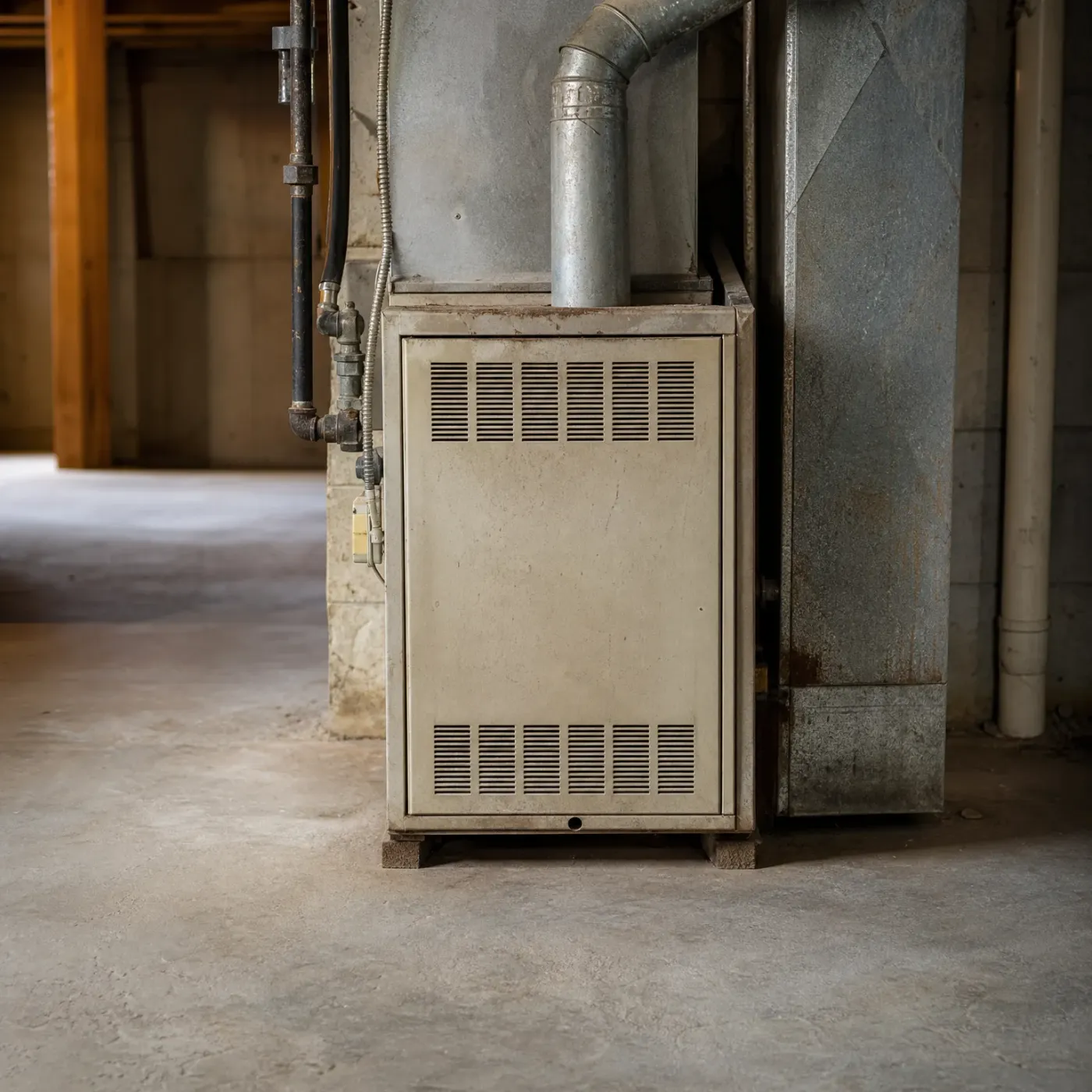
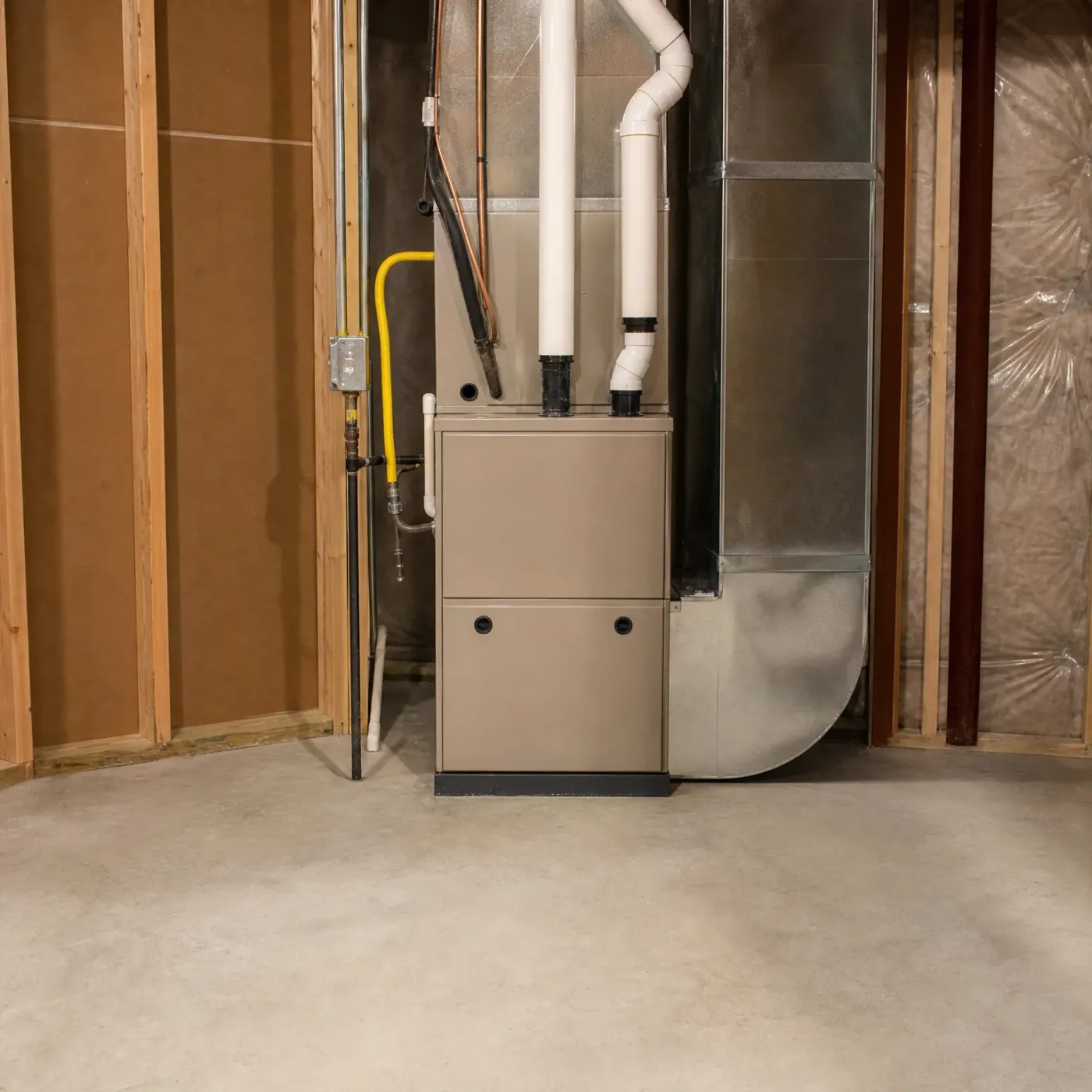
A furnace maintenance visit looks at the igniter, the flame sensor, and the blower motor, the same parts that take the brunt of long or frequent cycles. It also checks the heat exchanger for cracks and confirms the burners are firing clean. Catching a weak igniter or a dirty flame sensor in the fall means the furnace holds whatever setting you choose without short cycling or shutting down on a cold night.
You might notice the blower staying on well after the room feels warm, or the furnace kicking on again only an hour after it last shut off. Maybe you've heard a rattle at startup that wasn't there last winter, or the air coming from the vents feels cooler than it should before it warms up. These are the kind of small signs you already pay attention to. Left alone through a Colorado winter, a furnace running long, uneven cycles wears on the igniter and blower motor faster than one holding a steady setting, and a part that fails in January means a cold house until it's fixed.
Send the form, and lining up the furnace tune-up stops being yours to chase.
Asking costs nothing, and the choice to hire stays yours.
Leave the thermostat alone and let the furnace hold one setting all winter. It cycles on and off in short bursts, the burners light the way they're meant to, and nothing in the system is asked to do more than it was built for.
Swing the setting back and forth, warm by day and cold at night, and the furnace has to make up that gap every time. Longer runs, harder starts, and a system doing more work for the same house.

Set it once for your schedule and it holds the same low swing every day. The furnace never gets asked to guess what you want next.
Works fine if you're consistent, but a forgotten setback or a guest turning the dial back up erases the savings fast.
16°F outside at night means your furnace is working against a 50 degree gap or more to hold 68 inside. That gap is bigger than most states see, which is why the setting you pick matters more here than it would somewhere milder.
NOAA nClimDiv 1991-2020 county normals weighted by homes
The answer is simple enough. Somewhere between 68 and 70 in the day, 60 to 65 overnight, held steady instead of pushed up and down by hand. What's harder is actually leaving it there once you've set it, especially on the nights Denver drops into the teens and the house feels like it needs more. It doesn't. A furnace holding one setting runs the way it was built to run, short cycles, even burner firing, nothing asked of the igniter or blower beyond its normal job. Change the setting by a few degrees in either direction and that math changes too, both in how hard the furnace works and in what shows up on the gas bill come January.
None of that depends on guesswork. The range works because it matches what a furnace sized for your house is built to handle against Colorado's cold. Outside of that range, in either direction, you're either paying for heat you don't need or asking the system to recover from a swing every single night. Maintenance is what keeps the furnace able to hold that number without complaint, no long runs, no rattle at startup, no part quietly working harder than it should.
If something already sounds off, a furnace that's run fine so far doesn't need anyone found for it. Once that stops being true, send the form and the search for who should look at it is no longer something you have to carry. Someone who covers your part of Colorado takes it from there.
Matched to your furnace job