Hand off the search today
Signs your furnace won't last a Colorado winter
A furnace that's struggling shows it before it quits outright: short cycling, a yellow flame instead of blue, rooms that won't hold heat when it's in the single digits outside. This page walks through what to watch for and what it usually means. Send the form once you know what you're seeing, and you're done hunting for someone to look at it.
Send it todayA furnace that won't make it through a Colorado winter usually tells you before it fails for good. Watch for the burner flame turning yellow instead of blue, for the blower cutting on and off every few minutes instead of running a full cycle, and for rooms staying cold even with the thermostat set high when it's in the single digits outside. These happen because the parts that control ignition, airflow and heat exchange wear out one at a time, and each one failing puts more strain on the ones still working. A cracked heat exchanger or a failing igniter won't always stop the furnace outright, but they make it work harder to do less, and that's when a hard freeze finds the weak point. If you're seeing any of this now, the furnace is telling you it needs a look before the next cold snap, not after.
Why does my furnace sound different than it used to?
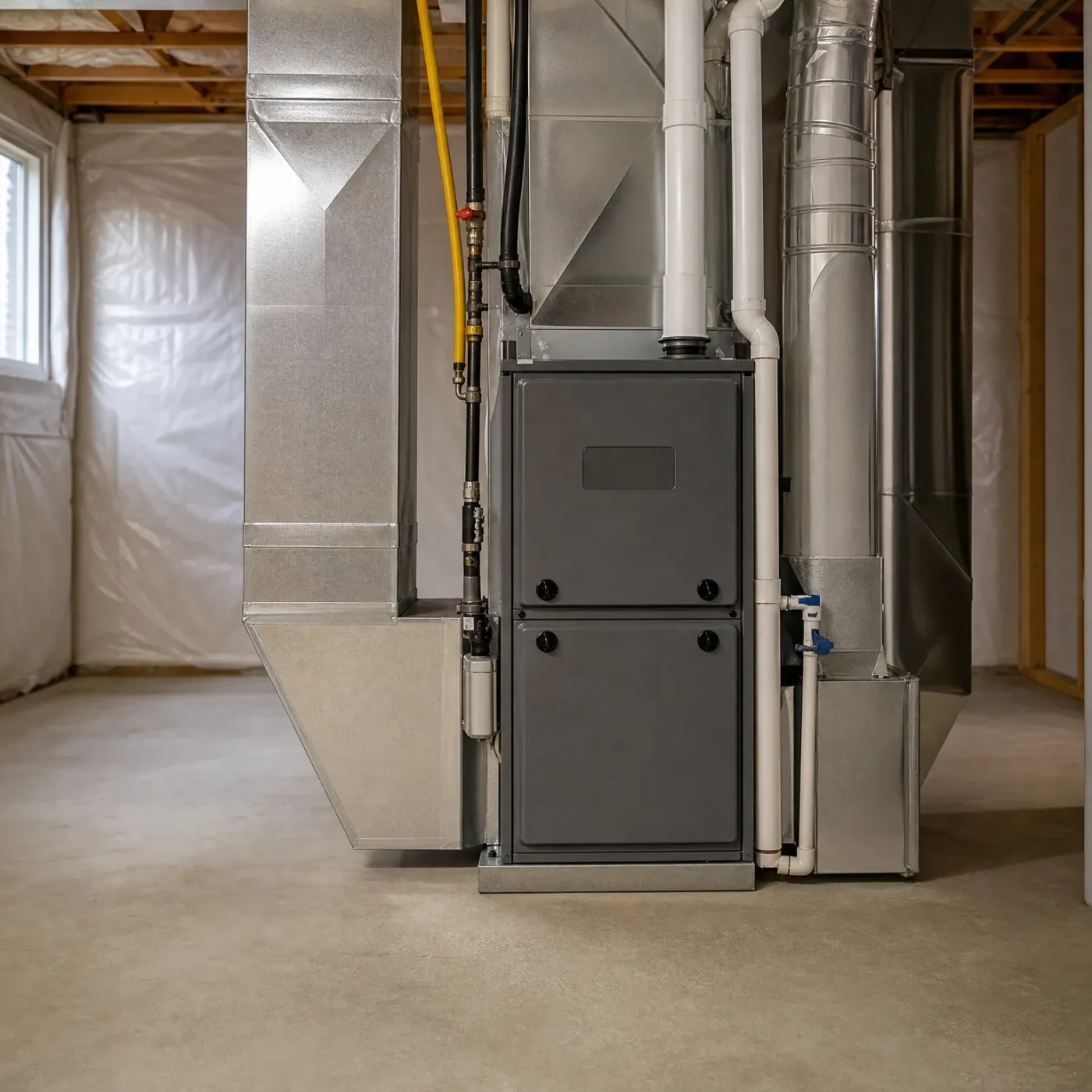
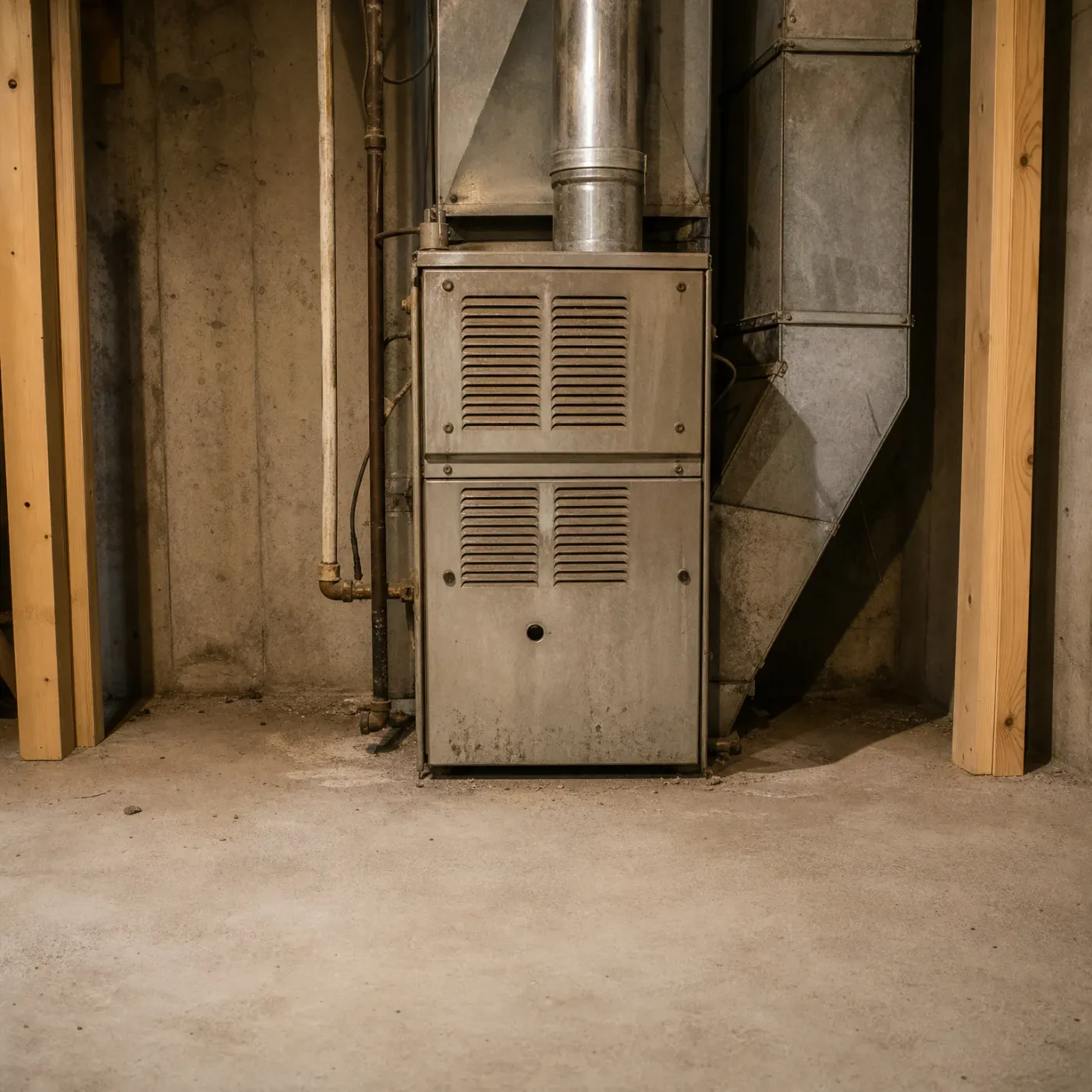
You'd notice the sound first. A bang or a rattle when it kicks on, or a hum that wasn't there last winter. Maybe the air coming out of the vents feels cooler than it should, so you bump the thermostat up a few degrees and it still doesn't catch up. Some rooms heat fine and others don't, especially ones farther from the furnace. You might see soot around the burner or smell something faintly like gas or like something burning dust. None of that is normal wear you can ignore until spring. A furnace that's struggling to keep up on a mild day in November will fall further behind once it's in the single digits, and that's the kind of failure that leaves a house cold overnight.
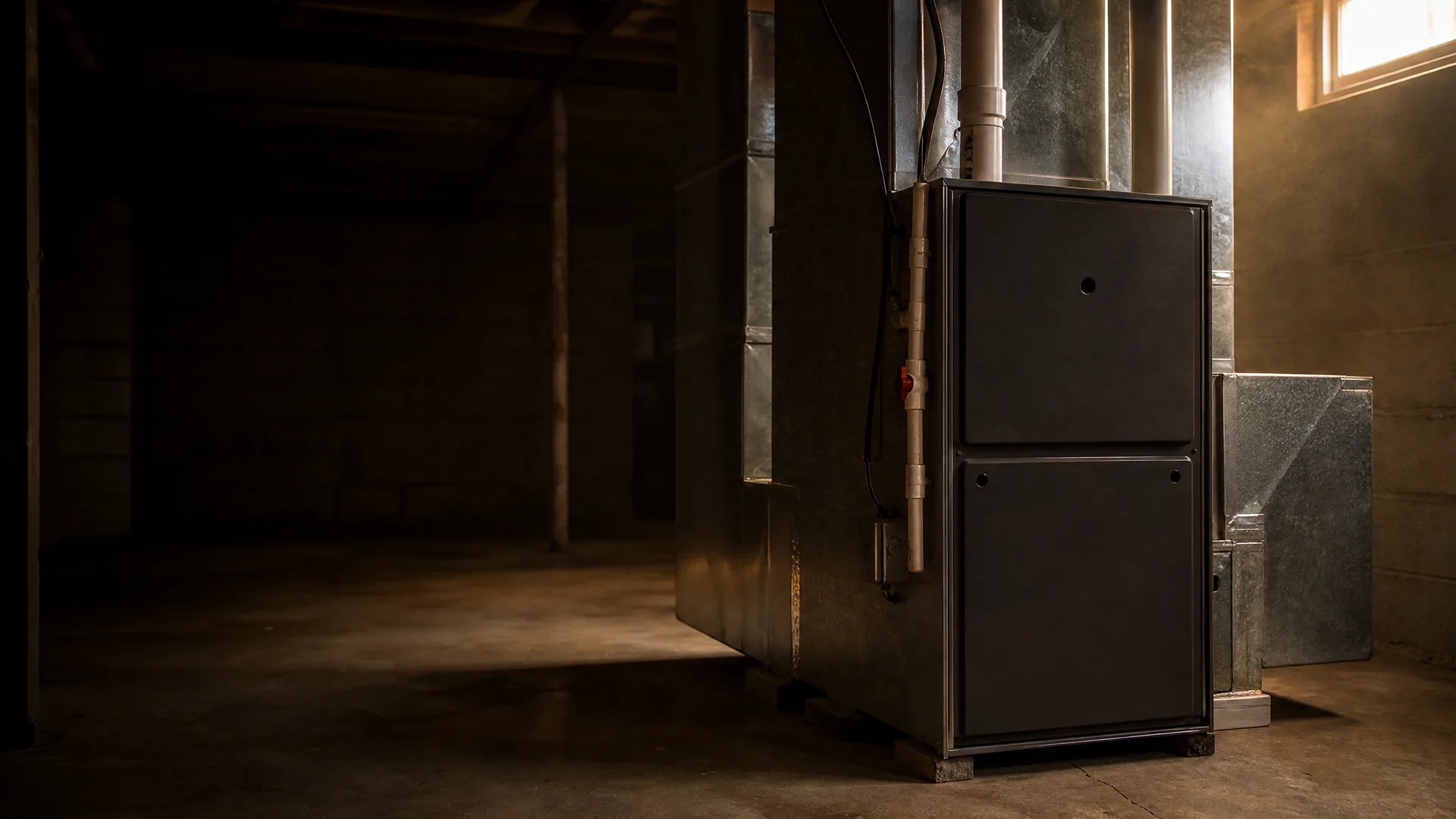
You go down to check the thermostat reading and the basement is colder than the house above it. The furnace sits dark. No hum, no blower, nothing. It's early November and the sun's been down for an hour, that first real cold snap Colorado gets before anyone's ready for it. You crouch by the access panel and see dust hanging in the air where the light from your phone catches it, dust that's been kicked loose from somewhere inside. You hit the switch on the side. Nothing. Upstairs, somebody asks why it's gotten cold, and you don't have an answer yet, just a dark furnace and a house that's going to keep losing heat while you figure out what to do next.
Hand off the furnace problem
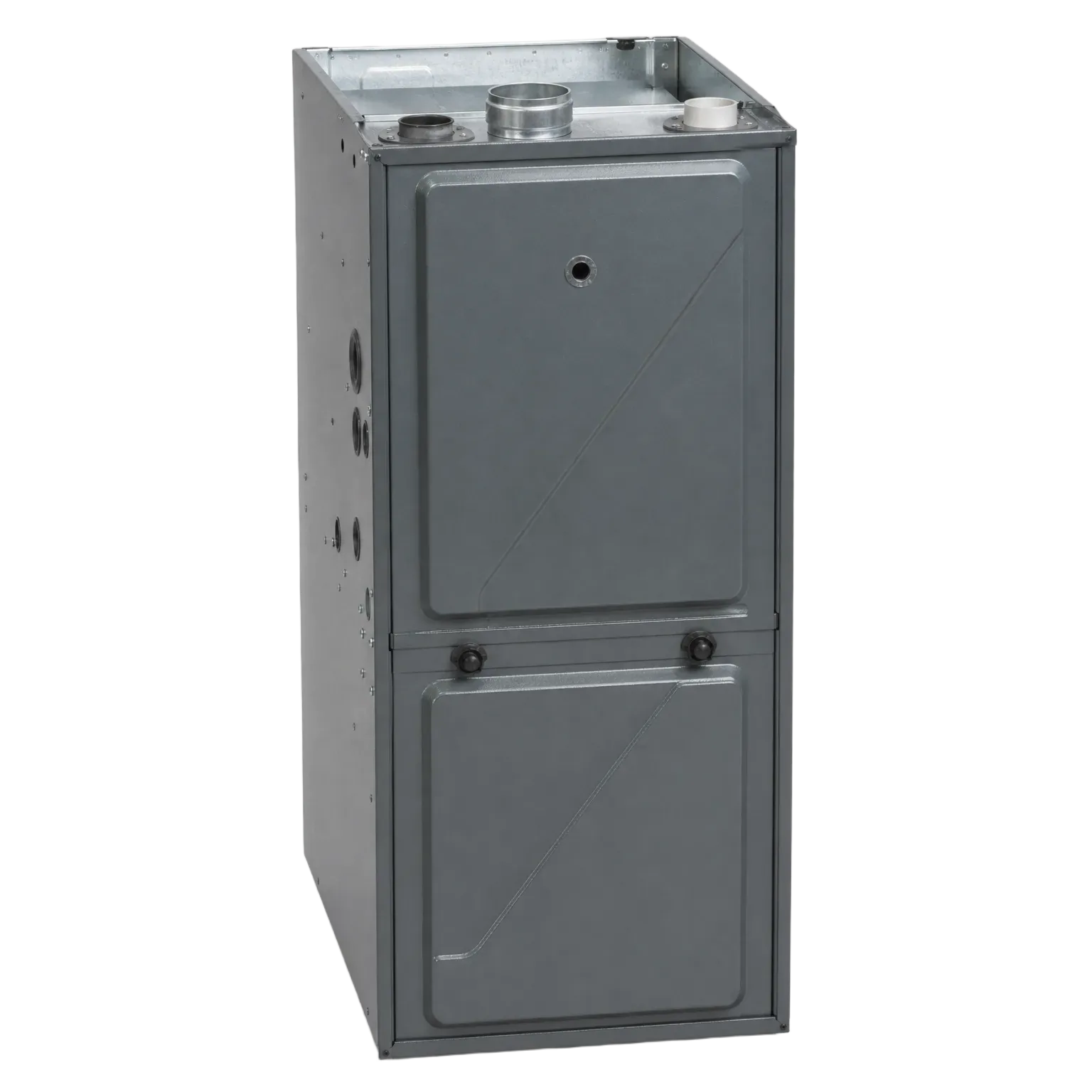
Fill out one short form instead of calling around.
Sending the form costs nothing.
What's Actually Failing Inside
- A cracked heat exchanger can leak carbon monoxide into the air your furnace is supposed to be warming.
- The igniter should glow and light the burners within seconds; a slow or failed start means it's wearing out.
- A furnace that runs the blower but never gets warm may have a bad flame sensor shutting off the gas valve.
- Soot around the burner compartment points to incomplete combustion, which a furnace built to last shouldn't produce.
- A draft inducer that runs loud or rattles before shutting off is often one failed cycle away from a lockout.
- If the furnace needs a reset more than once a week, the control board is likely failing, not the thermostat.
Each part of a furnace fails in its own order, and knowing that order tells you what you're looking at. The igniter comes first, usually. It's supposed to glow orange and light the burners within a few seconds of the thermostat calling for heat. When it takes longer than that, or skips a cycle here and there, it's on its way out. The flame sensor works behind it, a thin metal rod that checks the burners are actually lit before it lets the gas valve stay open. When that sensor gets coated or worn, the furnace will run its blower, blow cold air, and shut the gas off thinking nothing's burning. Soot in the burner compartment means the gas isn't burning clean, which shouldn't happen in a furnace that's set up right and isn't blocked somewhere in the venting. The draft inducer runs before the burners even light, pulling exhaust out through the flue. A rattle or loud whine from it means the motor's bearings are going, and it's often the last thing to work before the furnace locks out entirely. The heat exchanger sits behind all of it, and a crack there lets combustion gas mix into the air your ducts carry through the house. None of these fail instantly. They give you a cycle or two of warning first, if you're paying attention to what the furnace sounds and smells like when it runs.




A furnace loses efficiency as it ages, so a unit nearing the end of its life often runs longer to reach the same thermostat setting, which shows up as a higher gas bill before it shows up as a breakdown.
If your gas bill is climbing while the house still feels cold at 10 below, the furnace is working harder to produce less heat, and that's usually a sign it won't outlast the winter.


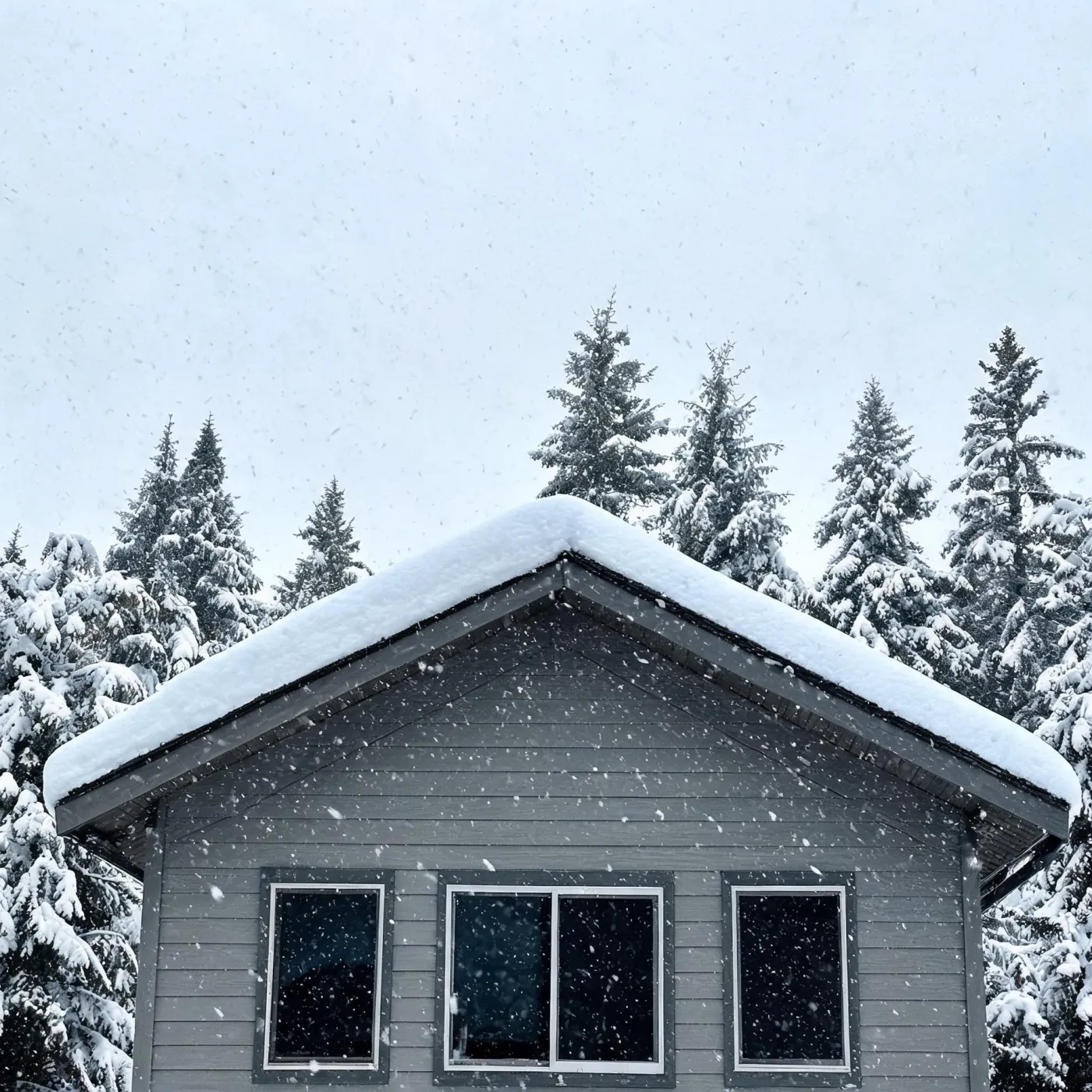
Winter nights average 16°F across Colorado, according to NOAA climate data. That's the kind of cold that finds every weak spot in an aging furnace. A unit that's losing its edge has to run longer and harder to keep up, and on a night that cold, longer runs mean more strain on a blower motor or heat exchanger that's already tired. You might notice the furnace running almost nonstop after sundown, or the house still feeling cool even with the thermostat turned up. A furnace in good shape shrugs off a 16-degree night. One that's on its way out struggles to keep pace with it.
NOAA nClimDiv 1991-2020 county normals weighted by homes

So what do you do with all this
A yellow flame, a furnace that short cycles, a bang when it kicks on, a gas bill creeping up while the house stays cold. Any one of these means the same thing. The furnace is telling you something before Colorado's cold finds the rest of it. None of these signs fix themselves, and none of them wait for a convenient week.
Once you've spotted the sign, the next step isn't hunting through reviews or calling three companies to compare quotes and explain the same problem three times. Send the form and that search is off your plate. You still know your furnace better than anyone standing outside it, and that's worth something when the person who shows up asks what you've noticed.

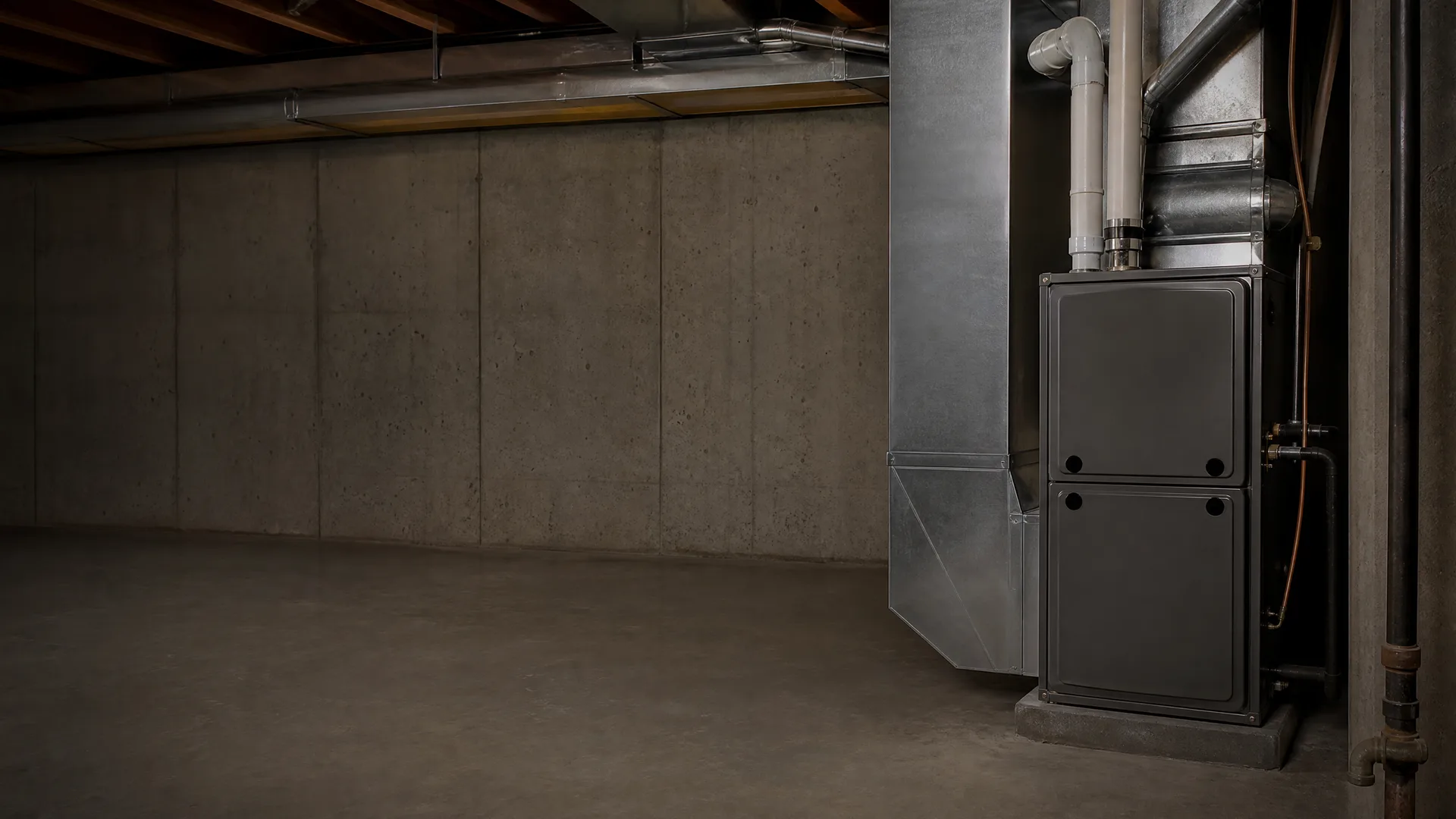
Done looking for a furnace pro
Explain the job once and skip repeating it on every call.