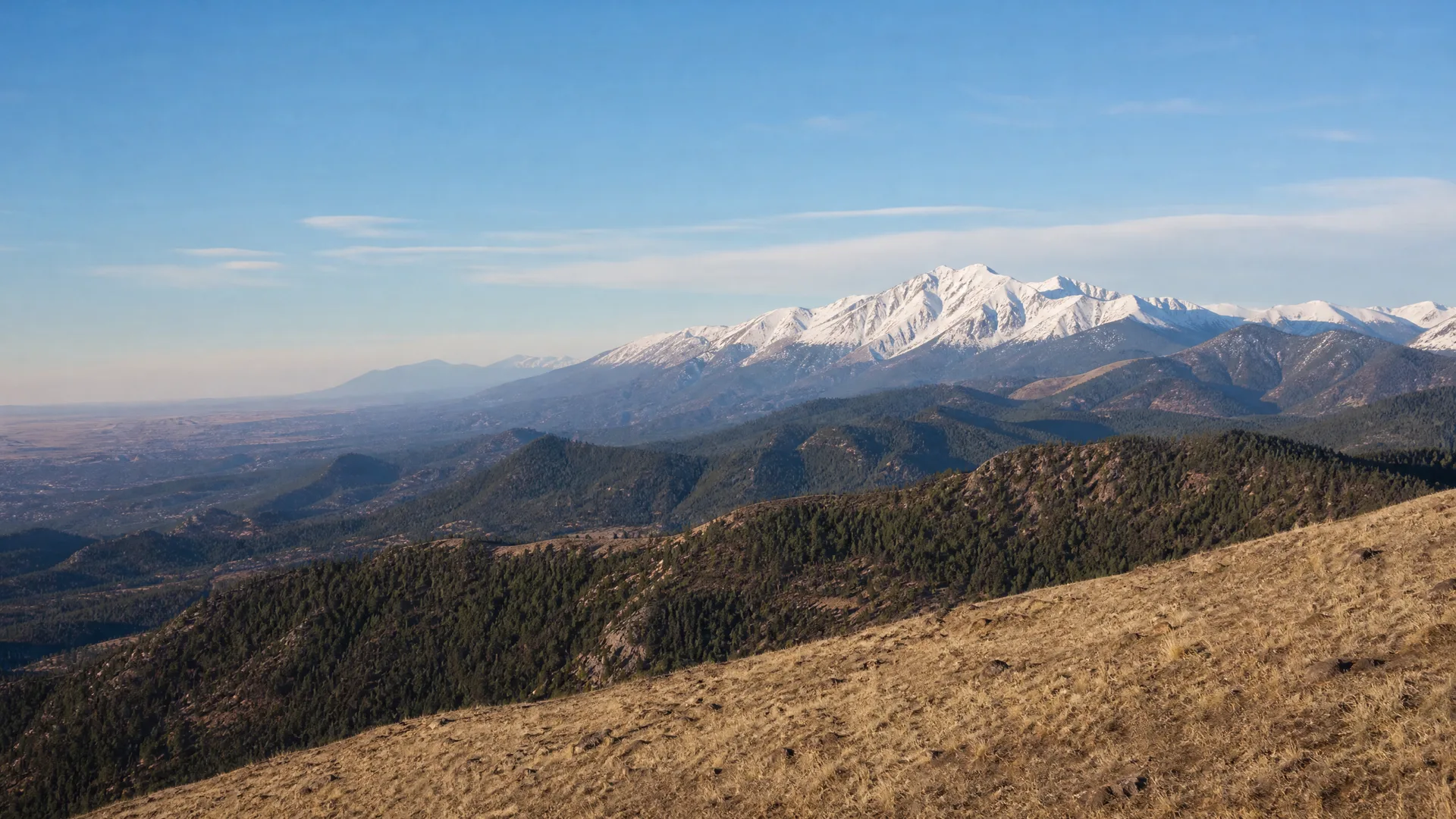
Heats and cools on one gas line
A furnace with a cracked heat exchanger can still push warm air through the house, which is why the leak goes unnoticed until someone catches the smell or the alarm.
 Skip the search
Answer a few questions instead of calling shop after shop.
A cracked heat exchanger isn't something you can check by looking at the furnace running. You might notice soot around the burner, a smell when the blower kicks on, or a carbon monoxide alarm that goes off and won't tell you why. By the time you're searching for this, something about your furnace has already made you uneasy.
That's the right instinct. A furnace this many winters into service, especially one that's been running hard across Colorado's cold stretch, deserves a look from someone who knows what a cracked exchanger actually does to a flame and to the air moving through your ducts.
Finding that person is usually its own chore. You'd normally be searching for furnace repair companies, calling a few, describing the smell or the soot or the alarm to each one, then waiting to see who calls back first and who can actually get to your house this week. Some of them will want to sell you a new furnace before anyone has looked at the old one.
This page skips that part. You tell it what you're seeing, and it connects you with one contractor who works on furnaces like yours in Colorado, not a list of five companies competing for your callback. Someone who checks exchangers every winter and knows the difference between a furnace that needs a part replaced and one that needs to be shut off until it's fixed.
You still get a real diagnosis, a real repair, and a real conversation about what's wrong. What goes away is the part where you're the one doing the legwork to find someone qualified to have that conversation with. Below, the specific signs to check before that visit, and what they tell you about what's happening inside the furnace.
A cracked heat exchanger usually shows up as a change in the furnace, not a clear warning. You might notice the flame looks different, wavering or flaring instead of burning steady blue, or the burner box has soot where it didn't before. Some homeowners catch a smell, almost formaldehyde-like, right when the blower starts. Others never smell or see anything, and the first sign is a carbon monoxide alarm going off. This happens because the metal inside the exchanger expands and contracts every time your furnace cycles on and off, all winter, and after enough years it can split along a seam you can't see without taking the furnace apart. A furnace that runs October through April in Colorado puts a lot of cycles on that metal. If you're seeing any of this, the furnace needs to be shut off and looked at before you run it again.




A furnace with a cracked heat exchanger can still push warm air through the house, which is why the leak goes unnoticed until someone catches the smell or the alarm.
A tech who works on furnaces around Colorado every winter knows which models crack first and what to check before touching the burner box.
A headache that fades when you leave the house and comes back in the evening is worth paying attention to. So is a smell like formaldehyde near the furnace, or a pilot light that burns yellow instead of blue. Some households notice nothing at all until a carbon monoxide alarm sounds. Soot on the burner box or around the front panel is another sign, especially if it wasn't there last winter. None of these prove a crack by themselves, but together they mean the furnace is burning differently than it used to, and that's the thing to act on. A cracked heat exchanger can let carbon monoxide into the air you're breathing, which is why these signs matter more than most furnace trouble does.
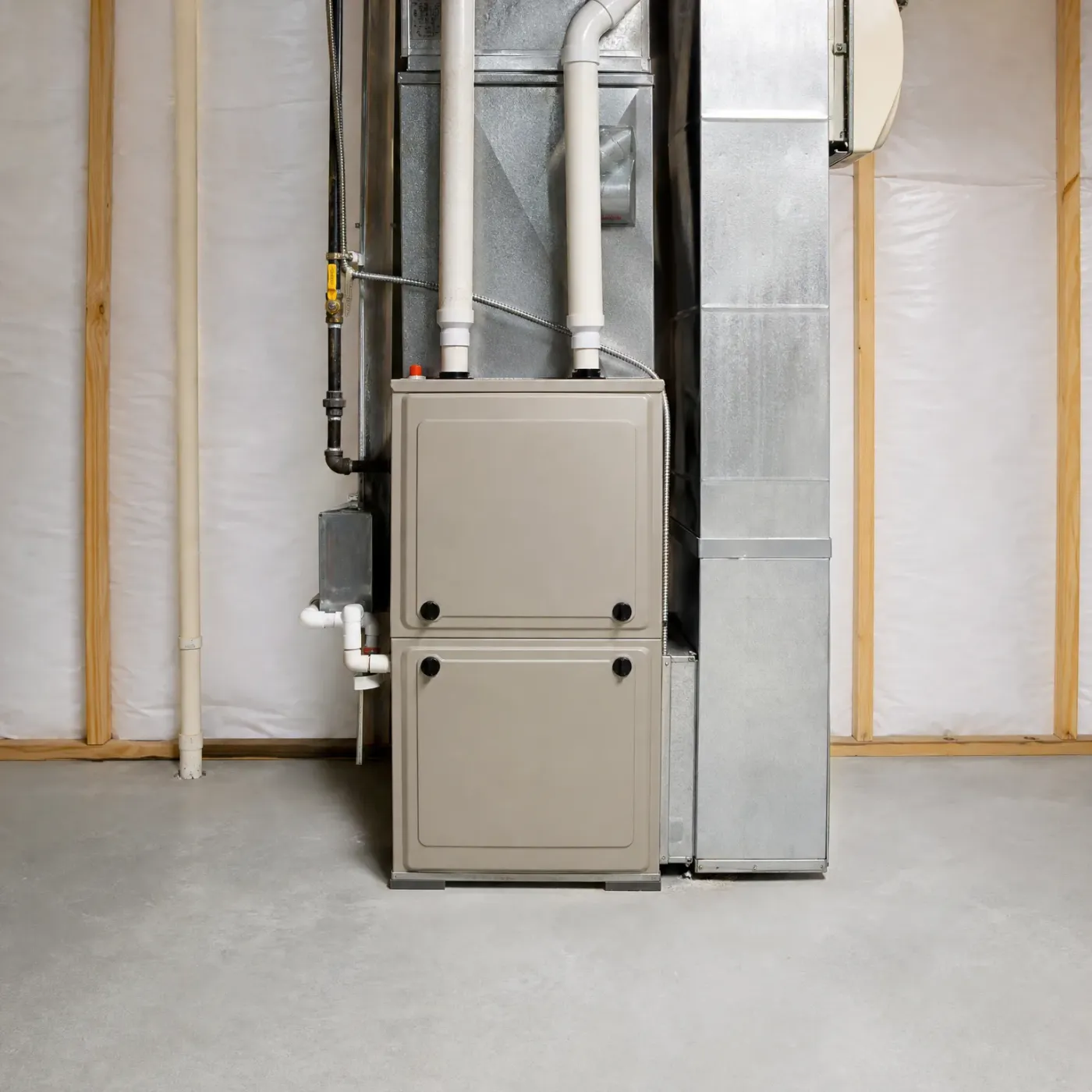
A steady blue flame, no soot on the burner box, no smell when the blower kicks on. The flue pipes carry exhaust straight outside and the air coming through your vents doesn't carry any odor with it. This is what a heat exchanger with no crack in it looks like day to day.
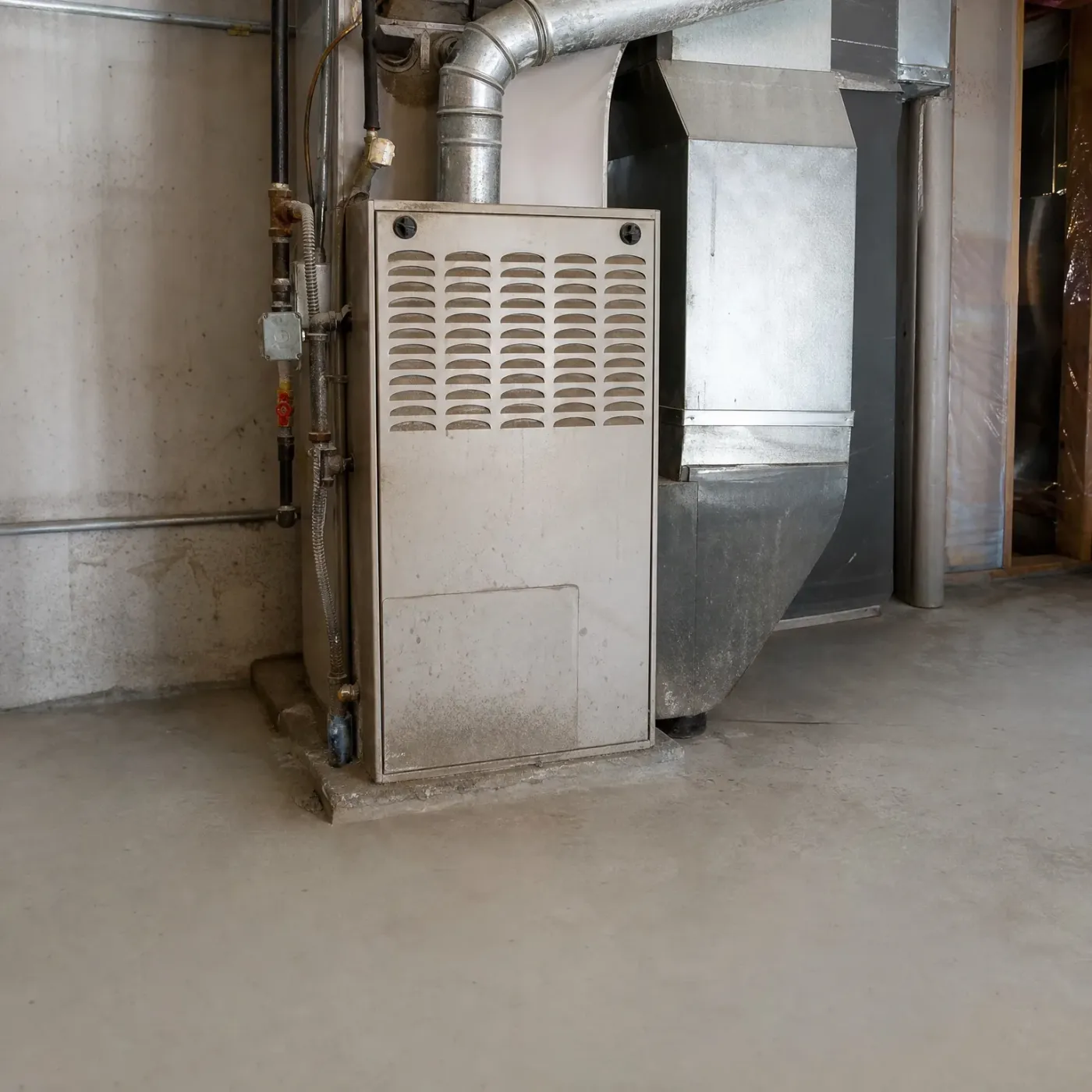
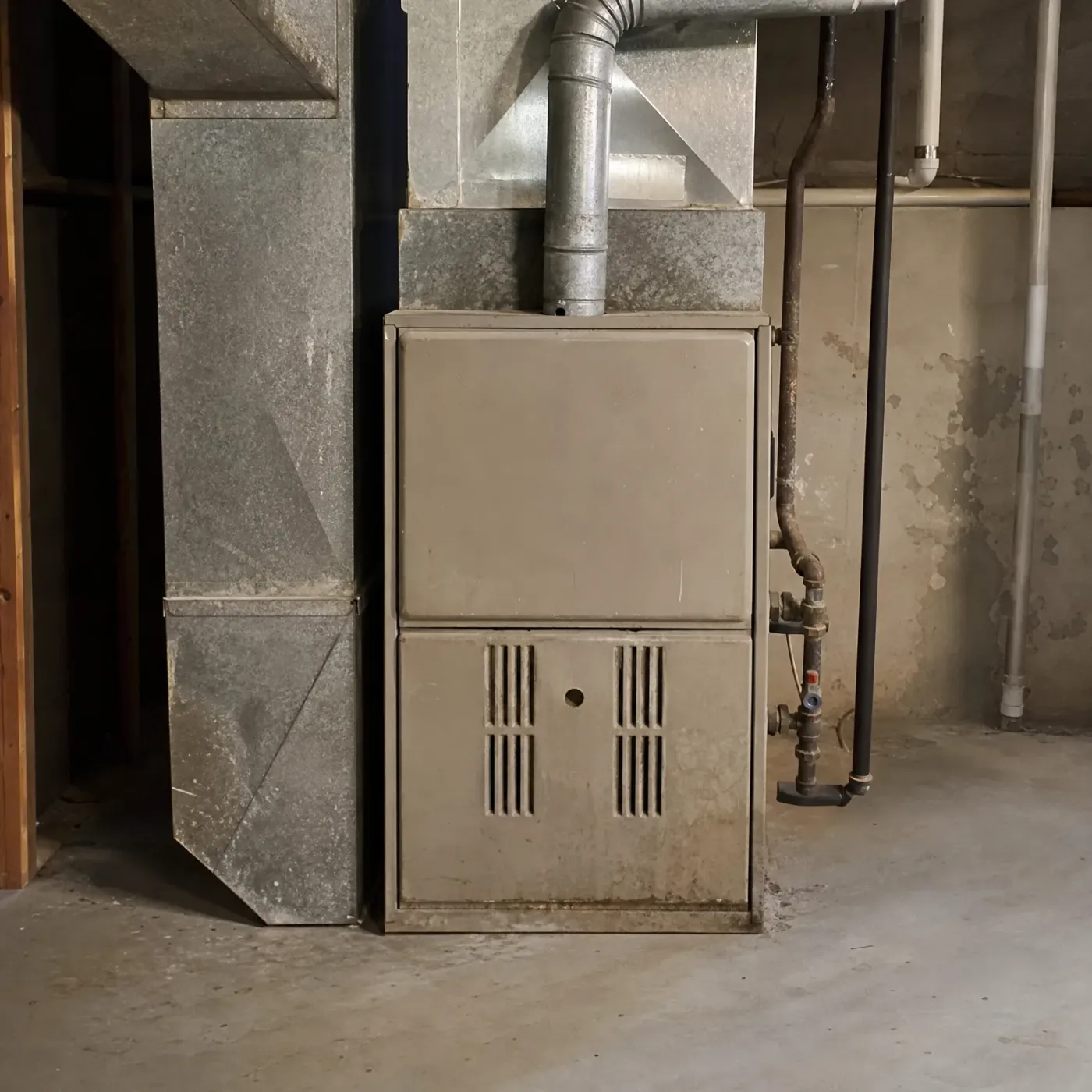
Dust and age on the cabinet alone don't tell you much, but paired with a flame that flares or wavers, or soot where there wasn't any before, they're worth a second look. A furnace like this can still run and still heat the house, which is exactly why a crack goes unnoticed as long as it does.
Burner ignites inside the heat exchanger chamber and warms the metal walls.
Metal expands with heat and a crack opens along a weak seam.
Blower pulls house air across the cracked exchanger to heat it.
Combustion gases leak through the crack into that same air stream.
A cracked exchanger isn't something to diagnose over the phone or wait out until spring. Once you suspect one, the furnace needs eyes on it, combustion testing equipment, and someone who knows what a Colorado winter does to a furnace that's been running flat out since October. Finding that person usually means searching around, calling a few companies, explaining the soot smell or the headaches that fade when you leave the house, then doing it again with the next company and comparing what each one quoted you. Handing the request off instead skips that part. It goes to one local contractor who works on furnaces like yours every heating season and knows which models in this area tend to crack first and where. You're not fielding calls from five different companies while your furnace sits there leaking exhaust into the air your blower is pushing through the house. You make one request and get one call back, and the furnace gets looked at properly by someone who already knows what to check.
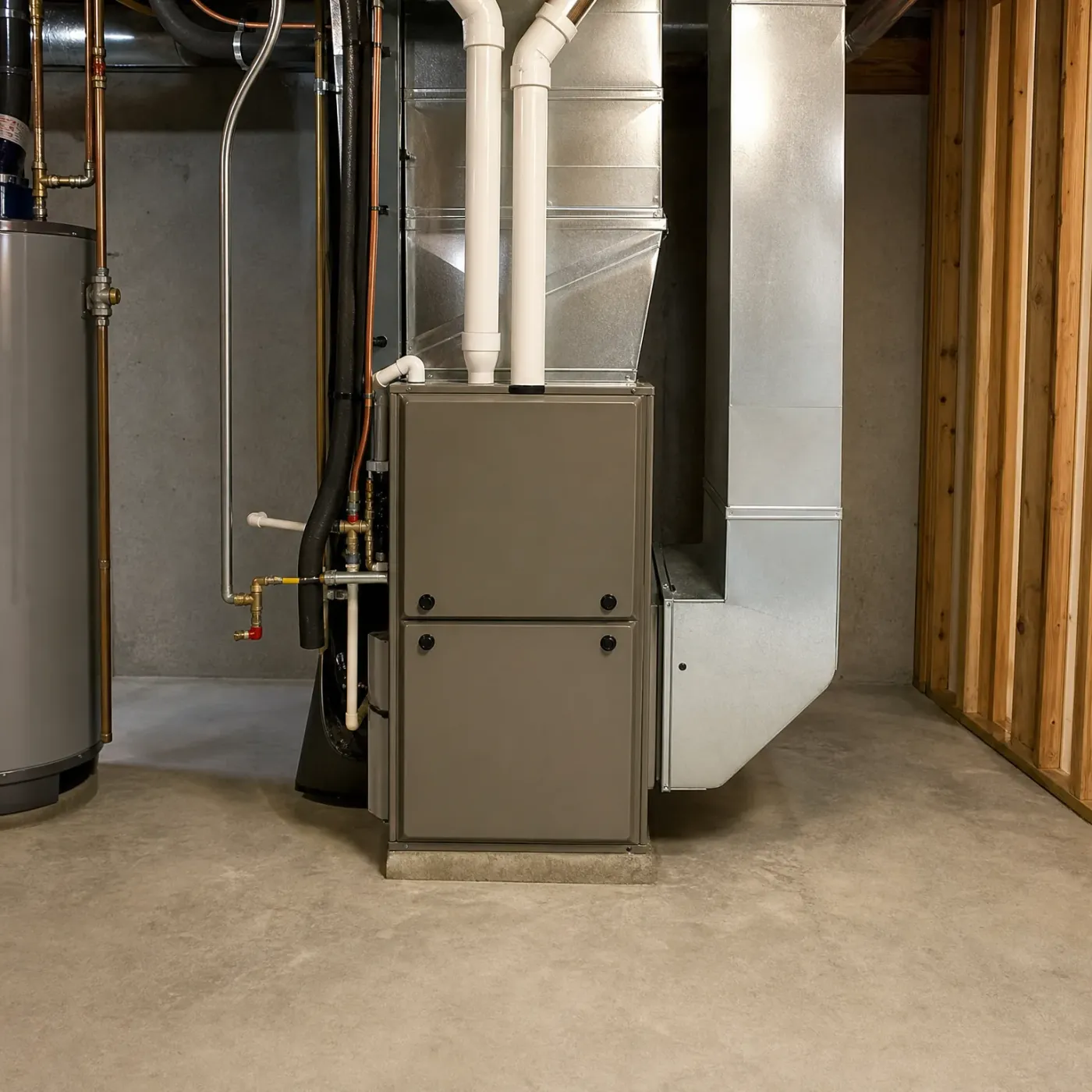
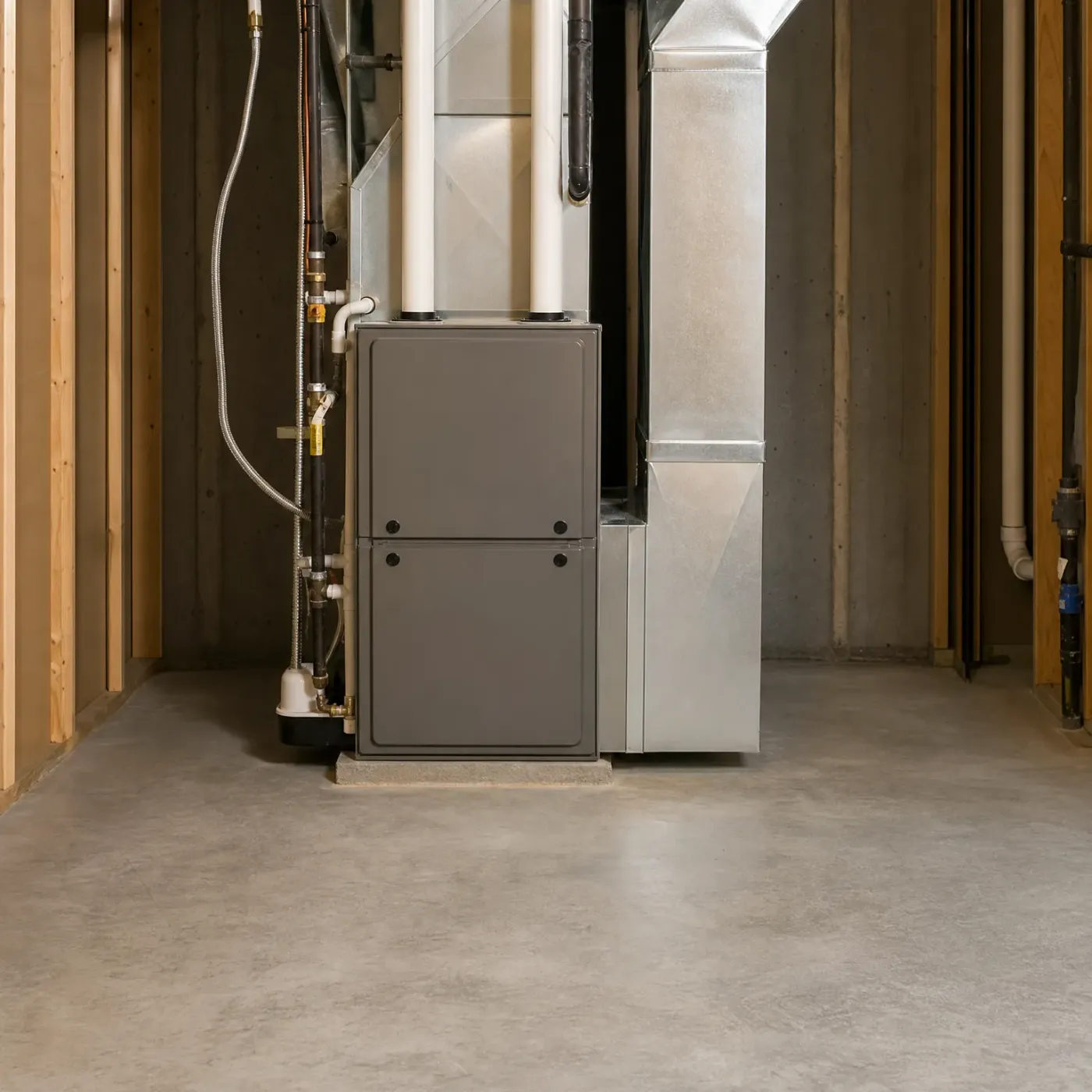
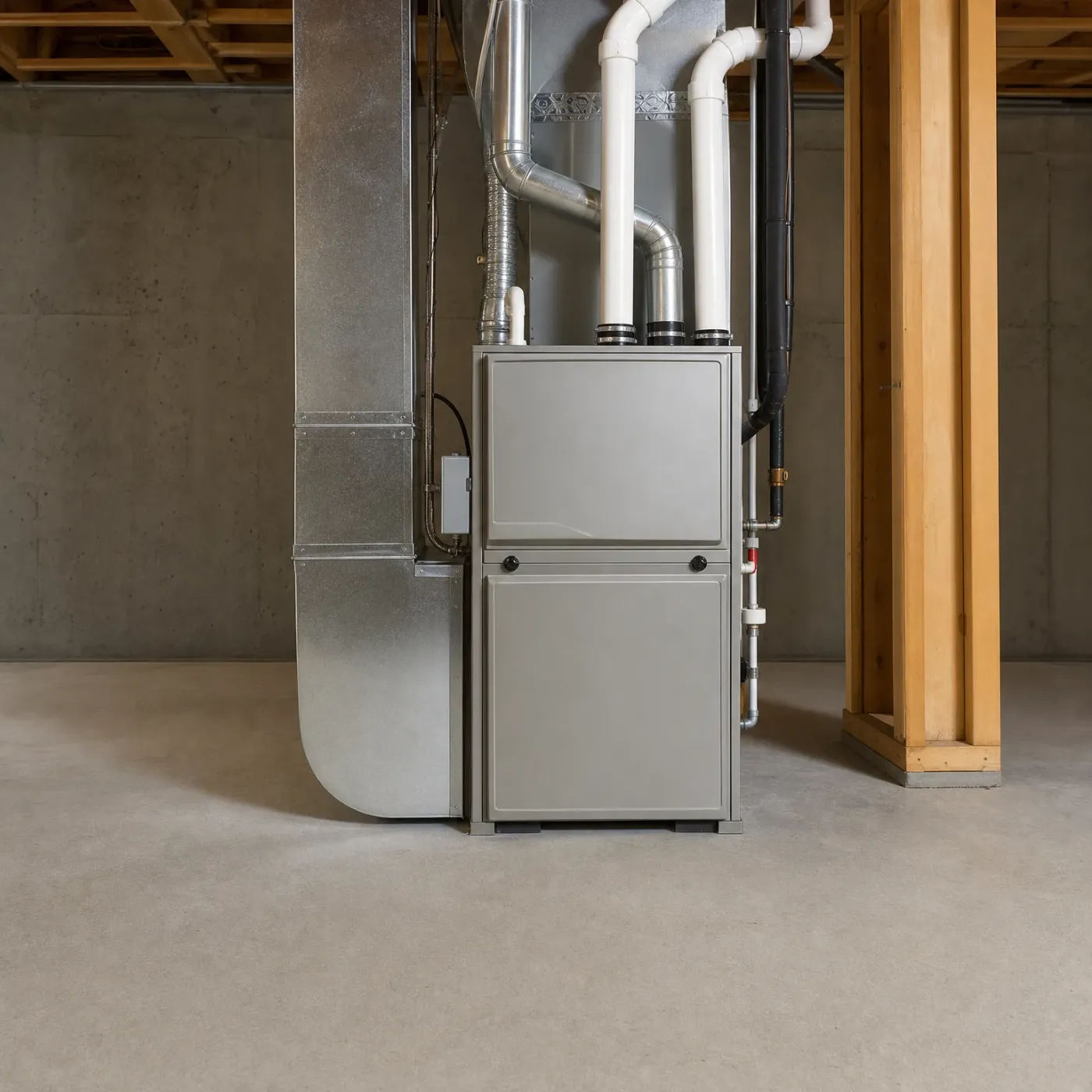
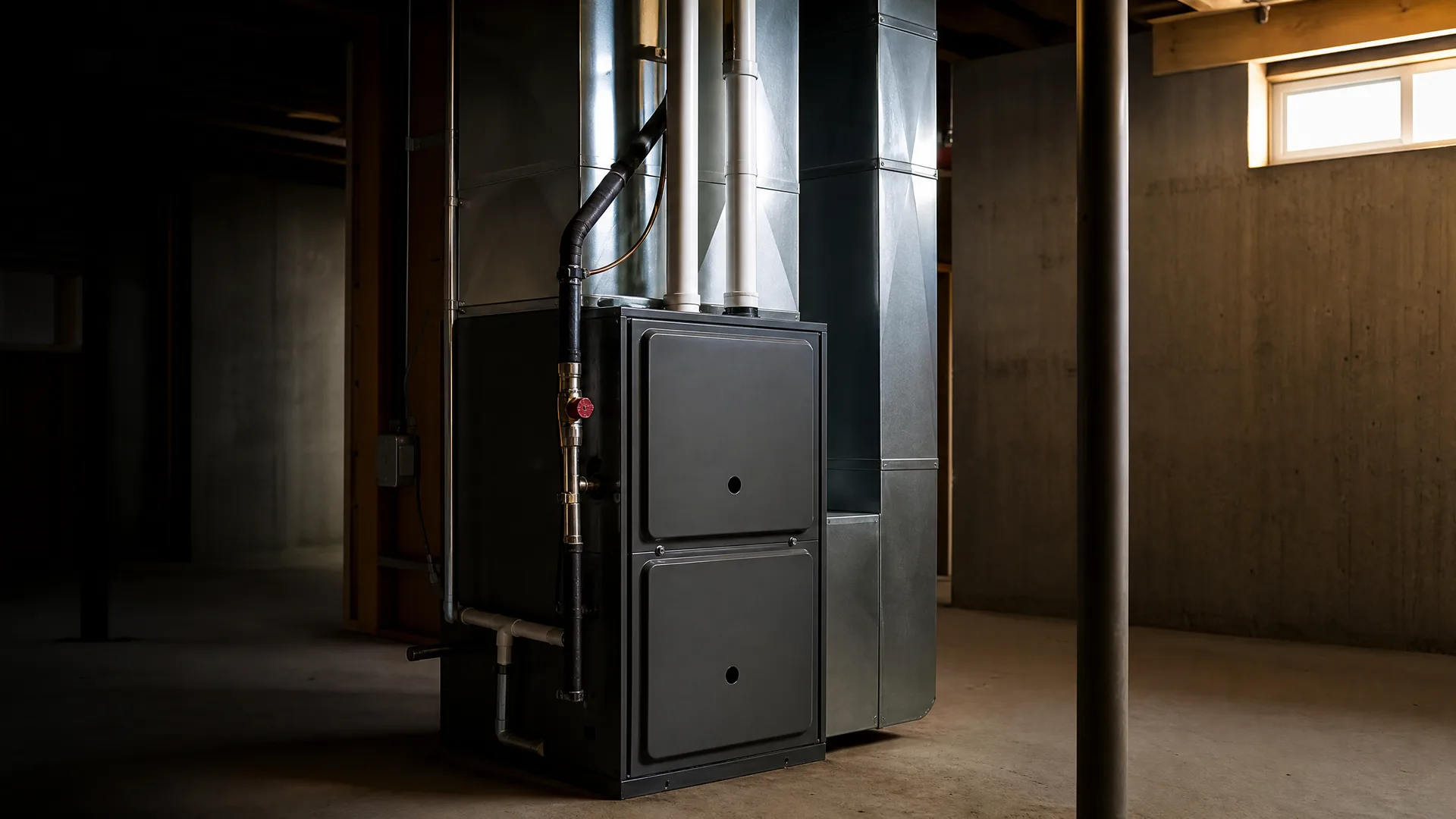
Sitting on its pad, flue pipes running straight up and out, ductwork intact around it. A furnace built like this one draws combustion gas out through the PVC and keeps it away from the air the blower moves through the house.
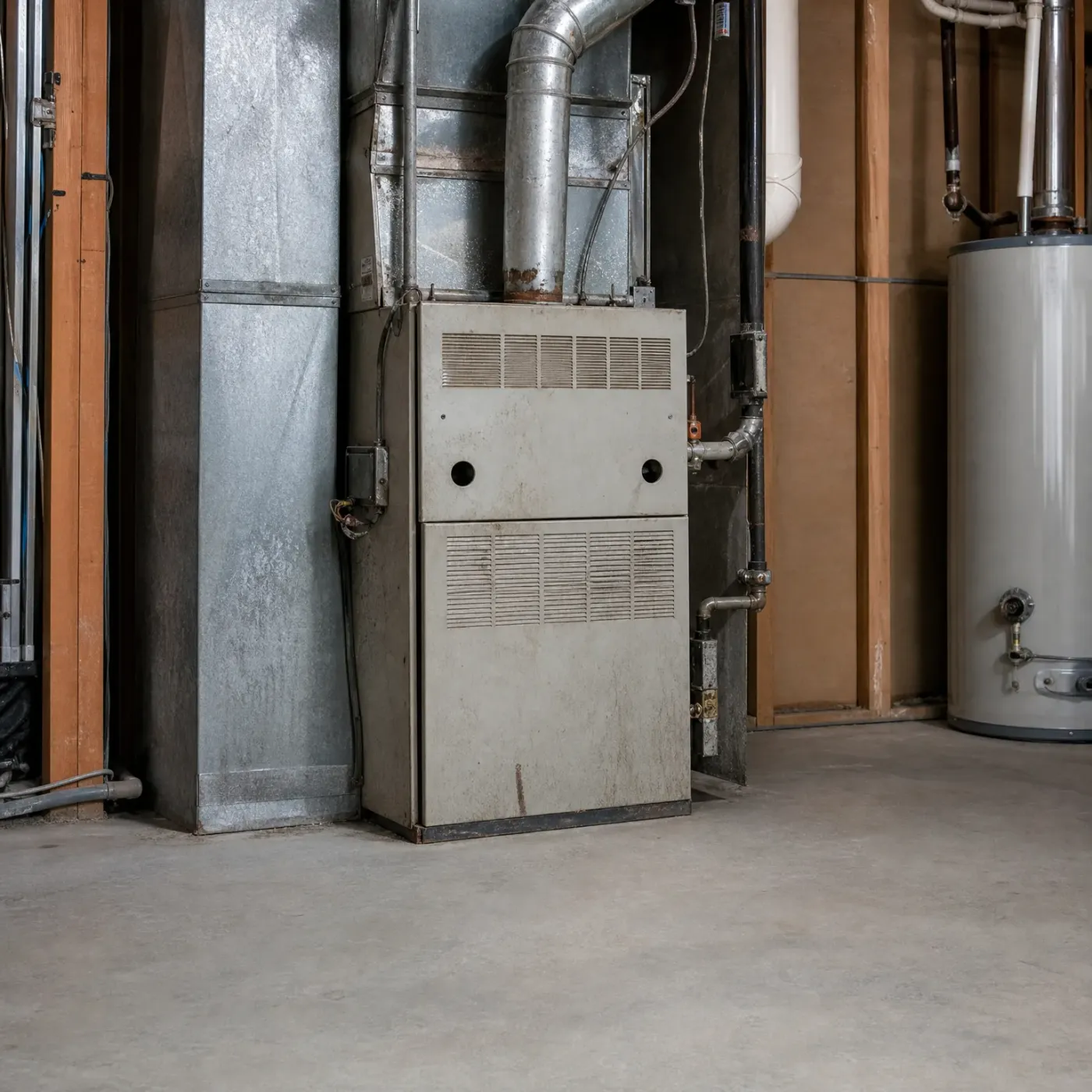
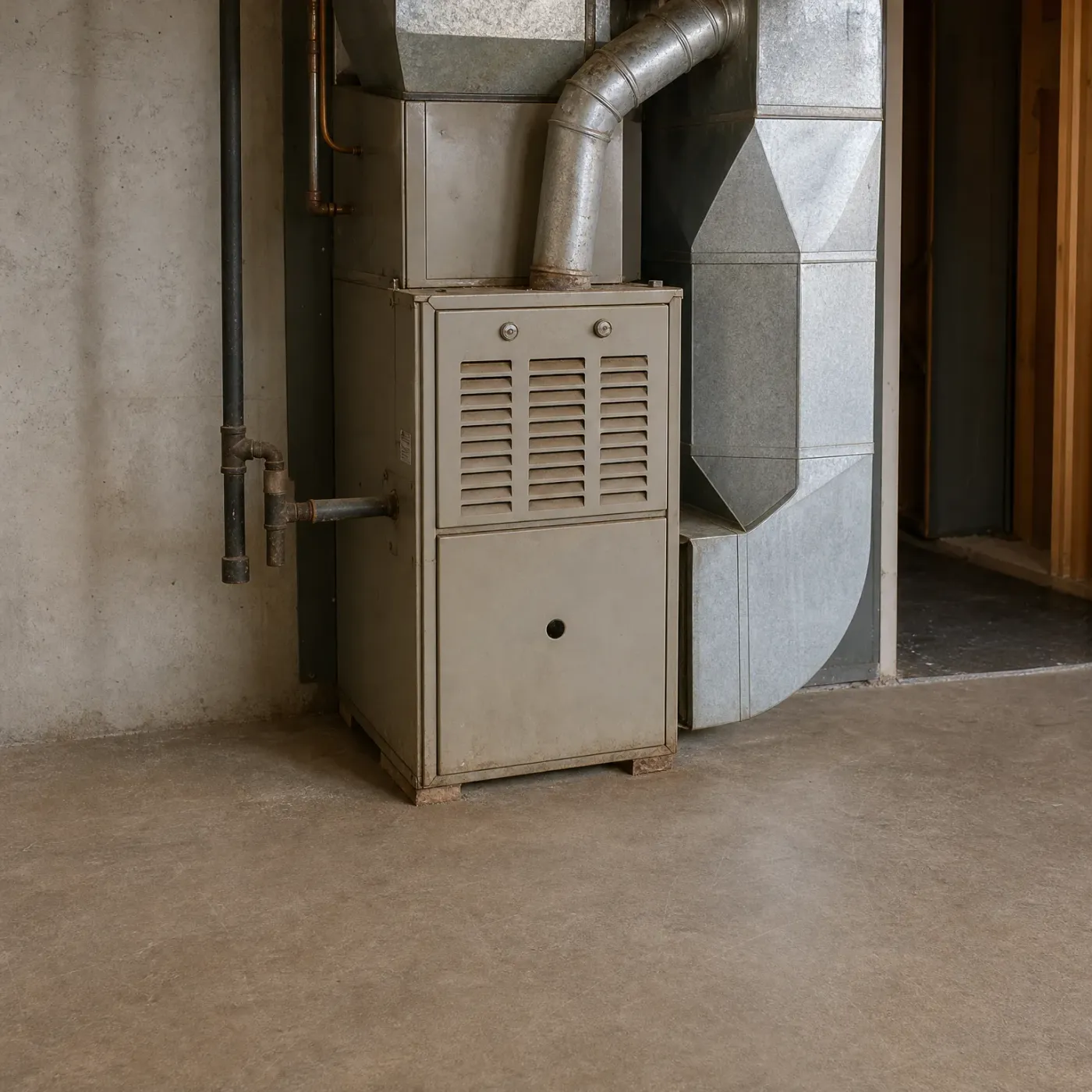
Galvanized ductwork, an older cabinet, flue pipes that have carried exhaust for a lot of winters already. Age alone doesn't crack a heat exchanger, but a furnace this old has gone through enough heating and cooling cycles that the metal has had time to fatigue.
You keep hearing that heat exchangers crack, but nobody explains why metal inside a sealed furnace would split on its own. It helps to know what's actually happening in there every time the burner fires, especially with how hard a Colorado furnace runs once the cold sets in and stays on for hours at a stretch through the winter.
Every time the burner lights, the heat exchanger gets hot fast, then cools again once the thermostat is satisfied and the burner shuts off. That metal expands when it heats and contracts when it cools, over and over, heating cycle after heating cycle through a Colorado winter. Years of that movement fatigue the metal the same way bending a wire back and forth eventually snaps it. The crack opens where the metal is thinnest or where a weld already sits under stress, usually along a seam or a bend. A furnace that short cycles, firing on and off more often than it should, puts the exchanger through more of these swings and can bring the crack on sooner.
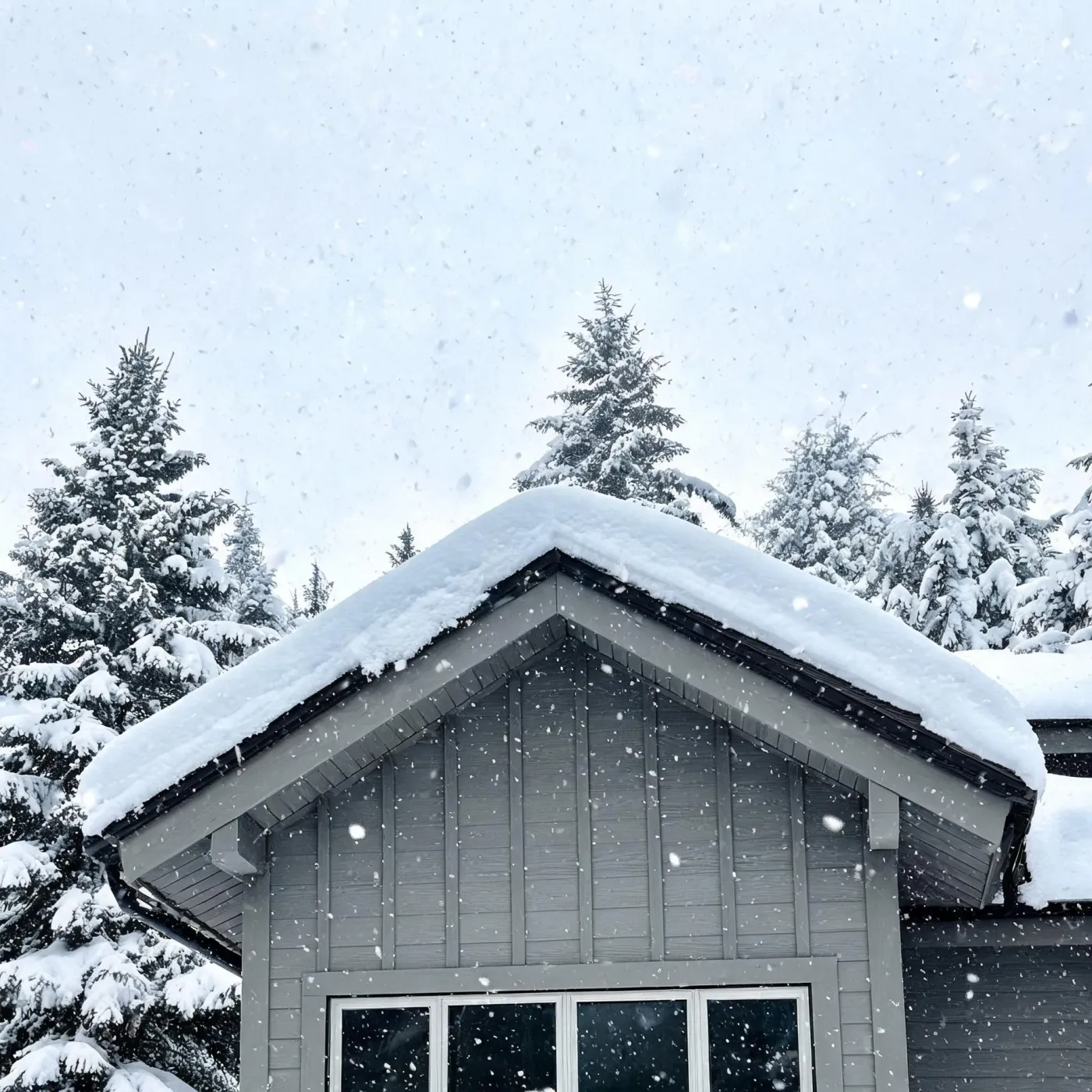
Statewide, winter nights average 16°F, and that's the stretch where your furnace runs the longest, often most of the night without shutting off. A heat exchanger that's already cracked gets more cycles of expansion and contraction during a run like that, and the crack can widen. You might notice the furnace short cycling, or the burner flame acting up more on the coldest nights than it did in October. A furnace that seemed fine in fall can start showing signs once nights settle into the teens. Source: NOAA statewide averages.
NOAA nClimDiv 1991-2020 county normals weighted by homes


Keep waiting to see if it gets worse, and you're the one cycling the air across a crack that opens a little further every cold night this furnace runs.
Get a contractor out to run a combustion test, and you know within an hour whether the exchanger is cracked or the furnace is fine to keep running.
Nights that cold mean your furnace is cycling on for hours at a stretch, not just kicking on here and there. A cracked exchanger gets that much more expansion and contraction to work with on a run like that, which is how a hairline crack turns into a bigger problem by February.
NOAA nClimDiv 1991-2020 county normals weighted by homes

Soot on the burner box, a smell when the blower kicks on, a flame that wavers instead of burning steady blue. None of these prove a cracked heat exchanger on their own, but together they're reason enough to get a combustion test done before another cold night on the Front Range or the Western Slope puts more hours on a furnace that's already leaking.
You don't have to figure out which of those signs matter most or track down who in your area actually tests for this. One contractor, local, licensed, and used to what a Colorado winter does to an aging furnace, can tell you within an hour whether the exchanger is cracked. That's one call instead of several, one person looking at your furnace instead of you explaining the same smell and the same flame to three different companies before you get a straight answer.
No phone calls to make