

How often to change your furnace filter in Colorado
Send the form, and lining up the furnace tune-up stops being yours to chase.
Hand it offHow often should I change my furnace filter in Colorado?
You're thinking ahead to winter and don't want to find out mid-season that your furnace has been running dirty. A furnace that runs for months straight pulls a lot of air through that filter, and Colorado's dry air carries a fair amount of fine dust. You want a number you can actually plan around, not a vague rule that doesn't account for how long your furnace runs here.
Every 1 to 3 months during the heating season
A 1-inch filter needs changing every 30 to 90 days once your furnace is running regularly, and in Colorado that means checking it from about October through April. The dry climate here means more fine dust gets pulled through the return air than in a humid state, so filters tend to load up faster than the box might suggest. A thicker filter, 4 or 5 inches, can usually go longer between changes, often 6 months or so, if that's what your system takes. The real test is holding it up to light. If you can't see light through it, it's restricting airflow, and your furnace has to work harder to push air through the house.
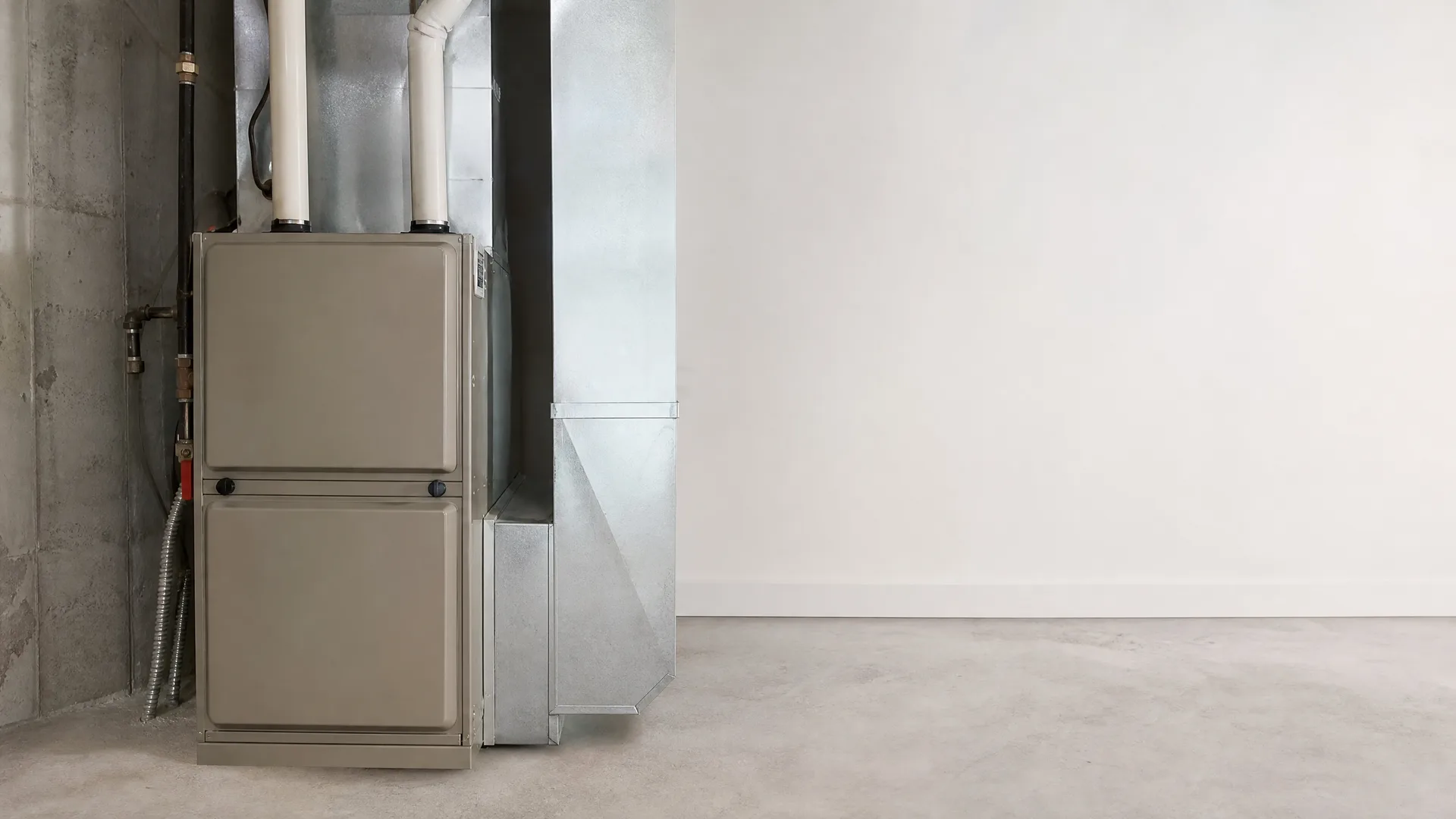
Dust from a dry summer
Colorado summers run hot and dry, and that dust works its way into the house and straight into your return air. A filter that might last three months somewhere humid can load up faster here. Once your furnace starts running regularly, it's pulling that same dry dust through the filter day after day. Check it when the season turns, not just on a calendar reminder, since a dusty summer before a hard winter can clog a filter sooner than you'd expect.
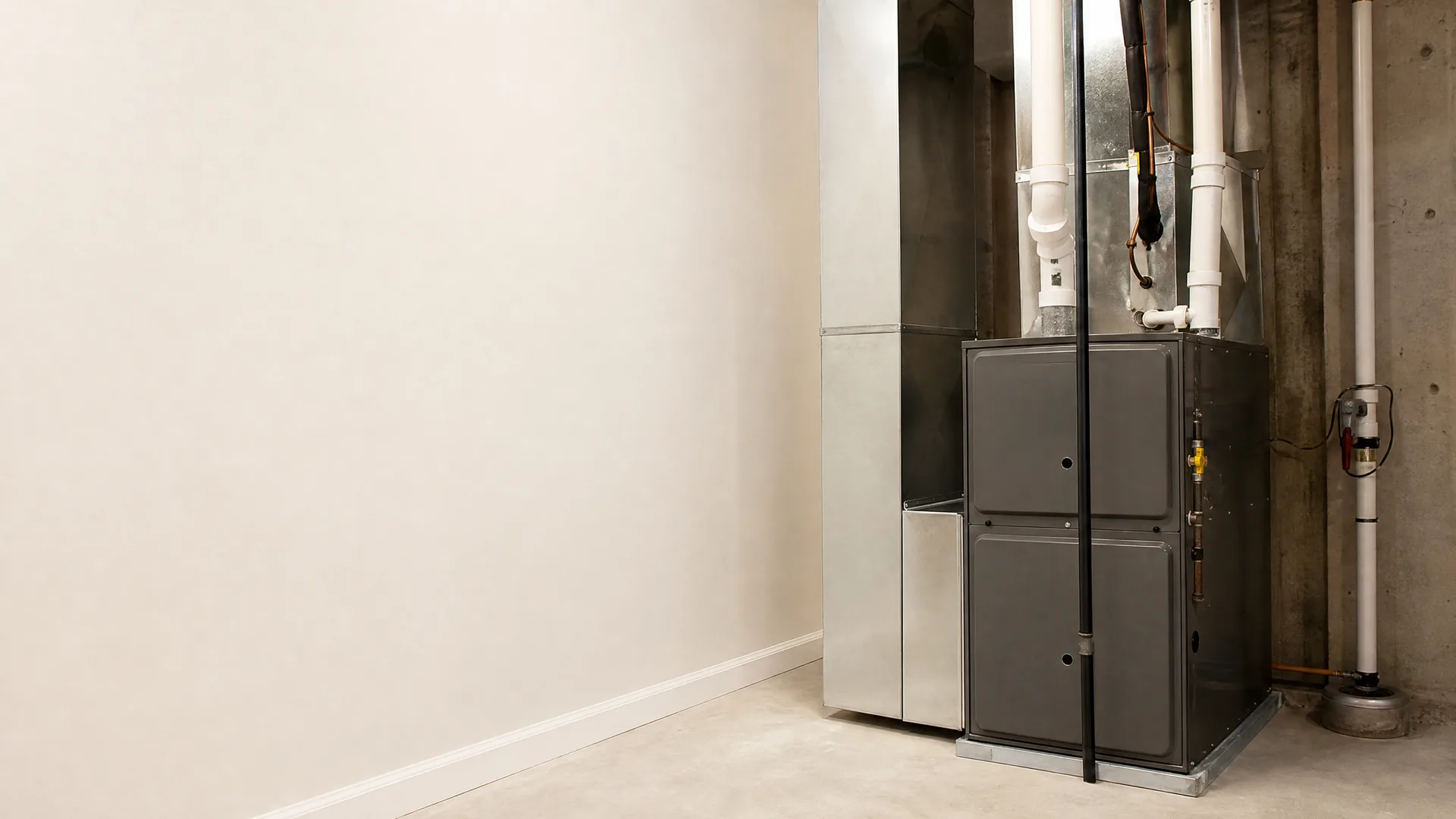
What a clogged filter does
A furnace pulls air through the filter before it ever reaches the burner and blower. When the filter clogs, the blower has to work harder to move the same amount of air through the house. That strain doesn't show up right away. It shows up as a furnace that runs longer to hit the same temperature, or a system that shuts off on a safety switch because airflow dropped too low. Gas furnaces depend on that airflow to run efficiently, so a dirty filter costs you more than dust in the house.
Is my filter already too dirty to notice?
Pull it out and hold it up to a light. If you can't see light through it, it's done, no matter what the calendar says. You might notice the furnace running longer to reach the same temperature, or a room that used to heat up fast now lagging behind. Some people notice a faint burning smell the first time the furnace kicks on for the season, which is often just dust on the heat exchanger and clears up once the filter's changed. A clogged filter makes the furnace work harder to pull air through it, and over a winter of steady runtime that adds up on your gas and power bill. Left long enough, it can also strain the blower motor.




It's off your list after this
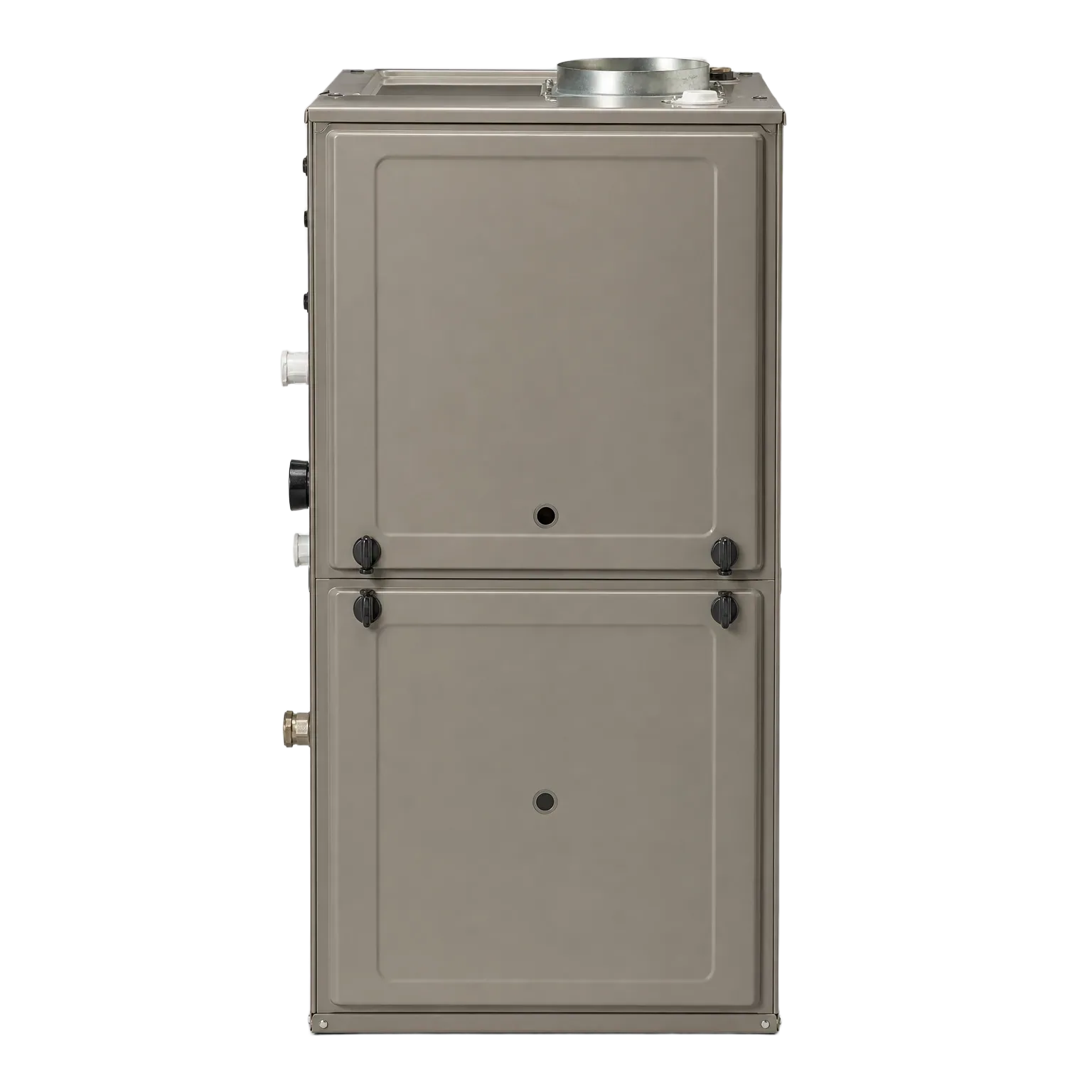
A licensed local pro takes the request for your furnace tune-up.
There's no charge for the request.
A one-inch filter versus a thicker one
A basic one-inch filter is what most furnaces came with, and it needs the most attention. In a dry, dusty stretch it can load up in six to eight weeks once the furnace is running every day. Check it monthly and you won't be guessing. A four or five inch media filter holds a lot more and can often go six months or longer between changes, even with the dust Colorado kicks up. If your furnace has the slot for one, it costs less in trips to the hardware store, though the filter itself costs more up front. Either works. The one-inch just asks more of you during the months it's running hard.
Changing it yourself or having it checked
Swapping a filter takes a few minutes once you know where it sits, and plenty of homeowners handle it on their own schedule without trouble. Where it gets harder to judge from the outside is whether the dirty filter is the only thing going on. A furnace that's been pulling air through a clogged filter for a while can pick up strain on the blower motor or the heat exchanger that a fresh filter alone won't undo. A tech who services furnaces around here all season knows what that wear tends to look like and can tell you if it's just the filter or something the filter was hiding. Either path is reasonable. One just carries a little more risk of missing what's underneath.
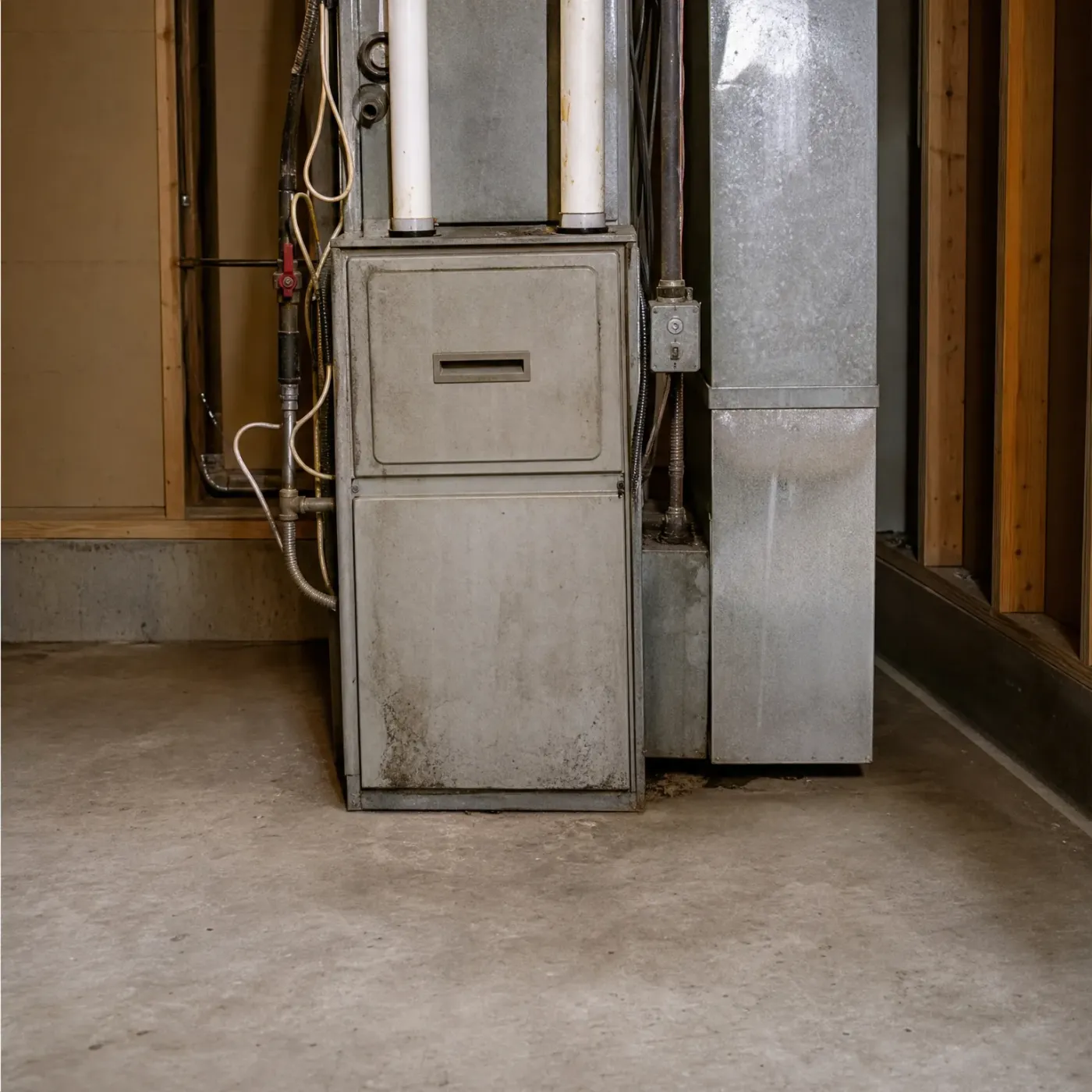
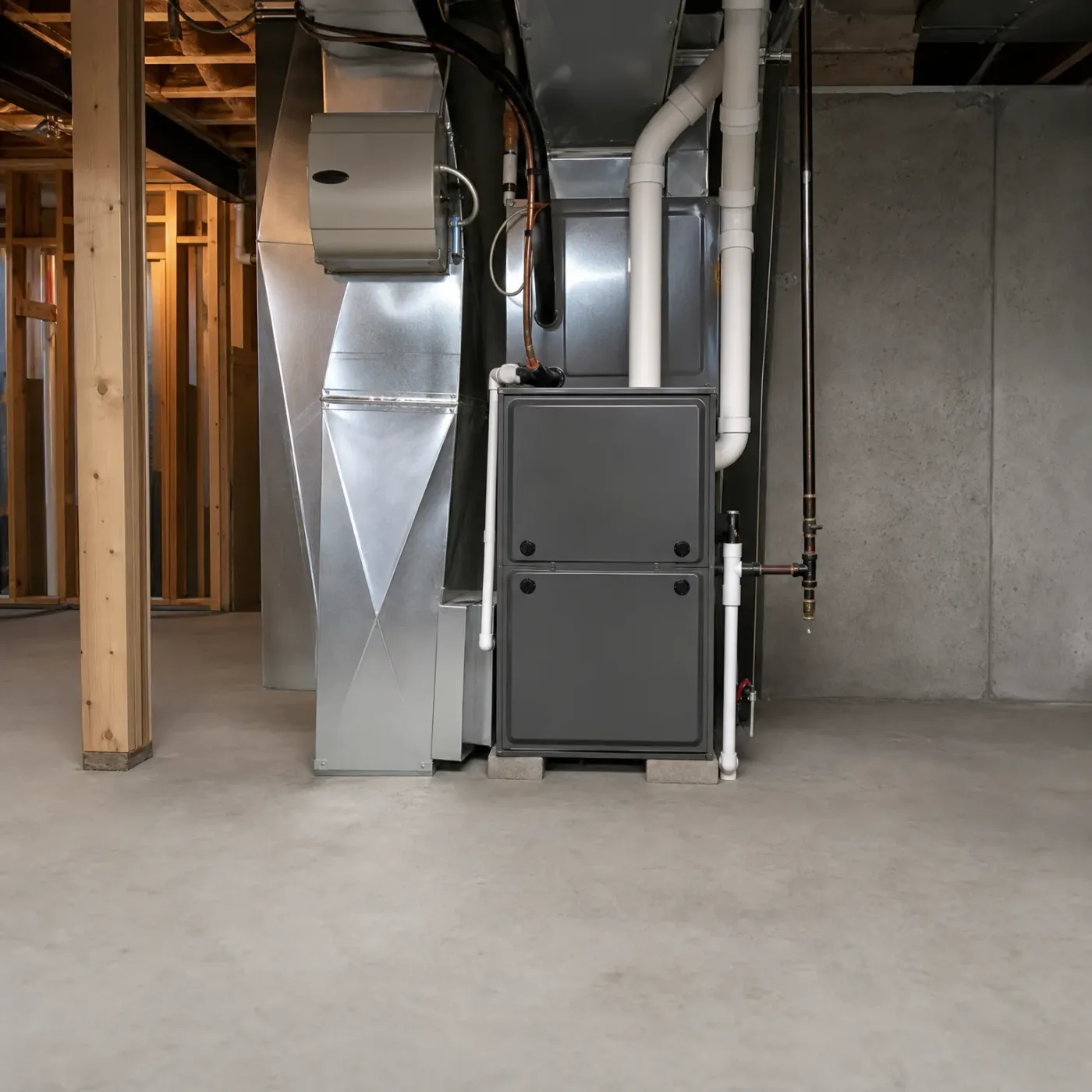
The blower pulls air through the filter before any of it reaches the burners, so everything the filter catches ends up packed onto the side facing the blower. That's why a filter can look fine from the door side and still be loaded solid underneath. As it fills in, the blower doesn't just give up and stop, it pushes harder to move the same volume of air through a tighter opening. That extra effort shows up two ways. One is the electric bill, since a straining blower motor pulls more power than one moving air freely. The other is wear on the motor itself and the squirrel cage fan that spins inside it, because the static pressure built up behind a clogged filter is steady strain on parts that were sized to move air, not fight against it. A thicker filter rated MERV 8 or higher catches more of that fine dust before it gets that far, but it clogs the same way a thin one does, just on a different timeline. None of this trips a safety switch or shuts the furnace down. It just runs longer each cycle, quietly, until something in the blower gives out.
What the filter is actually doing
- Air moves through a furnace filter from the return side, so dust gets pulled onto the face that's facing the blower, not the furnace door side.
- A dirty filter doesn't stop air, it forces the blower to work harder to pull the same amount through, and that's what drives up the electric use.
- The igniter and burners don't care about the filter, but the blower motor and the squirrel cage fan inside it do, since dust past the filter settles there.
- A filter rated MERV 8 or higher catches finer dust than the thin fiberglass ones, but it also restricts airflow more once it starts loading up.
- Static pressure inside the duct climbs as the filter clogs, and that pressure is what shortens the life of the blower motor over the years.
- The furnace doesn't shut off from a dirty filter, it just runs longer each cycle trying to push enough air past the clog to satisfy the thermostat.


Winter nights average 16°F statewide
16°F is the average overnight low here in December, January and February. Once nights sit that cold, your furnace is running most of the night just to hold the house steady, pulling air through that filter the whole time. A dirty one in that stretch makes the furnace work harder on the coldest nights of the year.
NOAA nClimDiv 1991-2020 county normals weighted by homes
Check your filter monthly through the dry months, swap it every one to three months depending on what you find, and you'll go into the cold nights knowing your furnace isn't straining against something you could have pulled out and replaced. That's the whole answer. If you'd rather have someone else take a look and handle whatever else the furnace needs before winter settles in, a local contractor who works on furnaces all season, in this same dry climate, knows which parts tend to wear first and what a clogged filter has already done to the rest of the system by the time someone notices. You'd be matched with one contractor, not a handful calling at once, someone who's local and licensed to do the work. You've got what you need to check the filter yourself tonight. Whether you handle it from here or want a second set of eyes on the whole furnace before the cold really sets in, you're not stuck guessing anymore.
Stop chasing a furnace pro
Your request goes to one pro, not a list of companies.