




How long a furnace lasts in Colorado

Send the form and the search for an installer is over.

Let a pro reach out

How long does a furnace last in Colorado?

Your furnace has been running for years and you are wondering if it is on borrowed time, or maybe it just failed and you are trying to figure out if a repair makes sense or if it is time to replace it. In Colorado, a furnace works hard for months at a stretch, and that use adds up.

15 to 20 years, if it's been maintained

A gas furnace in Colorado typically lasts 15 to 20 years. The heat exchanger, the burners and the blower motor wear down from the number of heating cycles they run, not from the calendar, and a furnace here runs through a long, cold winter every year. Elevation plays a part too. At higher altitudes the air is thinner, so a furnace works harder to produce the same heat, and that extra strain can shorten its life if the unit wasn't set up for it. Past 15 years, a furnace is more likely to need repairs, and a cracked heat exchanger or a furnace that short cycles are signs it's nearing the end rather than needing a minor fix.

A woman in a knitted shawl sits in a living room with a fireplace, shelves, a sofa with cushions, and a lamp by a bright window, looking off to the side.
A woman with long brown wavy hair in a green shirt over a white top stands in a living room with built-in white shelves, a ceiling fan, a potted plant and a sliding glass door.
A woman with shoulder-length gray-streaked hair in a light gray knit sweater stands smiling and looking off to the side in a living room with a sofa, houseplant, framed picture, and sunlit sliding glass door.
A woman with shoulder-length curly gray hair wearing a gray knit sweater stands near a window with a sheer curtain, looking to the side, with a blurred interior room behind her.
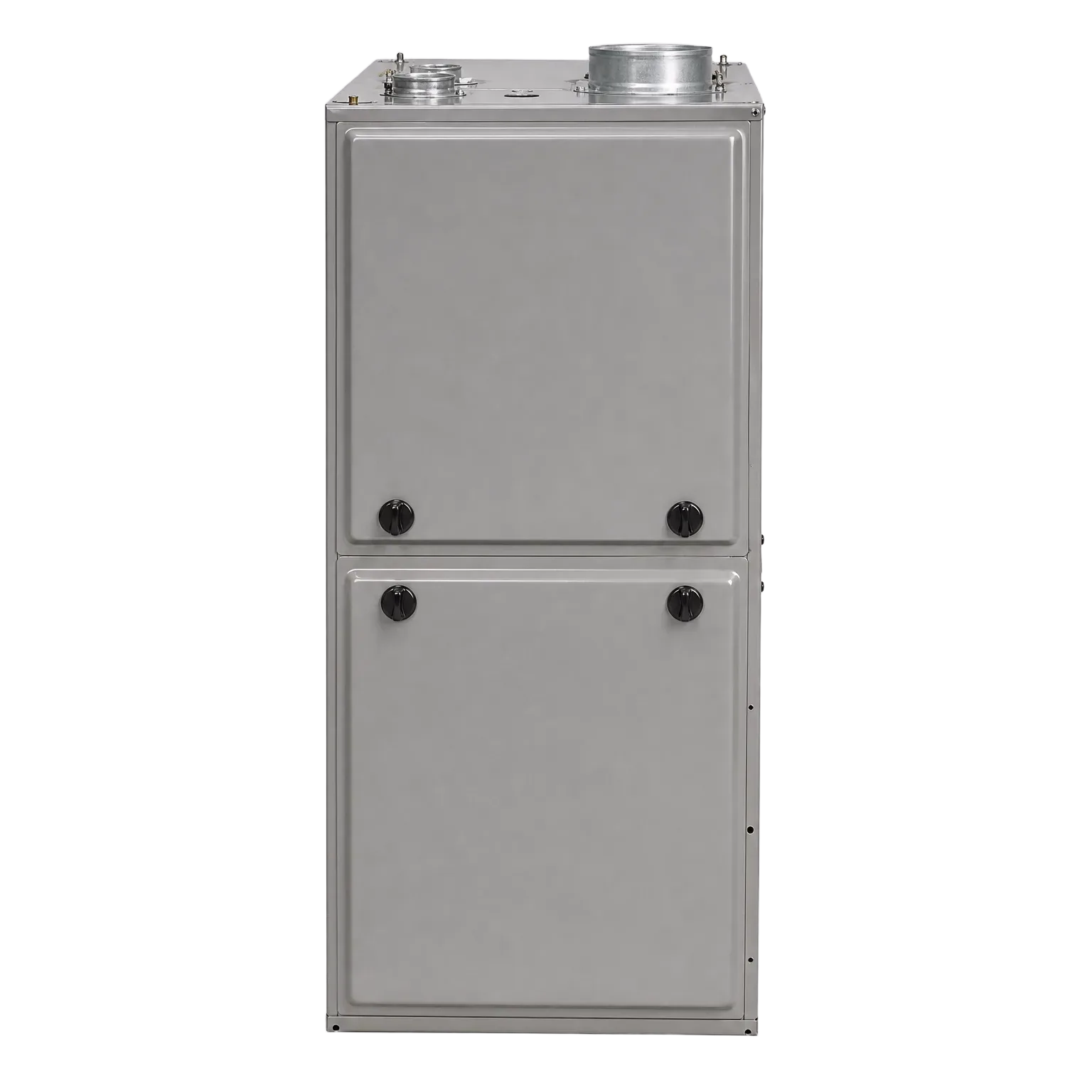
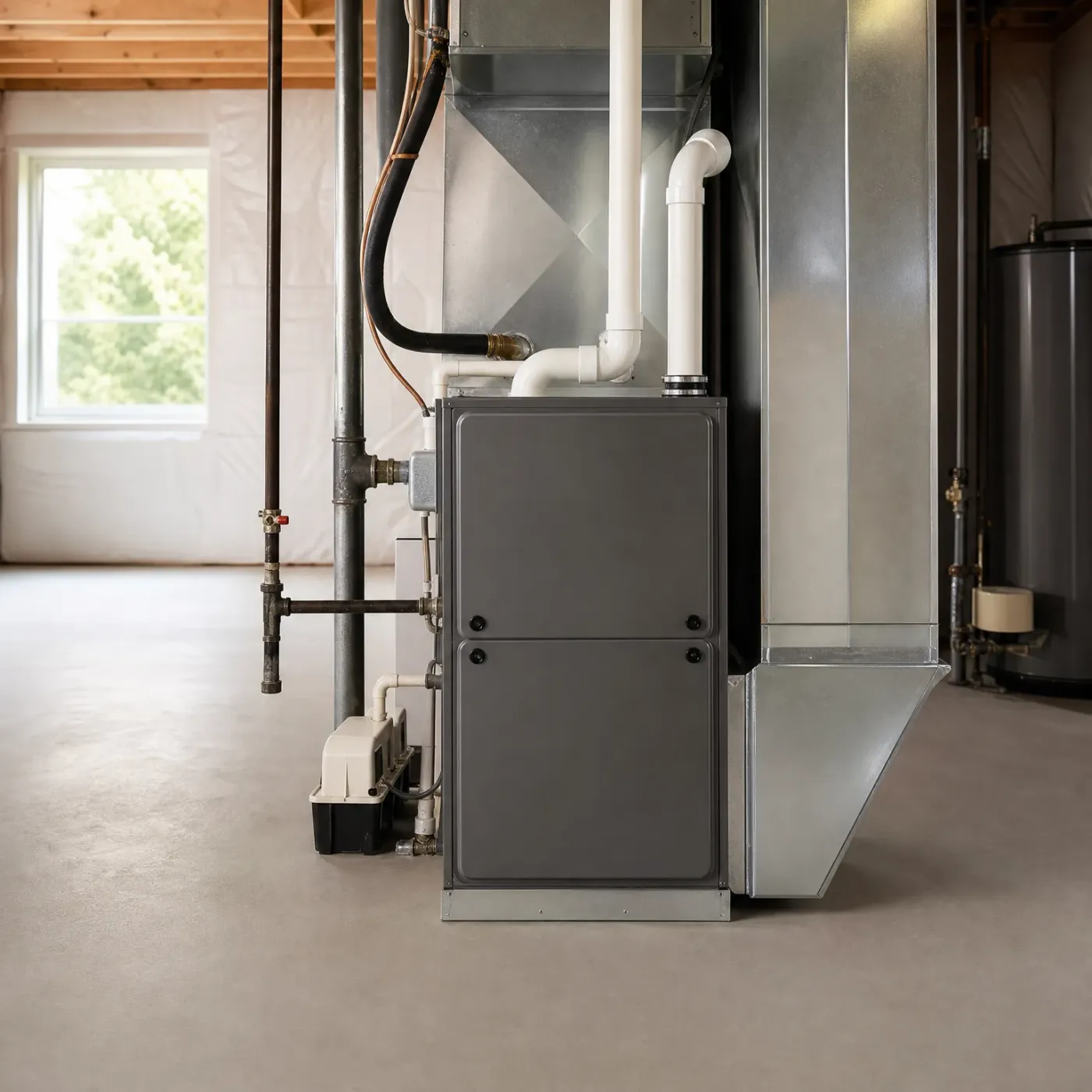
A gray high-efficiency furnace in a basement with sheet-metal ductwork, white PVC vent pipes, metal plumbing lines, a condensate pump on the floor, and a window showing green trees outside.
Fifteen years in and still firing on the first try, heating evenly through a Colorado winter with no strain.
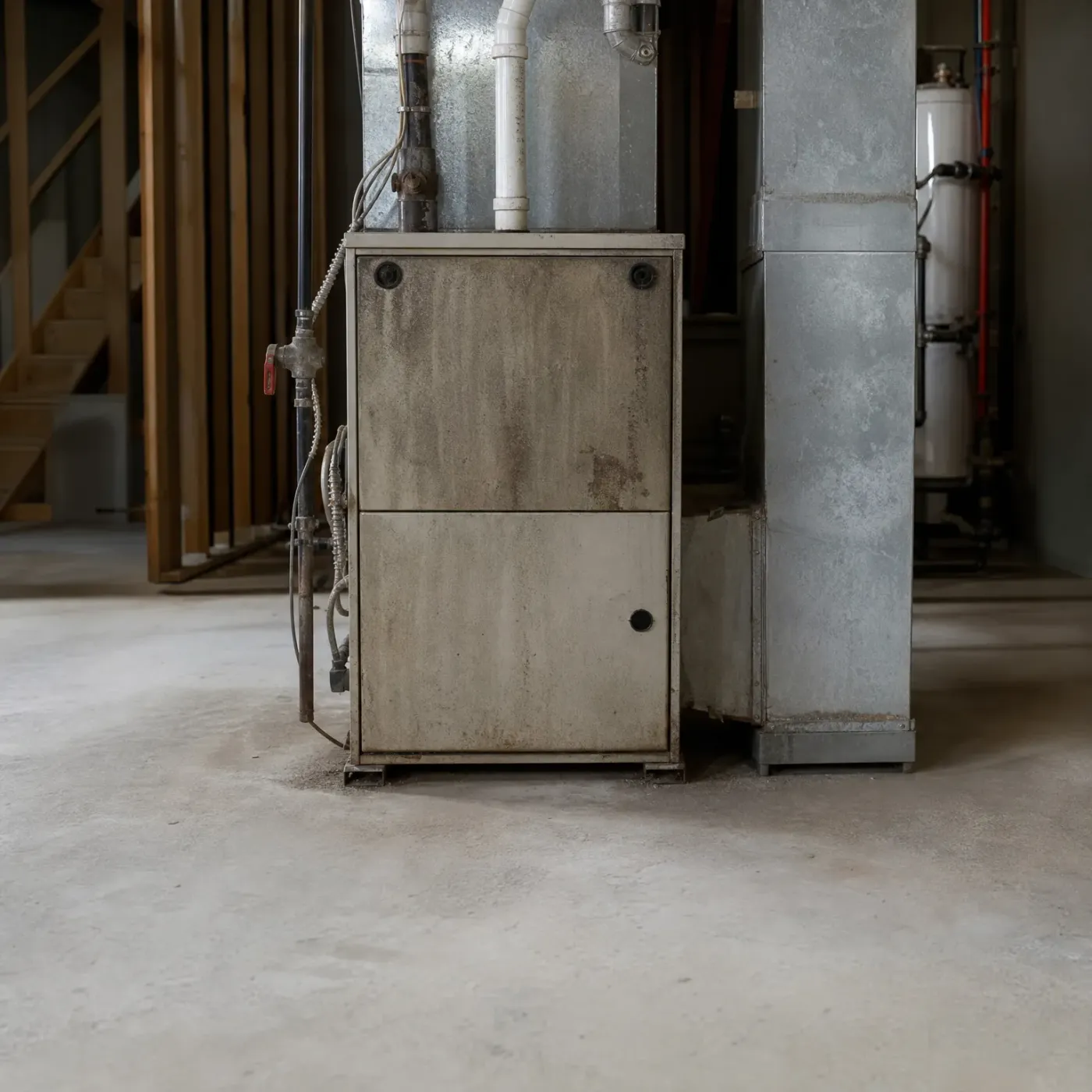
An older metal furnace with PVC and metal pipes stands on a concrete basement floor beside galvanized ductwork, with wooden stairs and a water tank in the background.
Past 18 to 20 years, rust on the cabinet and a scorched smell at startup mean the heat exchanger is on its way out.

A furnace starting up follows a set order. The igniter glows or sparks, the inducer motor clears the vent, and only then does the flame sensor let the gas valve stay open. When a furnace won't start, a technician is usually checking that sequence for the weak link. Most of what goes wrong along the way can be fixed. Igniters, sensors, inducer motors, all replaceable parts with years of life left in the rest of the furnace around them. The heat exchanger is different. It's the metal that separates the flame from the air moving through your ducts, and years of heating up and cooling back down eventually crack it from the inside. Once it cracks, combustion gases have a path into the air your blower is pushing through the house, and no technician patches that. At altitude, a furnace already burns gas less efficiently than one would at sea level, which means more cycles to produce the same heat. Past 15 years, that wear adds up, and a repair call is more likely to end with a finger pointed at the heat exchanger.

How a Furnace Actually Fails

  • A gas furnace lights through an igniter that glows hot or sparks, then a flame sensor confirms the burners actually caught before the gas valve stays open.
  • The heat exchanger is the part that fails first, since years of heating and cooling cycles crack the metal from the inside out.
  • A cracked heat exchanger can let combustion gases mix into the air your blower pushes through the house, which is why a cracked one means replacement, not repair.
  • Dry Colorado air strains the hot surface igniter less than humid climates do, but altitude still means a furnace here burns gas less efficiently than one at sea level.
  • The inducer motor pulls exhaust out through the vent before the burners fire, and a failing one often shows up as a furnace that tries to start but won't.
  • Every added year past 15 raises the odds that the next repair call ends with a technician pointing at the heat exchanger instead of a part that's worth fixing.
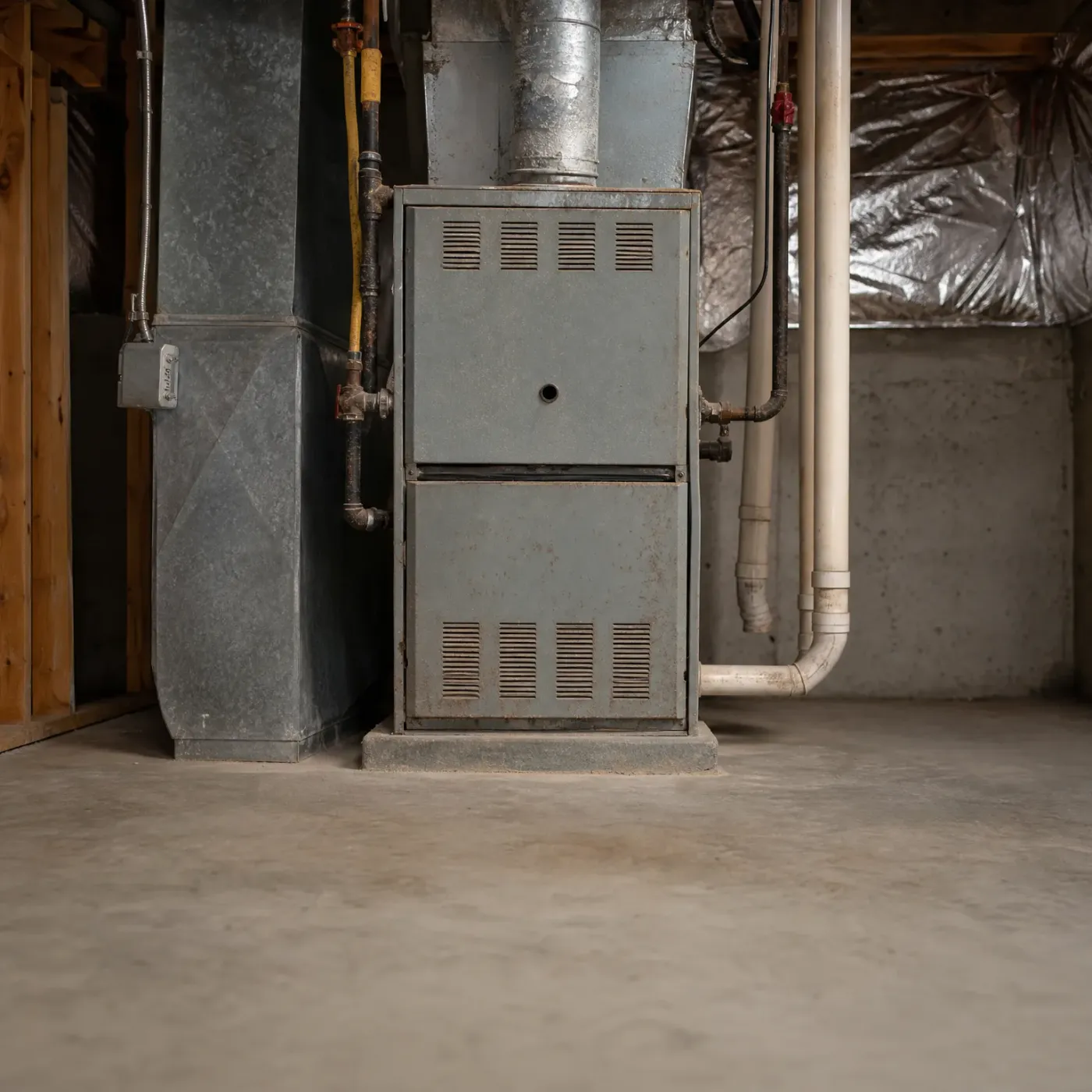
A gray metal furnace with louvered vent panels stands on a concrete basement floor beside galvanized ductwork, gas and plastic pipes, and foil-faced insulation along the ceiling and wall.
Before you get your furnace installation
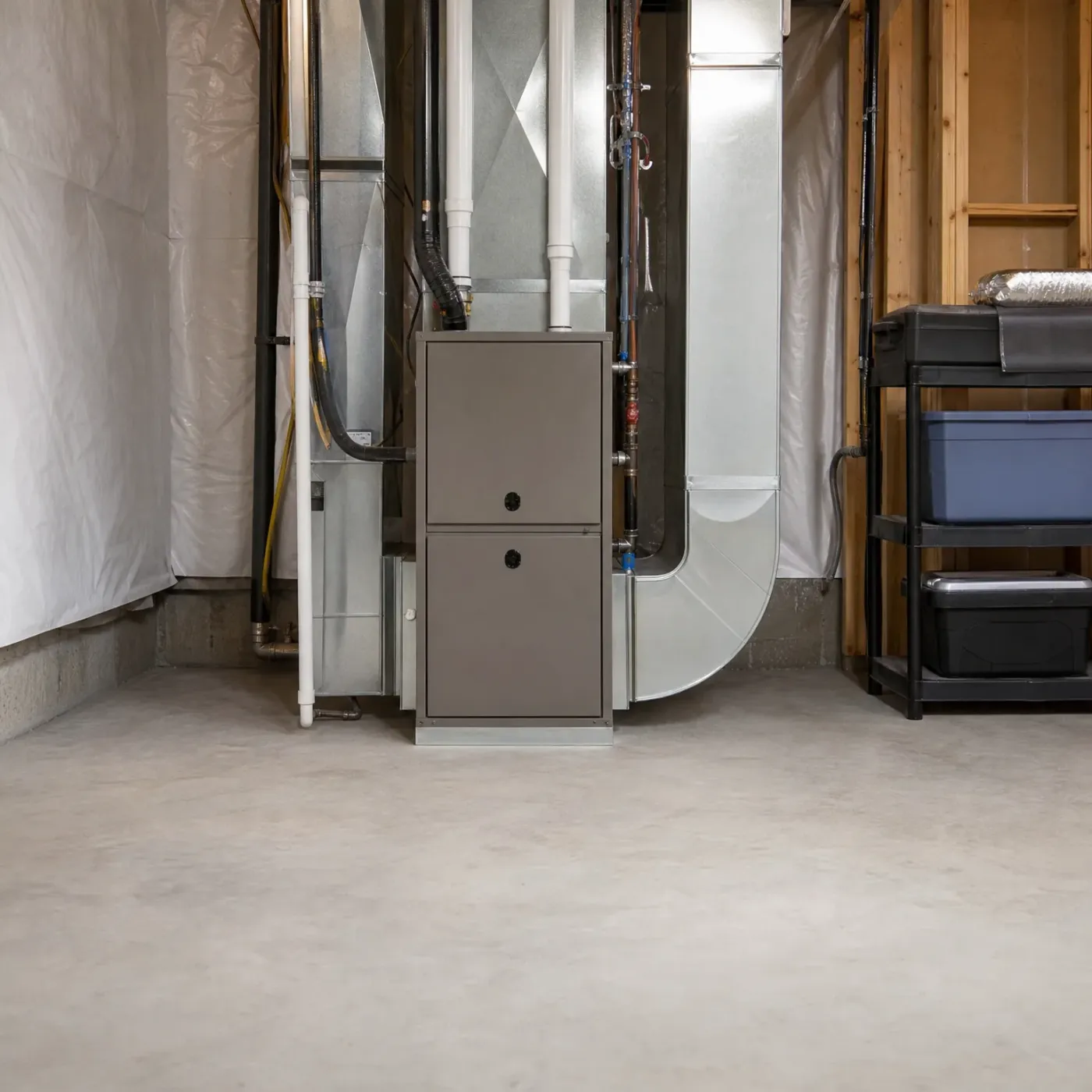
A basement utility area with a gray furnace, sheet-metal ductwork, pipes, plastic-covered walls, a concrete floor, and a black shelving unit holding storage bins.
After you get your furnace installation

Why dry heat wears a furnace longer

A furnace runs on demand, not on humidity, so the dry air outside doesn't add strain the way a muggy summer does to an air conditioner. What shortens a furnace's life here is the number of cycles it runs through a long, cold winter and how clean the burners and heat exchanger stay over that time. A furnace that gets a filter change on schedule and a yearly look at the burners tends to reach the far end of its range. One that runs dirty or clogged pushes the heat exchanger harder every time it fires, and that's the part that ends up cracked years before it should.

What the gas valve tells you

The gas valve opens only after the flame sensor confirms ignition, and it closes the moment that signal drops. A furnace nearing the end of its life often shows this as short cycling, where the burners fire, shut off within a minute or two, then try again. That pattern usually means the flame sensor is dirty or the heat exchanger has already cracked and is tripping a safety switch. Either way, it's worth having someone look at it before the next cold stretch, since a furnace that short cycles all winter is working harder to keep your home at the same temperature it used to hold with less effort.

Winter nights average 16°F statewide

A 16°F night means your furnace isn't cycling on and off a few times, it's holding a steady burn for hours to keep the house livable. That long, steady run is easier on the heat exchanger than constant starts and stops, which is part of why furnaces here often outlast the clock you'd expect.

NOAA nClimDiv 1991-2020 county normals weighted by homes

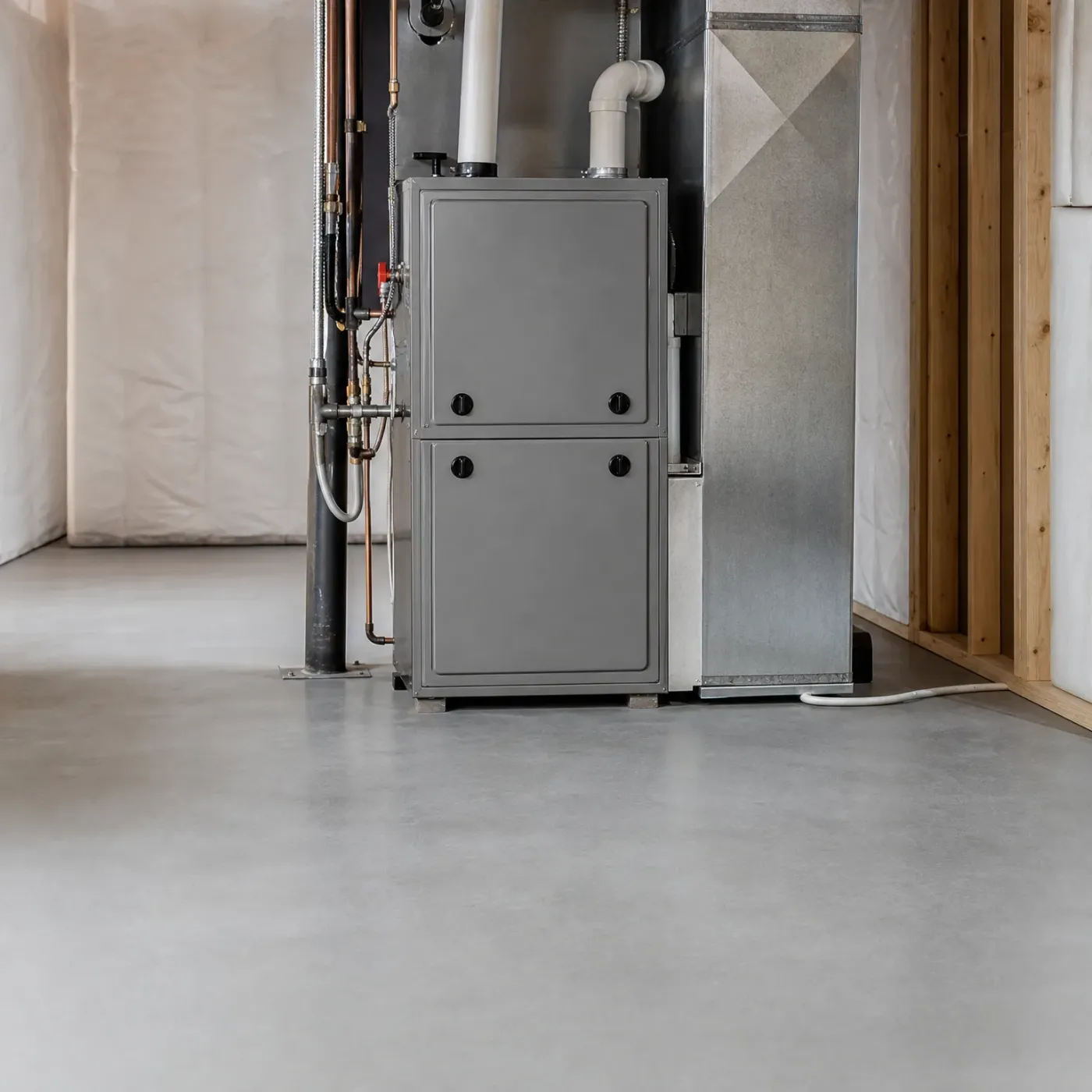
A gray furnace with white PVC vent pipes stands beside sheet-metal ductwork in a basement with a smooth concrete floor, exposed wood framing, and plastic sheeting on the walls.

Running the way it should

This furnace sits clean on the floor, ductwork tight above it, gas lines running straight along the wall. No rust on the cabinet, no soot near the burners. A furnace in this shape is keeping the house warm without working harder than it has to.
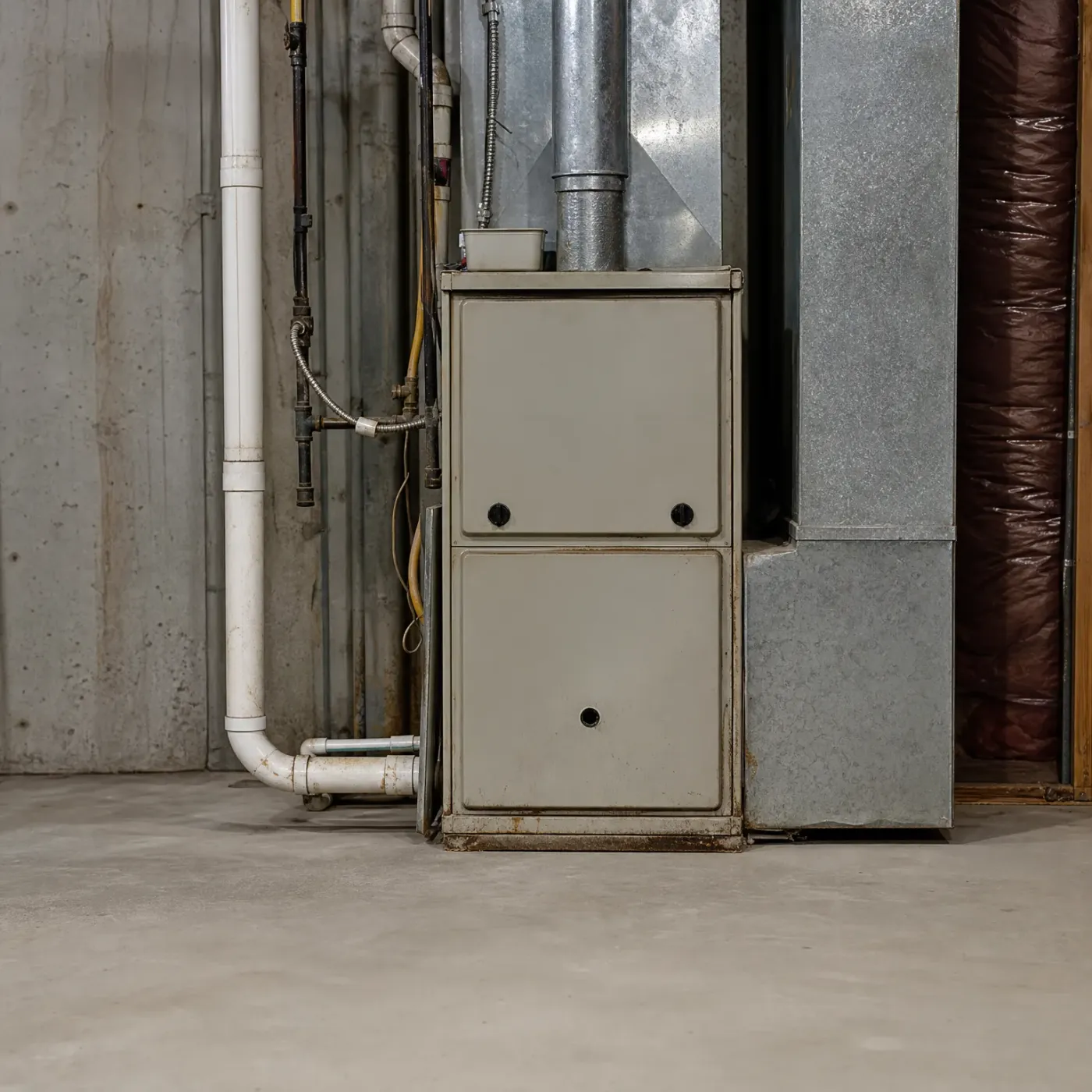

A beige furnace with two access panels stands against a concrete basement wall, with galvanized sheet-metal ductwork, a white PVC pipe, flexible conduit and insulated ducting around it.

Showing its age

Rust has spread across the cabinet here, and that flue pipe has carried a lot of exhaust over the years. Once a furnace looks like this, the heat exchanger underneath has usually taken the same wear. That's the point where a repair stops making sense and replacing it does.

A woman and a child wrapped together in a knitted gray blanket on a couch, with the child's head resting on her shoulder and a lit table lamp and houseplant in the background.
An older woman with gray hair in a bun and glasses, wearing a beige knit sweater, smiles while looking to the side in a warmly lit kitchen, with a loaf of bread on the counter in the foreground and a snowy scene outside the window.

Finding a pro stops being your job

One installer gets your project, so there's no bidding war over it.

No charge to send it. You decide if you hire them.

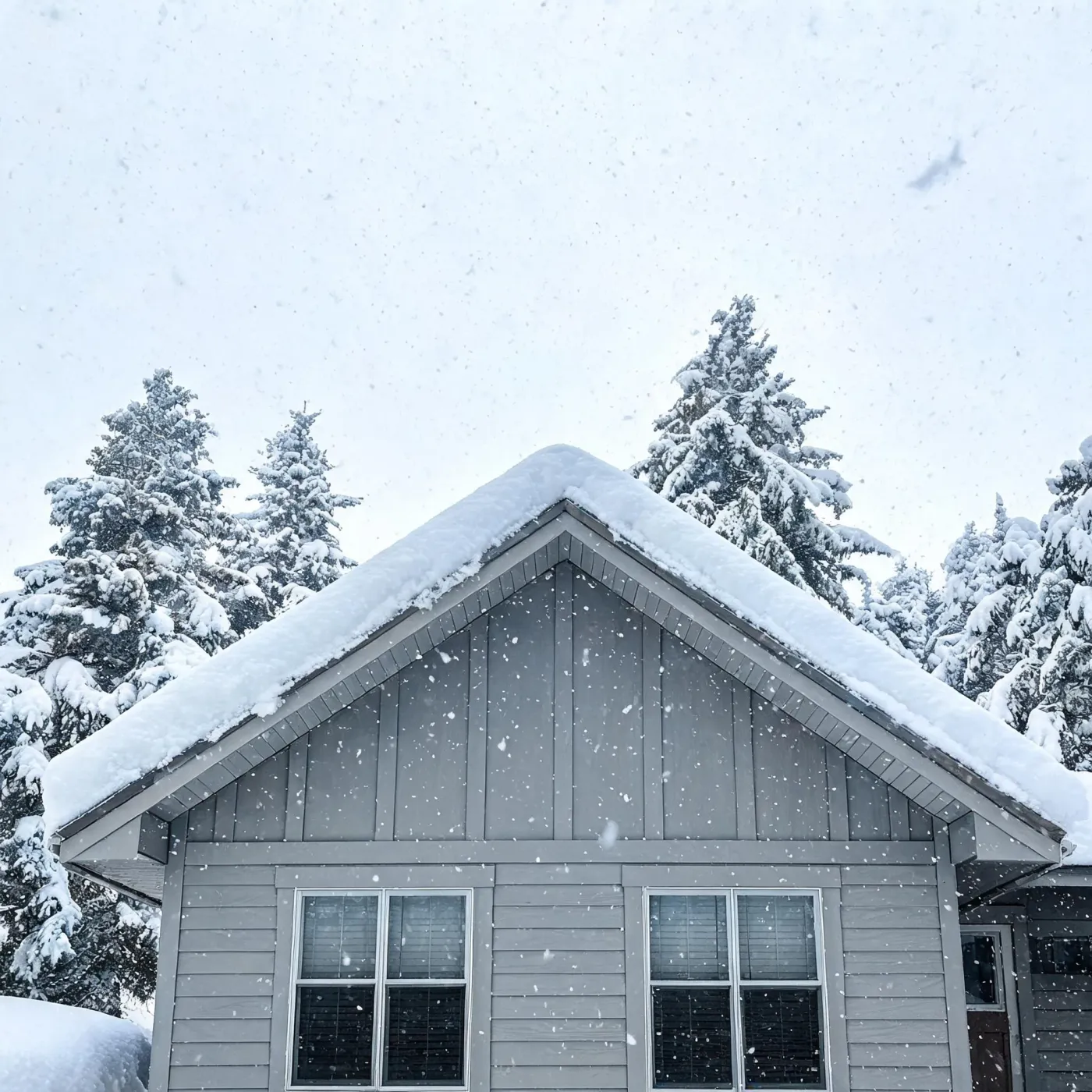
A gray-sided house with a steep gable roof covered in thick snow, framed by snow-laden conifers under a pale sky with falling snowflakes.

Statewide, winter nights average 16°F, and that's the number your furnace is built around. At that temperature it isn't short-cycling, it's holding a long, steady burn to keep the house at temperature through the night. You'll notice it running for hours at a stretch rather than kicking on and off, especially once the sun goes down. That steady demand is normal here and it's part of why furnaces in Colorado tend to hold up well, since a long burn puts less stress on the heat exchanger than a furnace that's constantly starting and stopping. Source: NOAA.

NOAA nClimDiv 1991-2020 county normals weighted by homes

What are you noticing about your furnace right now

Maybe it's taking longer to kick on than it used to, or you hear a bang or rattle in the ductwork when it starts. Maybe one room stays cold no matter how high you set the thermostat, or you've caught a burning smell in the first few minutes of a cycle. You might have noticed your gas bill climbing without a reason, or soot around the burners when you pull the cover off. Any one of these on its own might not mean much. Together, especially in a furnace that's been in the house a long time, they point to a heat exchanger or gas valve that's wearing out, and a furnace that fails outright on a cold night leaves the house without heat until it's fixed.

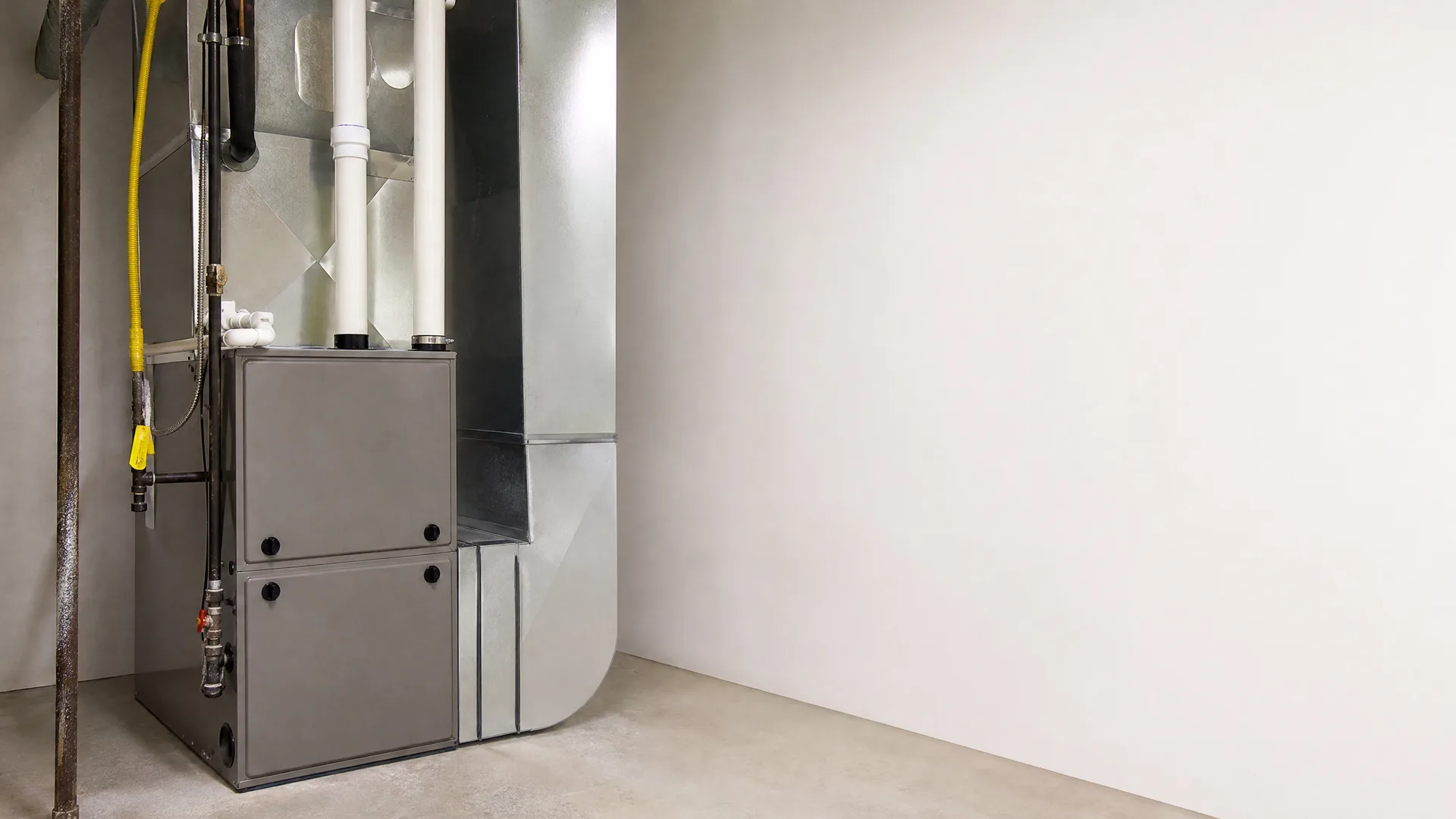
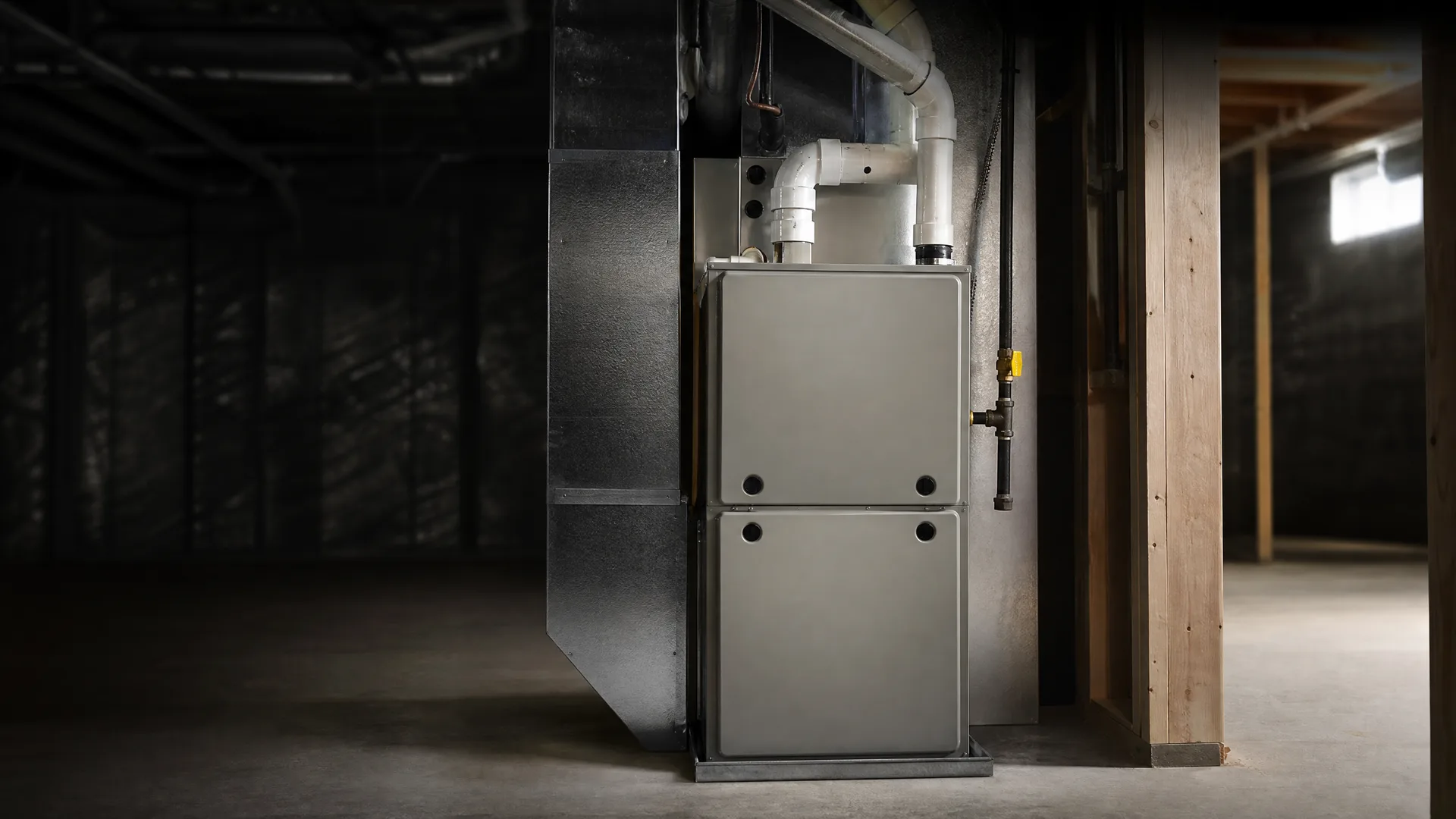
A gas furnace with two gray access panels stands against a plain wall in a basement, connected to sheet-metal ductwork, white PVC vent pipes, and a yellow gas line.

Keep repairing an old furnace

A furnace past 18 years can usually be patched again, a new igniter here, a new flame sensor there, and each repair is cheaper than a new system up front. But parts get harder to find for an older unit, and a cracked heat exchanger isn't something you patch. You're also betting the next failure doesn't happen on the coldest night of the year, when a Colorado home needs heat most.

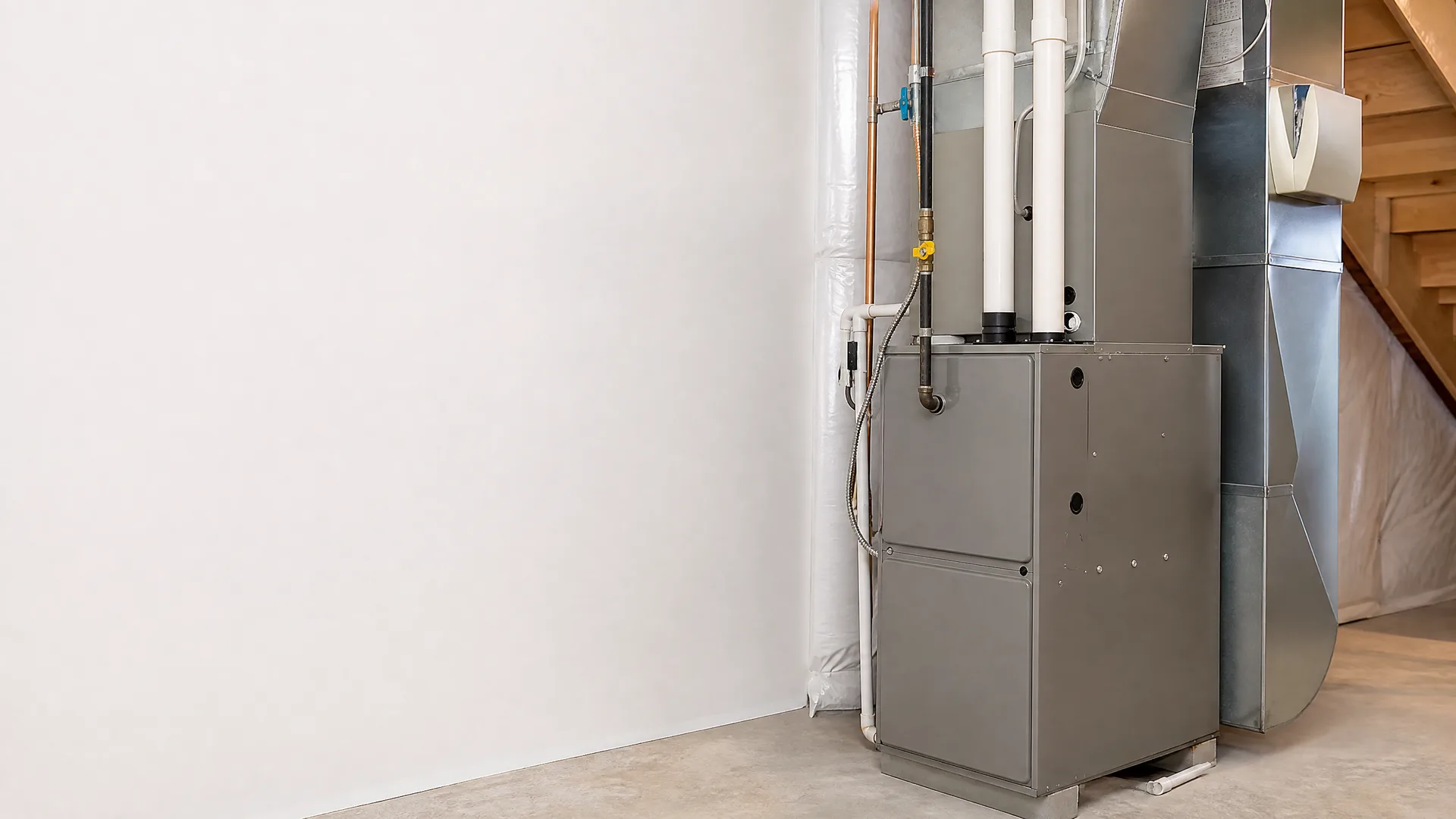
A gray high-efficiency furnace in a basement corner with white PVC vent pipes, copper and black gas piping, and sheet-metal ductwork beside a plain white wall and wooden stair framing.

Replace it before it fails

A new furnace installed on your schedule means no gamble on a January breakdown and no more guessing whether the next repair bill is worth it. You pick the day, the house stays warm through it, and you get a unit sized and set up for your home instead of whatever keeps an old one limping along. It costs more now than one more repair would, but it's the last bill you'll see for years.

A furnace in Colorado runs 15 to 20 years, sometimes longer with good care, and the rust, the short cycling, the cold room that won't warm up are how it tells you it's near the end. You've got the signs in front of you now, and whether that points to one more repair or a new system, the next step is getting someone qualified to look at it. A local contractor who works on furnaces all winter in this state knows what a 16°F night does to a heat exchanger and what usually gives out first in a house like yours. You'll be matched with one licensed contractor, not a handful of companies competing for your number, so the call you get is from someone who actually knows your situation. From there it's off your plate. You just need to know where your furnace stands, and now you do.

A gray high-efficiency furnace with two access panels stands on a concrete basement floor, connected to sheet-metal ductwork and white PVC vent pipes, with wood framing and a gas line nearby.

Let someone else find the pro

Step 1 of 3: Equipment