Profile view of a bearded man wearing a dark baseball cap and a dark gray T-shirt against a plain off-white background.

Furnace pilot light keeps going out in Colorado

Step 1 of 3: Equipment

Why does my furnace pilot light keep going out?

A pilot light that won't stay lit means relighting it every few days, sometimes in the middle of a cold snap when the house is counting on the furnace. It's a small thing until it isn't, and most people want to know whether it's something minor or a sign the furnace needs a real look before it leaves everyone without heat.

Usually a dirty or failing thermocouple

The thermocouple is the small sensor that sits in the pilot flame and tells the gas valve the flame is lit. When it gets coated with soot or starts to wear out, it stops sensing the flame correctly and shuts the gas valve off, even though the pilot was burning fine a minute ago. A draft blowing across the pilot or a clogged pilot orifice can cause the same thing. Winters in Colorado put a furnace to work for months at a stretch, so a pilot that only goes out once in a while can quickly turn into one that won't hold a flame at all, usually on the coldest night when it matters most.

A woman with long blonde hair in a light blue shirt leans back on a beige sofa with her eyes closed, in a softly lit living room with cushions and a blurred plant and shelf in the background.
A woman with long dark hair in a gray knit sweater sits on a gray sofa with a cushion, looking toward a window in a living room with framed pictures and a lamp in the background.
A woman with long dark hair in a light grey knit sweater sits on a sofa indoors, looking to her right, with a framed landscape picture, a potted plant and a curtained window behind her.
A woman with long dark hair leans back against a gray sofa with her eyes closed, in a living room with a curtained window, a potted plant, and a dark screen in the background.

Why does this keep happening, night after night?

You strike the pilot, it catches, and you walk away thinking it's handled. Then a day or two later the furnace is cold again and someone in the house is asking why. Look at the pilot itself and you might notice the flame is thin or yellow instead of a steady blue, or it seems to lean away from where it should be burning straight up. You may also hear the furnace click and try to start before shutting down again. If this keeps going through a cold stretch, the house loses heat exactly when it's being asked to work the hardest, and relighting a pilot over and over isn't something you should have to keep doing through the winter.

  1. Gas and air mix at the pilot and the flame should burn steady

  2. Draft or a bent pilot tube pushes the flame off the thermocouple

  3. The thermocouple cools and reads the pilot as out

  4. The gas valve cuts power to the pilot in response

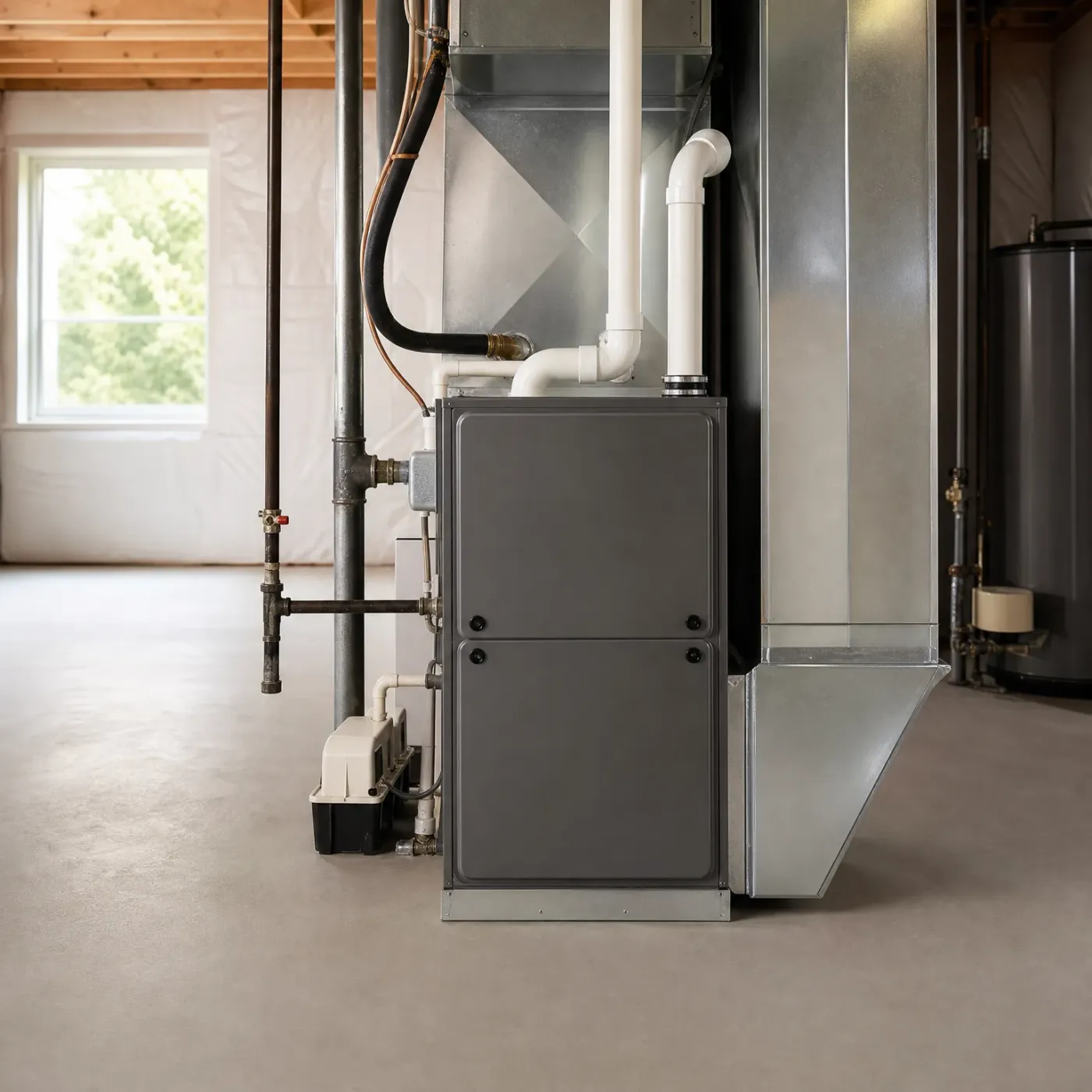
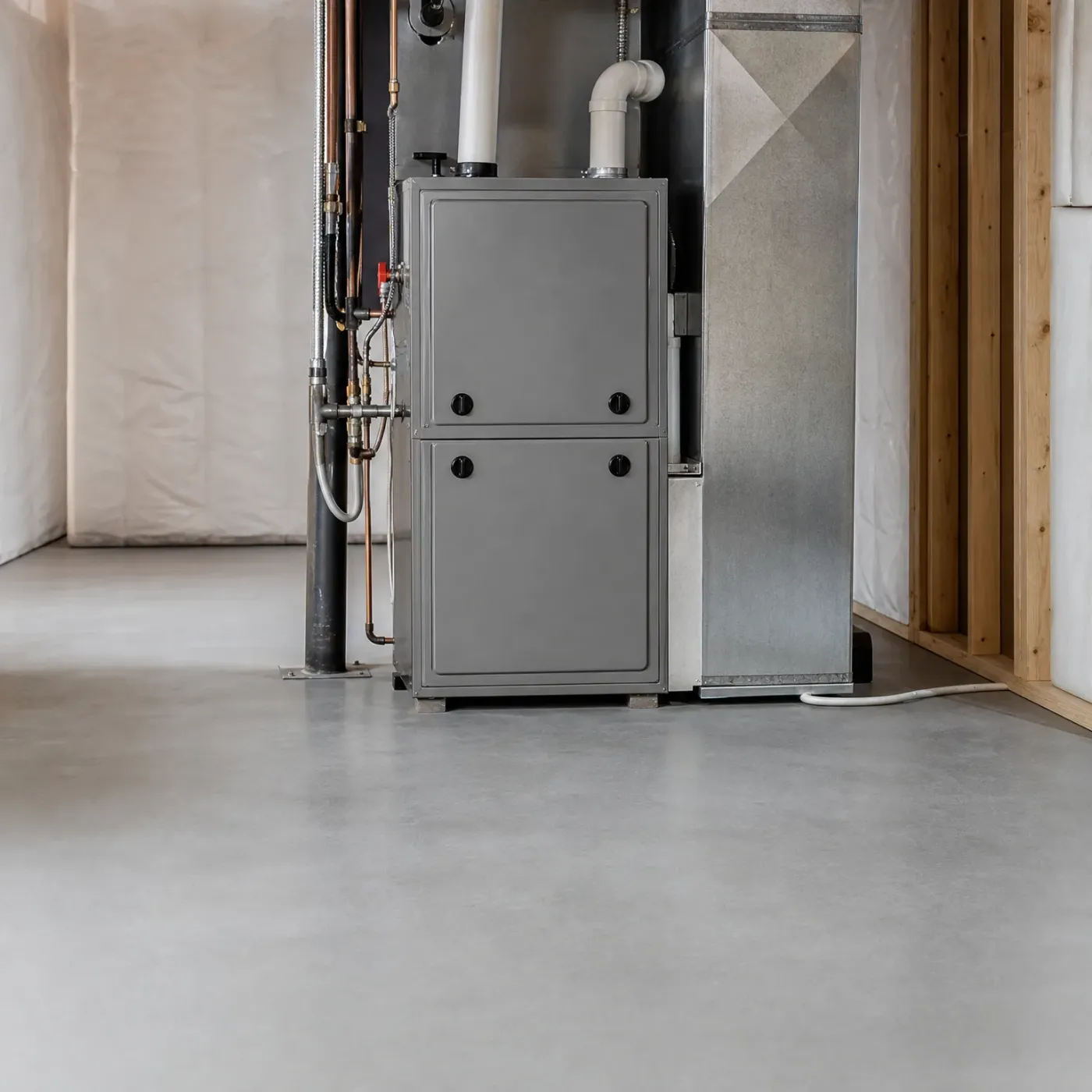
A gray high-efficiency furnace in a basement with sheet-metal ductwork, white PVC vent pipes, metal plumbing lines, a condensate pump on the floor, and a window showing green trees outside.
A pilot that lights, holds steady, and heats the house through a Colorado cold snap without you checking on it.
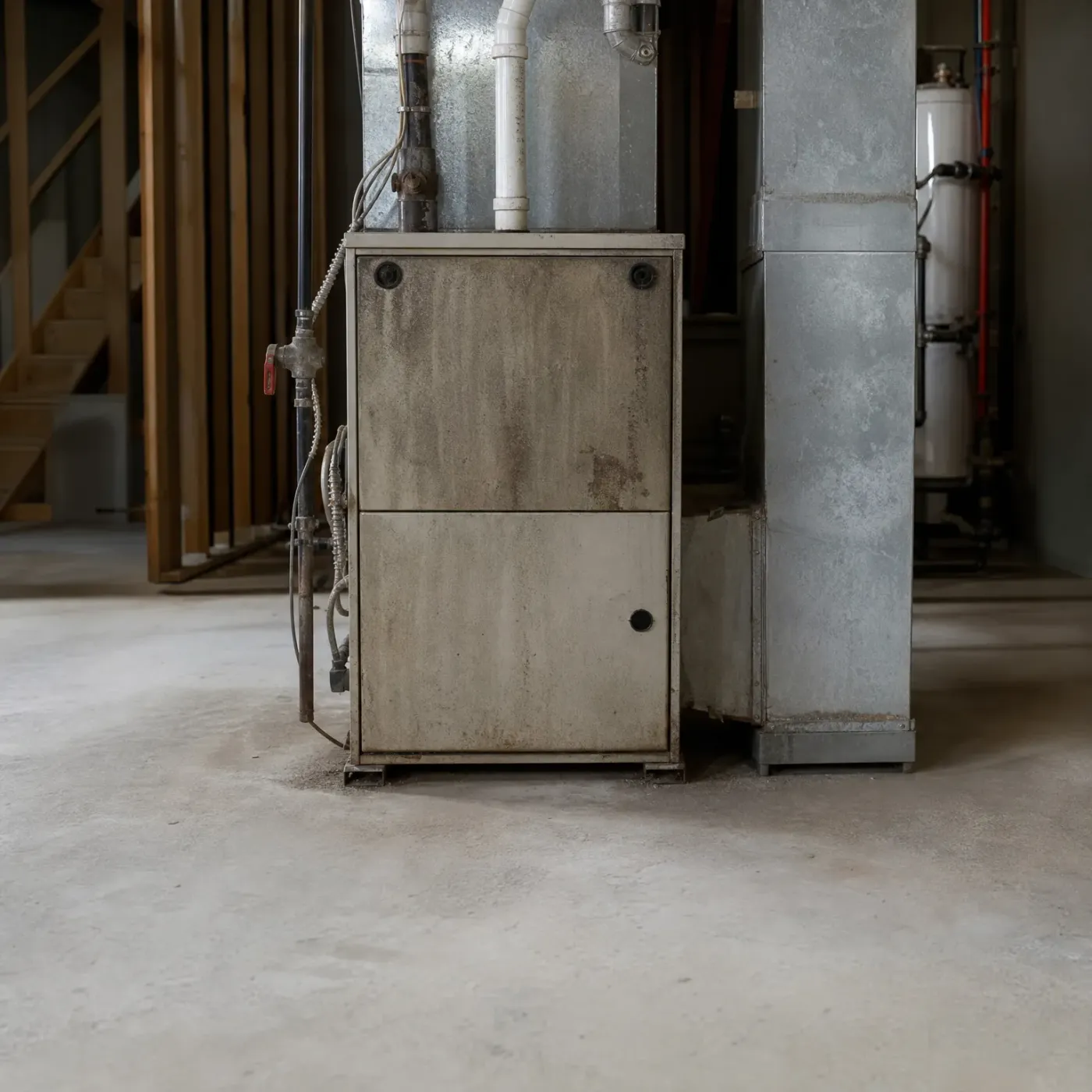
An older metal furnace with PVC and metal pipes stands on a concrete basement floor beside galvanized ductwork, with wooden stairs and a water tank in the background.
A pilot that keeps dropping out, with soot or a bent tube signaling a part that needs a closer look.

The thermocouple is the part doing the real work. It's a small rod sitting in the pilot flame, and the heat from that flame generates just enough voltage to tell the gas valve to stay open. No voltage, no gas. That's why a pilot can look fine to you and still get cut off: the flame might be burning an eighth of an inch to the left of where it needs to hit the rod, and the valve reads that as no flame at all. Soot or dust around the pilot assembly can push the flame off target the same way. The thermocouple itself wears out over years of heating cycles, and once it's weak, even a flame sitting right on the tip won't generate enough voltage to hold the valve open. Newer furnaces skip the standing pilot and use an igniter with a flame sensor instead, and a sensor rod coated in residue causes the same shutdown. Occasionally the gas valve itself is the problem, holding the circuit closed no matter what the thermocouple is doing.

What's Actually Shutting Off the Gas

  • A thermocouple works by generating a tiny voltage when the pilot flame heats its tip, and that voltage holds the gas valve open.
  • If the flame doesn't touch the thermocouple at the right spot, the voltage drops and the valve reads it as no flame.
  • A thermocouple weakens with age, and one that's worn out can't hold the valve open even with a strong, well-placed flame.
  • Dust and soot on the pilot assembly change how the flame burns and can push it away from the thermocouple's tip.
  • Some furnaces use a flame sensor and igniter instead of a standing pilot, and a dirty sensor rod causes the same kind of shutdown.
  • The gas valve itself can fail, holding the pilot circuit closed even when the thermocouple and flame are both working fine.
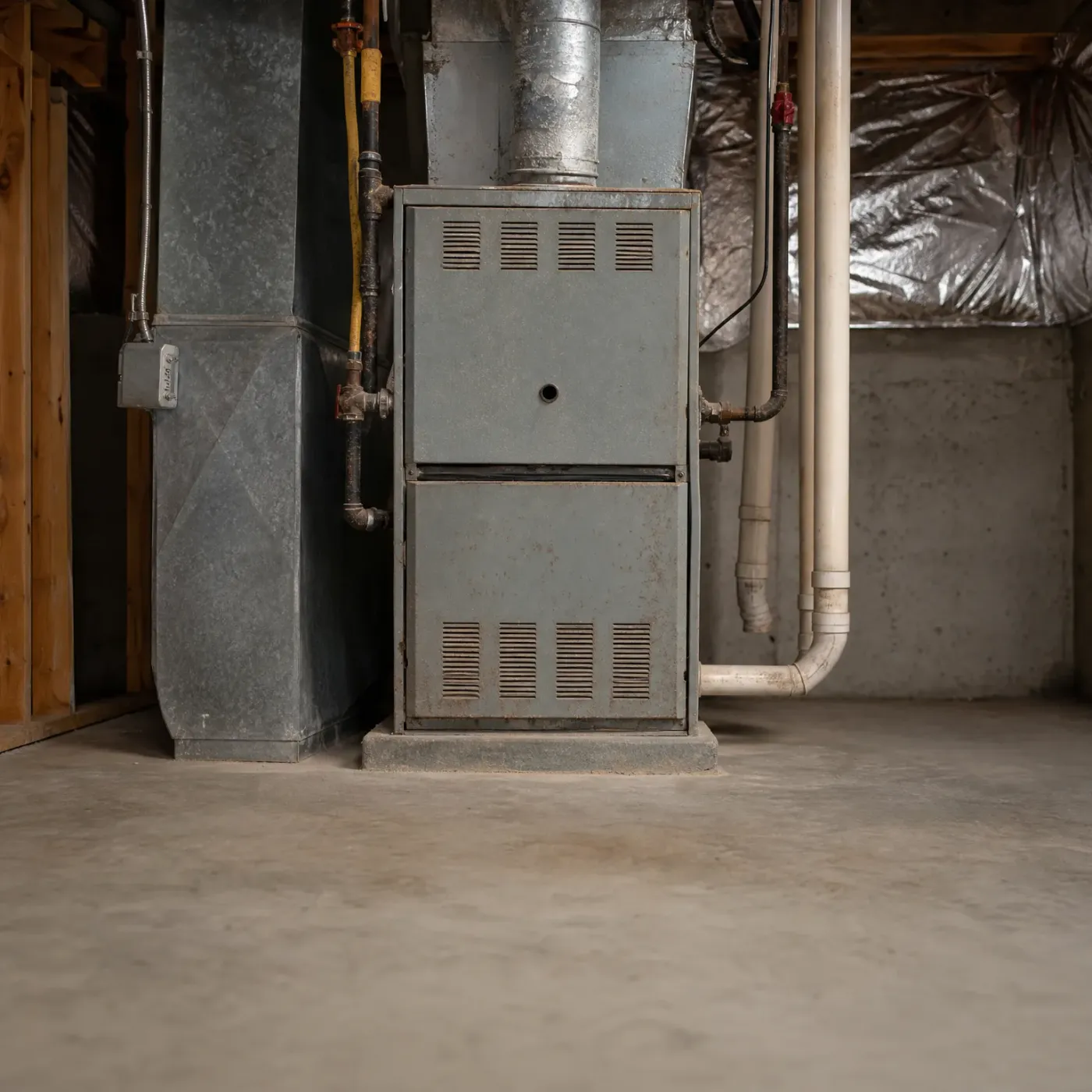
A gray metal furnace with louvered vent panels stands on a concrete basement floor beside galvanized ductwork, gas and plastic pipes, and foil-faced insulation along the ceiling and wall.
Before you get your furnace repair
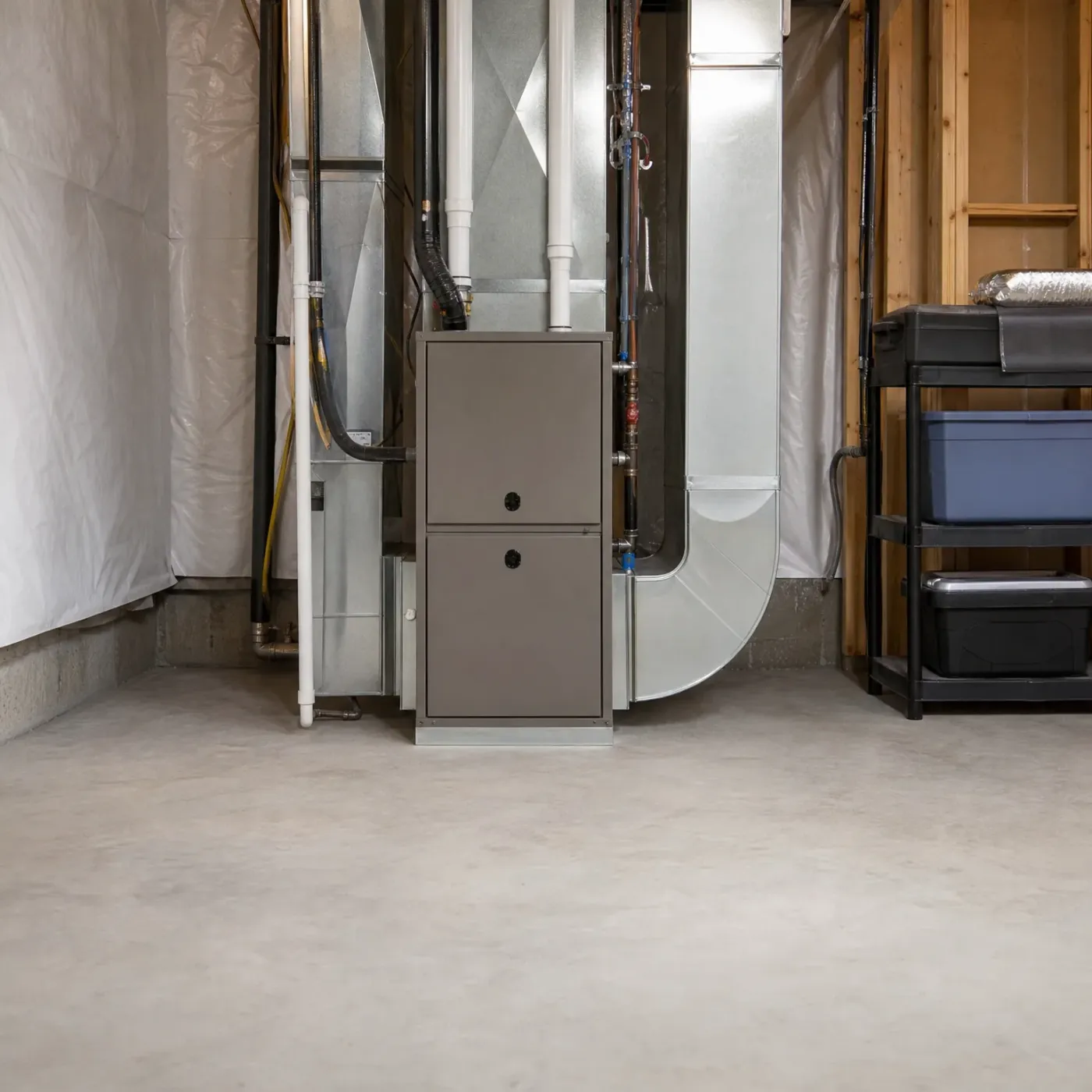
A basement utility area with a gray furnace, sheet-metal ductwork, pipes, plastic-covered walls, a concrete floor, and a black shelving unit holding storage bins.
After you get your furnace repair

Get your furnace to the right pro

Send the request today and stop worrying about who to call.

It costs nothing to send, and you don't have to hire anyone.

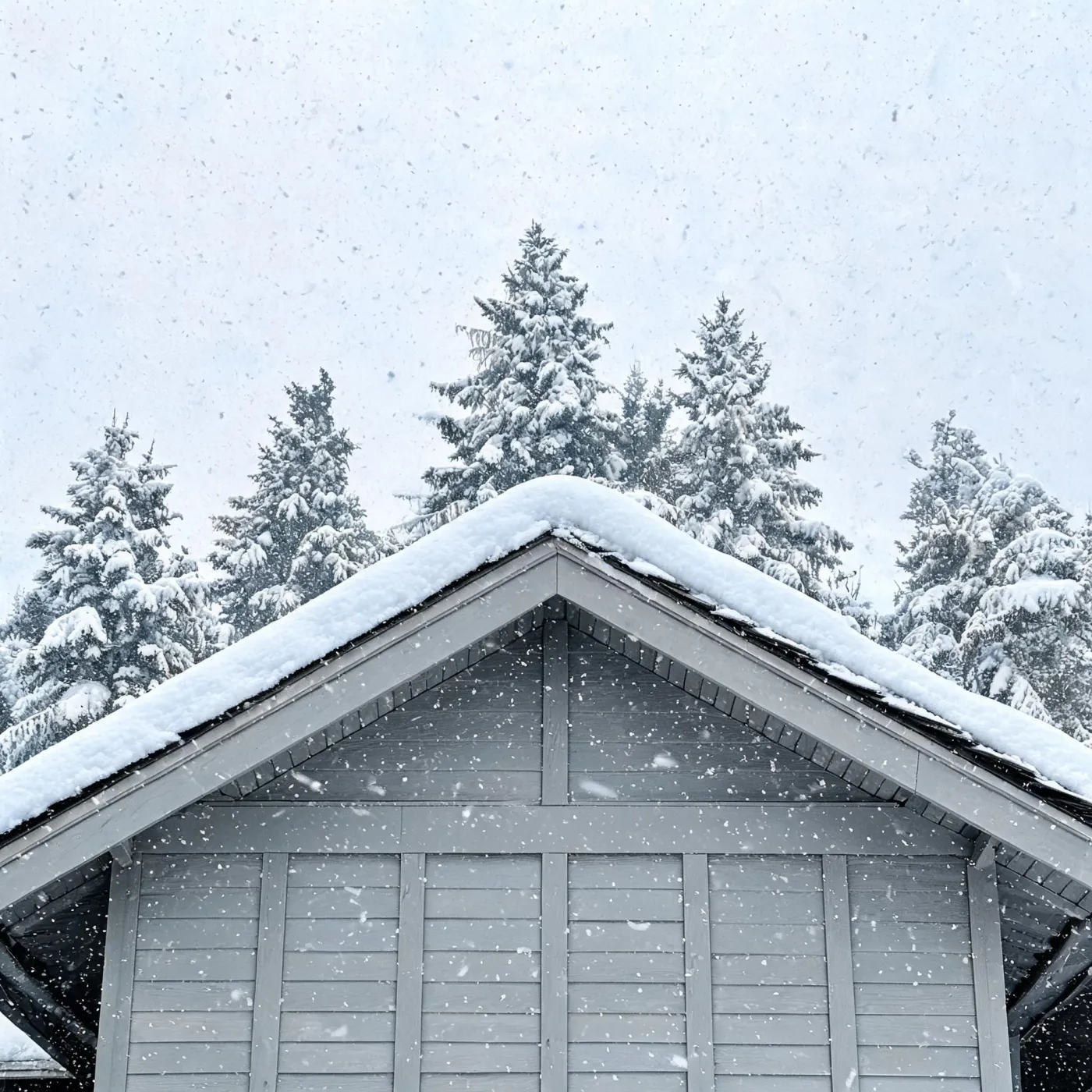
The snow-covered gable end of a gray wood-clad building, with snow-laden conifers and falling snow behind it under an overcast sky.

Statewide, winter nights average 16°F, and a furnace working against that kind of cold runs long stretches without a break. That steady draw on the pilot and thermocouple is exactly the kind of use that exposes a weak connection or a draft problem, so a pilot that's already struggling tends to drop out more on the coldest nights, not less. If yours has been going out every few days, the cold snaps are when you'll notice it most, usually overnight when the house depends on the furnace staying lit. Figure from NOAA climate normals.

NOAA nClimDiv 1991-2020 county normals weighted by homes

Relighting It vs. Fixing It

Keep relighting it

  • You're back at the furnace every few days with a lighter, checking the flame before you go to bed.
  • If soot or a draft is the cause, relighting it buys a few hours or a few days, not a fix.
  • A thermocouple that's slowly failing will keep tripping the gas valve no matter how many times you relight the pilot.
  • You risk a cold night where nobody catches it going out until the house has already dropped in temperature.
  • Each relight is a short-term patch on whatever is actually pushing the flame off the thermocouple.

Get it repaired

  • A contractor can check whether the thermocouple is reading the flame correctly or needs to be replaced.
  • Cleaning soot from the pilot assembly or straightening a bent pilot tube addresses the actual cause, not just the symptom.
  • Once the part causing the dropout is fixed, the pilot holds steady through the kind of long, cold nights Colorado winters bring.
  • You stop having to check the furnace yourself and start trusting it to run on its own.
  • A repair now means one less thing to worry about the next time the temperature drops hard.
A gray furnace with white PVC vent pipes stands beside sheet-metal ductwork in a basement with a smooth concrete floor, exposed wood framing, and plastic sheeting on the walls.

A pilot that's doing its job

The flame sits small and steady at the thermocouple, burning blue with no soot climbing the hood above it. Gas piping, venting and ductwork all tie into the furnace clean and tight, nothing loose or scorched. A furnace built like this holds its pilot through a Colorado winter without asking for attention.

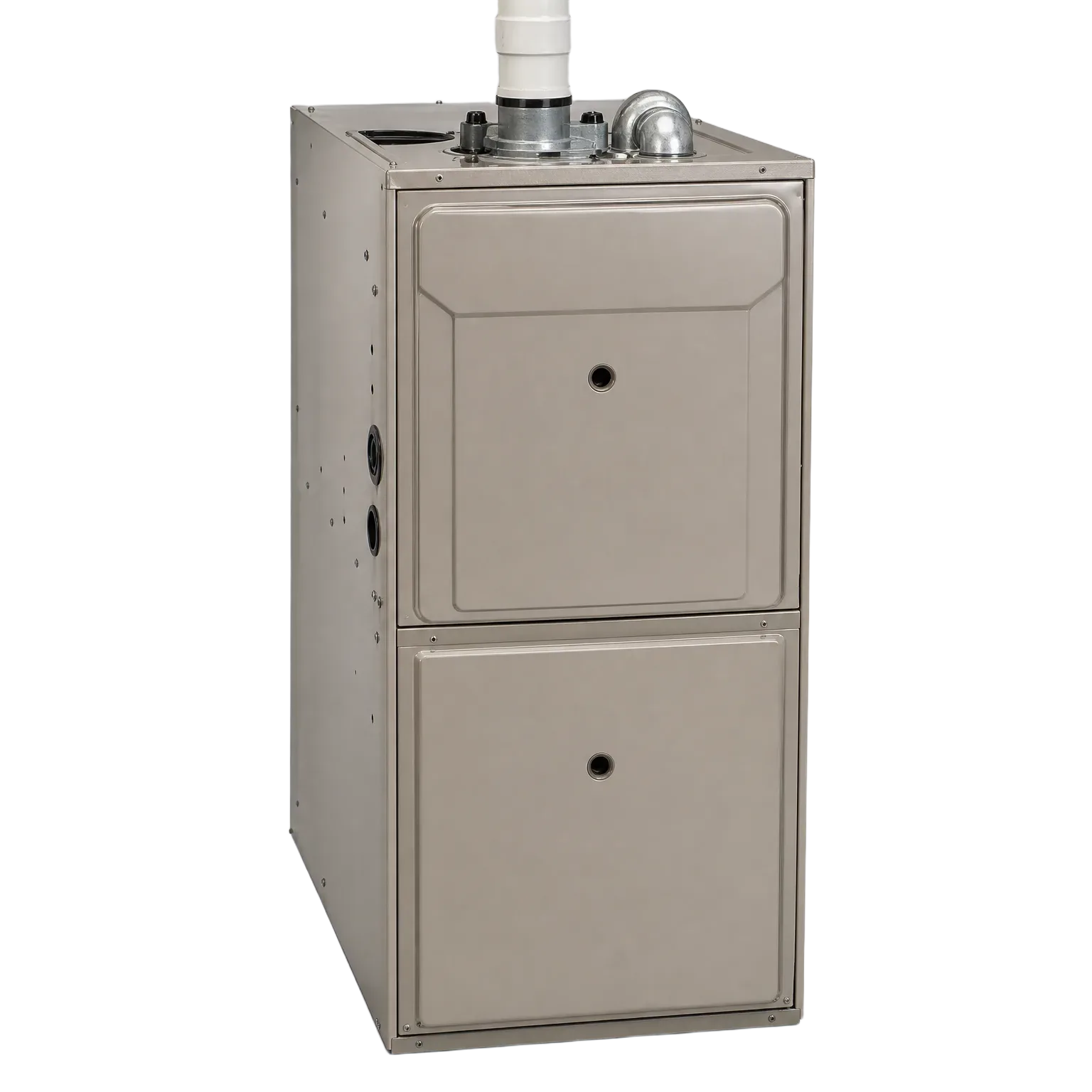
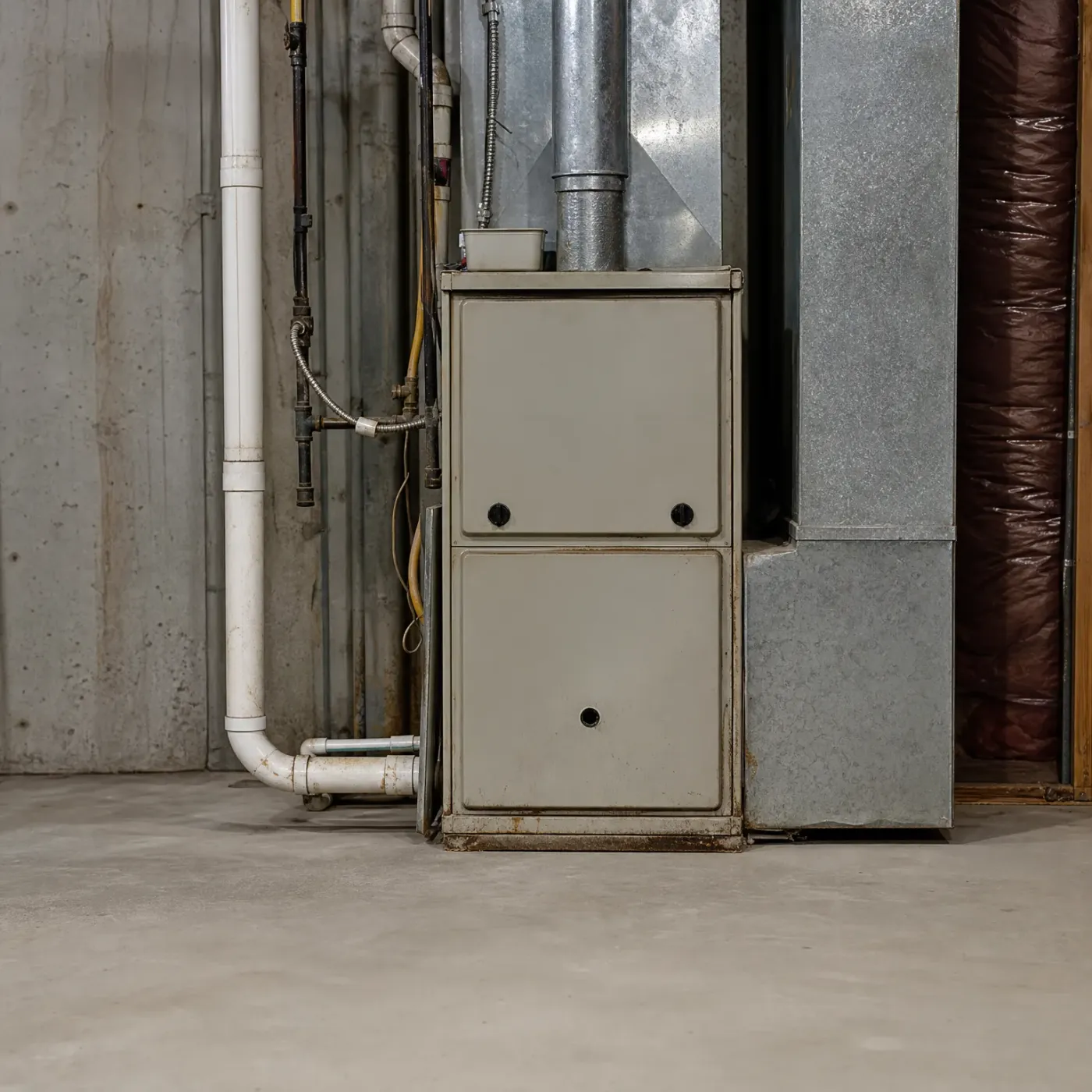
A beige furnace with two access panels stands against a concrete basement wall, with galvanized sheet-metal ductwork, a white PVC pipe, flexible conduit and insulated ducting around it.

A furnace showing its age

Rust spreads across the cabinet and the flue pipe shows the wear of years running hard. Age like this loosens fittings and shifts parts out of alignment, including the pilot assembly and the thermocouple it depends on. A furnace in this shape is the kind that keeps dropping its pilot until something inside gets looked at.

A smiling older woman with gray hair in a cream knit sweater stands in a dimly lit kitchen beside a window showing snow outside, with a round loaf of bread on the counter in the foreground.
A woman with dark hair in a bun sits wrapped in a chunky knit blanket on a couch with a child resting his head on her shoulder, eyes closed, beside a lit lamp and bookshelf indoors.

16°F

That's the average winter night across Colorado. A furnace running that hard, that often, puts steady strain on a thermocouple that's already starting to drift.

Hand off my repair

Soot tells on the flame

A pilot burning clean stays blue. Soot on the hood above it means the flame isn't burning the way it should, and that's a repair, not another relight.

Hand off my repair

Winter nights average 16°F statewide

At 16°F overnight, your furnace is lighting that pilot and holding it for hours on end, night after night. A connection that's already loose or a flame sitting slightly off the thermocouple won't hold up under that kind of steady use, and that's usually when the pilot starts dropping out.

NOAA nClimDiv 1991-2020 county normals weighted by homes

What a Steady Pilot Means

  • A pilot that won't stay lit almost always traces back to a dirty or misaligned thermocouple, a draft, or soot buildup.
  • Relighting it yourself might buy a night or two, but it won't fix a part that's drifting out of position.
  • A furnace technician can pinpoint which of those three is the actual cause in one visit.
  • Once the right part is adjusted or replaced, the pilot holds steady through the kind of cold Colorado nights bring.
  • Sending the form is the last thing on your end; a contractor takes it from there and reaches out to get it sorted.

A pilot light that keeps going out has a reason, and it's one of three things: a thermocouple that's dirty or sitting off the flame, a draft reaching the pilot from somewhere it shouldn't, or soot building up from a flame that isn't burning clean. None of those fix themselves, and none of them get better with another lighter and another try. Relighting the pilot gets the furnace through the night, but it doesn't touch whatever's pushing the flame off the thermocouple or letting air disturb it. On a cold Colorado night, that furnace is going to run for hours without stopping, and whatever's already loose or misaligned is going to show itself again.

A technician who looks at the pilot, the thermocouple, and the area around the burner can usually tell which of the three is going on and deal with it in one visit. Clean the thermocouple or reposition it, seal off the draft, or clear the soot, and the pilot holds the way it's supposed to: steady, blue, staying lit without anyone checking on it.

From here, the part that's been on you is done. Send the form and a contractor takes over the job of figuring out which part needs attention and reaching out to get it scheduled. The furnace staying lit through the next cold snap stops being something you have to manage yourself.


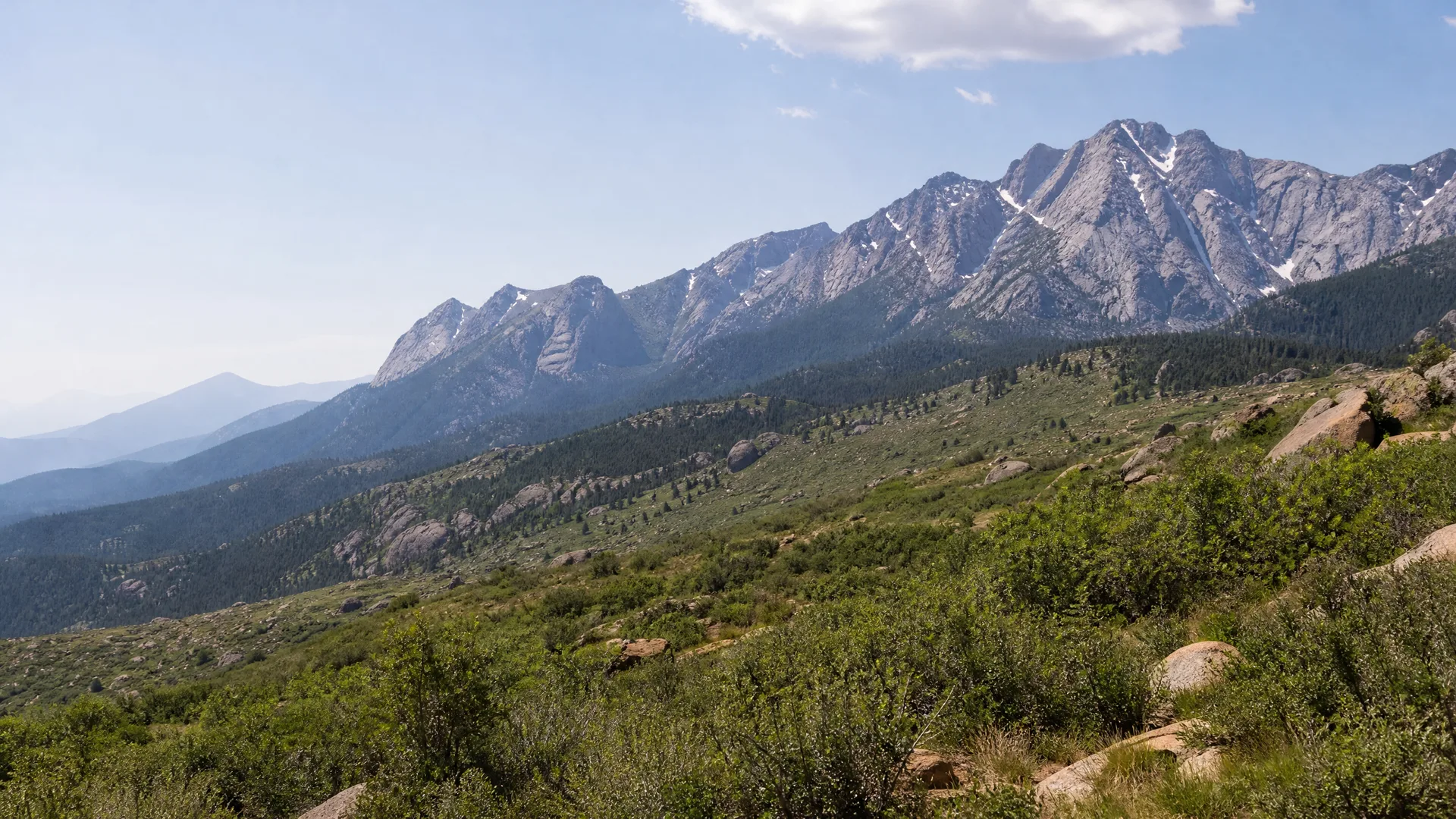
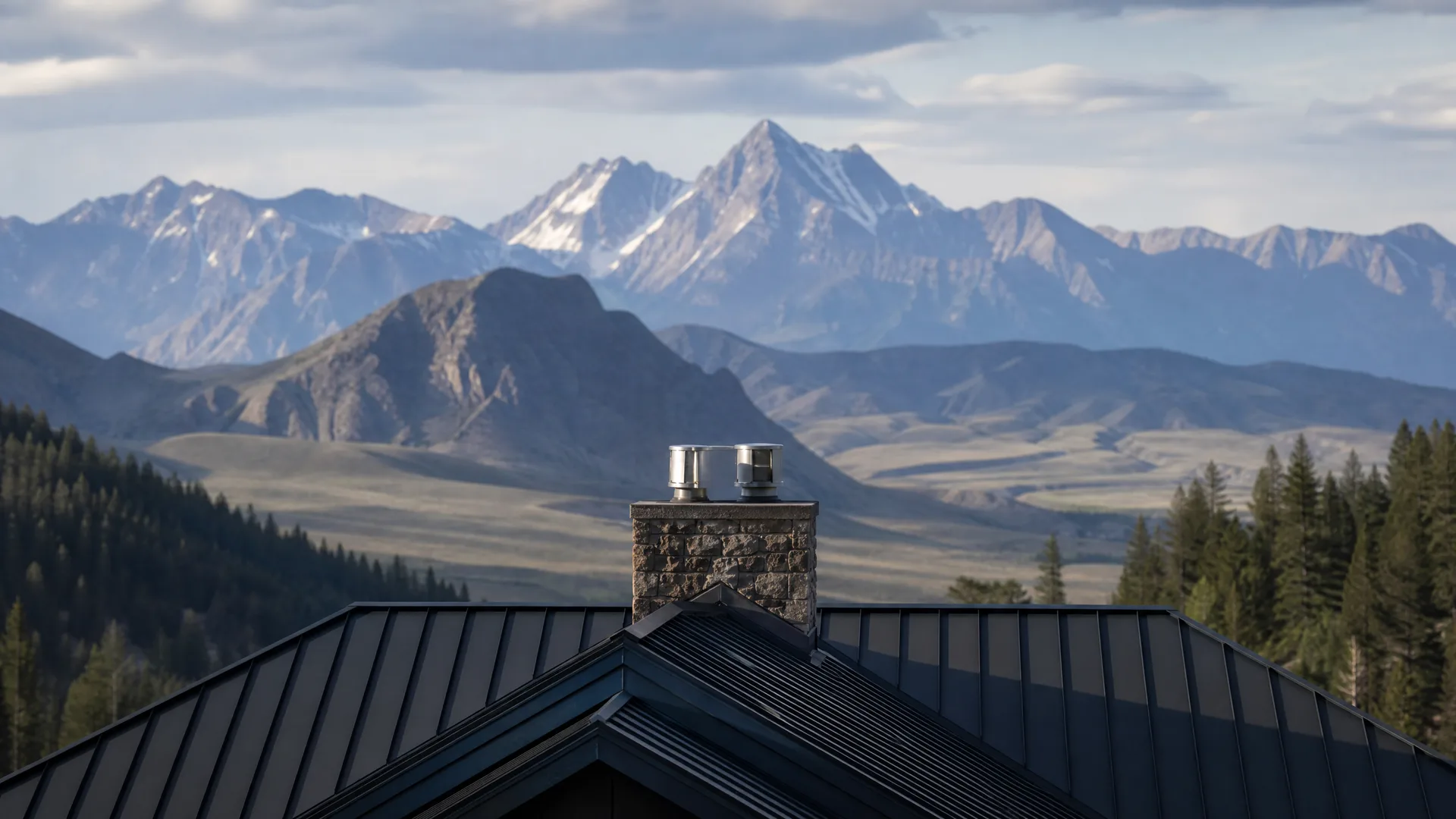
A dark standing-seam metal roof with a stone chimney topped by two metal flue caps, with conifer trees, grassy foothills and snow-streaked mountain peaks in the background.

Matched to your furnace job

Send it today

There's no charge for the request.

A furnace that won't hold its pilot through a cold night leaves you without heat exactly when you need it most. Send the request and a contractor takes it from there, so you're not the one stuck relighting it at midnight while you wait on a fix.