Furnace on but house still cold in Colorado

Step 1 of 3: Equipment

A furnace that runs but never warms the house is usually moving air that isn't hot enough, or not moving enough of it. In Colorado winters, a furnace that's losing the fight against outside cold often has a flame sensor or igniter going bad, so it short cycles and never gets a full heating run in before it shuts off. It can also be a clogged filter choking airflow, a blower motor that's weak, or ductwork that isn't getting the warm air where it needs to go. Thermostat settings matter too, but if you've checked those and the air coming out of the vents is cool or barely warm, the problem is inside the furnace itself. None of this fixes itself by waiting. The longer a struggling furnace runs trying to keep up, the more strain it puts on the parts that are already failing.

  1. Thermostat calls for heat and signals the control board

  2. Inducer motor starts and pulls air through the heat exchanger

  3. Igniter heats up or the pilot lights the burners

  4. Flame sensor confirms the burners are actually lit

Why does my furnace run constantly but never heat the house?

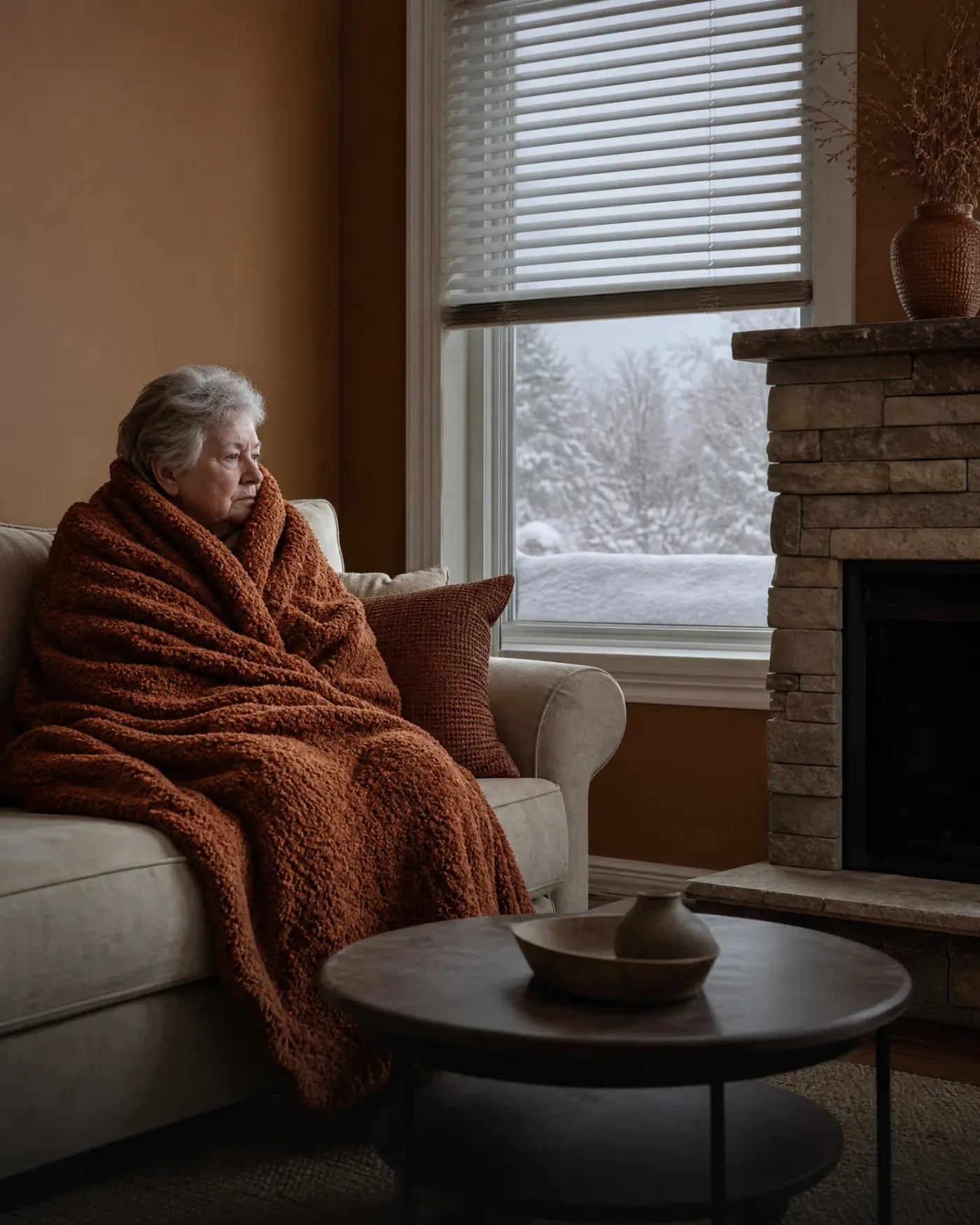
You turn the thermostat up, the furnace kicks on, and it just keeps running. No click-off, no warm air that actually feels warm, and the house stays cold through it. In a Colorado winter, that's not something to wait out. Either the furnace is stuck trying to catch up to the cold outside, or something inside it is stopping the heat from ever reaching full output in the first place.

The furnace is short cycling or underheating, not just running long

A furnace that runs nonstop is usually doing one of two things. Either it's shutting off early and restarting over and over, which feels like constant running but never builds up heat, or it's running steady but putting out air that's only lukewarm. The first points to a dirty flame sensor or a cracked heat exchanger tripping a safety switch. The second points to a clogged filter choking airflow, or a blower motor that's weak and can't push enough air past the heat exchanger to pick up real heat. In a Colorado winter, when the furnace is already working against a big gap between outside and inside temperature, either problem shows up fast because there's no margin for a furnace that isn't running at full strength.

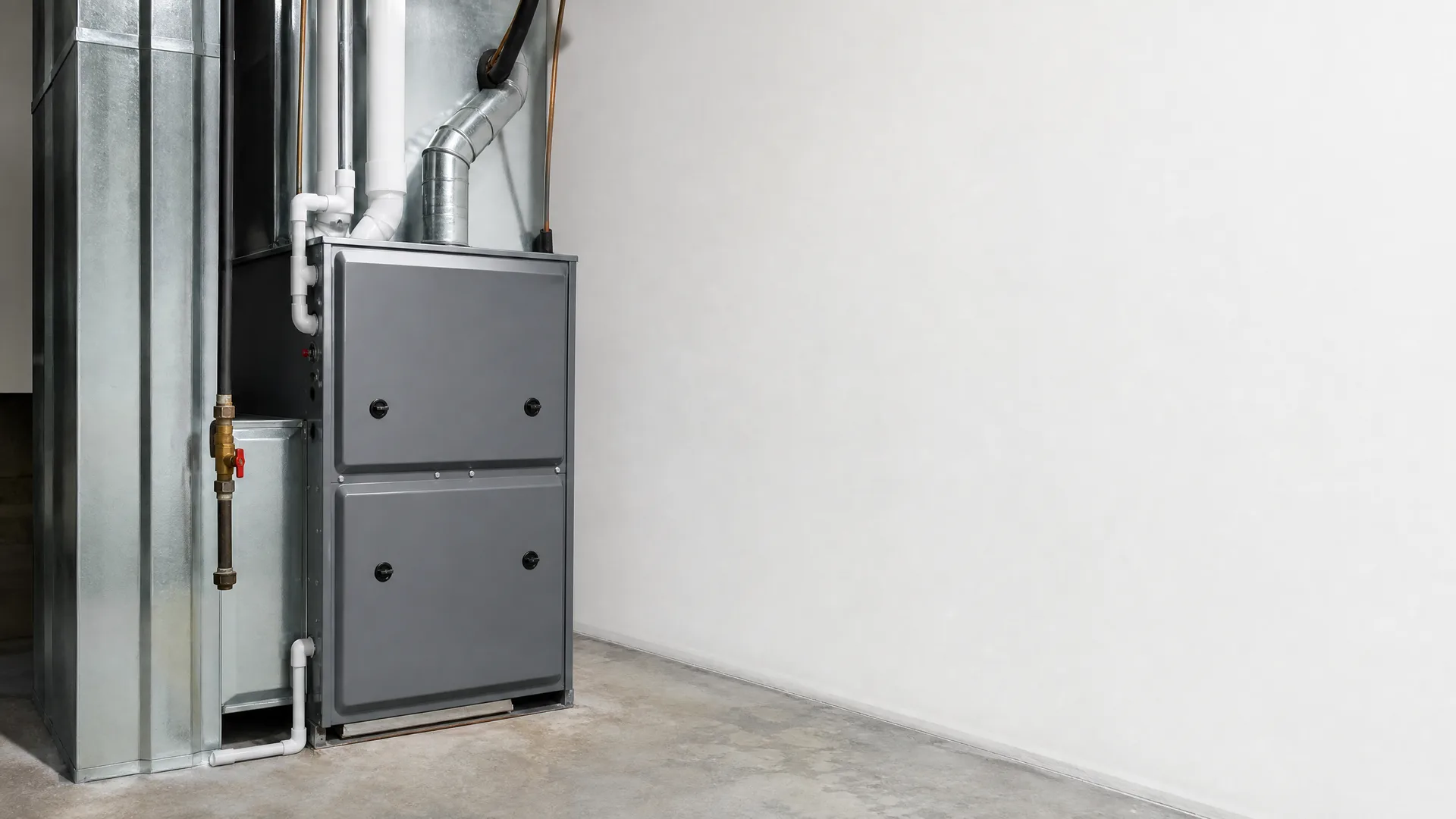
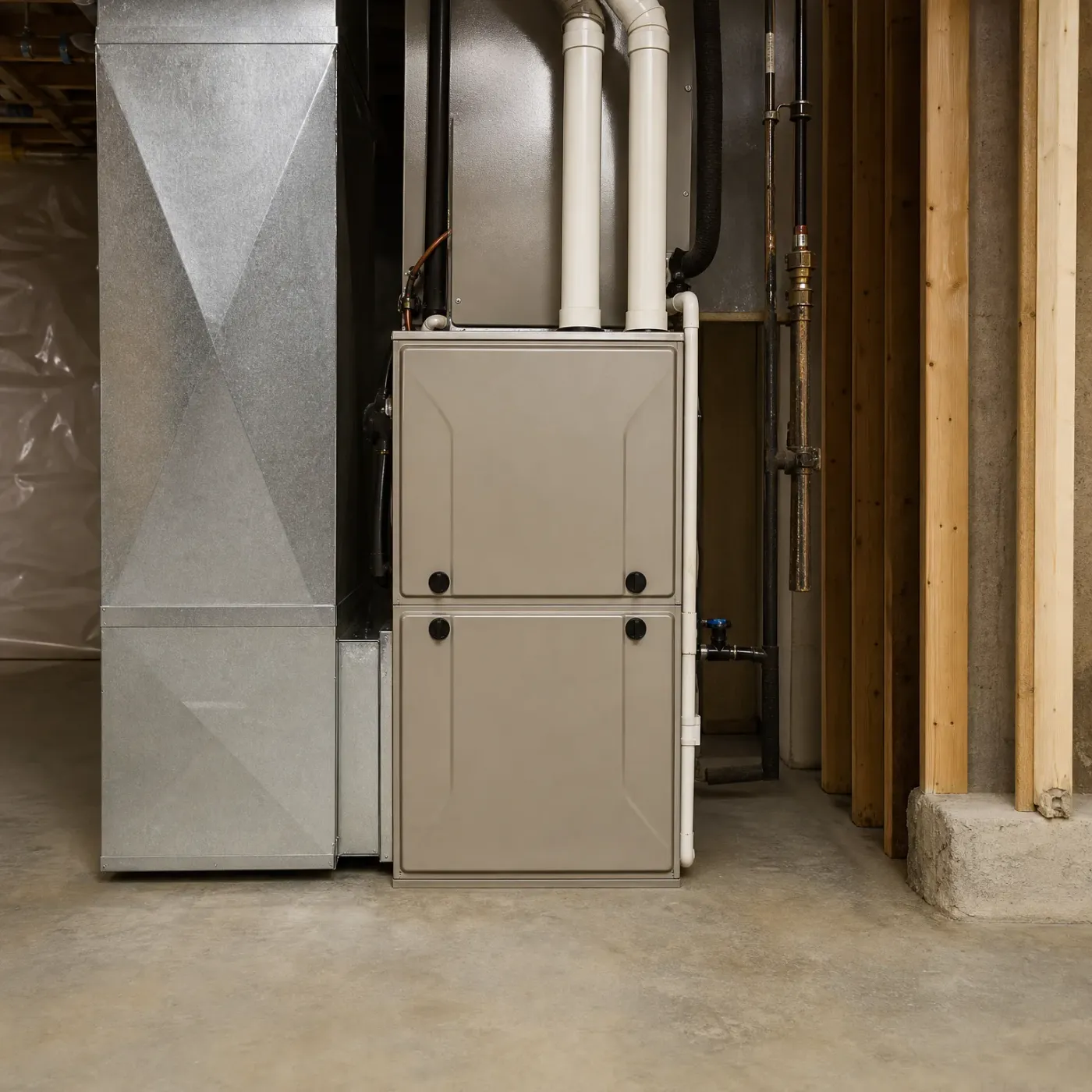
A gray residential furnace with two panel doors stands against a plain light wall in a concrete-floored room, connected to metal ductwork and white and copper pipes.

Why the blower matters more than the burners

A furnace can light every time and still leave the house cold if the blower motor isn't moving enough air past the heat exchanger. Heat builds up at the exchanger instead of reaching the ducts, and the limit switch may cut the burners off early to keep the exchanger from overheating. A dirty filter or a failing blower motor causes this, and the fix is different from anything to do with ignition.

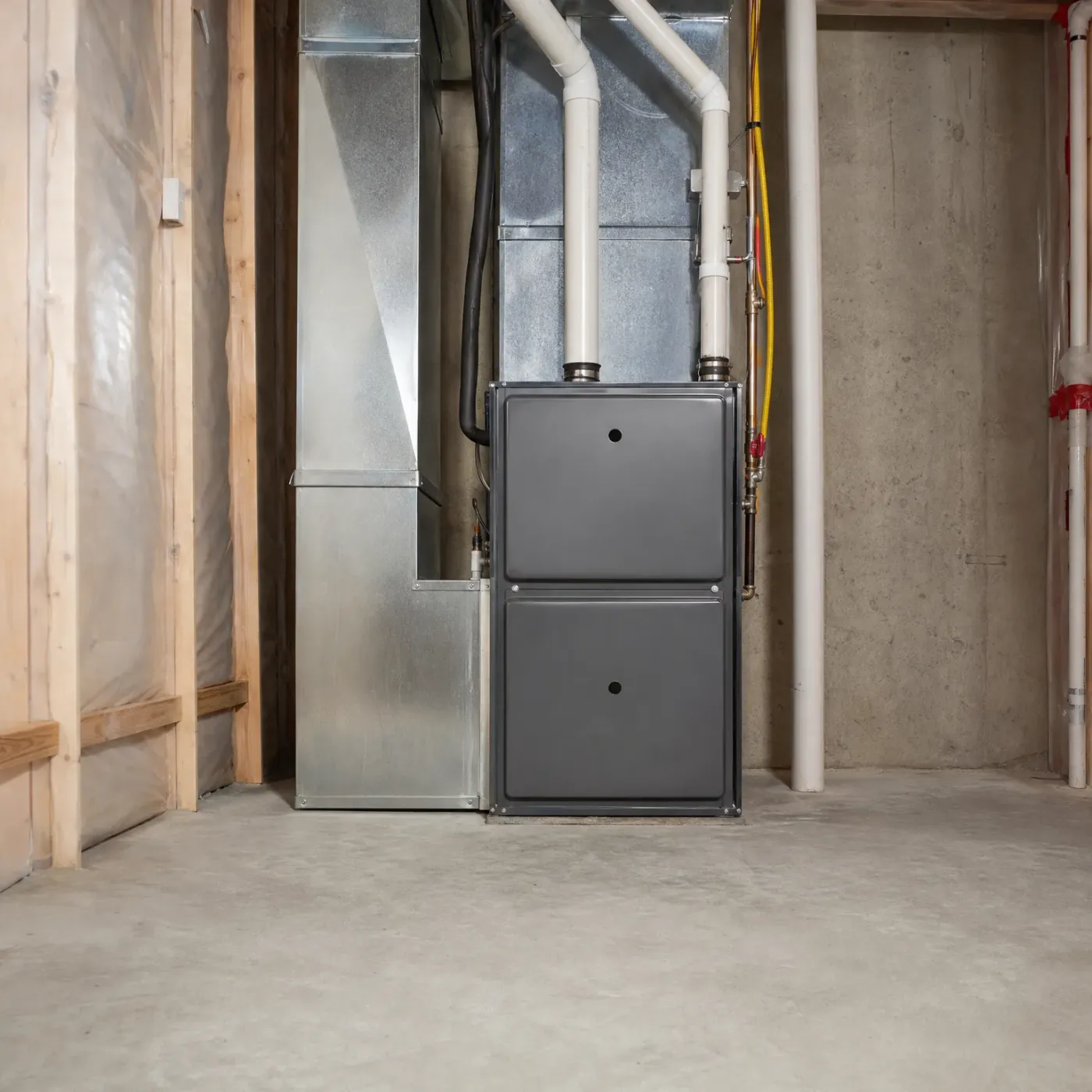
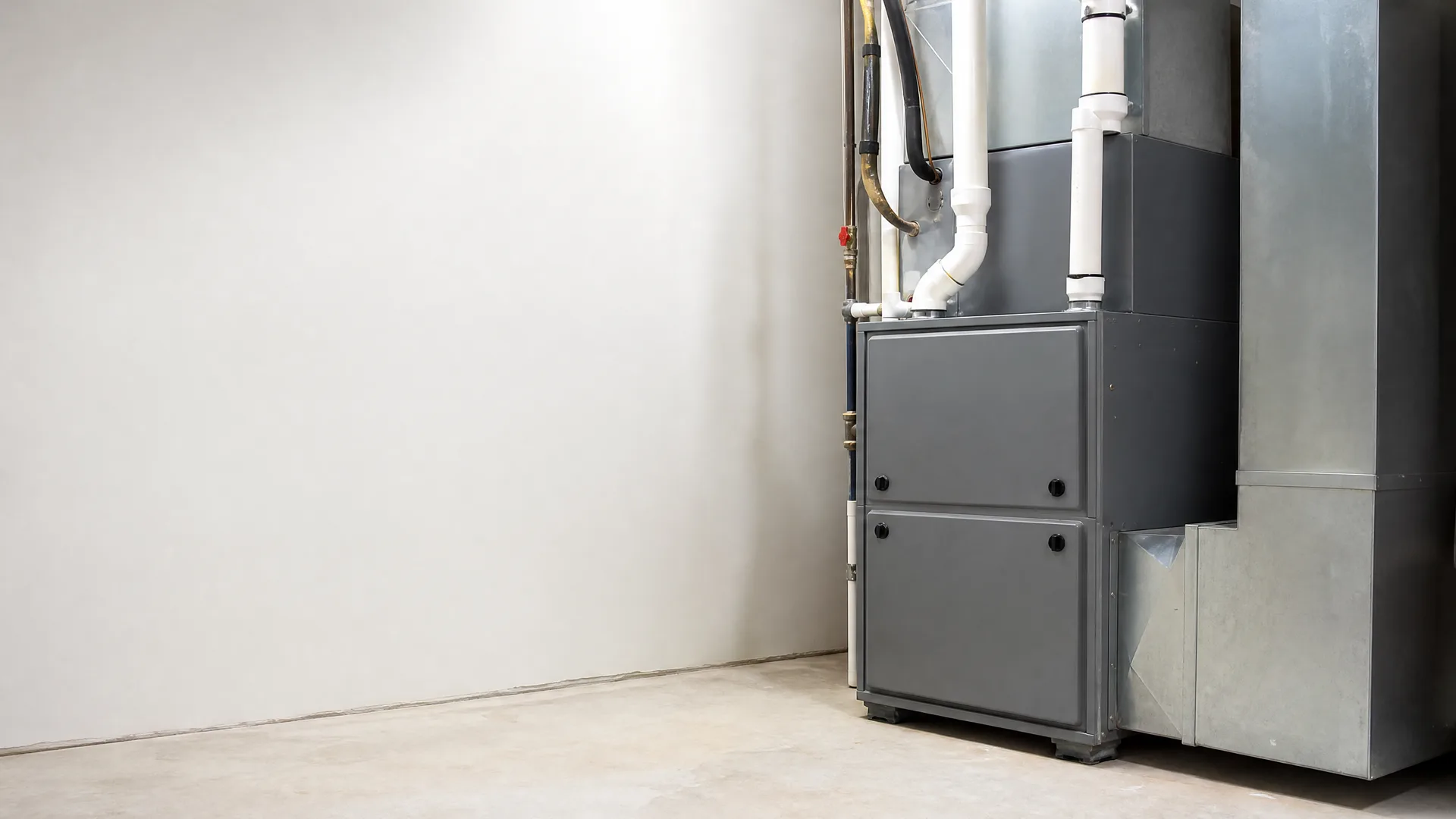
A gray high-efficiency furnace with white PVC venting pipes stands against a plain wall in a basement, connected to sheet-metal ductwork on a concrete floor.

What a cracked heat exchanger does

The heat exchanger is the metal chamber that separates the flame from the air going into your ducts. If it cracks, the furnace can still run and still produce heat, but a safety switch may shut it down before the air gets warm enough, or the furnace may run longer cycles to compensate. This is one reason an older furnace in a Colorado winter can run and run without the house ever catching up.

Running Nonstop or Shutting Off Early

Keeps running, never catches up

  • The blower is moving air, but by the time it reaches a vent at the far end of the house it's lost most of its heat.
  • A dirty filter or a duct problem can hold the house a few degrees short of the thermostat setting all day long.
  • Rooms farthest from the furnace feel the worst of it, while a room near the unit might feel almost normal.
  • The furnace isn't short cycling. It's running long, sometimes close to nonstop, trying to close a gap it can't close.
  • A technician can check static pressure in the ducts and airflow at the registers to find where the heat is getting lost.

Runs, then quits before the house warms

  • The burners light, the blower kicks on, and a few minutes later the whole thing shuts off on its own.
  • A flame sensor that's coated or going bad will cut the burners even though the flame is lit and healthy.
  • Each cycle is short, so the air coming out never gets hot enough before the furnace shuts down again.
  • Over a cold night this adds up to a house that's a little colder every time you check the thermostat.
  • A technician can clean or replace the flame sensor and test the ignition sequence to see where the cycle is breaking.
A beige high-efficiency furnace with white PVC vent pipes stands beside galvanized sheet-metal ductwork in a basement with a concrete floor, exposed wood studs, and metal piping along the wall.

Furnace keeping up

A furnace that's heating right pulls air across the exchanger and pushes it through the ducts warm enough to feel at the register. It cycles off once the house hits temperature, then starts again later. The cabinet stays quiet aside from normal airflow, and the burners shut off clean instead of lingering.
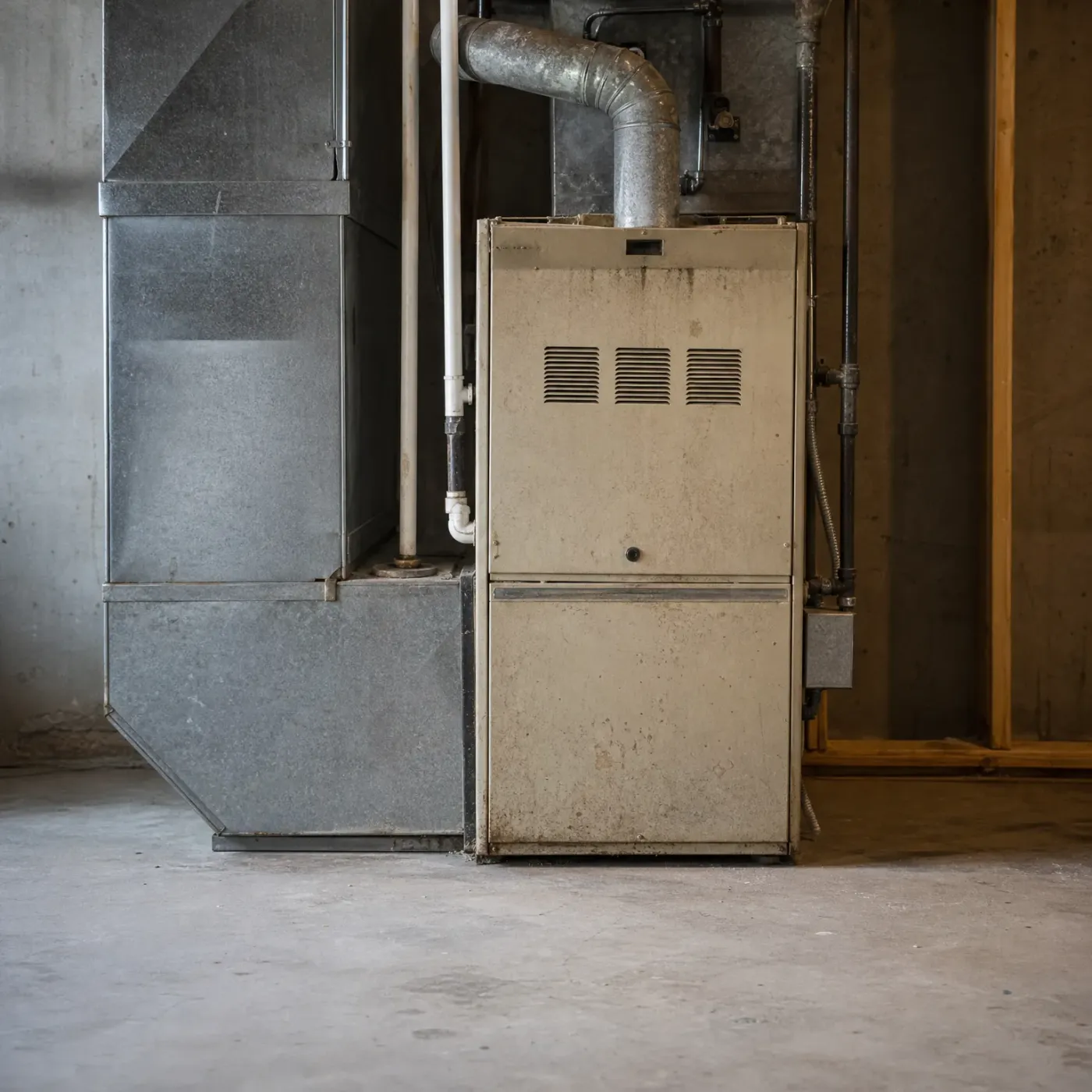

An older beige furnace with a louvered vent panel stands on a concrete basement floor beside galvanized sheet-metal ductwork, a metal flue pipe and vertical pipes along a concrete wall.

Furnace losing ground

An older furnace that's struggling tends to run long and flat, never quite shutting off the way it should. You might notice the flue connection or hear the burners catch late. The house stays a few degrees under setting no matter how long it runs, which points to the exchanger, igniter, or blower, not the thermostat.

A man in a blue T-shirt sits on a light gray sofa, laughing while looking at an open laptop in the foreground, with a framed picture, lamp and potted plant behind him.
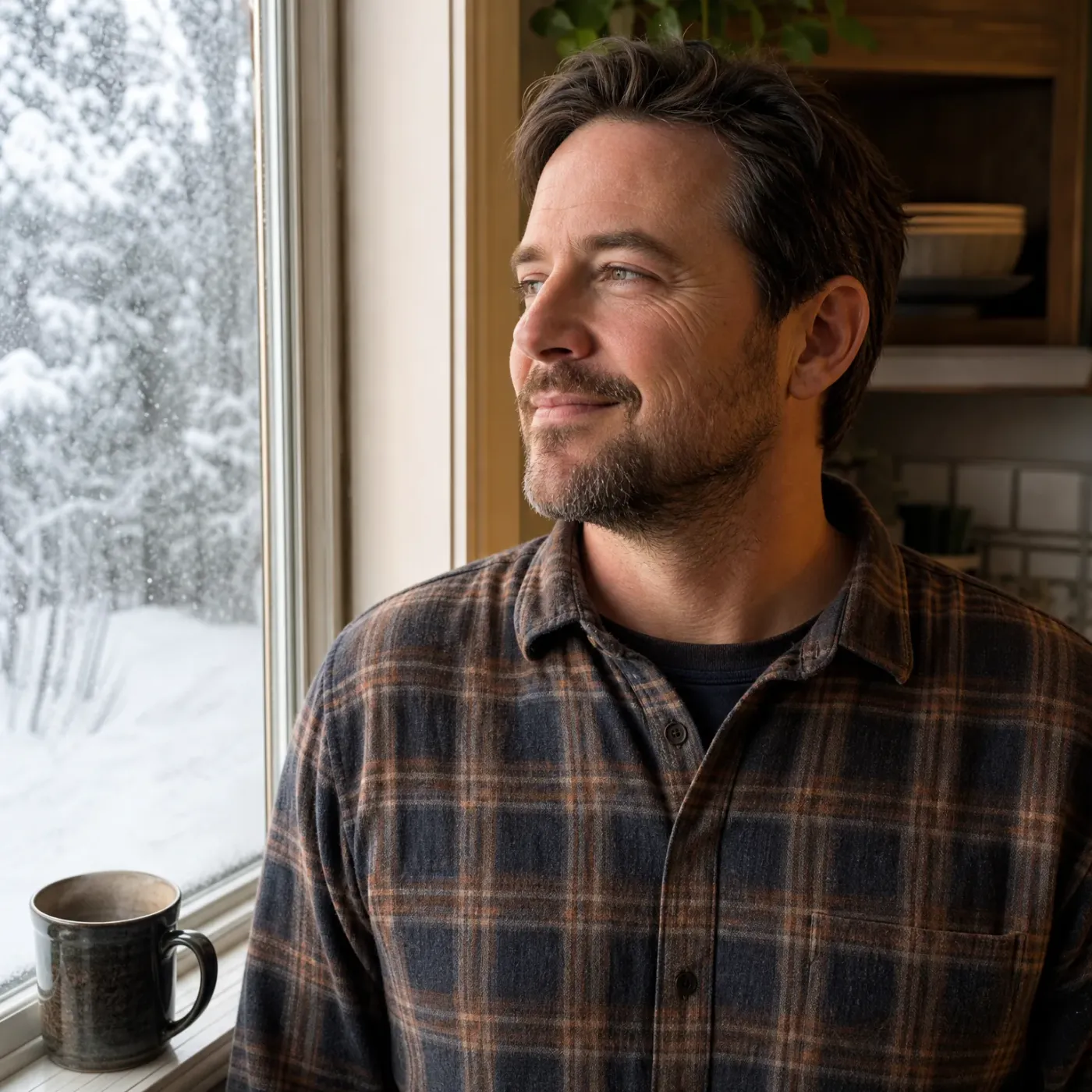
A bearded man in a blue and brown plaid flannel shirt stands indoors looking out a window at snow-covered trees, with a ceramic mug on the windowsill.

One request and it's handed off

A furnace that keeps running without warming the house isn't something to keep testing on your own. Every winter, furnaces across Colorado fail the same handful of ways, and most of them look identical from the thermostat: it runs, the house stays cold, and nothing you do from the living room changes that. Finding the actual cause means getting inside the cabinet, checking the flame sensor, the blower, the limit switch, with the right tools and knowing what a reading should look like before you can say it's wrong. That takes a contractor who works on this equipment all winter, not a guess. Send the request and it goes to one local contractor licensed to do this work, not a handful of companies competing for your number. From there, finding help isn't on you anymore. You'll still be cold for a bit longer, but you won't be the one chasing it down.

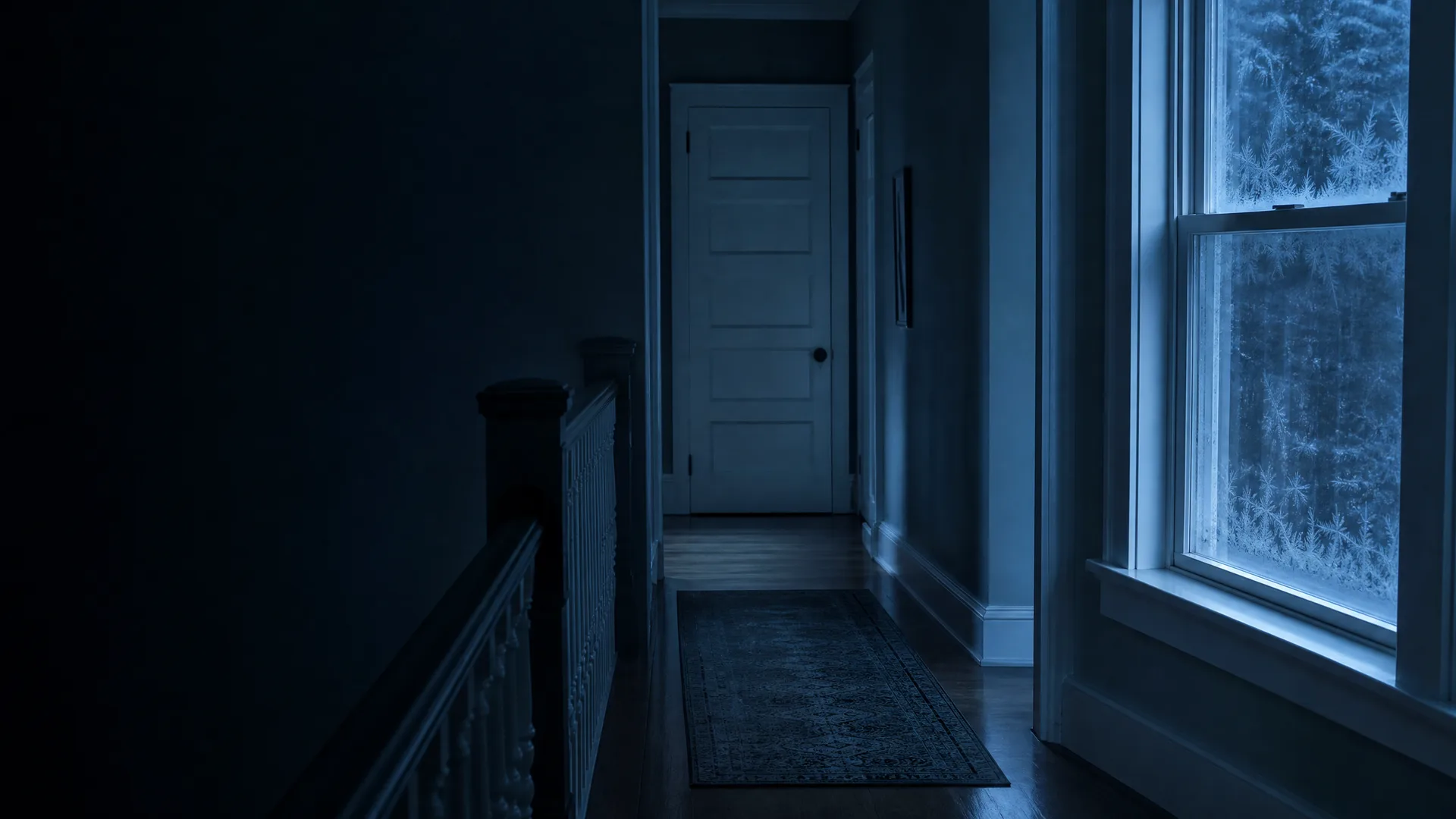
Dimly lit interior hallway at night with a closed white paneled door at the end, a long runner rug on a wood floor, a stair railing at left, and a frost-covered window admitting blue light at right.

It's two in the morning and you're awake because the hallway is cold enough to notice through the blanket. The furnace is running. You can hear it, that low steady sound from the basement that hasn't shut off in a while. You walk out to the hallway and hold your hand under the vent. Air is coming out, but it isn't warm. Outside, it's the kind of January cold that puts frost in feathered patterns up the inside corners of the window glass. The floor under your feet is cold enough that you go back for socks. Down the hall, the thermostat still reads three degrees short of where you set it.

A gray high-efficiency furnace with two PVC vent pipes stands in an unfinished basement beside sheet-metal ductwork, a framed and plastic-covered wall, and a bare concrete wall with vertical pipes.
A furnace venting and firing correctly like this one pulls warm air into the ducts without strain, and you'd feel it right away at the register.
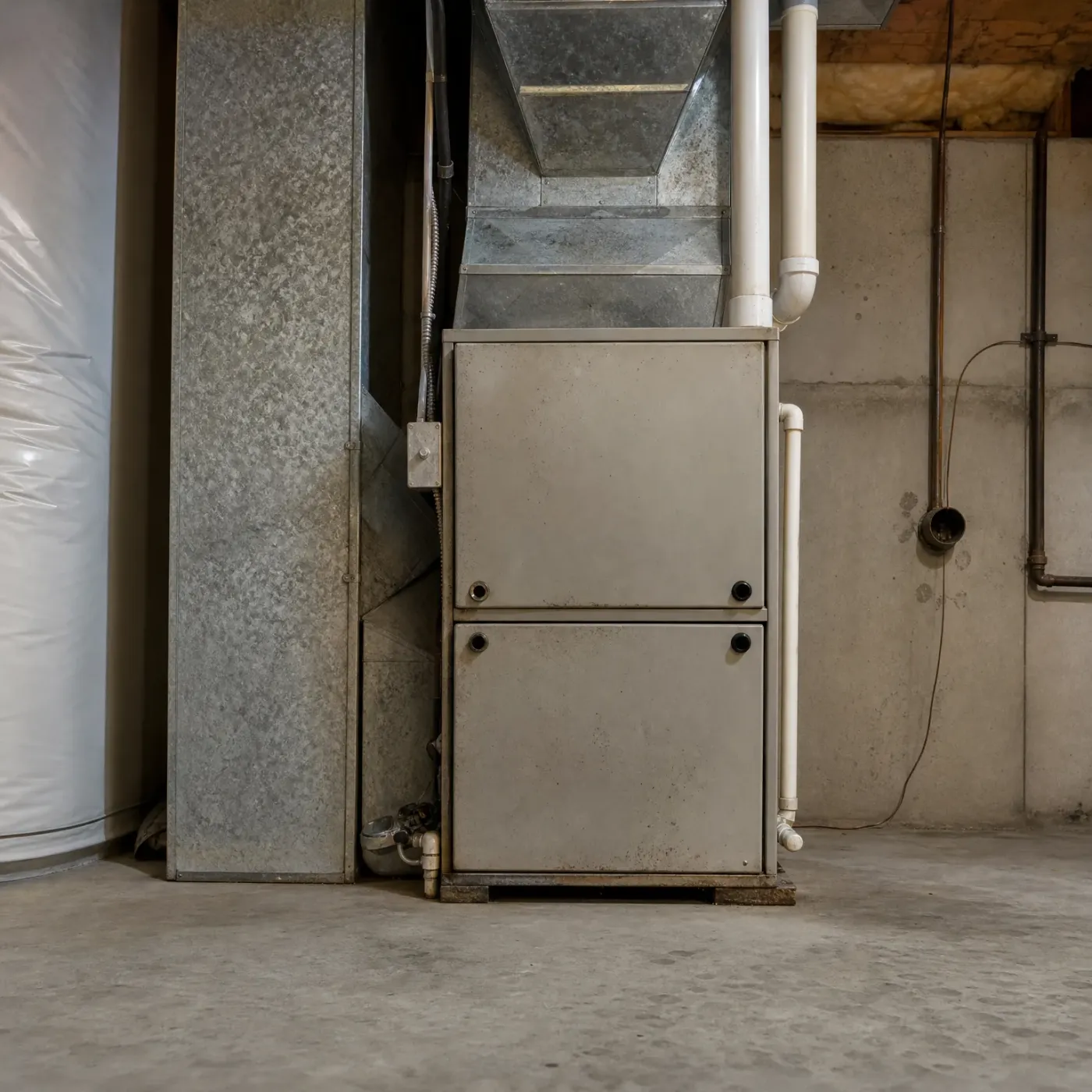
A gray furnace cabinet in a basement, connected to galvanized sheet-metal ductwork and white PVC pipes, against a concrete wall with exposed metal piping and insulation overhead.
Set straight on a pallet like this with galvanized duct and a condensate line close by, a furnace still needs the blower and exchanger working together to actually heat.
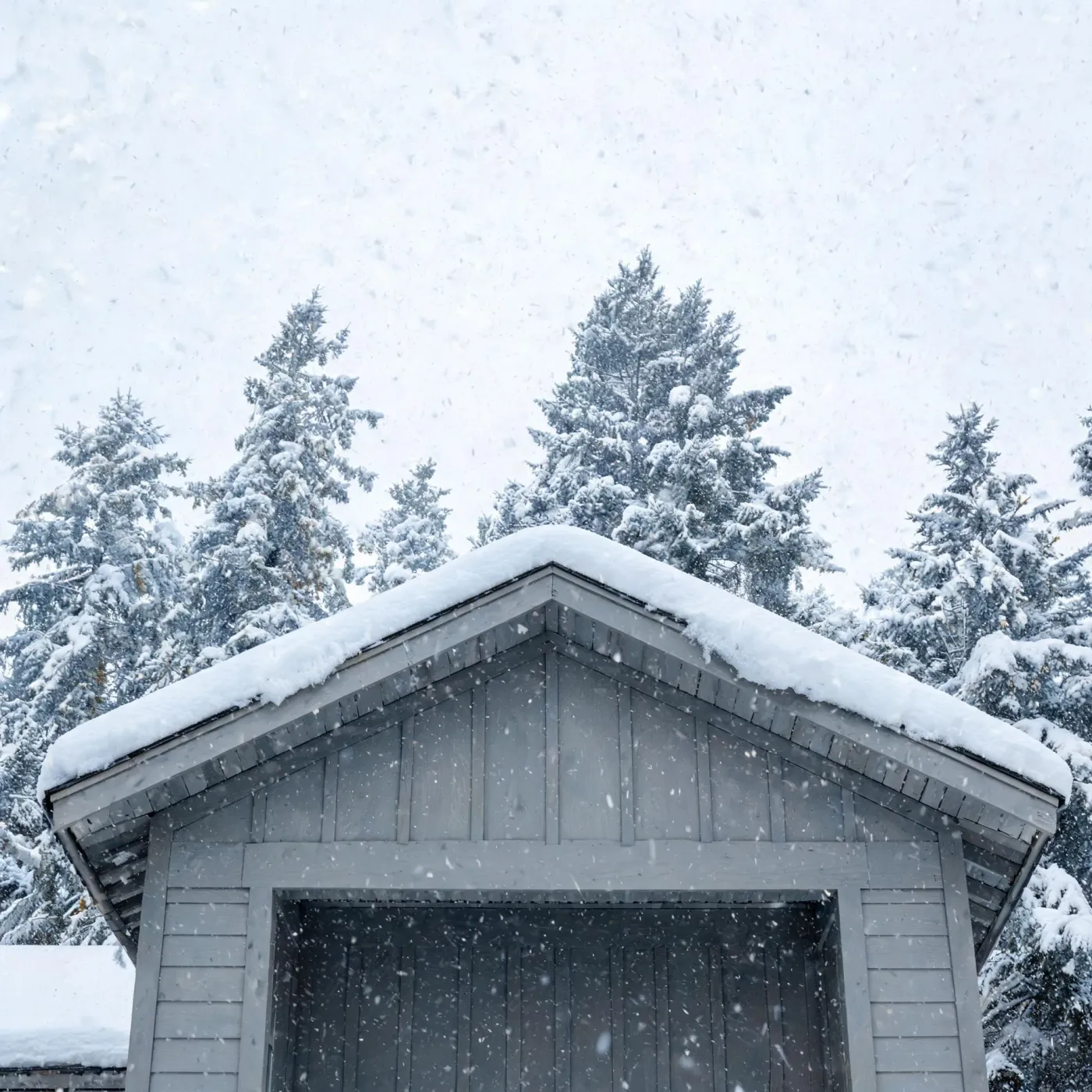
Gable end of a gray wood-clad building with a snow-covered roof and open doorway, backed by snow-laden conifers during falling snow.

Statewide, winter nights average 16°F, cold enough that a furnace runs long stretches just to hold the thermostat setting. At that temperature, the air coming back into the return is far colder than it ever gets in fall or spring, so the furnace has more work to do on every cycle. If the blower is weak or the burners aren't firing clean, that extra load is what tips a furnace from keeping up to just running without catching up. You'd notice it as vents that feel warm but never hot, and a house that holds steady a few degrees under what the thermostat says.

Source: NOAA climate normals.

NOAA nClimDiv 1991-2020 county normals weighted by homes

A smiling man in a gray long-sleeved shirt stands in a kitchen looking to the side, with open shelves of dishes, a white mug on the counter, a potted plant, and a view through a doorway into a living room.
A smiling bearded man in a green sweater sits at a white marble kitchen island with a mug, potted plant and bowl of fruit, in a bright white interior with open shelving and an arched doorway.
A smiling man with dark curly hair and a beard, wearing a dark green knit sweater, stands at a white marble kitchen counter with a dark blue mug, with open shelving, pendant lights and a houseplant behind him.
A smiling man in a green ribbed sweater stands behind a wooden table holding a ceramic mug of coffee in a kitchen with white subway tile, shelves of potted plants, and a bowl of fruit.

Call it in now

A furnace running nonstop and losing the fight against a Colorado winter night is a repair, not something to watch another day. A local contractor who works on these year-round can usually tell you what's wrong from the symptoms alone.

Hand it over

Wait and see

Some people let it run another day to see if it catches up on its own. It usually doesn't. The part that's failing keeps failing, and the house stays a few degrees short of the thermostat the whole time.

Hand it over
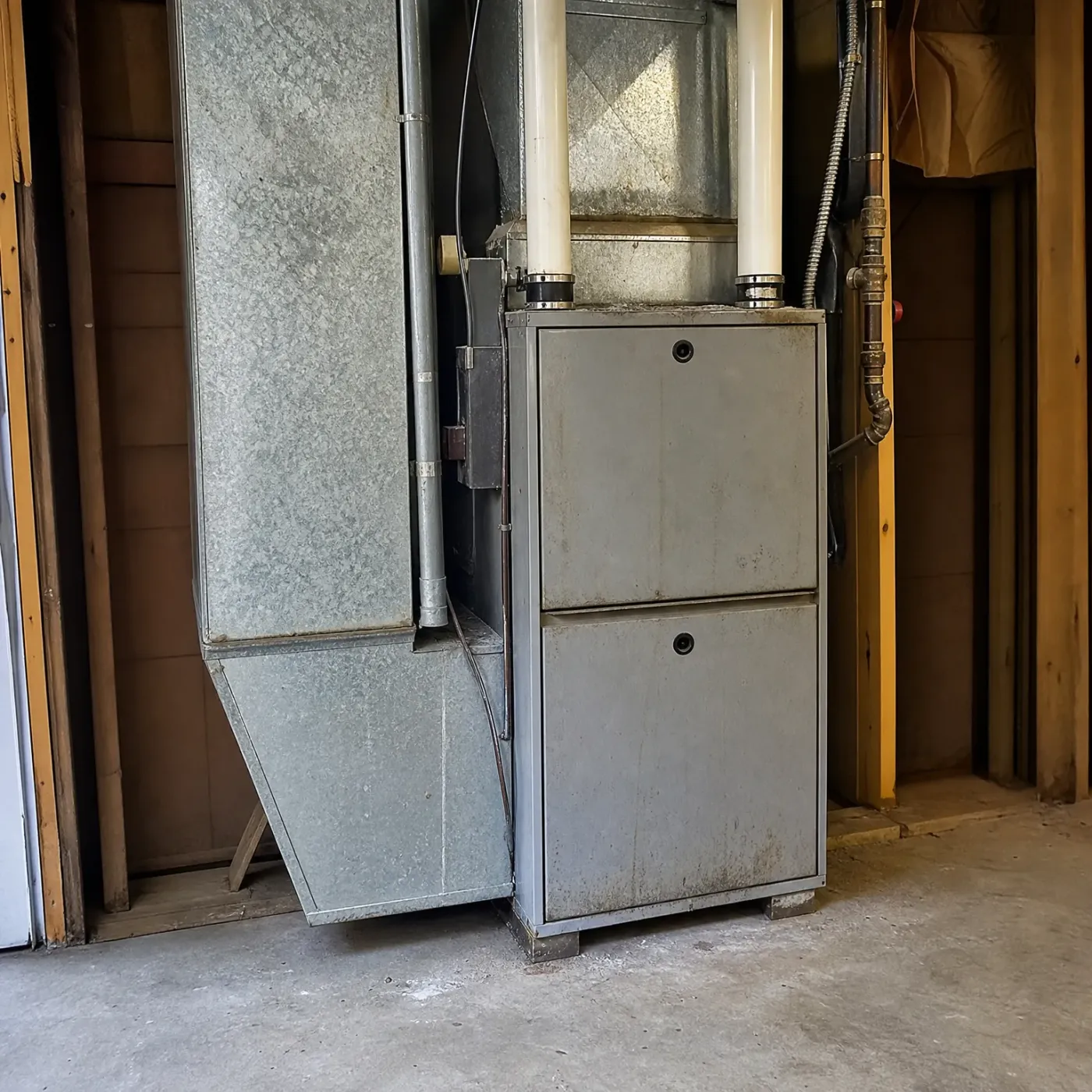
A gray metal furnace with two white PVC vent pipes stands on a concrete floor beside galvanized sheet-metal ductwork in a basement or utility space with wood framing.
Before you get your furnace repair
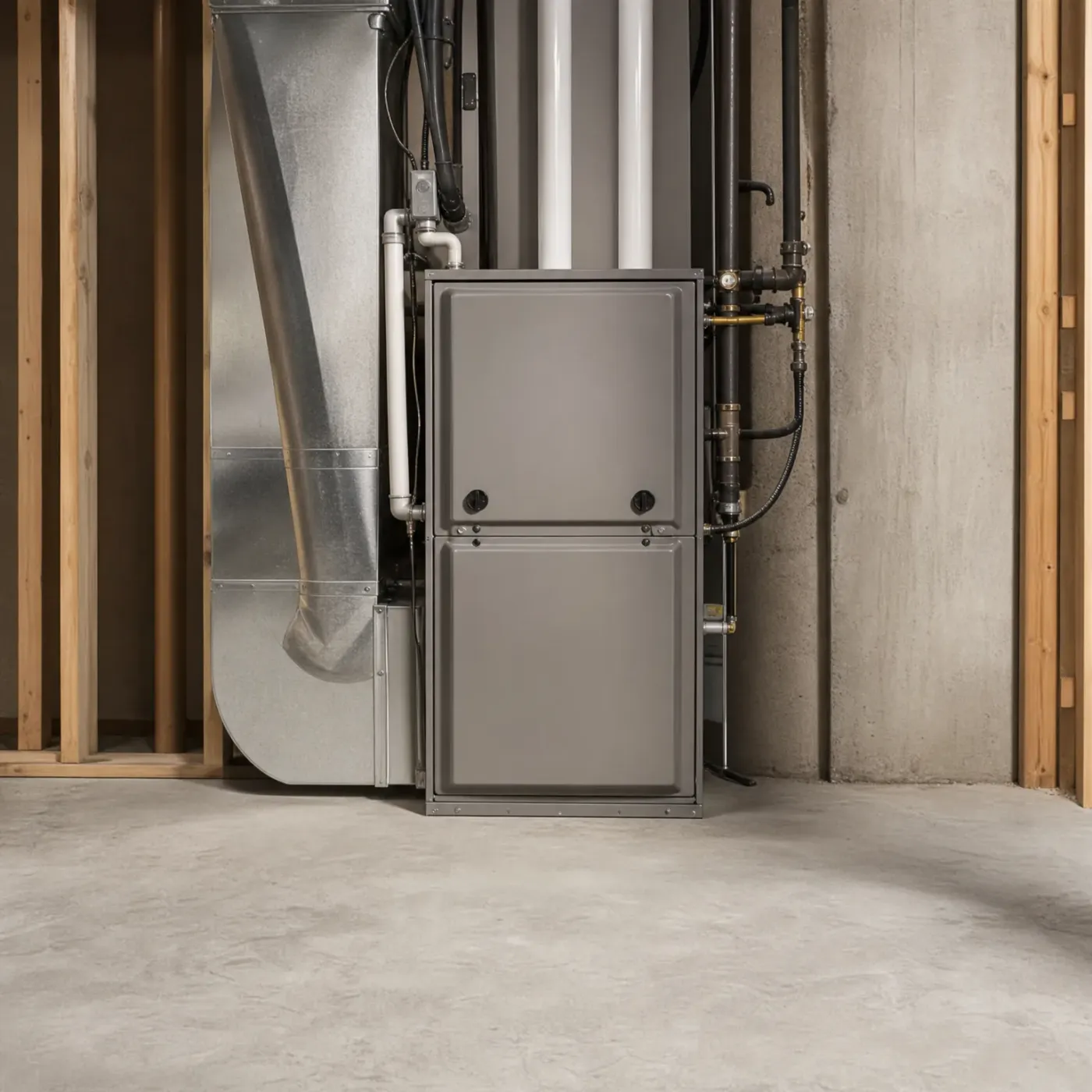
A gray furnace cabinet in a basement with sheet-metal ductwork, white PVC vent pipes, and black gas piping against a concrete wall and wood-framed partition on a bare concrete floor.
After you get your furnace repair

You keep bumping the thermostat up, thinking it just needs to catch up, but the air at the register never gets hot enough to make a difference.

That's usually a furnace that's firing but struggling, a cracked heat exchanger, a failing inducer, or a blower too weak to push heat through the ducts before it's lost.

Winter nights average 16°F statewide

A 16°F night means your furnace is working against a 50 plus degree gap just to hold 68 inside. That's a long burner cycle, and it leaves less room for error if the heat exchanger or blower isn't pulling its full share.

NOAA nClimDiv 1991-2020 county normals weighted by homes

Where this leaves you

  • A furnace that runs nonstop without warming the house points to a specific failed part, not a mystery.
  • Checking the flame sensor, igniter, inducer, or blower yourself risks the exact cold night you're trying to avoid.
  • A local contractor who services furnaces all winter in Colorado has likely seen this exact failure this season already.
  • One contractor means one visit and one diagnosis, not a string of calls to compare.
  • Fixing it now, before the next cold night, keeps a small failing part from taking down the whole furnace.
  • You already know the furnace is running and the house isn't warm, which is as much as you need to know to call it in.

A furnace that runs but never catches up isn't broken in some vague way. It's one part, maybe two, failing to do its job while the rest of the system keeps trying anyway. A flame sensor that's lost its signal. An igniter that's gone weak. A blower that isn't pushing enough air past the exchanger to matter at the register. Any one of these looks the same from the thermostat: runtime with no payoff, and a house that stays cold no matter how high you set it.

You don't need to find the part. You need someone who already knows which one it usually is. A contractor who works on furnaces all winter in Colorado has likely seen this exact failure already this season, maybe this week. That's not a guess about your equipment, it's what the job looks like from their side of it every January.

When you send the request, it goes to one contractor, not a handful competing for the callback. One visit, one diagnosis, no juggling quotes or explaining the problem over and over to different people. You've already done the hard part by catching this before the house dropped further or the furnace strained harder trying to compensate. The rest is a straightforward call for someone who does this kind of repair on this kind of system, in this kind of cold, as a matter of course.

A dark wood cabinet with a paneled door and a ceramic pot of green foliage on top stands in a beige-walled room with white baseboard, a window at left, hardwood floor, and a patterned area rug.
A dark wood glass-front cabinet holding folded towels, woven baskets and a ceramic vase stands in a bathroom corner beside a window, with a potted fern and stacked towels on top and a freestanding tub partly visible at left.
A woven basket holding a green cushion and a cream fringed knit throw sits on a wood floor in a room corner beside a window and a dark wooden cabinet.
Corner of a room with a dark wood cabinet topped by a round vase, a linen curtain at a window, white baseboard, oak plank flooring with sunlight patches, and a woven jute rug in the foreground.
A dark wood sideboard against a pale wall holds a shallow stone bowl and a round ceramic vase with leafy branches, with sunlight from a curtained window falling across the wall, wood floor and woven rug.

It's off your list after this

The pro who reaches out is licensed in Colorado.

Hand off my repair

No fee to send it, and nothing to sign.